If you want to catch more fish, knowing how to put a weight on your fishing line is a game changer. It helps your bait sink just right, making it easier to reach the fish hiding below.
But if you’re unsure how to do it properly, your line might tangle or your bait might not go deep enough. Don’t worry—this guide will walk you through simple steps that anyone can follow. By the end, you’ll have the confidence to set up your line perfectly every time.
Ready to improve your fishing skills and land bigger catches? Let’s dive in!

Credit: mysterytacklebox.com
Choosing The Right Weight
Adding weight to your fishing line helps cast farther and control bait depth. Picking the right weight improves your fishing experience.
Different fishing situations need different weights. Knowing the types and sizes can help you decide what to use.
Types Of Fishing Weights
There are several kinds of fishing weights. Each type works best in certain water and fishing styles.
- Split Shot:Small and easy to attach, good for light fishing.
- Egg Sinkers:Oval-shaped and slide on the line, ideal for river fishing.
- Bullet Weights:Shaped like a bullet, perfect for fishing in weeds.
- Pyramid Sinkers:Pointed shape to hold in sandy or rocky bottoms.
- Bank Sinkers:Heavy with a wide base, used for strong currents.
Weight Sizes And Their Uses
Weight sizes vary from very light to heavy. The size you pick depends on the fishing spot and the type of fish.
| Weight Size | Best Use |
| 1/16 oz to 1/8 oz | Light fishing in calm water |
| 1/4 oz to 1/2 oz | General fishing in lakes and slow rivers |
| 3/4 oz to 1 oz | Fishing in medium currents and deeper water |
| 1 1/2 oz and above | Strong currents or deep sea fishing |
Selecting The Best Spot On The Line
Placing a weight on a fishing line is important for fishing success. The weight’s position affects how the bait moves in water.
Choosing the right spot helps balance the line and attract the right fish. Let’s explore how to position weights effectively.
Positioning For Balance
Balance ensures the line stays straight in the water. Proper balance helps the bait move naturally.
Place the weight near the hook for faster sinking. This helps keep the bait near the bottom.
- For deep waters, use heavier weights.
- In shallow waters, lighter weights work better.
- Keep the weight centered for stability.
Adjusting For Different Fish
Different fish need different weight placements. Adjusting helps catch the fish you want.
For bottom feeders, place the weight close to the hook. For surface fish, keep it farther from the hook.
- Adjust for fish size by changing weight size.
- Experiment with weight distance for best results.
- Observe fish behavior to refine placement.
Attaching Weights Securely
Adding weights to your fishing line helps cast farther and reach the right depth. It is important to attach weights securely. Loose weights can fall off and spoil your fishing experience.
There are different ways to attach weights depending on the type of weight and fishing style. Using the right technique keeps your setup strong and effective.
Using Split Shot Weights
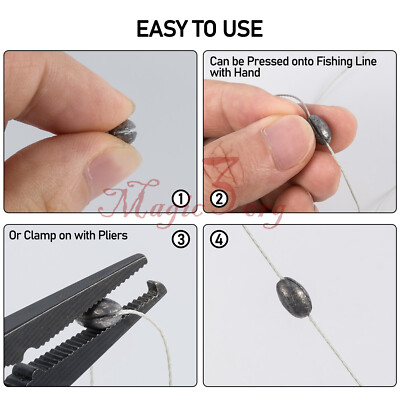
Split shot weights are small and easy to attach. They clip onto the fishing line and pinch it to hold tight. Use them for light fishing or when you need to add small amounts of weight.
To attach, open the split shot slightly, place it on the line, then pinch it closed. Place it about 6 to 12 inches above the hook for best results.
- Choose the right size split shot for your fishing needs
- Pinch gently to avoid damaging the line
- Check that the weight does not slide freely on the line
Pinching Techniques
Pinching weights properly keeps them secure and prevents damage. Use pliers for better control and a firm grip. Avoid pinching too hard or the line may weaken.
Hold the weight steady and pinch it around the line in one smooth motion. This reduces line damage and keeps the weight from slipping off during casting.
- Use round-nose pliers for a smooth grip
- Pinch close to the line but not too tight
- Check the weight’s position before casting
Adding Sliding Weights
Sliding weights move freely on the line. They help fish bite more naturally because the fish feels less resistance. To add sliding weights, thread the weight onto the line before tying the hook.
Use a small bead between the weight and the knot to protect the knot from damage. Sliding weights work well for deeper fishing or when you want to feel the fish bite better.
- Thread the sliding weight onto the main line
- Place a bead after the weight to protect the knot
- Tie the hook knot securely after the bead
Tips For Better Casting
Adding weight to a fishing line helps you cast farther and more accurately. Knowing where to place the weight improves your fishing experience.
Use the right casting techniques with weights to control your lure and avoid tangles. This guide shares useful tips for better casting.
Optimizing Weight Placement
Place the weight close to the hook to keep your bait near the bottom. This works well for slow currents and bottom feeders.
For better casting distance, move the weight a few inches up the line. This gives the lure more freedom and helps with longer casts.
- Place split shot weights 6 to 12 inches from the hook for balance.
- Use sliding weights for deeper water to let fish take the bait.
- Adjust weight size to match casting distance and lure type.
- Avoid placing weights too close to the rod tip to prevent tangles.
Casting Techniques With Weights
Hold the rod firmly and use smooth, controlled movements to cast. Jerky motions can cause backlash or line twists.
| Technique | Benefit |
| Sidearm Cast | Good for low clearance areas |
| Overhead Cast | Increases distance and accuracy |
| Roll Cast | Helps in tight spots with no backcast room |
Practice adjusting your force based on the weight. Heavier weights need more power, while light weights require gentler casts.
Common Mistakes To Avoid
Adding weight to a fishing line helps cast farther and keep bait deep. Many anglers make mistakes that cause problems.
Avoiding these errors improves your fishing experience and protects your gear.
Overloading The Line
Putting too much weight on the line can cause it to break. Each line has a strength limit. Exceeding this limit leads to snapping.
Heavy weights also reduce casting control. The line may tangle or knot more often. It can scare fish away too.
- Check your line’s weight rating before adding weights
- Use light weights for thin lines
- Increase weight gradually if needed
- Avoid sudden heavy loads on the line
Improper Weight Attachment
Attaching weights wrongly can cause loss of gear. If weights slide or fall off, you lose them in the water.
Loose knots and weak connectors are common causes. Weights should stay fixed during casting and retrieval.
- Use strong knots like the improved clinch knot
- Secure weights with proper clips or sleeves
- Check attachments before every cast
- Replace worn or damaged connectors regularly

Credit: www.youtube.com
Adjusting Weights For Different Conditions
Adding weight to your fishing line helps you control the bait’s depth and movement. The right weight keeps your bait where the fish are.
Different water conditions need different weights. Adjust the weight to match the water type and fishing style.
Fishing In Currents
Currents push your bait away. Use heavier weights to hold the bait in place. This helps your bait stay near the bottom or the fish.
Strong currents need more weight. Use weights that sink fast and do not drift. This improves control and bait presentation.
- Use split shot or egg sinkers for heavy currents
- Choose weights that match the water speed
- Check your line often to adjust weight if needed
Fishing In Still Waters
Still water needs less weight. Too much weight makes the bait sink too fast and look unnatural. Use light weights for a natural drift.
Light weights help your bait move slowly. This attracts fish in calm water. Adjust weights based on the depth you want to reach.
- Use small split shot weights
- Try sliding sinkers to adjust depth easily
- Keep weight low for surface or mid-water fishing

Credit: mysterytacklebox.com
Frequently Asked Questions
How Do I Attach A Weight To A Fishing Line?
To attach a weight, thread the line through the weight’s hole. Slide it close to the hook or swivel. Secure it by tying a knot or using a stopper. This ensures the weight stays in place and improves casting distance.
What Types Of Weights Work Best For Fishing Lines?
Split shot, egg sinkers, and bullet weights are popular. Choose based on fishing conditions and target species. Lighter weights suit shallow waters, while heavier ones work in deep or fast currents. Match the weight to your fishing needs for optimal performance.
Can I Use A Weight Without Damaging The Fishing Line?
Yes, by using the right size weight and gentle handling. Attach weights carefully and avoid squeezing too hard. Using a line protector or swivel can also prevent damage. Proper technique maintains line strength and prevents breaks.
Why Should I Use A Weight On My Fishing Line?
Weights help cast farther and keep bait at the desired depth. They stabilize the line in currents and improve bait presentation. Using weights increases your chances of catching fish by controlling bait movement effectively.
Conclusion
Adding weight to your fishing line helps with casting and bait control. Choose the right weight size for your fishing spot. Attach it securely using simple knots to avoid losing fish. Practice makes perfect; try different weights to see what works best.
Remember, a properly weighted line improves your chances of catching fish. Keep it simple, stay patient, and enjoy your fishing time.