Setting up your fishing line for saltwater can make all the difference between a frustrating day and an exciting catch. If you want to improve your chances and enjoy every moment on the water, knowing the right steps is key.
In this guide, you’ll discover simple, effective tips to prepare your line so it’s strong, reliable, and ready to handle the challenges of saltwater fishing. Keep reading, and you’ll learn how to set up your gear like a pro—making your next fishing trip more successful and enjoyable.
Choosing The Right Fishing Line
Picking the right fishing line is key for saltwater fishing. It affects your catch and experience on the water.
Saltwater conditions need lines that resist abrasion and handle strong fish. This guide helps you choose well.
Monofilament Vs. Braided Lines
Monofilament lines stretch and absorb shock. They are easy to handle and cheaper.
Braided lines have no stretch. They offer high strength and sensitivity but are less forgiving.
- Monofilament: good for beginners, flexible, floats on water.
- Braided: better for heavy cover, thin diameter, strong and durable.
Selecting Line Strength
Choose line strength based on the fish species and fishing location. Stronger lines handle bigger fish.
| Fish Type | Line Strength (Pounds) |
| Small Fish | 6-10 |
| Medium Fish | 12-20 |
| Large Fish | 30+ |
Considering Line Visibility
Low visibility lines reduce fish spooking. Clear or green lines blend with water well.
- Clear monofilament works in clear water.
- Green lines hide in grassy or algae waters.
- Braided lines are more visible but good for deep water.
Essential Gear For Saltwater Fishing
Setting up a fishing line for saltwater is an exciting task. You need the right gear for a successful trip.
Saltwater fishing demands strong equipment. Let’s explore the essential gear you need.
Reels And Rods Compatibility
Choosing the right reel and rod is important. They must work well together for effective fishing.
- Check the rod’s weight capacity.
- Match the reel size with the rod.
- Ensure the reel has a smooth drag system.
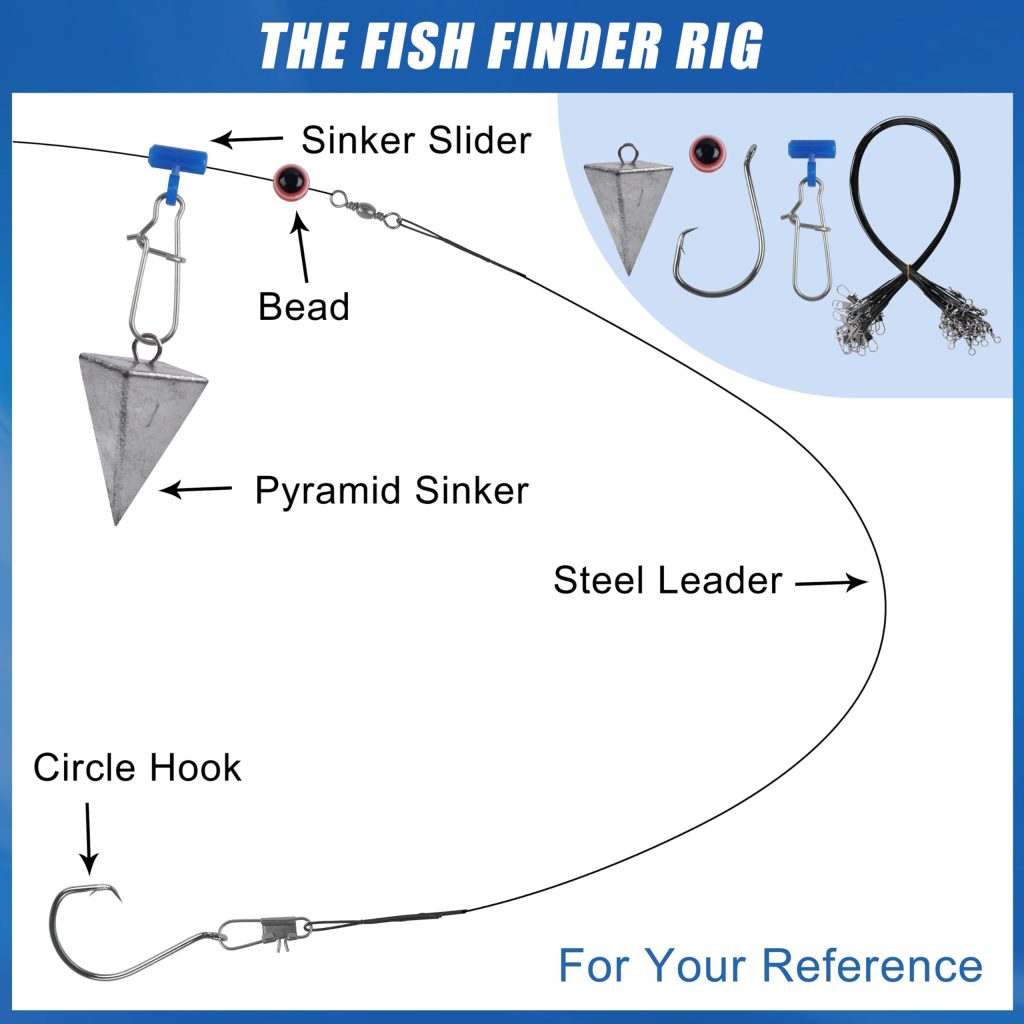
Hooks And Sinkers
Hooks and sinkers play vital roles in fishing. They help in capturing and holding the fish.
| Type | Best Use |
| Circular Hooks | Catching large fish |
| J-hooks | General purpose |
| Sinker | Keeping bait submerged |
Other Useful Accessories
Apart from the basics, some accessories make fishing easier and more fun.
Consider carrying:
- Pliers for hook removal
- A net for landing fish
- A tackle box to organize equipment
Preparing The Fishing Line
Setting up your fishing line properly is important for saltwater fishing. A good setup helps avoid tangles and line breaks.
Preparing the line carefully will improve your fishing experience and increase your chances of catching fish.
Spooling The Reel Correctly
Spooling the reel correctly stops the line from slipping or tangling. Use steady tension while winding the line onto the reel.
Make sure the line is tight and even on the spool. This will help the line come off smoothly when casting.
- Attach the line to the spool with a strong knot.
- Keep light pressure on the line as you wind it.
- Fill the spool to about 80% capacity to avoid overfilling.
Checking For Line Twists
Line twists can cause tangles and knots during fishing. Check the line for twists before and after spooling.
Let the line hang freely and watch if it spins or twists. If it does, untwist it before you start fishing.
- Pull some line off the reel and watch for loops or twists.
- Run the line through your fingers to feel for twists.
- Fix twists by re-spooling or letting the line unwind under tension.
Securing The Line Properly
Securing the line properly prevents it from slipping off the reel when not in use. Use a line clip or tie a stopper knot.
Make sure the line is fastened firmly but not too tight. This keeps the line safe and ready for your next fishing trip.
- Use the reel’s built-in line clip if available.
- Tie a small loop or stopper knot at the end of the line.
- Check that the line is secure before storing the rod.
Tying Strong Knots
Tying strong knots is key to setting up a fishing line for saltwater. The right knot keeps your line from slipping or breaking. It helps you catch fish safely and securely.
Below are some common knot types. Each knot has its own use. Learning these knots will improve your fishing experience.
Improved Clinch Knot
The Improved Clinch Knot is popular for attaching the fishing line to hooks or lures. It is strong and easy to tie. This knot holds well in saltwater conditions.
- Thread the line through the hook eye.
- Wrap the tag end around the standing line five to seven times.
- Pass the tag end through the small loop next to the eye.
- Bring the tag end back through the big loop you just made.
- Moisten the knot and pull tight.
Palomar Knot
The Palomar Knot is strong and works well with braided lines. It keeps the line’s strength intact and is quick to tie.
| Action | Instruction |
| Step 1 | Double about six inches of line and pass it through the hook eye. |
| Step 2 | Tie a loose overhand knot with the doubled line. |
| Step 3 | Pass the hook through the loop of the overhand knot. |
| Step 4 | Pull the doubled line to tighten the knot around the hook. |
| Step 5 | Trim the tag ends close to the knot. |
Loop Knot Techniques
Loop knots give lures more movement in the water. They let the lure swim freely, attracting more fish.
Here are three common loop knots used in saltwater fishing:
- Non-Slip Loop Knot:Strong and holds well under tension.
- Rapala Knot:Easy to tie and creates a big loop.
- Knotless Knot:Used mainly for tying soft plastic lures.
Adjusting Line For Different Conditions
Setting up a fishing line for saltwater needs changes based on conditions. Different water and weather affect your fishing success.
Adjusting your line helps you catch more fish and protects your gear from damage.
Dealing With Currents And Tides
Strong currents and tides can pull your fishing line fast. Use heavier line to keep control and avoid losing fish.
Choose a line that resists abrasion from rocks and debris moved by tides. This will keep your line strong longer.
- Use heavier line in strong currents
- Check line for damage after fishing near rocks
- Adjust your drag to match tide speed
Choosing Line Length
Pick the right line length for the place you fish. Longer lines help in deep water or when casting far.
Shorter lines give more control in close areas like reefs or rocky spots.
- Use 100-200 yards for open water fishing
- Use 50-100 yards near shore or reefs
- Adjust length based on casting distance needed
Handling Rough Weather
Wind and rain make fishing harder. Use strong, visible line to avoid losing fish in rough weather.
Check your line often during storms to avoid tangles and breaks caused by wind and waves.
- Choose braided or heavy monofilament line for strength
- Keep extra line ready in case of breaks
- Use brightly colored line for better visibility in bad weather

Credit: www.amazon.ca
Maintaining Your Fishing Line
Keeping your fishing line in good shape is key for saltwater fishing success. Saltwater can harm your line if you do not care for it properly.
Regular maintenance helps your line last longer and catch more fish. Here are three ways to maintain your fishing line.
Cleaning Saltwater Residue
Saltwater leaves residue that can damage your fishing line. Cleaning it after every trip protects your gear.
- Rinse the line with fresh water gently.
- Use a mild soap if the residue is heavy.
- Dry the line completely before storage.
Inspecting For Damage
Check your fishing line for cuts, abrasions, or weak spots. Damaged line can break easily and lose fish.
| Damage Type | What to Look For | Action |
| Abrasion | Rough or frayed areas | Cut out damaged part or replace |
| Line Twist | Loops or knots forming | Untwist or replace line |
| Discoloration | Faded or cloudy spots | Inspect closely and replace if weak |
Replacing Old Line
Over time, fishing line loses strength and flexibility. Change it regularly to stay safe and fish better.
- Remove the old line from the reel carefully.
- Choose a new line suitable for saltwater use.
- Spool the new line evenly and tightly on the reel.
- Test the line’s tension and knots before fishing.
Tips For Better Saltwater Fishing
Fishing in saltwater needs the right setup for your line. A good setup helps you catch more fish safely.
This guide shares simple tips to improve your saltwater fishing experience.
Casting Techniques
Use smooth and steady motions to cast your line far. Avoid jerky moves to keep the bait in place.
- Hold the rod at a 45-degree angle for distance
- Release the line at the right moment in your cast
- Practice sidearm casts for windy conditions
- Use heavier sinkers to reach deeper water
- Check your line for twists before casting
Setting The Drag
Drag controls the tension on your line. Set it just right to avoid line breaks or losing fish.
| Drag Setting | Purpose |
|---|---|
| Light (10-15% of line strength) | For small fish or light tackle |
| Medium (20-30% of line strength) | General saltwater fishing |
| Heavy (35-50% of line strength) | Big fish or strong currents |
Landing Big Fish
Landing big fish needs patience and careful handling. Use your rod and reel to tire the fish.
Follow these tips to land big fish safely:
- Keep steady pressure without forcing the fish
- Let the fish run if needed to avoid breaking the line
- Use a net or gaff to bring the fish onboard
- Handle the fish with wet hands to protect its skin
- Release the fish quickly if you plan catch and release
Credit: digifolio.me

Credit: fishingbooker.com
Frequently Asked Questions
What Type Of Fishing Line Is Best For Saltwater?
Braided lines are best for saltwater due to strength and abrasion resistance. They handle heavy fish and rough environments well. Monofilament lines offer good stretch and are easier to handle for beginners.
How Do You Attach A Saltwater Fishing Line?
Use a strong knot like the Palomar or improved clinch knot. Make sure to wet the knot before tightening. This prevents slipping and ensures a secure connection to the hook or lure.
How Much Line Should I Spool For Saltwater Fishing?
Spool at least 150 to 300 yards of line for saltwater fishing. This amount allows for long casts and fighting strong fish. Always check your reel’s line capacity and match accordingly.
Should I Use A Leader With Saltwater Fishing Line?
Yes, a fluorocarbon or monofilament leader is recommended. It provides abrasion resistance against sharp teeth and rough surfaces. Leaders also offer better invisibility underwater, increasing your chances of catching fish.
Conclusion
Setting up a fishing line for saltwater can seem tricky at first. Stick to the steps and choose the right gear. Strong lines and good knots help catch bigger fish. Keep your setup neat to avoid tangles and breaks. Practice tying knots until they feel easy.
Remember, patience and care make fishing more fun. Now, you’re ready to enjoy saltwater fishing with confidence.