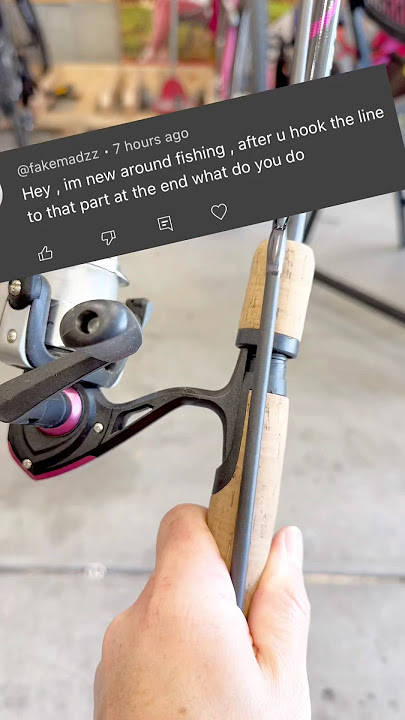
Are you ready to catch more fish but unsure how to set up your gear? Knowing how to string a fishing line properly can make all the difference between a frustrating day and an exciting, successful fishing trip.
Whether you’re a beginner or just need a quick refresher, this guide will walk you through every step in a simple and clear way. By the end, you’ll feel confident and ready to cast your line like a pro. Keep reading, and get ready to boost your fishing skills right now!

Credit: www.amazon.com
Choosing The Right Fishing Line
Choosing the right fishing line is important for a good fishing experience. It affects how far you can cast and how strong your line will be.
This guide helps you pick the best line for your fishing needs. Learn about types, strength, and conditions.
Types Of Fishing Lines
There are three main types of fishing lines: monofilament, fluorocarbon, and braided. Each has its own features.
- Monofilament:Flexible and easy to handle. Good for beginners.
- Fluorocarbon:Hard to see in water. Ideal for clear water fishing.
- Braided:Very strong and thin. Best for heavy cover and long casts.
Selecting Line Strength
Line strength depends on the fish you want to catch. It is measured in pounds and shows the maximum weight the line can hold.
| Fish Type | Recommended Line Strength (lbs) |
| Small fish (e.g., panfish) | 4-8 |
| Medium fish (e.g., bass) | 8-14 |
| Large fish (e.g., pike) | 14-30 |
| Very large fish (e.g., catfish, saltwater species) | 30+ |
Considering Fishing Conditions
Fishing conditions affect the line you should use. Think about water type, weather, and obstacles.
- Clear water:Use thin, invisible lines like fluorocarbon.
- Murky water:Use thicker, colored lines that are easier to see.
- Weedy or rocky areas:Use strong braided lines that resist damage.
- Cold weather:Choose lines that stay flexible in low temperatures.

Credit: www.youtube.com
Gathering Essential Tools
Stringing a fishing line is simple with the right tools. Prepare well to make the process smooth and easy.
Ensure you have all the necessary equipment before you start. This saves time and effort.
Fishing Rod And Reel
Your fishing rod and reel are key components. Choose them based on the type of fishing you plan to do.
Ensure they are in good condition to avoid issues. Clean and check them regularly.
- Check the rod for any damage or cracks
- Ensure the reel is functioning smoothly
- Use the right rod length for your fishing style
Line Spooler And Clippers
A line spooler helps in winding the line onto the reel. It makes the task faster and easier.
Clippers are used to cut the line neatly. This prevents fraying and ensures a clean cut.
- Choose a spooler that fits your reel size
- Use sharp clippers for a clean cut
- Keep clippers in a handy place
Additional Accessories
Consider additional accessories to enhance your fishing experience. These can make stringing and fishing more efficient.
Items like line conditioners, pliers, and a tackle box are useful. They help in maintaining your gear and improving performance.
- Line conditioner keeps the line smooth
- Pliers assist in securing knots
- A tackle box organizes your gear
Preparing The Reel
Preparing your fishing reel is important before stringing a new line. It helps the reel work smoothly and lasts longer.
Follow these steps to get your reel ready for the new fishing line.
Removing Old Line
Start by removing the old fishing line from the reel. This clears space for the new line and prevents tangles.
Unwind the line carefully. Cut it if needed to take it all off the spool.
Cleaning The Reel
Clean the reel to remove dirt and salt that can cause damage. Use a soft cloth and mild soap with water.
Dry the reel well before adding a new line. Check for rust or broken parts and fix them if needed.
Setting The Drag
The drag controls how much resistance the fish feels when pulling the line. Set it right to avoid line breaks.
Turn the drag knob to adjust. Tighten it for strong fish or loosen it for smaller fish.
- Test drag by pulling the line by hand
- Adjust to feel smooth resistance
- Do not set too tight or too loose
Attaching The Line To The Reel
Attaching the fishing line to the reel is the first step in setting up your fishing gear. Doing it right ensures smooth casting and reduces problems later.
This guide covers how to secure the line, spool it properly, and avoid common issues like line twist.
Securing The Line To The Spool
Start by threading the line through the reel guides. Tie the line to the spool using a strong knot. The Arbor knot is a popular choice because it holds well and is easy to tie.
- Wrap the line around the spool once.
- Tie an overhand knot around the main line.
- Tighten the knot firmly against the spool.
- Trim any extra line close to the knot.
Spooling The Line Properly
Proper spooling keeps the line tight and ready for casting. Hold the line with light tension as you turn the reel handle. Fill the spool until it is about 1/8 inch from the edge.
| Common Spooling Problems | Effect | Fix |
| Too loose | Line tangles easily | Keep steady tension |
| Overfilled spool | Line slips off | Stop filling early |
| Uneven layering | Snags and knots | Guide line evenly |
Avoiding Line Twist
Line twist causes casting problems and weakens the line. To reduce twist, avoid letting the line spin freely off the spool. Use a swivel if needed to stop twisting.
- Check that the reel is spooling the line in the correct direction.
- Keep tension on the line while spooling.
- Use a swivel when tying the lure or hook.
- Let out slack line slowly when casting.
Threading The Line Through Guides
Threading the fishing line through the guides is an important step in setting up your fishing rod. It helps the line run smoothly and prevents tangles.
Take your time to thread the line carefully. Doing this right improves your casting and fishing experience.
Identifying The Guides
Fishing rods have several guides along the length. These are small rings attached to the rod. They help control the line during casting and retrieval.
The largest guide is near the rod handle. The guides get smaller as they go toward the tip. Make sure you know where each guide is before threading.
Feeding The Line Correctly
Start by passing the line through the largest guide closest to the reel. Pull the line through each guide one by one until you reach the tip.
Keep the line tight but do not force it. This helps the line slide easily through each guide.
- Hold the rod steady with one hand
- Use your other hand to feed the line
- Pass the line smoothly through each guide
- Check that the line is not twisted
Checking For Snags
After threading, pull the line gently to check for any snags. Snags can cause the line to catch or break during use.
Look closely at each guide to see if the line moves smoothly. If you find a snag, try re-threading the line carefully.
- Inspect each guide for dirt or damage
- Make sure the line is not caught on guide edges
- Replace damaged guides to avoid line breaks
Tying The Hook Or Lure
Tying the hook or lure securely is key for a good fishing experience. A strong knot keeps the hook in place and helps catch fish.
Learn some popular knots and tips to tie them well. Testing your knot strength helps avoid losing fish.
Popular Fishing Knots
Several knots work well for tying hooks or lures. Each knot has its own strength and ease of tying.
- Improved Clinch Knot: Simple and strong, good for most lines.
- Palomar Knot: Easy to tie and very reliable.
- Loop Knot: Allows the lure to move freely.
Knot-tying Tips
Use these tips to tie better knots. Practice makes the knot stronger and neater.
- Wet the line before tightening to reduce friction.
- Pull the knot slowly and evenly for a firm hold.
- Trim excess line close to the knot but not too close.
- Practice tying knots with different line types.
Testing Knot Strength
Always check your knot before fishing. A weak knot can break and lose the fish.
- Pull hard on the hook to feel if the knot slips.
- Look for any loose or uneven wraps in the knot.
- Retie the knot if it feels weak or slips.
- Test knots regularly, especially after catching fish.
Final Line Adjustments
After stringing your fishing line, it is important to make final adjustments. These steps help ensure your line works well and lasts longer.
Focus on trimming excess line, setting the right tension, and checking for any damage before you start fishing.
Trimming Excess Line
Cut off the extra line close to the knot. Leaving too much line can cause tangles or catch on weeds and rocks.
- Use sharp scissors or line cutters
- Leave about 1/8 inch of line after the knot
- Make a clean, straight cut to avoid fraying
- Check for any loose ends and secure them if needed
Setting Line Tension
Proper tension keeps your line tight and ready for casting. Too loose or too tight can cause problems.
| Tension Level | Effect |
| Too Loose | Line may tangle or snag easily |
| Correct Tension | Line stays straight and strong |
| Too Tight | Line may break or pull knots loose |
Inspecting For Damage
Look over the entire length of your line to find any nicks, frays, or weak spots. Damaged line can break during fishing.
Check these areas carefully:
- Near the knot where line is tied
- Along the length of the line for scratches
- At the eyelets of the rod
- Where line rubs against the reel
Maintenance Tips For Longevity
Keeping your fishing line in good shape helps you catch more fish. Proper care stops damage and extends the line’s life.
Simple maintenance steps protect your fishing gear and save money over time. Follow these tips to keep your line strong and ready.
Cleaning The Line
After fishing, rinse the line with fresh water. This removes dirt, salt, and debris that can weaken the line.
- Use a soft cloth to wipe the line gently.
- Check for any small cuts or nicks.
- Dry the line completely before storing.
Storing The Rod And Reel
Store your rod and reel in a cool, dry place. Avoid places with high heat or humidity to prevent damage.
| Storage Tip | Reason |
| Keep away from direct sunlight | UV rays weaken the line and rod |
| Loosen the drag on the reel | Prevents stress on the line and reel parts |
| Hang the rod vertically | Avoids bending or warping |
Replacing Line When Needed
Change your fishing line if it shows wear or after many uses. Old lines break easily and reduce fishing success.
- Inspect the line for frays and weak spots.
- Remove the old line from the reel carefully.
- Spool new line evenly without twists.
- Tighten the line to avoid slack during casting.
- Test the line strength before fishing.
Credit: www.merckmanuals.com
Frequently Asked Questions
How Do I Choose The Right Fishing Line?
Select a fishing line based on your target fish and fishing style. Consider line strength, material, and visibility. Monofilament is versatile, fluorocarbon is less visible, and braided lines offer high strength. Match line weight to your rod for better casting and durability.
What Are The Basic Steps To String A Fishing Line?
Start by attaching the line to the reel spool with a secure knot. Thread the line through all rod guides. Wind the line evenly onto the spool, maintaining tension. Finally, tie the hook or lure to complete the setup.
How Tight Should The Fishing Line Be On The Spool?
Keep the line firm but not overly tight on the spool. Proper tension prevents tangles and line twist. Apply light pressure while winding to ensure smooth, even layering. Avoid over-tightening to protect the reel’s drag system.
When Should I Replace My Fishing Line?
Replace your fishing line after noticeable wear, fraying, or memory issues. Regular replacement improves casting performance and reduces breakage risk. Also, change line after heavy catches or exposure to harsh conditions like saltwater.
Conclusion
Stringing a fishing line takes some practice but is simple. Start by choosing the right line for your rod and reel. Tie the knot tightly to avoid losing fish. Check the line for any twists or damage before fishing. Keep your gear clean and ready for your next trip.
With patience, you will get better each time. Enjoy fishing and stay safe near the water. Now you know how to string a fishing line properly. Give it a try on your next fishing adventure!