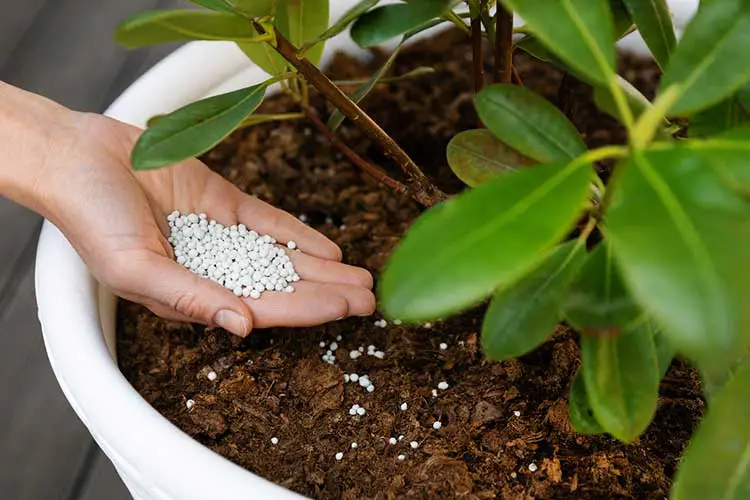
Have you ever wondered if the plant food sitting in your garage still works? You want your plants to thrive, but using old or expired plant food might do more harm than good.
Knowing whether plant food expires can save you time, money, and keep your green friends healthy. You’ll discover the truth about plant food shelf life and how to spot if yours is still good to use. Keep reading to make sure your plants get the best care possible!
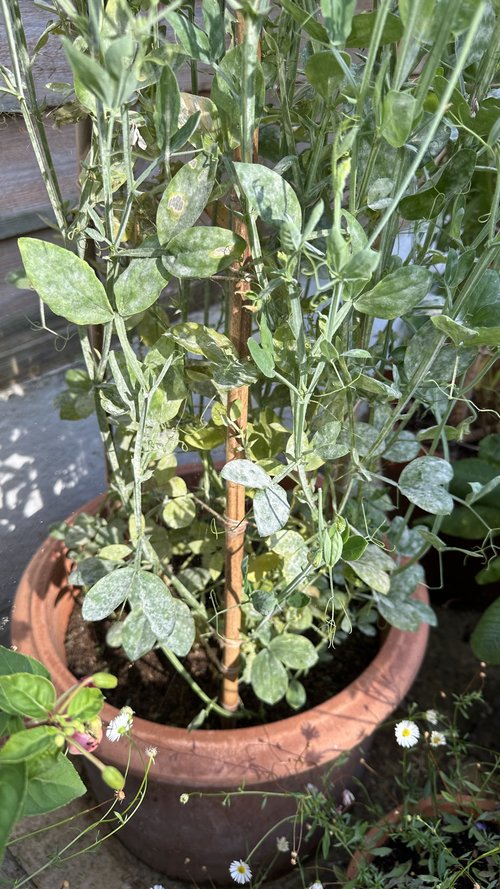
Credit: meadowlarkjournal.com
Shelf Life Of Plant Food
Plant food provides essential nutrients for healthy plant growth. Like many products, plant food can expire over time. Knowing the shelf life helps gardeners use it effectively.
The shelf life depends on the type of plant food and storage conditions. This guide explains the main types of plant food and factors that affect their longevity.
Types Of Plant Food
Plant food comes in many forms. Each has a different shelf life based on its ingredients and packaging.
- Granular Fertilizers:These dry pellets last longer if kept dry and sealed.
- Liquid Fertilizers:These usually expire faster due to water content and microbes.
- Organic Plant Food:Made from natural materials, these may degrade quicker than synthetic ones.
- Slow-Release Fertilizers:Designed to release nutrients slowly, their effectiveness can drop after expiration.
Factors Affecting Longevity
Several factors influence how long plant food stays good. Proper storage is key to extending shelf life.
| Factor | Effect on Plant Food |
| Moisture | Can cause clumping or spoilage, especially in granular and organic types. |
| Temperature | High heat can break down nutrients and reduce effectiveness. |
| Light Exposure | Sunlight may degrade some liquid fertilizers and organic materials. |
| Air Exposure | Opens the package to air, causing oxidation and nutrient loss. |

Credit: sowtrueseed.com
Signs Of Expired Plant Food
Plant food helps plants grow strong and healthy. But like many products, plant food can expire. Knowing the signs of expired plant food is essential to keep your plants thriving.
Expired plant food may not work well and could harm plants. Check for these signs to ensure your plant food is still good to use.
Changes In Texture And Smell
Expired plant food often changes in texture. It might become clumpy or hard. This makes it difficult to mix with water.
Smell is another clue. Fresh plant food usually has a neutral or mild smell. If it smells bad or strong, it might be expired.
- Clumpy or hard texture
- Strong or unpleasant smell
Reduced Nutrient Effectiveness
Expired plant food may not provide the nutrients plants need. This affects plant growth and health.
Plants may show signs of nutrient deficiency. Leaves might turn yellow or brown. Growth could slow down or stop.
- Yellowing leaves
- Slower plant growth
Storage Tips To Prolong Freshness
Plant food can lose its effectiveness over time. Proper storage helps keep it fresh longer. This guide shares tips to store plant food well.
Good storage stops moisture, heat, and air from damaging the nutrients. It also prevents clumping and spoilage.
Ideal Storage Conditions
Keep plant food in a cool, dry place. Avoid spots with direct sunlight or high humidity. These can break down the nutrients quickly.
Use airtight containers to block air and moisture. Label containers with the date you opened or bought the plant food. This helps track its freshness.
- Store at temperatures between 50°F and 70°F (10°C to 21°C)
- Keep away from sunlight and heat sources
- Use airtight, sealed containers
- Place in a dry location with low humidity
- Label containers with the purchase or opening date
Common Storage Mistakes
Many people store plant food in damp or hot places. This causes clumping and nutrient loss. Avoid storing it near water or heat.
Using open bags or containers lets air and moisture inside. This shortens the life of your plant food. Also, mixing old and new plant food can reduce its quality.
- Leaving bags open after use
- Storing in humid or wet areas
- Keeping near heat sources like heaters or ovens
- Mixing fresh plant food with old leftovers
- Ignoring expiration or purchase dates
Using Expired Plant Food Safely
Plant food, or fertilizer, helps plants grow strong and healthy. But plant food can expire over time.
Using expired plant food needs care to avoid harming your plants. Learn how to use it safely.
Risks Of Using Old Fertilizer
Old fertilizer may lose its nutrients. This means your plants might not get the food they need.
Expired fertilizer can also change in texture or smell. This can harm plant roots or stop growth.
- Reduced nutrient strength
- Possible mold or clumps
- Damage to plant roots
- Uneven feeding of plants
When To Replace Plant Food
Check the expiration date on the package. Replace plant food if it is past this date.
Also replace fertilizer if it looks or smells bad. Clumps or mold mean it is no longer good.
- Expired beyond printed date
- Fertilizer smells sour or rotten
- Clumps or hard lumps form
- Color changes from original
Natural Vs. Synthetic Plant Food Expiry
Plant food helps plants grow strong and healthy. Natural and synthetic types feed plants in different ways. Each type also has a different shelf life. Knowing this helps you use plant food safely and well.
This article looks at the differences in shelf life and the impact on plant growth for natural and synthetic plant food.
Differences In Shelf Life
Natural plant food comes from organic materials like compost or manure. It breaks down over time and can lose nutrients faster. Synthetic plant food uses man-made chemicals. It usually lasts longer if stored right.
| Type of Plant Food | Typical Shelf Life | Storage Needs |
| Natural | 6 months to 1 year | Cool, dry place |
| Synthetic | 1 to 3 years | Sealed container, dry area |
Impact On Plant Growth
Expired plant food may not work well. Natural plant food that is old can lose nutrients and harm soil life. Synthetic food can form clumps or lose chemicals. Both types can reduce plant growth if used past expiry.
- Natural food supports soil health but fades quickly.
- Synthetic food feeds plants fast but may build up salts.
- Fresh plant food always gives the best results.
- Check expiry dates to avoid harming plants.
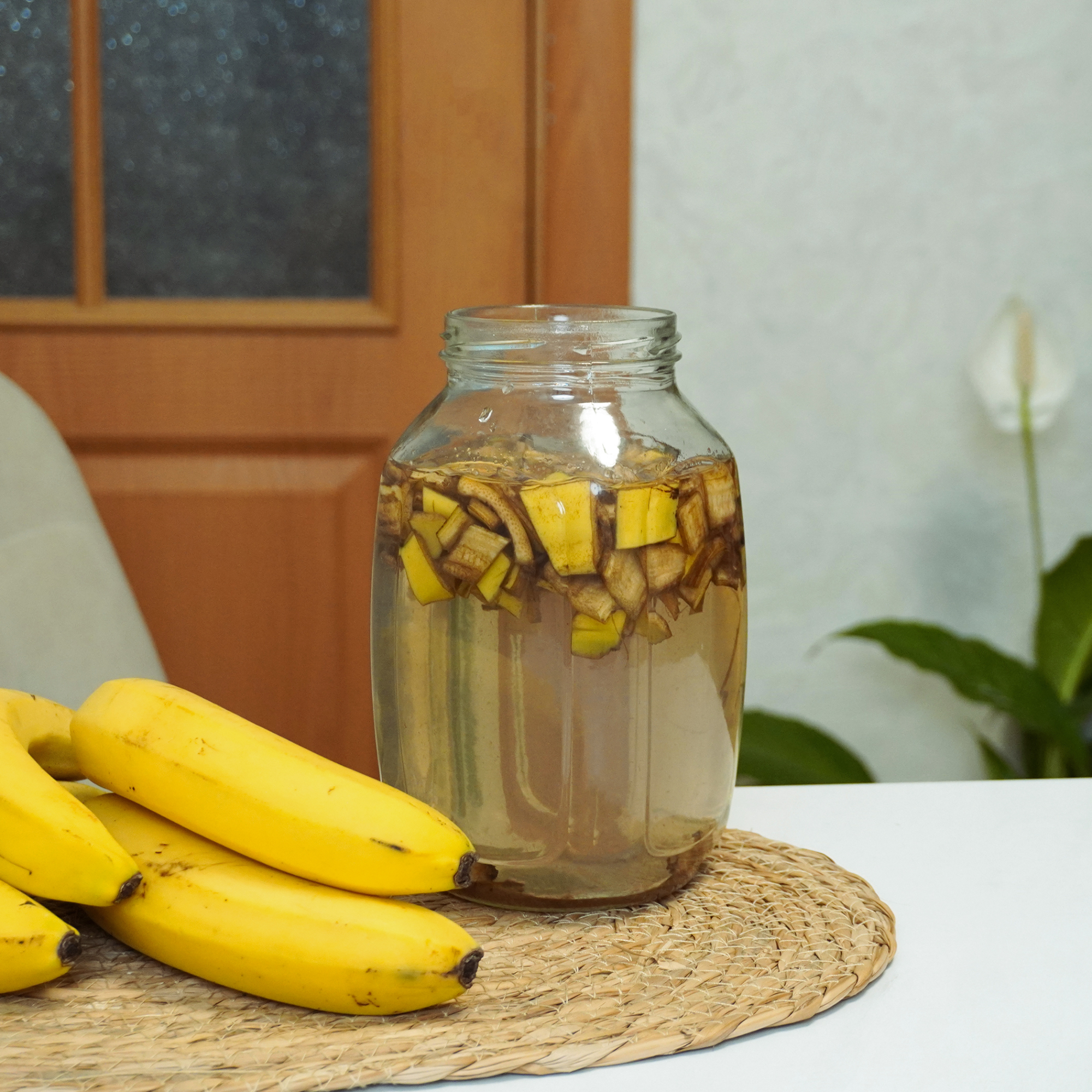
Credit: www.gardeningknowhow.com
Buying And Handling Plant Food
Plant food helps plants grow strong and healthy. Buying fresh plant food is important for good results.
How you handle plant food affects its quality. Keep plant food fresh by storing it well and using it on time.
Choosing Fresh Products
Look for plant food with a clear expiration date on the package. Fresh plant food works better and is safer for plants.
Avoid products that show signs of damage, such as leaks or clumps. These can mean the plant food is old or spoiled.
- Check the expiration or best-by date
- Choose sealed and undamaged packages
- Pick products stored in cool, dry places
- Buy from trusted sellers to ensure quality
Transport And Handling Tips
Carry plant food carefully to avoid spills or damage. Keep the containers upright and secure during transport.
Store plant food in a cool, dry place after buying. Avoid exposure to sunlight and moisture to keep it fresh longer.
- Use a sturdy bag or box for transport
- Keep containers sealed tightly
- Store away from heat and humidity
- Do not mix old and new plant food
Frequently Asked Questions
Does Plant Food Have An Expiration Date?
Yes, plant food does expire. Over time, its nutrients break down, reducing effectiveness. Always check the package for a best-before date.
How To Tell If Plant Food Is Expired?
Expired plant food may clump, change color, or lose smell. If it looks or smells off, it’s best to discard it.
Can Expired Plant Food Harm Plants?
Using expired plant food is unlikely to harm plants but may not provide needed nutrients. Fresh fertilizer ensures optimal plant growth.
How Long Does Liquid Plant Food Last?
Liquid plant food typically lasts 1 to 2 years unopened. Once opened, use it within 6 months for best results.
Conclusion
Plant food can lose its strength after some time. Using old plant food might not help your plants grow well. Store it in a cool, dry place to keep it fresh longer. Check the package for any expiration date before use.
Fresh plant food gives your plants the best chance to thrive. Remember, good care includes feeding plants with effective nutrients. Keep your garden healthy by using plant food wisely. Simple steps make a big difference in plant growth.