Are you ready to find the perfect climbing shoes but don’t know where to start? Choosing the right pair can make all the difference in your grip, comfort, and overall climbing experience.
You want shoes that fit like a glove, support your feet on tricky moves, and help you climb with confidence. But with so many options out there, how do you pick the ones made just for you? Keep reading, and you’ll discover exactly what to look for so your next climb feels smoother and more powerful than ever before.

Credit: www.treelinereview.com
Types Of Climbing Shoes
Choosing the right climbing shoes depends on how you climb and what feels best. Different types fit various climbing styles and foot shapes. Knowing the types helps you pick shoes that support your climbing goals.
Climbing shoes mainly come in three types: neutral, moderate, and aggressive. Each type has unique features for comfort, precision, and power. Let’s explore these types to understand which one suits you.
Neutral Shoes
Neutral climbing shoes have a relaxed fit and flat soles. They provide comfort for long climbs or beginners. These shoes are good for all-day wear and offer less foot strain.
- Comfort is the top priority
- Flat soles for natural foot position
- Best for beginners and crack climbing
- Usually have a wider toe box
Moderate Shoes
Moderate shoes have a slight curve and more aggressive shape than neutral shoes. They balance comfort and precision. These shoes work well for sport climbing and indoor walls.
| Feature | Moderate Shoes |
| Shape | Slightly downturned |
| Use | Sport climbing, gym climbing |
| Comfort | Moderate, can be worn for hours |
| Precision | Good for edging and small holds |
Aggressive Shoes
Aggressive climbing shoes have a strong downturned shape. They concentrate power on the toes for steep and technical climbs. These shoes fit tight and help on overhangs and tiny footholds.
- Very downturned shape for toe power
- Tight fit for precision
- Best for bouldering and sport climbing
- Not made for long wear or comfort
Key Features To Consider
Choosing the right climbing shoes can improve your climbing experience. Consider key features to find the best pair for your needs.
Here are important factors to help you choose the right climbing shoes. These include fit, material, closure systems, and sole thickness.
Fit And Comfort
A good fit is crucial for climbing shoes. They should feel snug but not painful.
Comfort affects performance. Try different sizes and brands to find the best fit.
- Ensure toes are slightly curled inside the shoe
- Avoid shoes that cause numbness or pain
- Consider trying shoes in the afternoon when feet are slightly larger
Material And Construction
Climbing shoes are made from leather or synthetic materials. Leather stretches over time, offering a custom fit.
Synthetic materials maintain their shape. Consider the material that suits your climbing style.
- Leather shoes adjust better to foot shape
- Synthetic shoes are often more breathable
- Check for durable stitching and construction
Closure Systems
Closure systems affect how quickly you can put on and take off shoes. Choose between laces, Velcro, or slip-ons.
Laces offer a custom fit, while Velcro provides convenience. Slip-ons are easy but may not fit as tightly.
- Laces allow fine-tuning for comfort
- Velcro is quick and easy to adjust
- Slip-ons are great for bouldering
Sole Thickness And Rubber
Sole thickness impacts sensitivity and durability. Thinner soles offer better feel, while thicker soles last longer.
The rubber compound affects grip. Softer rubber provides better grip but wears out faster.
- Thin soles are ideal for technical climbing
- Thick soles are suitable for beginners
- Softer rubber suits indoor climbing
Matching Shoes To Climbing Style
Choosing the right climbing shoes depends on the type of climbing you do. Different styles need different shoe features.
Picking shoes that fit your climbing style helps improve comfort and performance on the rock.
Bouldering
Bouldering shoes are usually aggressive and downturned. This shape helps you use small footholds better.
They fit snugly to give precision and power on short, powerful moves.
- Downturned shape for toe power
- Tight fit for precision
- Sticky rubber for grip
- Less padding for sensitivity
Sport Climbing
Sport climbing shoes balance comfort and performance. They often have a moderate curve.
This shape helps you climb longer routes while still edging well on small holds.
- Moderate downturn for support
- Comfortable fit for longer climbs
- Good rubber for edging
- Flexible enough for varied moves
Trad Climbing
Trad climbing shoes focus on comfort and durability. They are usually flat or slightly curved.
These shoes protect your feet during long climbs and gear placements.
- Flat or mild curve for comfort
- Sturdy materials for durability
- Thicker soles for protection
- Secure fit for stability
Indoor Climbing
Indoor climbing shoes can be more flexible and comfortable. The walls are less harsh than outdoors.
You can choose shoes with a mix of comfort and performance for training and fun.
- Moderate fit for comfort
- Good rubber for slippery holds
- Flexible for various problems
- Easy to put on and take off
Sizing Tips And Tricks
Choosing the right climbing shoes is key for comfort and performance. The right size helps you climb better and avoid injuries.
Use these tips to find shoes that fit well and feel good on your feet.
Measuring Your Feet
Measure your feet at the end of the day for best accuracy. Feet tend to swell after walking or standing.
- Place your foot on a piece of paper.
- Trace the outline with a pencil held straight.
- Measure the length from heel to longest toe.
- Measure the width at the widest part.
- Compare measurements with the shoe brand’s size chart.
Trying On Different Brands
Each brand fits differently. Some run small, others run large or narrow. Trying many helps find your best fit.
| Brand | Fit Style | Tip |
| Brand A | Snug | Choose half size up if wide feet |
| Brand B | Roomy | Go down a size for better grip |
| Brand C | Narrow | Try wider model if foot is wide |
Breaking In New Shoes
New climbing shoes feel tight at first. Breaking them in softens the material and shapes them to your foot.
- Wear the shoes at home for short periods.
- Use them on easy climbs to avoid pain.
- Stretch the shoes gently if too tight.
- Be patient; shoes will fit better after a few uses.
Common Fit Problems
Choosing the right climbing shoes is important for comfort and performance. Many climbers face fit problems that affect their experience. This guide explains common issues to watch for.
Understanding fit problems helps you find shoes that feel good and support your climbing style. Pay attention to how the shoes fit in different areas of your feet.
Too Tight Or Too Loose
Shoes that are too tight cause pain and numbness. Shoes that are too loose reduce control and can cause blisters. Finding the right balance is key.
- Tight shoes may pinch toes and hurt after long climbs.
- Loose shoes let your foot slide, reducing grip on holds.
- Try shoes on with climbing socks or barefoot, based on your preference.
- Test walking and climbing moves to check fit before buying.
Heel Slippage
Heel slippage happens when your heel lifts inside the shoe. This reduces power and control on steep walls. Heel fit is important for secure climbing.
| Cause | Effect | Fix |
| Shoes too big in heel | Heel lifts and slips | Try smaller size or different brand |
| Heel cup shape not right | Poor heel hold | Look for shoes with snug heel cups |
| Worn heel straps | Less heel grip | Adjust or replace straps if possible |
Toe Box Issues
The toe box holds your toes in place. Too small causes pain and curling. Too big lets toes move and reduces precision.
Tips to avoid toe box problems:
- Check that toes lie flat or slightly curled without pressure points.
- Avoid shoes that force toes into unnatural positions.
- Try different shapes if you have wide or narrow feet.
- Wear shoes for short periods first to break them in gently.
Credit: www.climbing.com
Popular Climbing Shoe Brands
Choosing the right climbing shoes is important for your comfort and performance. Many brands offer different styles and fits.
Here are some popular climbing shoe brands to consider. Each brand has unique features and designs.
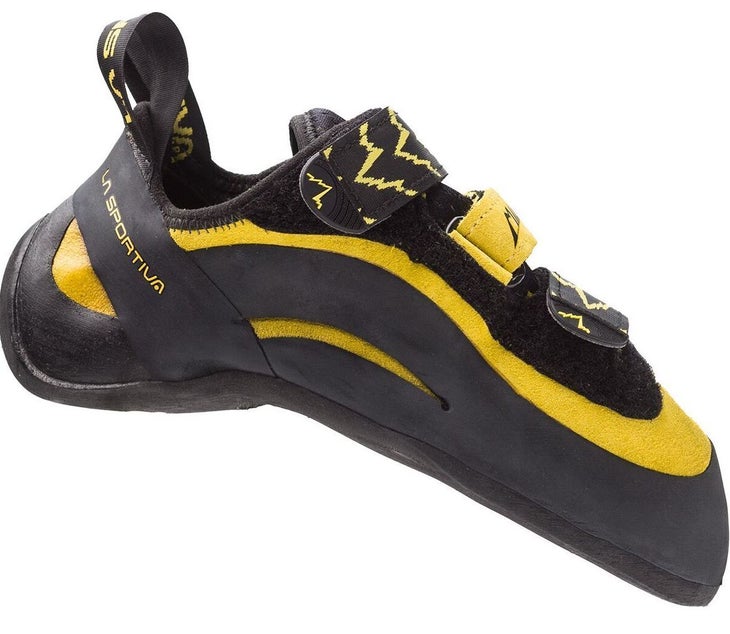
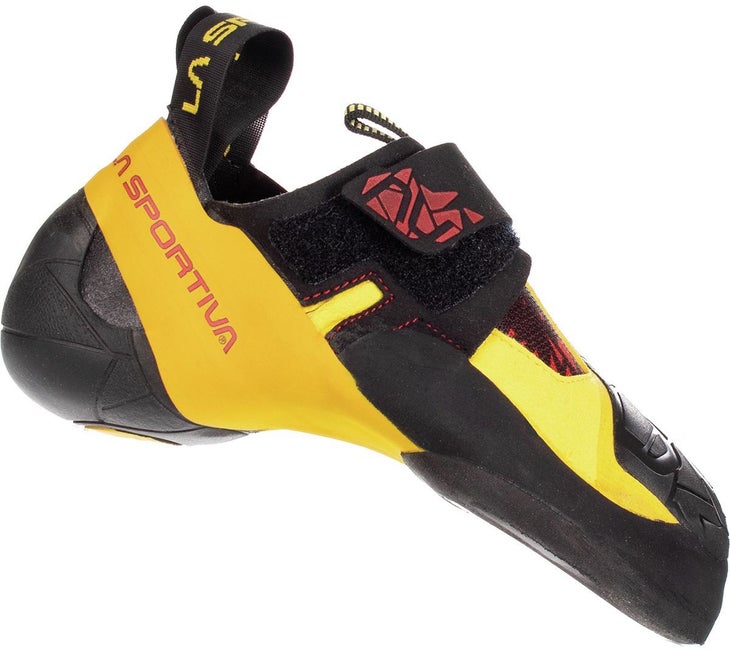
La Sportiva
La Sportiva is known for its quality and innovation. Their shoes often fit snug and support aggressive climbing.
The brand offers models for beginners and experts. They use durable materials and strong rubber soles.
- Good for steep and technical climbs
- Variety of shapes for different foot types
- Popular models: Miura, Katana, and Tarantula
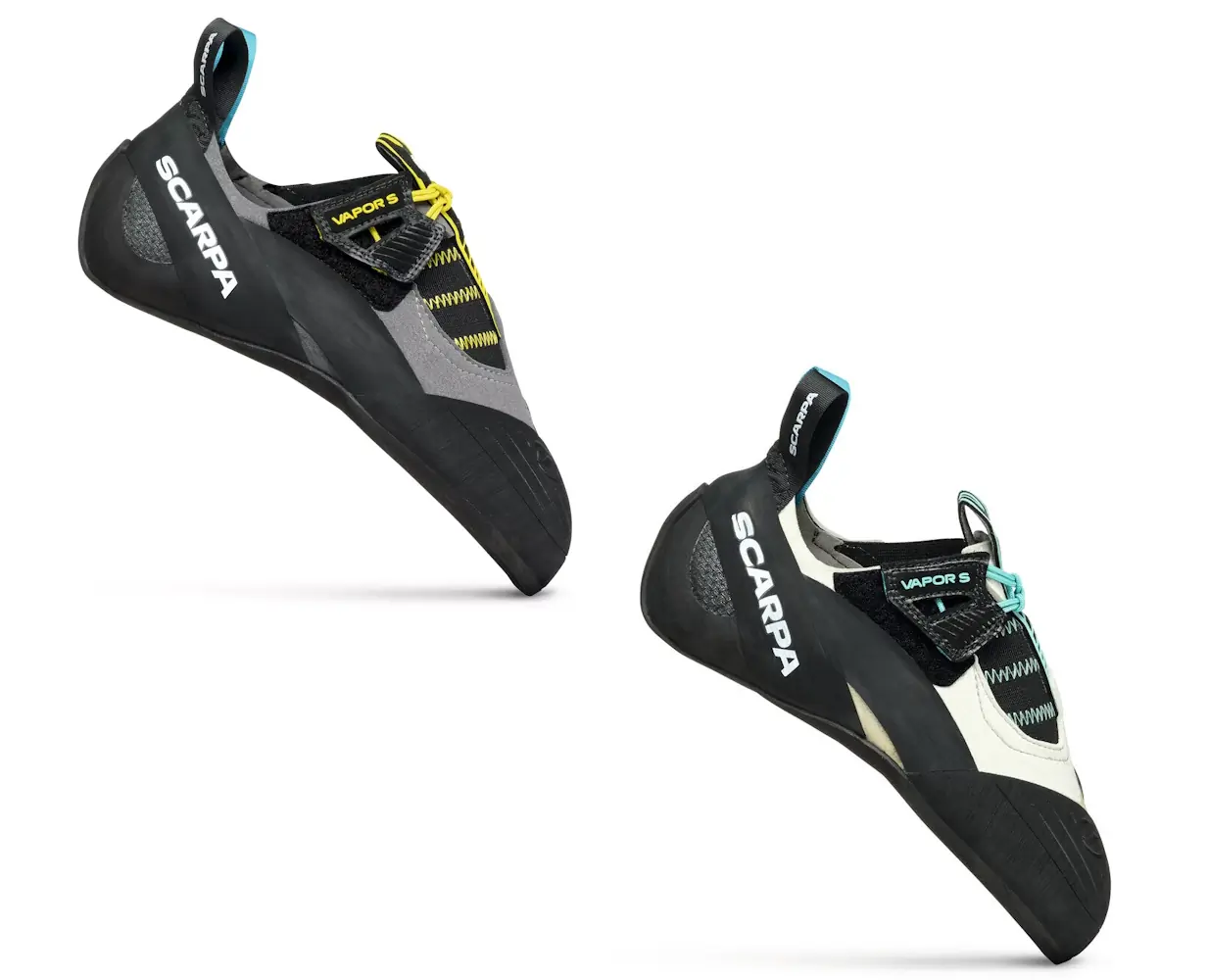
Scarpa
Scarpa makes climbing shoes that balance comfort and performance. Their shoes often have a softer feel.
They produce shoes for many climbing styles, including bouldering and trad climbing.
- Comfortable for long climbs
- Good heel and toe grip
- Popular models: Instinct, Drago, and Vapor
Five Ten
Five Ten is famous for its sticky rubber soles. This helps climbers stick better on small edges.
The brand offers shoes with different fits, from relaxed to aggressive.
- Excellent grip on rock surfaces
- Durable and long-lasting soles
- Popular models: Anasazi, Dragon, and Hiangle
Evolv
Evolv makes climbing shoes that are beginner-friendly and affordable. They focus on comfort and ease of use.
The shoes are good for indoor climbing and casual outdoor use.
- Good value for price
- Comfortable fit for longer climbs
- Popular models: Defy, Shaman, and Elektra
Caring For Your Climbing Shoes
Climbing shoes need care to keep them working well. Good care helps your shoes last longer and feel better.
Cleaning and checking your shoes often keeps them ready for your next climb. Learn how to care for your climbing shoes here.
Cleaning And Maintenance
After each use, clean dirt and sweat from your shoes. Dirt can wear out the rubber and fabric.
Use a soft brush or cloth to remove dirt. Avoid soaking shoes in water because it can damage materials.
- Air dry shoes after climbing, avoid direct sunlight
- Use a shoe deodorizer or baking soda to reduce odor
- Check and tighten velcro straps or laces
- Store shoes in a cool, dry place
When To Replace Shoes
Replace your climbing shoes when they lose grip or fit poorly. Worn rubber makes climbing harder and unsafe.
Look for holes, tears, or loose soles. Shoes that cause pain might need replacing or resole.
- Rubber worn thin or smooth
- Holes or tears in the shoe fabric
- Loose or separated soles
- Shoes feel loose or uncomfortable
Credit: gearjunkie.com
Frequently Asked Questions
What Are The Best Climbing Shoes For Beginners?
Beginner climbing shoes prioritize comfort and fit. Look for shoes with a flat sole and moderate stiffness. Avoid aggressive designs. Brands like La Sportiva and Scarpa offer excellent beginner options. Proper fit prevents pain and improves climbing performance.
How Do I Choose Climbing Shoes For Different Terrains?
Select shoes based on climbing type: bouldering needs aggressive, tight shoes. Sport climbing benefits from moderate stiffness. For trad climbing, comfort and durability matter most. Consider sole thickness and closure type for terrain adaptability.
Should I Buy Climbing Shoes With Velcro Or Laces?
Velcro shoes are convenient for quick on-off, ideal for bouldering. Lace-up shoes offer a customized fit, better for long climbs. Choose based on comfort, climbing style, and personal preference. Both types provide good performance when fitted properly.
How Important Is Shoe Fit In Climbing Performance?
Shoe fit is critical for precision and comfort. A snug fit enhances control on footholds. Avoid shoes that cause pain or numbness. Properly fitted shoes improve safety and climbing efficiency. Always try shoes on before purchasing.
Conclusion
Choosing the right climbing shoes matters a lot. Comfort and fit should always come first. Think about the type of climbing you enjoy most. Different shoes suit different styles and skill levels. Trying shoes on before buying helps find the best match.
Remember, the right shoes improve your grip and confidence. Take your time to decide. Your feet will thank you on every climb. Keep these tips in mind for a safe and fun experience. Happy climbing!