Getting your raised garden beds ready for planting can make all the difference between a thriving garden and a frustrating patch of soil. If you want your plants to grow strong and healthy, proper preparation is key.
In this guide, you’ll discover simple steps you can take to prepare your raised beds so they’re packed with nutrients, well-drained, and ready to support your favorite flowers or veggies. Keep reading, and you’ll learn how to set your garden up for success from the very start.
Choosing The Location
Picking the right spot for your raised garden beds helps plants grow well. The location affects sunlight, water, and ease of care.
Think about how much light the area gets, how water drains, and how easy it is to reach your garden.
Sunlight Requirements
Most vegetables and flowers need at least six hours of direct sunlight each day. Choose a place that is not shaded by trees or buildings.
Observe the area during the day to see how sunlight moves. Avoid spots with too much shade for healthy plants.
Soil Drainage
Good drainage stops water from pooling around your plants. Raised beds help with drainage, but the location matters too.
| Soil Condition | Effect on Plants |
| Well-drained soil | Roots get enough air and water |
| Poor drainage (clay soil) | Roots may rot and plants suffer |
| Waterlogged areas | Plants may drown or die |
Accessibility
Place beds where you can easily reach them for planting, watering, and harvesting. Avoid spots that are hard to reach or crowded.
- Keep paths clear and wide enough for tools or wheelbarrows
- Make sure the area is safe and free of obstacles
- Consider placing beds near a water source for easy irrigation

Credit: www.thegardenacademy.com
Selecting Materials
Preparing raised garden beds is important for a healthy garden. The right materials ensure durability and sustainability.
Choosing the right materials can affect the growth of your plants. Consider wood, metal, and composite options, as well as the right soil and amendments.
Wood Options
Wood is a popular choice for raised beds due to its natural look. It is easy to work with and widely available.
- Cedar: Naturally rot-resistant and durable.
- Pine: More affordable but may require treatment.
- Redwood: Offers durability and a beautiful finish.
Metal And Composite Choices
Metal and composite materials are great for long-lasting garden beds. They require less maintenance than wood.
Consider using corrugated metalfor a modern look or composite boardsfor eco-friendly options.
Soil And Amendments
The right soil mix is key for plant growth. Amendments improve soil quality by adding nutrients.
| Soil Type | Benefits |
| Loamy | Good drainage and fertility |
| Sandy | Improves drainage |
| Clay | Retains moisture |
Building The Bed Frame
Building a strong frame is the first step to a successful raised garden bed. The frame holds soil and plants in place. It also defines the garden’s shape and size.
Use durable materials and follow careful steps to create a lasting frame. This guide covers measuring, cutting, assembling, and securing the frame.
Measuring And Cutting
Measure the area where you want the garden bed. Decide the length, width, and height of the frame. Use a tape measure for accuracy.
- Mark the wood pieces based on your measurements.
- Use a saw to cut the wood along the marks.
- Sand the edges to remove splinters.
Assembling The Frame
Lay the cut wood pieces on a flat surface. Arrange them into the shape of the bed. Corners should line up evenly.
| Part | Description | Tip |
|---|---|---|
| Side Boards | Two long pieces forming length | Check for straightness before use |
| End Boards | Two short pieces forming width | Ensure corners meet at right angles |
| Corner Supports | Optional braces inside corners | Use for extra frame strength |
Fasten the boards together using screws or nails. Start by attaching the end boards to the side boards. Use a square to keep corners at 90 degrees.
Securing The Structure
Secure the frame to make it steady and safe. This step helps the bed hold soil without shifting.
- Drive stakes into the ground at each corner.
- Attach the frame sides to the stakes with screws.
- Add corner braces inside the frame for extra support.
- Check that the frame is level before filling with soil.
Preparing The Site
Preparing the site is key before you plant in raised garden beds. A good base helps plants grow strong.
This guide covers clearing the area, leveling the ground, and installing weed barriers.
Clearing The Area
Remove grass, weeds, and debris from where you want your raised bed. This stops unwanted plants from growing under your bed.
Use a shovel or garden hoe to dig up the roots. Make sure the area is clean and free of large rocks.
Leveling The Ground
Level ground keeps your raised bed steady and water balanced. Uneven beds can cause water to pool or run off.
- Use a rake to smooth the soil surface.
- Check the level with a carpenter’s level or a flat board and a small level tool.
- Add or remove soil to fix low or high spots.
- Compact the soil slightly to keep it firm.
Installing Weed Barriers
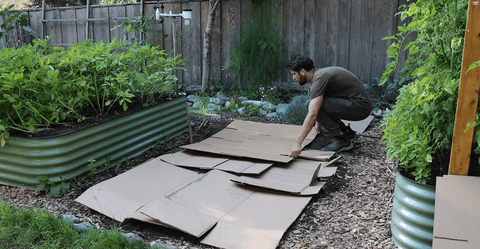
Weed barriers stop weeds from growing up into your raised bed. They also keep soil from washing away.
| Material | Advantages | Considerations |
|---|---|---|
| Landscape Fabric | Allows water flow, blocks weeds | Needs secure edges |
| Cardboard | Biodegradable, easy to find | Breaks down quickly |
| Newspaper Layers | Recycles paper, blocks light | Must be thick and moist |
Lay the barrier flat on the cleared and leveled ground. Cut it to fit your bed size and secure edges with pins or soil.
Filling The Bed
Filling a raised garden bed is an important step before planting. It gives your plants a healthy start.
You need to use the right materials and arrange them carefully. This helps plants grow strong roots.
Layering Materials
Start by adding different layers inside the bed. Each layer has a special role for the soil health.
Use coarse materials at the bottom and finer soil on top to help with water flow and root growth.
- Place sticks or small branches at the bottom
- Add leaves or grass clippings on top of sticks
- Cover with a thin layer of soil before adding compost
Adding Compost And Soil
Use compost to give your garden bed nutrients. Compost helps plants grow healthy and strong.
Mix compost with good quality soil. This mix creates a rich environment for your plants.
- Fill the bed about two-thirds full with compost and soil mix
- Use organic compost for best results
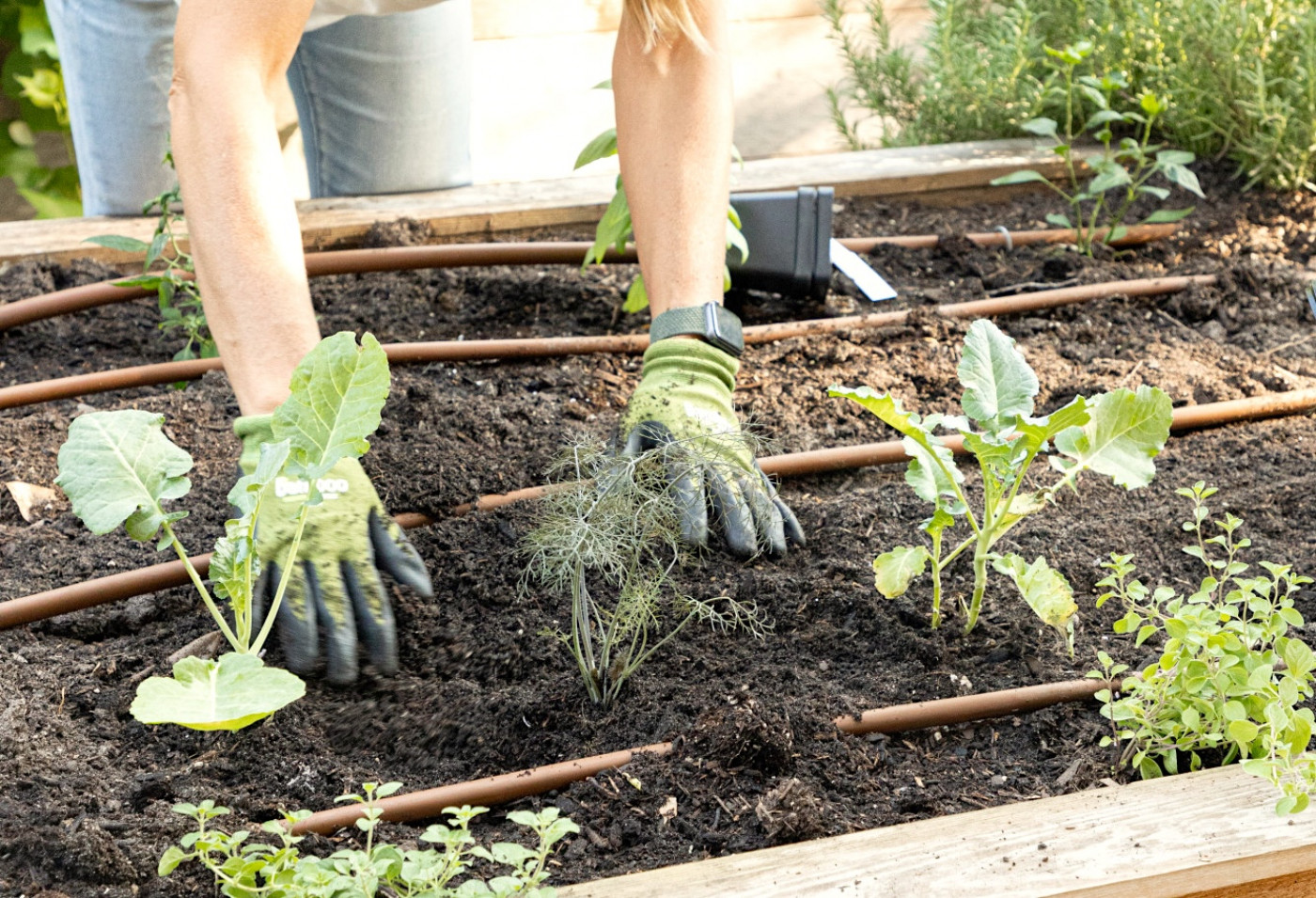
- Top with a layer of loose soil to plant seeds or seedlings
Ensuring Proper Drainage
Good drainage stops water from pooling and hurting plant roots. It keeps soil healthy.
Check that water drains well after filling the bed. Add drainage materials if needed.
- Use coarse materials like small rocks under soil layers
- Avoid packing soil too tightly
- Test drainage by watering and watching water flow
Final Touches
After preparing your raised garden bed, it is time for the final touches. These steps help your plants grow strong and healthy.
Watering, adding mulch, and planning your plant layout are important tasks to finish before planting.
Watering The Bed
Water the soil deeply to help it settle. Moist soil supports root growth well.
Use a gentle spray to avoid washing away soil or seeds.
Adding Mulch
Spread a layer of mulch over the soil. Mulch keeps moisture in and stops weeds from growing.
Use straw, wood chips, or shredded leaves as mulch materials.
- Apply 2 to 3 inches of mulch
- Keep mulch a few inches away from plant stems
- Replace mulch as it breaks down over time
Planning Plant Layout
Plan where each plant will go before planting. Proper spacing helps plants grow better.
Group plants by their sunlight and water needs for easier care.
- Leave enough space between plants for growth
- Place taller plants where they won’t block sunlight
- Mix vegetables and flowers to attract pollinators
Maintenance Tips
Keeping raised garden beds healthy needs regular care. Simple steps help plants grow well.
Check your garden often. Small actions can stop big problems early.
Regular Watering
Water your raised beds regularly to keep soil moist but not soggy. Early morning is best.
- Use a watering can or hose with a gentle spray
- Water deeply to reach roots
- Check soil moisture by touching it
- Avoid watering leaves to prevent disease
Soil Testing
Test soil to know nutrient levels and pH. Good soil grows strong plants.
| Soil Element | Ideal Level |
| pH | 6.0 to 7.0 |
| Nitrogen (N) | 40-60 ppm |
| Phosphorus (P) | 30-50 ppm |
| Potassium (K) | 100-150 ppm |
Pest Prevention
Keep pests away by using natural methods. Watch plants for signs of bugs.
- Remove dead leaves and weeds
- Use companion plants like marigolds
- Introduce beneficial insects like ladybugs
- Handpick visible pests regularly
Credit: www.gardenary.com

Credit: www.sproutboxgarden.com
Frequently Asked Questions
How Do I Prepare Soil In Raised Garden Beds?
Start by removing debris and weeds from the bed. Loosen the soil and mix in compost for nutrients. Ensure the soil is well-draining and slightly moist before planting. This creates a healthy environment for roots to grow.
When Should I Prep Raised Garden Beds For Planting?
Prepare your raised beds in early spring, before planting season begins. This timing allows soil to warm and settle. Early preparation helps improve soil quality and prevents delays in planting your crops.
What Materials Improve Soil In Raised Beds?
Add compost, aged manure, and organic matter to enrich soil. These materials boost fertility, improve texture, and enhance drainage. Avoid using fresh manure as it can harm young plants.
How Deep Should Soil Be In Raised Garden Beds?
Soil should be at least 12 inches deep in raised beds. This depth provides enough room for root development. Shallow soil limits plant growth and reduces yields.
Conclusion
Preparing raised garden beds well sets the stage for healthy plants. Good soil and proper drainage help roots grow strong. Removing weeds and adding compost gives plants nutrients they need. Take your time to level and space the beds correctly.
This care makes planting easier and improves garden success. Start with these steps, and enjoy a thriving garden soon. Gardening becomes more rewarding with simple, smart preparation. Ready to plant? Your raised beds are now ready to grow!