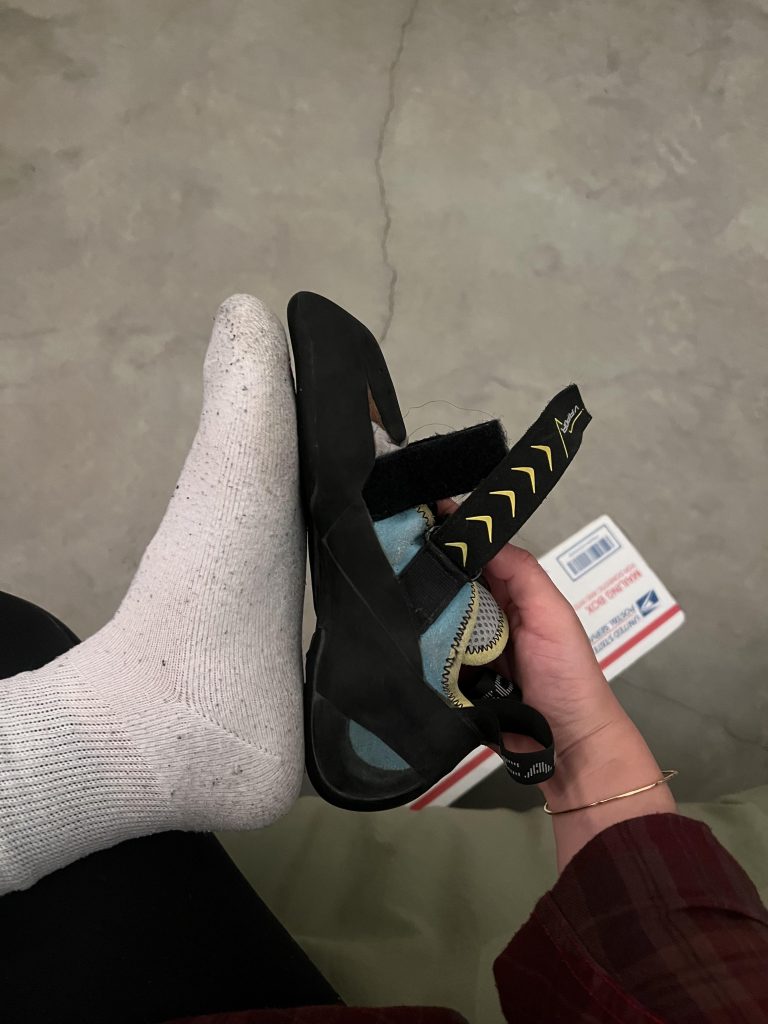
When it comes to rock climbing, your shoes can make all the difference. But how tight should your climbing shoes really be?
If they’re too loose, you’ll lose grip and control. If they’re too tight, your feet will hurt and you might even risk injury. Finding the perfect fit isn’t just about comfort—it can boost your performance and help you climb harder routes with confidence.
You’ll discover exactly how tight your rock climbing shoes should be, why it matters, and tips to get the best fit every time. Keep reading to step up your climbing game without pain or frustration.

Credit: www.reddit.com
Importance Of Proper Fit
Rock climbing shoes must fit well to help you climb better. Shoes that are too loose or too tight can cause problems. Finding the right fit is key for comfort and safety.
Proper fit means your shoes support your feet without pain. This helps you focus on climbing, not on foot discomfort.
Impact On Performance
Shoes that fit well help you grip holds and move precisely. Tight shoes improve control but must not cut off blood flow. Shoes that are too loose reduce sensitivity and can cause slipping.
- Good fit improves toe power for small holds
- Proper snugness increases foot sensitivity
- Balanced tightness helps with edging and smearing
- Comfortable shoes allow longer climbing sessions
Avoiding Injuries
Shoes that are too tight can hurt your toes and cause blisters. Too loose shoes let your foot slide, risking sprains or falls. Proper fit lowers injury risks by supporting your foot well.
| Fit Issue | Possible Injury | Effect |
| Too Tight | Blisters, bruised toenails | Pain and long recovery time |
| Too Loose | Foot slipping, ankle strain | Reduced control and risk of falls |
| Proper Fit | None or minimal | Comfort and better climbing safety |

Credit: www.climbinganchors.com.au
Signs Of A Good Fit
Rock climbing shoes must fit well to ensure safety and performance. Finding the right fit involves checking several key areas.
Here are the signs that indicate your climbing shoes fit just right. Pay attention to the toes, heels, and arch support.
Toe Positioning
Your toes should be slightly curled in the shoes. This positioning helps with grip and precision on the rock. They should not be painfully cramped.
- Toes touch the end without excessive pressure
- No gaps between toes and shoe tips
- Feel secure without sharp pain
Heel Fit
The heel should fit snugly to prevent slipping. A well-fitted heel enhances your climbing ability by providing stability.
Ensure the heel cup is tight enough to stay in place when you step up. A loose heel can lead to accidents.
Arch Support
Proper arch support is crucial for comfort during climbs. It should feel supportive but not too tight.
| Arch Type | Required Support |
| High Arch | Firm support |
| Normal Arch | Moderate support |
| Flat Arch | Additional cushioning |
Common Fit Issues
Choosing the right fit for rock climbing shoes is important for comfort and performance. Shoes that are too tight or too loose can cause problems during climbing.
This guide covers common fit issues to help you find the best fit for your climbing shoes.
Too Tight Problems
Shoes that are too tight can cause pain and reduce blood flow. This can lead to numbness and discomfort while climbing.
- Toe pain or bruising from excessive pressure
- Numbness due to restricted circulation
- Blisters caused by constant friction
- Difficulty standing on small holds because of foot pain
- Deformed toes over time from squeezing
Too Loose Concerns
Shoes that are too loose can slip off or reduce control. This makes climbing harder and less safe.
| Issue | Effect |
| Shoe slipping | Loss of grip and balance |
| Heel slipping | Reduced power on heel hooks |
| Toe space | Less precision on small holds |
| Foot movement inside shoe | Blisters and skin irritation |
Factors Influencing Fit
Choosing the right fit for rock climbing shoes is important for comfort and performance. Many factors affect how tight your shoes should be.
Understanding these factors helps you find shoes that work well for your feet and climbing style.
Shoe Shape And Material
The shape of the shoe affects how it fits your foot. Some shoes have a pointed toe while others are round.
Shoe materials also change the fit. Leather shoes stretch over time, but synthetic ones keep their shape.
- Leather shoes may feel tight at first but loosen with wear
- Synthetic shoes fit snugly and keep their size
- Asymmetric shoes focus pressure on the big toe for precision
- Neutral shoes offer more comfort for all-day climbing
Climbing Style
Your climbing style guides how tight your shoes should be. Different styles need different fits.
Bouldering and sport climbing often need tighter shoes for better grip. Trad climbing may require more comfort.
- Tighter shoes help with small footholds and edges
- More comfortable shoes work better for long climbs
- Choose fit based on how long you wear shoes during climbs
Foot Shape
Your foot shape plays a big role in shoe fit. Wide or narrow feet need different shoe shapes and tightness.
Matching shoe shape to your foot reduces pressure points and pain while climbing.
- Wide feet need shoes with more volume and stretch
- Narrow feet fit better in snug, narrow shoes
- High arches may require shoes with more room in the toe box
- Flat feet usually need shoes that offer good support
Tips For Trying On Shoes
Choosing the right fit for rock climbing shoes is very important. Shoes that are too loose or too tight can hurt your climbing.
Trying on shoes correctly helps you find the best size. This guide gives tips to test shoes in the store and understand the breaking in period.
Testing In Store
Wear the shoes and tighten the straps or laces fully. Your toes should touch the front but not curl painfully.
Walk around and feel how the shoe fits. It should feel snug but not cause numbness or sharp pain.
- Try climbing small edges or boulders if allowed
- Check if your heel stays in place without slipping
- Make sure the shoe fits well on the sides without gaps
Breaking In Period
New climbing shoes often feel tight at first. They stretch a bit after use but should not be very painful.
Wear your shoes for short sessions to help them shape to your feet. Avoid wearing them all day to prevent blisters.
- Start with easy climbs to test comfort
- Expect shoes to stretch slightly after several uses
- Replace shoes if pain continues after breaking in

Credit: www.reddit.com
When To Size Up Or Down
Choosing the right size for rock climbing shoes is important for comfort and performance. Shoes that fit well help you climb better and avoid injuries.
Knowing when to size up or down can be tricky. It depends on your foot shape, climbing style, and shoe brand.
When To Size Down
Pick smaller shoes if you want a tight fit for better control. Tight shoes let you feel the rock and hold edges firmly.
- Your toes curl slightly but do not hurt.
- Shoes feel snug without causing pain.
- You climb short or hard routes requiring precision.
- You want less foot movement inside the shoe.
When To Size Up
Choose bigger shoes if comfort is your priority. Bigger shoes reduce pressure and allow longer climbs.
| Reason to Size Up | Explanation |
| Wide or High-Volume Feet | Tight shoes cause pain or numbness. |
| Long Climbing Sessions | More comfort helps avoid sore feet. |
| Beginner Climbers | Extra space eases foot adjustments. |
| Soft or Stretchy Shoe Material | Shoes will shrink in fit over time. |
Testing The Fit
Try shoes on with climbing socks or bare feet. Walk and stand on toes to check fit. Shoes should not pinch or cause hot spots.
- Check if toes touch the front but are not crushed.
- Feel if the heel stays locked without slipping.
- Notice any pain or discomfort after a few minutes.
- Wear shoes for at least 10 minutes before deciding.
Maintaining Comfort During Climbs
Rock climbing shoes must fit well to support your feet. Comfort is key to avoid pain during climbs. Tight shoes give control but can cause discomfort.
Balancing tightness and comfort helps you climb longer. Adjusting shoes properly can reduce pressure and improve your experience.
Adjusting Laces And Straps
Laces and straps control how tight your shoes fit. They let you change tightness in different shoe areas. Proper adjustment keeps your foot secure without pain.
- Loosen laces or straps before putting shoes on.
- Tighten from the toes to the heel, ensuring no gaps.
- Adjust straps evenly to avoid pressure points.
- Check for comfort while standing and climbing.
- Re-adjust if you feel numbness or pain.
Using Socks Or Liners
Socks or liners add a thin layer between your foot and shoe. They can prevent blisters and improve fit. Choose thin socks made for climbing shoes.
| Type | Benefit | Consideration |
| Thin climbing socks | Reduce friction | May slightly reduce tightness |
| Silk liners | Keep feet dry | Very thin, minimal fit change |
| No socks | Maximum tightness | Higher risk of blisters |
Frequently Asked Questions
How Tight Should Rock Climbing Shoes Fit?
Rock climbing shoes should fit snugly without causing severe pain. They must hold your foot firmly to enhance control and sensitivity.
Can Too Tight Shoes Damage My Feet?
Yes, overly tight shoes can cause blisters, numbness, and long-term foot problems. Always prioritize comfort alongside fit.
Why Do Climbers Prefer Tight Shoes?
Tighter shoes improve precision and grip on small footholds. They help transfer power efficiently from foot to rock.
How To Know If Climbing Shoes Are Too Loose?
If your heel slips or toes slide forward, shoes are too loose. Proper fit means minimal movement inside the shoe.
Conclusion
Finding the right fit for rock climbing shoes is key. Shoes should feel snug but not painful. Too tight can hurt your feet and reduce performance. Too loose means less control and slipping. Your feet should feel secure and comfortable.
Try shoes on at the end of the day when feet swell. Walk and stand to test fit before buying. Remember, good shoes help you climb better and safer. Take time to choose wisely for the best climbing experience.