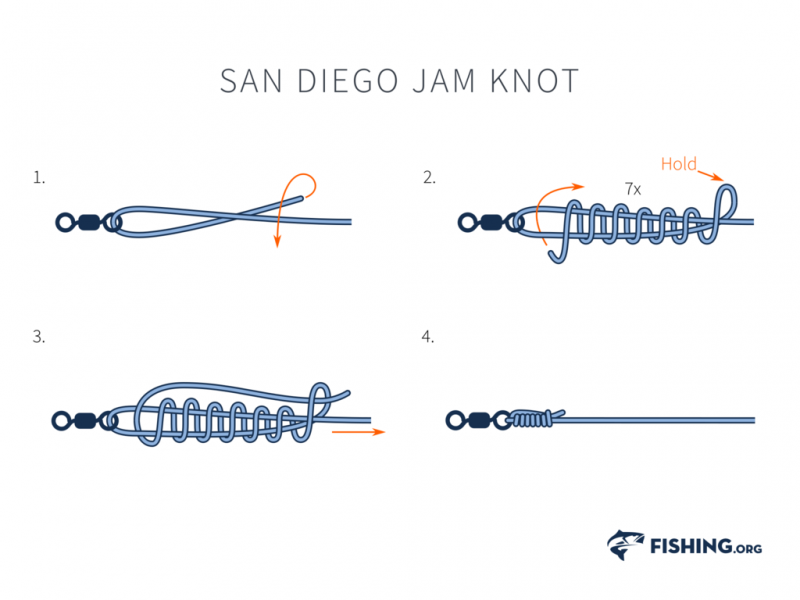
Tying a fishing line leader might seem tricky at first, but once you learn the right steps, it becomes quick and easy. Your leader is what connects your main line to the hook or lure, and getting this knot right can make a big difference in your fishing success.
If you want stronger connections and fewer lost fish, keep reading. This guide will show you simple, clear steps to tie a fishing line leader that holds tight every time. Whether you’re new to fishing or just want to improve your skills, mastering this knot will boost your confidence and your catch.
Let’s dive in!
Choosing The Right Leader
Choosing the right fishing line leader is important for a good catch. The leader connects your main line to the hook or lure.
A good leader helps prevent line breaks and hides the line from fish. Picking the right one depends on your fishing style.
Types Of Fishing Leaders
Fishing leaders come in different types for various fishing needs. Each type works best in specific situations.
- Monofilament leaders are clear and flexible. They work well in clear water.
- Fluorocarbon leaders are nearly invisible and resist abrasion.
- Wire leaders are strong and good for sharp-toothed fish.
- Shock leaders absorb strong pulls and prevent line breaks.
Material Selection Tips
Choose leader material based on water type and fish species. Clear water needs less visible leaders.
Fluorocarbon works well in rocky areas and clear water. Wire leaders are best for fish with sharp teeth.
- Use monofilament for general fishing and easy tying.
- Pick fluorocarbon for stealth and abrasion resistance.
- Select wire for heavy fish with sharp teeth.
- Consider shock leaders for strong, fast fish.
Leader Length And Strength
Leader length depends on fishing conditions and fish behavior. Short leaders give more control, long leaders improve stealth.
Choose strength to match the fish you want to catch. Stronger leaders stop big fish but can be less flexible.
- Use 12 to 24 inches for most fishing situations.
- Pick heavier strength for bigger or stronger fish.
- Match leader strength close to your main line’s strength.
- Longer leaders help in clear water and wary fish.

Credit: www.reddit.com
Essential Tools For Tying
Tying a fishing line leader is important for fishing success. The right tools make the process easier.
Let’s explore the essential tools you need to tie a fishing line leader effectively.
Fishing Line Clippers
Clippers are used to cut the fishing line smoothly. They ensure a clean cut, which is crucial for tying knots.
- Choose clippers with sharp blades
- Ensure they are rust-resistant
- Keep them handy in your fishing kit
Needle Nose Pliers
Needle nose pliers help to hold and twist wires or lines. They are useful for tightening knots firmly.
Water Or Lubricants
Water or lubricants reduce friction when tightening knots. They help prevent damage to the fishing line.
| Lubricant Type | Use |
| Water | Basic lubrication |
| Silicone Spray | Advanced lubrication |
| Fishing Line Oil | Specialized for fishing lines |
Popular Knots For Leaders
Tying a strong knot is key for fishing line leaders. It helps connect the leader to your main line or lure. Good knots keep your gear secure and improve fishing success.
Here are three popular knots used for leaders. Each knot has a simple tying method and strong hold. Choose one that fits your fishing needs.
Improved Clinch Knot
The Improved Clinch Knot is a common choice for attaching leaders. It works well with monofilament and fluorocarbon lines. This knot is easy to tie and holds tightly under pressure.
- Thread the line through the eye of the hook or swivel.
- Wrap the tag end around the standing line 5-7 times.
- Pass the tag end through the small loop near the eye.
- Then pass it back through the big loop you just made.
- Moisten the knot and pull tight slowly.
Palomar Knot
The Palomar Knot is strong and simple. It keeps most of the line’s strength. This knot works great for braided lines and leaders alike.
| Step | Action |
| 1 | Double about 6 inches of line and pass through the hook eye. |
| 2 | Tie a loose overhand knot with the doubled line. |
| 3 | Pass the hook through the loop. |
| 4 | Pull both ends of the line to tighten the knot. |
| 5 | Trim the tag end if needed. |
Uni Knot
The Uni Knot is versatile and reliable. It works well for leader knots and line-to-line connections. It is easy to adjust before tightening.
Follow these steps for a Uni Knot:
- Pass the line through the eye and double back alongside the standing line.
- Make a loop by folding the tag end over the doubled line.
- Wrap the tag end around the doubled line and through the loop 5 times.
- Moisten the knot and pull the tag end to tighten.
- Slide the knot down to the eye and pull the standing line tight.
Step-by-step Knot Tying
Tying a fishing line leader correctly is important for a strong connection. This guide will help you tie a secure knot easily.
Follow each section carefully to prepare the line, make the knot, and test it for safety.
Preparing The Line
Start by selecting the right leader material for your fishing needs. Cut a piece about 18 inches long.
- Use sharp scissors to get a clean cut.
- Moisten the line before tying to reduce friction.
- Remove any knots or weak spots in the line.
- Hold both ends firmly to keep the line straight.
Making The Knot
Use the improved clinch knot for a strong hold. Pass the leader through the hook eye twice.
- Wrap the tag end around the standing line 5 to 7 times.
- Thread the tag end back through the small loop near the hook eye.
- Then pass it through the big loop you just made.
- Pull the tag end slowly to tighten the coils.
- Moisten the knot with water or saliva before pulling tight.
Securing And Testing
Check the knot to ensure it is tight and secure. Trim excess tag end to prevent snags.
| Action | Purpose |
| Pull firm on the line | Test strength of the knot |
| Trim tag end close to knot | Prevent catching on weeds or rocks |
| Inspect knot visually | Check for slips or loose coils |
Tips For Stronger Knots
Tying a strong fishing line leader knot helps prevent line breaks. Good knots keep your gear secure and improve fishing success.
Simple steps can make your knots stronger and last longer. Focus on the details for better results.
Moistening The Line
Moisten the line before tightening the knot. Use water or saliva to reduce friction and heat. This prevents the line from weakening.
Proper Tightening Technique
Tighten the knot slowly and evenly. Pull both ends of the line at the same time. Avoid jerking or twisting the line during tightening.
- Hold the knot firmly between fingers
- Pull the tag end and standing line evenly
- Stop tightening when the knot is snug
- Check that the knot lays flat and neat
Trimming Excess Line
Cut off the extra line after tying the knot. Leave a small tag end to prevent slippage. Use sharp scissors or clippers for a clean cut.
| Trim Length | Reason |
| 2-3 mm | Prevents knot from loosening |
| Too short | Risk of knot slipping |
| Too long | May catch on weeds or rocks |

Credit: www.youtube.com
Common Mistakes To Avoid
Tying a fishing line leader is easy if you avoid common mistakes. These errors can cause the line to break or the knot to slip.
Learn what to watch for to keep your fishing setup strong and reliable.
Loose Knots
Loose knots can slip under pressure and cause you to lose your catch. Make sure to pull each knot tight and wet the line before tightening. This reduces friction and helps the knot set firmly.
- Always moisten the line before tightening the knot.
- Pull the knot slowly and firmly until snug.
- Check the knot for movement before use.
Incorrect Knot Choice
Choosing the wrong knot weakens your leader and can cause failure. Use knots designed for your fishing line type and leader material. Some knots work better with thin lines, others with thick or braided lines.
| Knot Type | Best For | Strength |
| Uni Knot | Monofilament, Fluorocarbon | High |
| Double Surgeon’s Knot | Braided Lines | Very High |
| Palomar Knot | All Types | High |
| Improved Clinch Knot | Light Lines | Medium |
Using Damaged Line
Using a damaged leader line weakens the entire setup. Check your line for nicks, frays, or worn spots before tying. Replace any damaged sections to avoid breakage during fishing.
Signs of damaged line include:
- Visible cuts or nicks
- Discoloration or fading
- Stiff or brittle areas
- Uneven thickness
Maintaining Your Leader
Keeping your fishing line leader in good shape is important for a successful fishing trip. Regular care helps avoid breaks and keeps the line strong.
Follow simple steps to check, replace, and store your leader properly. This will extend its life and improve your fishing experience.
Regular Inspections
Check your leader before and after every fishing trip. Look for signs of wear like frays, cuts, or knots that weaken the line.
- Run your fingers along the leader to feel for rough spots.
- Look for discoloration or damage from sun exposure.
- Test the knots to make sure they hold tight.
- Replace the leader if you find any weak points.
Replacing Worn Leaders
Replace your leader if it shows any damage or after a heavy catch. A fresh leader reduces the risk of losing fish.
| Reason to Replace | Effect on Fishing |
| Frayed or cut line | Line breaks easily |
| Faded or discolored line | Weaker strength |
| Old knots slipping | Leader detaches |
| After heavy use | Reduced reliability |
Storage Recommendations
Store your leaders in a dry and cool place. Avoid direct sunlight to prevent damage from UV rays.
- Use a tackle box with separate compartments.
- Keep leaders untangled and coiled loosely.
- Store away from heat sources and moisture.
- Label different leaders by size or type for easy access.

Credit: www.reddit.com
Frequently Asked Questions
What Is A Fishing Line Leader Used For?
A fishing line leader prevents line breakage from sharp fish teeth. It also reduces visibility in water, increasing catch chances.
How Do I Choose The Right Leader Material?
Choose leader material based on fishing conditions. Fluorocarbon is clear and abrasion-resistant, while monofilament offers stretch and shock absorption.
Which Knot Is Best For Tying A Leader?
The improved clinch knot and Palomar knot are strong, easy-to-tie options for attaching leaders securely to hooks or lures.
How Long Should A Fishing Line Leader Be?
Leader length varies from 12 to 36 inches. Short leaders suit clear water; longer ones reduce fish spooking in murky water.
Conclusion
Tying a fishing line leader is simple with practice and patience. Use the right knot and materials to keep your line strong. Check your knot before casting to avoid losing fish. Each step builds your confidence on the water. Keep practicing, and soon it will feel natural.
Enjoy your fishing trips with better gear and skills. Small efforts lead to big improvements. Try different knots to see what works best. Stay safe and have fun catching fish!