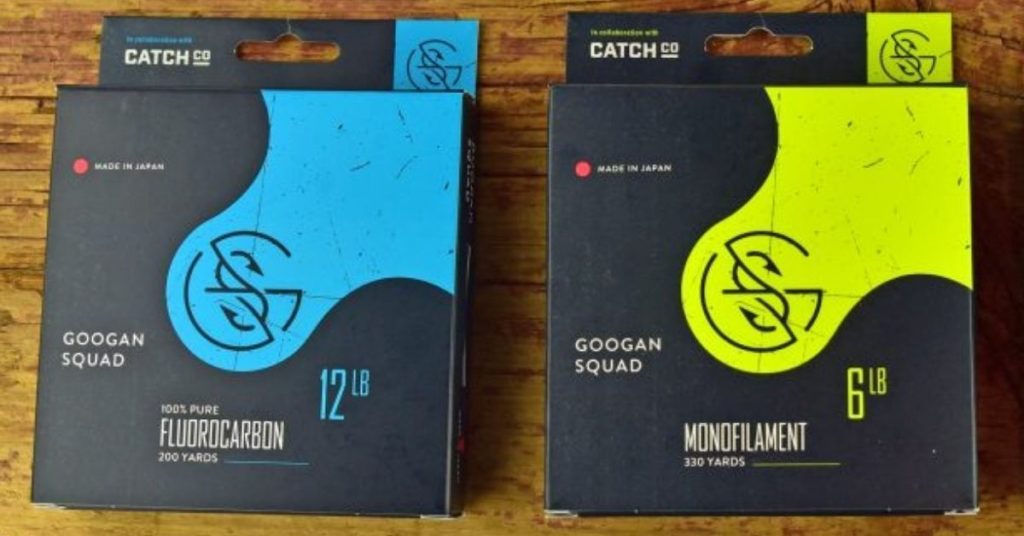
Choosing the best fishing line can make all the difference between a great catch and a missed opportunity. You want a line that’s strong, reliable, and suited to the type of fishing you love.
But with so many options out there, how do you know which one is right for you? This guide will help you understand the key factors to consider, so you can pick the perfect fishing line and boost your chances of landing that trophy fish.
Keep reading, and you’ll soon feel confident about your next fishing trip.

Credit: mysterytacklebox.com
Types Of Fishing Lines
Choosing the right fishing line is important for a good fishing experience. Different lines work best in different situations. Knowing the types helps you pick the best one for your needs.
Fishing lines vary in strength, visibility, and stretch. Each type has its own advantages and uses. This guide explains the main types of fishing lines.
Monofilament Lines
Monofilament lines are made from a single strand of nylon. They are popular because they are flexible and easy to handle. These lines stretch under pressure, which helps absorb shocks.
They are best for beginners and general fishing. Monofilament lines float on water and are less visible in clear water. They are also affordable and come in many colors.
Fluorocarbon Lines
Fluorocarbon lines are made from a special plastic that sinks in water. They are less visible to fish because they match water’s light refraction. These lines are strong and resist abrasion well.
- Low visibility underwater
- Good for clear water fishing
- More resistant to damage
- Less stretch than monofilament
Braided Lines
Braided lines are made by weaving several fibers together. They have very little stretch and are very strong for their size. These lines are visible in water and sink slowly.
| Feature | Advantage | Best Use |
| High Strength | Can handle big fish | Heavy cover or deep water |
| Low Stretch | Better hook sets | Precise fishing techniques |
| Thin Diameter | Long casts | Fishing with light tackle |
Copolymer Lines
Copolymer lines combine two or more types of nylon. They offer better strength and sensitivity than regular monofilament. These lines have less stretch and better casting ability.
Copolymer lines are a good choice for anglers who want a balance. They work well in many fishing conditions and are more durable than simple monofilament.

Credit: mysterytacklebox.com
Factors To Consider
Choosing the right fishing line is important for a successful fishing trip. You must consider several factors to find the best line for your needs.
These factors include strength, visibility, stretch, abrasion resistance, and knot strength. Let’s explore each one to help you make the best choice.
Strength And Durability
Strength is key to handling big fish. A strong line does not break easily. Durability means the line lasts longer, even with repeated use.
Look for lines made of high-quality materials. These lines often provide both strength and durability.
Visibility In Water
Fish can see lines in clear water. A less visible line is often better. Lines come in different colors to match water conditions.
- Clear lines for clear water
- Green lines for algae-filled waters
- Blue lines for deep waters
Stretch And Sensitivity
Stretch affects how you feel bites. Less stretch means more sensitivity. You can feel the fish better with a sensitive line.
This helps you react quickly when a fish bites. Consider lines that balance stretch and sensitivity for your fishing style.
Abrasion Resistance
Abrasion resistance means the line can withstand rough surfaces. This is important when fishing near rocks or debris.
Choose a line that resists cuts and scrapes. This ensures your line lasts longer and stays strong.
Knot Strength
Knot strength is how well the line holds knots. Strong knots prevent line breaks when reeling in a catch.
Practice tying different knots to see which works best. A good line will hold knots securely under pressure.
Choosing Line By Fishing Style
Choosing the right fishing line depends on the style of fishing you do. Different waters and fish require different line types.
Picking the correct line helps you catch more fish and makes fishing easier and more fun.
Freshwater Fishing
Freshwater fishing often uses lighter lines because the fish are smaller. Monofilament lines are popular here.
Fluorocarbon lines are also good because they are clear and hard for fish to see in water.
- Monofilament is stretchy and easy to handle
- Fluorocarbon is less visible underwater
- Choose line strength based on fish size
Saltwater Fishing
Saltwater fish are usually bigger and stronger. Braided lines work well because they are very strong and thin.
Fluorocarbon leaders help hide the line near the fish. Saltwater can damage some lines, so choose resistant types.
- Braid offers high strength and low stretch
- Fluorocarbon leaders are nearly invisible
- Use corrosion-resistant lines for saltwater
Fly Fishing
Fly fishing uses special lines that help cast very light flies. These lines are thicker and heavier than normal lines.
Choose the line weight based on the size of the fly and the fish you want to catch.
- Weight-forward fly lines help with long casts
- Floating lines keep flies on the water surface
- Sinking lines work for deeper fishing
Ice Fishing
Ice fishing uses thin, strong lines that do not freeze easily. Monofilament and fluorocarbon are common choices.
Choose lines with good sensitivity to feel small bites under the ice.
- Monofilament is affordable and easy to handle
- Fluorocarbon resists cold and is less visible
- Pick thinner lines for better bite detection
Line Weight And Test Ratings
Choosing the right fishing line is key to catching fish. Line weight and test ratings tell you how strong the line is.
These ratings help match the line to the fish size and fishing style. Picking the right line makes fishing easier and more fun.
Matching Line To Target Species
Different fish need different line strengths. Small fish need lighter lines. Big fish need heavier, stronger lines.
Using the right line weight helps catch the fish without breaking the line or losing the catch.
- Small fish like trout: 2-6 lb test
- Medium fish like bass: 8-12 lb test
- Large fish like pike or catfish: 15-30 lb test
Balancing Strength And Castability
Stronger lines hold big fish but can be stiff. Stiff lines do not cast far or smooth.
Choose a line that is strong but still easy to cast. This helps you reach far spots and fight fish well.
- Thinner lines cast farther and are less visible
- Thicker lines offer more strength but less distance
- Match your line to your reel and rod for best casting
Best Lines For Specific Conditions
Choosing the right fishing line helps catch more fish. Different water and fishing spots need different lines. Knowing the best line for each condition improves your experience.
This guide covers the best fishing lines for clear water, muddy water, heavy cover, and long-distance casting. Each section explains what works best and why.
Clear Water
Clear water requires lines that are hard to see. Fluorocarbon lines are a top choice because they blend well with water. They are also strong and abrasion-resistant.
Monofilament lines can work too, but they are more visible. Use light test lines for better stealth. Clear water calls for finesse and subtlety in your line choice.
Muddy Or Stained Water
In muddy or stained water, visibility is low. Bright or dark colored lines help fish see your bait. Braided lines are good here because they are strong and sensitive.
- Use bright colors like chartreuse or orange
- Choose braided lines for strength and sensitivity
- Consider heavier test lines to handle bigger fish
- Fluorocarbon leaders can improve invisibility near bait
Heavy Cover
Heavy cover means thick weeds, rocks, or brush. Strong, abrasion-resistant lines are best. Braided lines with a heavy test rating cut through tough spots well.
| Line Type | Strength | Best Use |
| Braided | High | Thick cover, heavy structure |
| Fluorocarbon | Medium | Clear water near cover |
| Monofilament | Low to Medium | Open water, light cover |
Long-distance Casting
Long-distance casting needs lines that are smooth and low-stretch. Monofilament lines are good because they spool easily and cast far. Braided lines also work but need a fluorocarbon leader.
Tips for long casting:
- Choose lines with low memory to prevent tangles
- Use lighter lines for longer casts
- Keep your reel spool full to improve distance
- Use a smooth, round line for less friction
Maintenance And Storage Tips
Choosing the best fishing line is only part of the process. Proper care helps keep it strong and long-lasting.
Good maintenance and storage prevent damage and make your fishing line ready for the next trip.
Preventing Line Memory
Line memory makes your fishing line coil and tangle easily. This can cause casting problems and weaken the line.
To prevent line memory, avoid keeping the line tightly wound for long periods. Let it relax after use.
- Use a line conditioner spray to keep the line flexible
- Remove the line from the reel after long trips
- Stretch the line gently before storing it
Avoiding Line Degradation
Fishing lines can weaken over time from sun, salt, and dirt. This reduces their strength and durability.
Clean your line after every use and keep it out of direct sunlight to avoid degradation.
- Rinse line with fresh water after saltwater fishing
- Wipe the line with a soft cloth to remove dirt
- Check for nicks or frays before each use
Proper Storage Methods
Store your fishing line in a cool, dark place. Avoid heat and sunlight to keep it in good shape.
Use a container or spool holder to keep the line neat and prevent tangles during storage.
- Keep line in a sealed plastic bag or container
- Store away from chemicals and sharp objects
- Use original packaging or a line spooler for organization
Top Brands And Recommendations
Choosing the right fishing line is important for a good fishing experience. Different lines work better for different situations. This guide shows top brands and options for many budgets.
Consider your fishing style and water type before picking a line. The right line helps catch more fish and makes fishing easier.
Budget-friendly Options
Affordable fishing lines still offer good quality. They work well for beginners and casual anglers. These lines give reliable strength without high cost.
- Berkley Trilene XL: strong and smooth, easy to cast
- Stren Original: good knot strength and abrasion resistance
- SpiderWire Stealth: low stretch and good sensitivity
Premium Performance Lines
Premium lines offer higher strength and better durability. They suit serious anglers and tough conditions. These lines reduce line memory and improve casting distance.
- PowerPro Spectra Fiber: very strong and thin diameter
- Seaguar Grand Max Fluorocarbon: low visibility underwater
- Sunline Super FC Sniper: excellent abrasion resistance
Versatile All-rounders
All-round fishing lines work well in many situations. They balance strength, stretch, and price. These lines fit most freshwater and saltwater fishing needs.
- Monofilament lines like Berkley Big Game: flexible and easy to handle
- Fluorocarbon lines such as P-Line CFX: near invisible and strong
- Braided lines like KastKing SuperPower: smooth casting and durable

Credit: thegww.com
Frequently Asked Questions
What Type Of Fishing Line Is Best For Beginners?
Monofilament lines are ideal for beginners due to their flexibility and ease of use. They offer good knot strength and are affordable, making them great for learning.
How To Choose Fishing Line Based On Fish Species?
Choose line strength matching the fish size. Light lines suit small fish, while heavier lines handle larger, stronger species effectively.
Is Braided Fishing Line Better Than Monofilament?
Braided lines offer higher strength and sensitivity. Monofilament is stretchier and better for shock absorption. Choose based on fishing needs.
What Is The Best Fishing Line For Freshwater Fishing?
Monofilament or fluorocarbon lines work well in freshwater. Fluorocarbon is less visible underwater, ideal for clear water conditions.
Conclusion
Choosing the best fishing line depends on your fishing style and conditions. Consider strength, stretch, and visibility in water. Monofilament works well for beginners and general use. Braided lines offer high strength and low stretch. Fluorocarbon lines blend well with water, making them less visible.
Test different lines to find what suits you best. Good fishing line can improve your catch and enjoyment. Keep these tips in mind for your next fishing trip. Happy fishing!