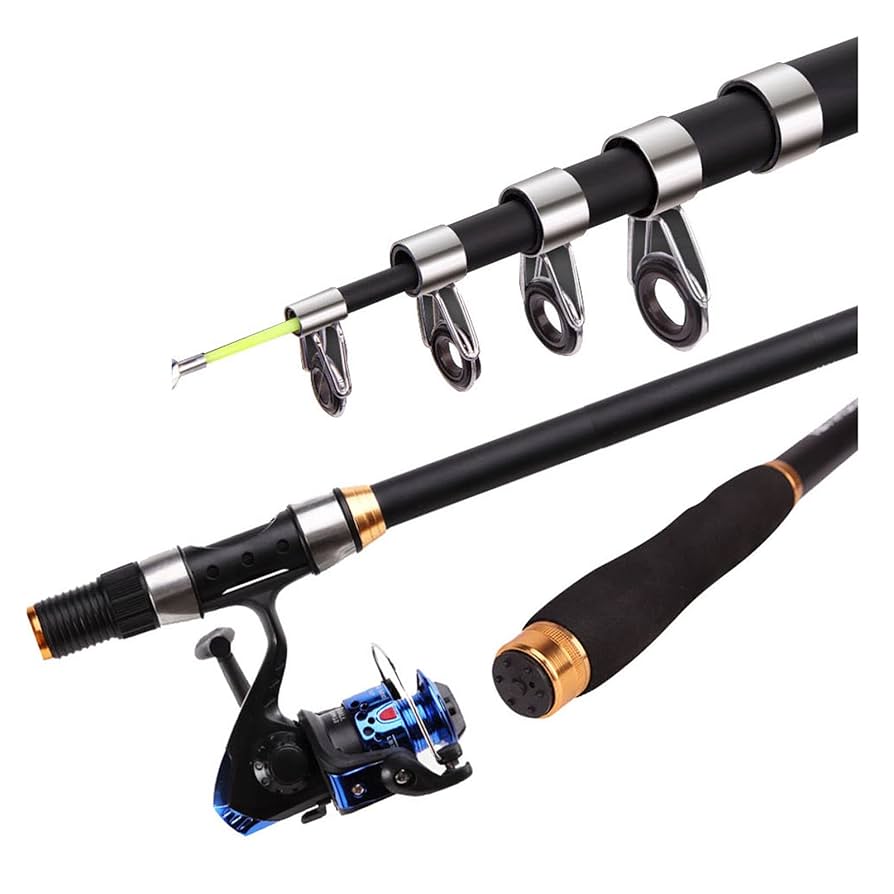
Are you tired of bulky fishing gear that’s hard to carry and store? Imagine having a fishing rod that fits right in your backpack, ready whenever you are.
That’s exactly what a telescopic fishing rod offers. It’s compact, easy to use, and perfect for both beginners and seasoned anglers. Curious to know how it works and why it might be the best addition to your fishing kit? Keep reading, and you’ll discover everything you need to make your next fishing trip simpler and more enjoyable.
Telescopic Rod Basics
A telescopic fishing rod is a popular choice for anglers who want easy transport. It folds down into a compact size but extends to full length for fishing.
This rod type is great for travel and quick setup. It combines convenience with good fishing performance.
Design And Structure
Telescopic rods have multiple sections that slide inside each other. The sections fit neatly to make the rod shorter for carrying.
- The tip is the thinnest section.
- Each section gets thicker toward the handle.
- Sections lock firmly when extended to keep the rod strong.
- The handle is usually covered with foam or cork for grip.
Materials Used
| Material | Common Use | Benefit |
| Carbon Fiber | Rod blank | Lightweight and strong |
| Fiberglass | Rod blank | Durable and flexible |
| Aluminum | Joints and guides | Rust-resistant and sturdy |
| Cork or EVA Foam | Handle | Comfortable and slip-resistant |
How It Collapses And Extends
The rod collapses by sliding each section inside the larger one below it. To use, pull out the sections until they lock in place.
- Start from the tip and pull each section out carefully.
- Make sure each section clicks or locks to stay firm.
- Collapse by pushing the sections back in order, from largest to smallest.
- Store the rod in its case to protect it.
Advantages For Anglers
Telescopic fishing rods offer many benefits for anglers. These rods are designed to collapse into a shorter length.
This feature makes them easy to carry and store. Anglers find them useful for different fishing situations.
Portability And Storage
Telescopic rods fold down to a compact size. This makes them simple to store in small spaces.
They fit easily in backpacks, car trunks, or closets. This helps anglers keep their gear organized.
Ease Of Transport
Because they collapse, these rods are light and easy to carry. Anglers can bring them on trips without trouble.
The compact size allows use on planes, bikes, or hiking trails. This makes fishing more accessible in many places.
Versatility In Fishing
Telescopic rods work well for different types of fish and water. Anglers can adjust the rod length as needed.
This flexibility helps in lakes, rivers, or the ocean. One rod can serve many fishing styles and spots.
Types Of Telescopic Rods
Telescopic fishing rods are collapsible and easy to carry. They are perfect for travel and quick trips. Different types suit various fishing needs.
These rods come in different styles for both freshwater and saltwater fishing. Specialized rods also exist for unique fishing challenges.
Freshwater Models
Freshwater telescopic rods are ideal for lakes and rivers. They are lightweight and easy to handle.
These rods often have sensitive tips for detecting small fish bites. They are great for catching trout and bass.
- Lightweight design for easy transport
- Sensitive tips for better bite detection
- Perfect for trout and bass fishing
Saltwater Options
Saltwater telescopic rods are built to withstand harsh conditions. They are strong and durable for big catches.
These rods are resistant to corrosion from saltwater. They often have longer lengths for casting farther.
- Corrosion-resistant materials
- Durable for catching larger fish
- Longer length for extended casting
Specialized Rods
Specialized telescopic rods cater to specific fishing needs. Some are designed for ice fishing or fly fishing.
These rods have unique features for particular fishing styles. They enhance the fishing experience in specialized conditions.
- Ice fishing rods for cold environments
- Fly fishing rods for precise casting
- Custom features for unique fishing needs
Choosing The Right Rod
Picking the right telescopic fishing rod helps you catch more fish. It also makes fishing more fun and easier.
Many factors matter when choosing a rod. This guide covers the most important points to consider.
Length And Power
Rod length affects how far you can cast and how you control the fish. Shorter rods work well in tight spaces. Longer rods help you cast farther.
Power means how strong the rod is. Light power rods suit small fish. Heavy power rods are for big, strong fish.
- Short rods (4-7 feet) for close fishing
- Long rods (8-12 feet) for long casts
- Light power for small fish
- Medium power for average fish
- Heavy power for large fish
Action And Sensitivity
Action is how fast the rod bends. Fast action rods bend near the tip. Slow action rods bend along the whole rod.
Sensitivity helps you feel bites. A sensitive rod shows small movements. It is good for detecting light bites.
- Fast action for quick hook sets
- Slow action for gentle bites
- High sensitivity for small fish
- Lower sensitivity for big fish
Budget Considerations
Telescopic rods come in many prices. Think about how often you fish and what you need.
Cheaper rods fit beginners or casual fishers. Expensive rods offer better materials and durability.
- Low cost for occasional use
- Mid-range for regular fishing
- High-end for serious anglers
Using Telescopic Rods Effectively
Telescopic fishing rods are great for easy transport and quick setup. They collapse into a small size, making them perfect for travel.
To use a telescopic rod well, you need to set it up right, cast smoothly, and take care of it after fishing.
Setup Tips
Pull out each section of the rod carefully, starting from the tip. Make sure each part locks firmly in place to avoid bending or breaking.
Check the guides (the small rings) to ensure they line up straight. This helps the fishing line run smoothly during casting and retrieval.
- Extend sections slowly and gently
- Align the guides in a straight line
- Secure each segment firmly
- Attach your reel tightly
Casting Techniques
Hold the rod with a firm grip but stay relaxed. Use smooth, controlled movements when casting to avoid jerks that can damage the rod.
Practice casting with light bait or lures to get a feel for the rod’s balance and weight. This improves your aim and distance over time.
- Keep the rod tip low during casting
- Use your wrist to guide the line
- Let the rod’s flexibility help with distance
- Practice to improve accuracy and control
Maintenance And Care
After fishing, rinse your telescopic rod with fresh water to remove dirt and salt. Salt can cause corrosion and damage the rod.
Dry the rod completely before collapsing it. Store it in a dry place to prevent rust and wear on the guides and joints.
- Rinse with fresh water after use
- Dry all parts before closing
- Check guides for cracks or damage
- Store in a cool, dry place

Credit: fishingworld.ca
Common Challenges
Telescopic fishing rods are popular for their portability. They allow easy transport and storage.
Despite their benefits, these rods have some common problems. Anglers often face issues with durability and handling.
Durability Concerns
Telescopic rods have many moving parts. These can wear out or break over time.
The joints where the sections slide can get stuck or become loose. This affects rod strength and performance.
- Careless collapsing can damage the rod
- Cheap materials reduce lifespan
- Exposure to dirt and water causes corrosion
Line Tangling Issues
Line tangling is a frequent problem with telescopic rods. The compact design sometimes causes the line to twist.
Improper reel setup or poor casting technique can increase tangles. Tangled lines waste time and can cause frustration.
- Check line and reel alignment before fishing
- Use smooth casting methods
- Keep the line tight while reeling in
Handling Tips
Proper handling extends the life of a telescopic rod. Always collapse and extend the sections carefully.
Store the rod in a dry place to avoid damage. Regular cleaning helps keep the rod working smoothly.
- Pull out each section slowly and evenly
- Do not force stuck sections
- Rinse rod after use in saltwater
Popular Brands And Models
Telescopic fishing rods are popular for their portability and ease of use. Many brands offer models that suit different fishing styles and budgets.
Choosing the right brand and model helps anglers enjoy fishing without carrying bulky gear. Here are some well-known options.
Top Rated Rods
Top rated telescopic rods have good build quality and performance. They are reliable and last long under regular use.
- Shimano Solora 2-Section Telescopic Rod
- PLUSINNO Telescopic Fishing Rod
- Sougayilang Telescopic Fishing Rod
- Okuma Celilo Graphite Telescopic Rod
Customer Favorites
Customer favorites often balance ease of use and affordability. Many users like rods that are easy to carry and handle.
- PLUSINNO Lightweight Telescopic Fishing Rod
- Sougayilang Spinning Telescopic Rod
- Ugly Stik GX2 Telescopic Rod
- Goture Telescopic Fishing Rod
Price Vs Performance
Some telescopic rods cost more but offer better materials and features. Cheaper rods work well for beginners and casual fishing.
| Price Range | Performance Level | Recommended Use |
|---|---|---|
| Low ($20-$40) | Basic | Casual or beginner anglers |
| Medium ($40-$80) | Good | Regular fishing trips |
| High ($80+) | Excellent | Experienced anglers and heavy use |

Credit: www.amazon.ca
Future Trends In Telescopic Rods
Telescopic fishing rods are changing to meet new needs. Technology and materials are making rods lighter and stronger.
Designers focus on making rods easier to carry and more useful for all fishing types. Let’s look at the future trends.
Material Innovations
New materials help rods become lighter and more durable. Carbon fiber and graphite are popular choices.
These materials also improve rod sensitivity. Anglers can feel even small bites better.
- Carbon fiber for strength and light weight
- Graphite for flexibility and sensitivity
- Composite blends for durability
Smart Fishing Gear
Smart technology is joining telescopic rods. Sensors can track fish bites and water conditions.
Some rods connect to phones. They show data like depth, temperature, and location.
- Bite detection sensors
- Bluetooth connection to apps
- GPS for fishing spots
Eco-friendly Designs
Manufacturers use eco-friendly materials to reduce waste. Recycled plastics and metals are common now.
Designs focus on long life and easy repair. This cuts down on throwing away broken rods.
- Recycled materials in rod parts
- Non-toxic paints and finishes
- Modular parts for easy fixing

Credit: www.amazon.ca
Frequently Asked Questions
What Is A Telescopic Fishing Rod Used For?
A telescopic fishing rod is used for easy transport and storage. It extends to full length for fishing and collapses to a compact size. It suits anglers who need portability without sacrificing performance on different fishing trips.
How Does A Telescopic Fishing Rod Work?
Telescopic rods work by sliding the sections inside each other. You pull out each segment to extend the rod to full length. When done, the sections collapse back into the handle for convenient storage and travel.
What Are The Benefits Of Telescopic Fishing Rods?
Telescopic rods offer portability, space-saving design, and quick setup. They are lightweight and easy to carry. These rods are ideal for travelers and beginners who want a versatile fishing rod without extra bulk.
Can Telescopic Rods Handle Big Fish?
Yes, many telescopic rods are designed to handle medium to large fish. However, their strength varies by material and build. Always check the rod’s weight rating to ensure it suits your target fish size.
Conclusion
Telescopic fishing rods offer great convenience for anglers. They fold down small, making them easy to carry. You can take them anywhere, from rivers to beaches. These rods are simple to use and save space. They suit beginners and experienced fishers alike.
Choosing one depends on your fishing needs and budget. Try a telescopic rod to enjoy fishing with less hassle. Simple, handy, and reliable tools for your fishing trips.