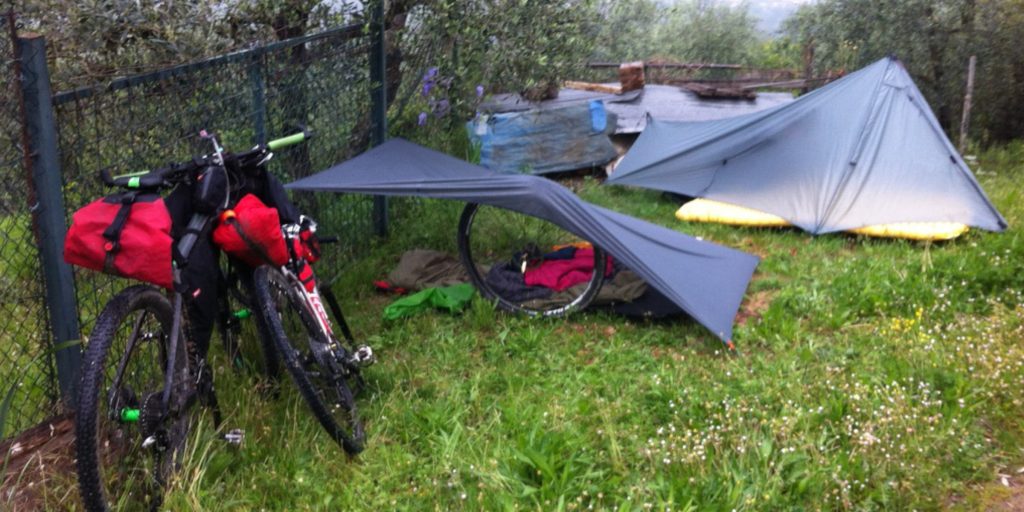
Nothing ruins a camping trip faster than waking up to a wet, soggy tent. You want your outdoor adventure to be comfortable and dry, no matter how hard the rain pours.
But how can you keep your tent dry when the weather turns against you? In this guide, you’ll discover simple, practical tips that make a big difference. By the time you finish reading, you’ll be ready to face any storm with confidence and keep your tent—and your gear—safe and dry.
Let’s dive in and make sure rain never spoils your fun again.
Choose The Right Tent
Choosing the right tent is important to keep dry in the rain. A good tent protects you from water and wind.
Look for tents made with strong materials and good design. These tents help you stay safe and dry.
Waterproof Materials
Waterproof materials stop rain from soaking your tent. Look for tents made with fabrics like polyester or nylon.
These fabrics often have a waterproof coating. This stops water from passing through the fabric.
- Polyester is strong and dries fast
- Nylon is lightweight and water-resistant
- Look for tents with polyurethane or silicone coatings
Seam Sealing
Seams are where water can leak into a tent. Good seam sealing stops water from getting inside.
Check if the tent has taped or sealed seams. This adds a waterproof layer over the stitching.
- Taped seams use waterproof tape over stitches
- Sealed seams use glue or heat to close holes
- Seam sealing keeps water out during heavy rain
Rainfly Importance
A rainfly is a separate cover that goes over your tent. It adds extra protection from rain and wind.
Choose a tent with a full-coverage rainfly. This helps keep water off your tent walls and floor.
- Full rainfly covers the whole tent
- Partial rainfly covers only the top
- Good rainfly design prevents water pooling

Credit: www.reddit.com
Select An Ideal Campsite
Camping in the rain can be challenging. Choosing the right campsite is key to staying dry. Here are some tips to help you select the perfect spot.
Avoid Low-lying Areas
Low-lying areas can collect water during rain. These spots are likely to flood. Always pick a higher ground for setting up your tent.
- Check for signs of water pooling.
- Avoid areas near streams or rivers.
- Look for dry patches of ground.
Look For Natural Shelter
Trees and bushes can offer protection from rain. They act as natural barriers. Choose a spot under a thick canopy.
- Trees can block wind and rain.
- Bushes help shield your tent.
- Avoid dead trees to stay safe.
Check Ground Slope
The slope of the ground affects water flow. A slight slope helps water run off. This keeps your tent area dry.
- Place the tent on a gentle slope.
- Ensure the tent door faces downhill.
- Avoid steep slopes for safety.
Set Up Tent Properly
Keeping your tent dry in rain starts with a proper setup. A well-set tent stops water from entering. You need to prepare the ground and tent parts carefully.
Pay attention to how you place the tent and secure all pieces. This helps protect you from wet conditions and keeps your gear safe.
Use A Groundsheet
A groundsheet acts as a barrier between the wet ground and your tent floor. It stops moisture from seeping in and protects the tent fabric from damage.
Place the groundsheet under the tent, making sure it does not stick out. Extra edges can collect rainwater, which can flow under the tent.
- Choose a groundsheet that matches your tent size
- Lay it flat and smooth to avoid wrinkles
- Keep the edges tucked under the tent base
Secure Rainfly Tightly
The rainfly covers the tent and shields it from rain. A loose rainfly lets water drip inside or blow under the edges.
Attach the rainfly tightly to the tent frame. Use all available clips, straps, and guy lines to keep it firm and stable.
- Stretch the rainfly evenly over the tent
- Fasten all clips to the tent poles
- Tighten guy lines and stake them securely
- Check for gaps where water might enter
Tension Tent Fabric
Tension in the tent fabric helps rain slide off quickly. Loose fabric can collect water, causing leaks or collapse.
Pull the tent fabric tight during setup. Adjust poles and stakes to remove slack and keep the structure firm.
- Stretch each side of the tent fabric
- Secure corners firmly with stakes
- Check tension after rain starts to adjust
- Keep fabric smooth to prevent water pockets

Credit: www.reddit.com
Manage Water Flow
Keeping your tent dry during rain is key for comfort and safety. Water flow around your campsite must be controlled to avoid flooding.
Use simple methods to direct water away from your tent. Proper planning helps keep the inside dry and cozy.
Dig Drainage Trenches
Dig small trenches around your tent to guide rainwater away. Trenches stop water from pooling near your tent’s base.
- Choose a spot slightly downhill from your tent.
- Dig shallow trenches 4 to 6 inches deep around the perimeter.
- Make sure trenches slope away from the tent.
- Clear trenches regularly to prevent blockages.
Clear Surrounding Debris
Remove leaves, sticks, and rocks near your tent. Debris can block water paths and cause puddles.
| Debris Type | Effect on Water Flow |
|---|---|
| Leaves | Block drainage, cause water buildup |
| Sticks | Create dams, slow water movement |
| Rocks | Redirect water, cause pooling spots |
Create Water Barriers
Build small barriers to stop water from reaching your tent. Use natural materials like soil or logs.
- Pile soil along the downhill side of your tent.
- Stack logs or rocks to form a low wall.
- Use a tarp outside the tent to divert water.
Maintain Tent During Rain
Keeping your tent dry during rain is important for a comfortable camping trip. Proper care helps avoid damage and keeps the inside dry.
Simple actions can reduce moisture and protect your tent fabric. Learn how to maintain your tent well in wet weather.
Ventilate To Reduce Condensation
Condensation forms when warm air meets cold surfaces inside the tent. Ventilation lets moist air escape and fresh air enter.
Keep vents or windows open slightly even in rain. This stops water droplets from forming inside the tent walls.
- Open mesh windows or vents
- Use rain flaps to block rain but allow airflow
- Avoid sealing the tent completely
Avoid Touching Tent Walls
Touching tent walls transfers moisture from your hands or gear. Wet walls cause more dampness inside the tent.
Keep your belongings away from the walls. Use the center space to avoid wetting the fabric during rain.
- Store bags in the tent center
- Hang clothes inside to dry away from walls
- Do not lean or press against tent sides
Check For Leaks Regularly
Rain can cause small leaks or weak spots in your tent fabric. Find leaks early to prevent water from entering.
Inspect the tent ceiling and seams for wet spots. Use waterproof spray or tape on any leaks you find.
- Look inside and outside for damp areas
- Check seams, zippers, and corners
- Apply sealant or repair tape as needed

Credit: www.reddit.com
Use Additional Waterproof Gear
Keeping your tent dry during rain is important for comfort and safety. Using extra waterproof gear can help protect your tent.
This gear adds layers of protection against wet ground and heavy rain. It keeps water from seeping inside your tent.
Tent Footprints
Tent footprints are protective ground sheets placed under your tent. They stop moisture from the ground reaching the tent floor.
They also prevent damage from rocks and sticks. Footprints are made from waterproof material and fit your tent size.
- Protect tent floor from wet and rough ground
- Easy to clean and dry
- Help extend tent life by reducing wear
Waterproof Sprays
Waterproof sprays add a water-repellent layer to your tent fabric. This helps water bead off the surface instead of soaking in.
You should spray your tent before your trip. Reapply sprays regularly to keep the tent water-resistant.
- Use sprays made for nylon or polyester tents
- Apply on clean, dry tent fabric
- Let spray dry fully before packing tent
Protective Covers
Protective covers, like rain flies or tarps, go over your tent. They shield the tent from direct rain and wind.
These covers create an extra barrier that keeps water away from the tent walls and zippers.
- Choose covers that fully cover your tent
- Secure covers tightly to avoid wind damage
- Use breathable covers to reduce condensation inside
Frequently Asked Questions
How Can I Waterproof My Tent Before Rain?
Apply a waterproof spray or seam sealer to your tent. This prevents water from seeping through fabric and seams. Always test products on a small area first. Reapply treatments regularly for best protection during rainy camping trips.
What’s The Best Tent Setup To Avoid Rainwater?
Pitch your tent on high, well-drained ground. Use a rainfly properly to cover the tent fully. Angle the tent to face away from wind-driven rain. Secure all guy lines tightly to prevent flapping and leaks.
How Do I Keep Tent Floor Dry During Rain?
Use a groundsheet or footprint under your tent. Avoid letting the groundsheet extend beyond the tent edges to prevent water pooling. Clear debris before setup to improve drainage. Elevate tent floor edges slightly to divert water away.
Can Ventilation Help Keep My Tent Dry In Rain?
Yes, ventilation reduces condensation inside the tent. Open vents or windows slightly to allow airflow. Proper air circulation prevents moisture buildup on tent walls. This keeps the interior dry and comfortable even in wet weather.
Conclusion
Keeping your tent dry in rain takes some smart steps. Always pick a good spot that drains water well. Use a rainfly and groundsheet to protect your tent from wetness. Seal all seams and close zippers tightly to stop leaks.
Ventilate the tent to reduce inside moisture. With these simple tips, your camping stays comfortable and dry. Stay prepared and enjoy your outdoor adventure, rain or shine.