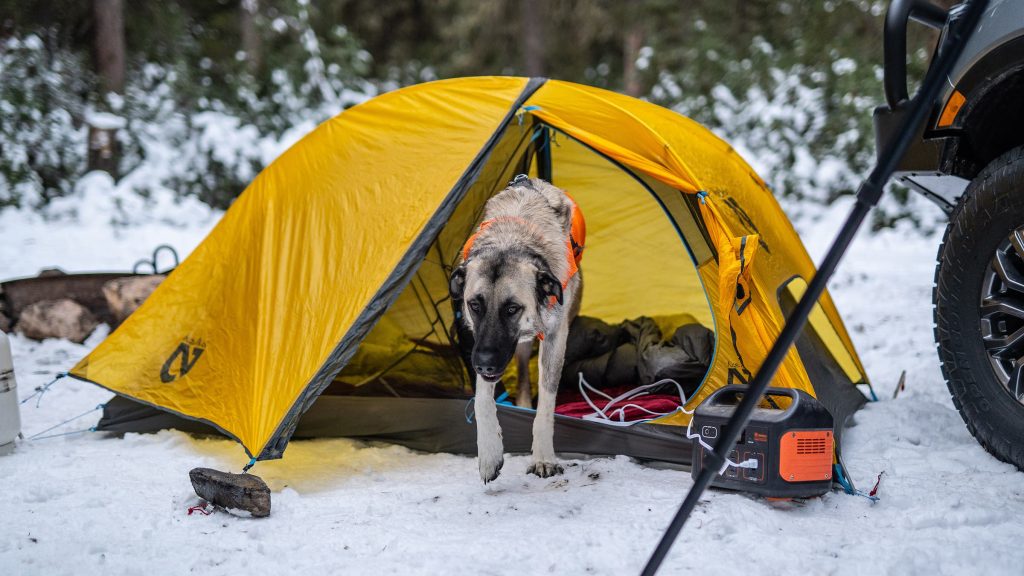
Camping in a tent can be an amazing experience, but staying warm inside your tent can sometimes be a challenge. If you’ve ever shivered through a cold night or woken up feeling frozen, you know how important it is to keep cozy.
Imagine waking up refreshed, comfortable, and ready to enjoy your day outside, no matter how chilly it gets. You’ll discover simple, practical tips that make a big difference in staying warm while tent camping. Ready to transform your camping nights into a warm, restful escape?
Keep reading—your comfort depends on it.
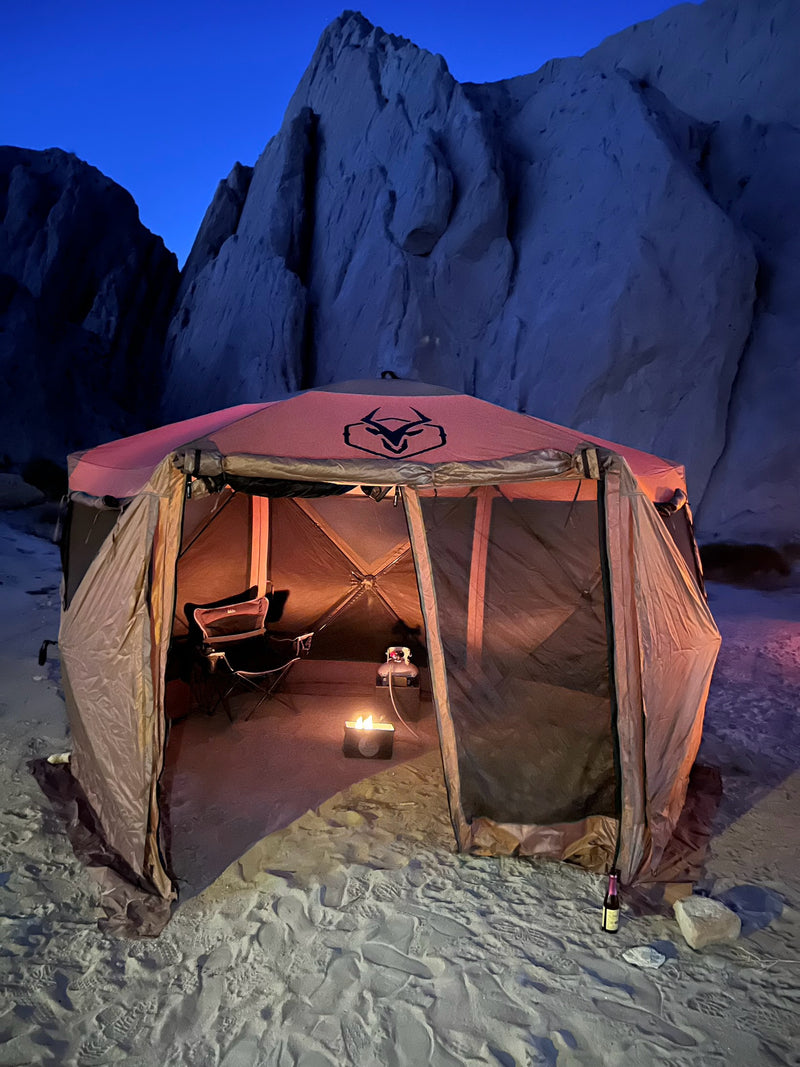
Credit: www.theshowerpouch.com
Choose The Right Tent
Choosing the right tent helps keep you warm during camping. The tent protects you from cold wind and rain. A good tent also keeps heat inside.
Think about the weather and camping season. Your tent choice affects how warm and comfortable you stay at night.
Four-season Vs Three-season Tents
Four-season tents are built for cold, snowy, and windy weather. They have stronger poles and thicker fabric. These tents keep heat inside better.
Three-season tents are lighter and made for spring, summer, and fall. They offer more ventilation but less warmth. These tents are good for mild weather.
Tent Size And Insulation
A tent that fits just right keeps you warmer. Too much space lets cold air in and cools the tent. Too small can feel cramped.
- Choose a tent size that fits the number of campers.
- Use a tent with insulated walls or add an insulating liner.
- Look for tents with fewer mesh panels to reduce heat loss.
- Consider tents with double walls for better insulation.
Proper Tent Setup
Setting up your tent correctly helps keep cold air out. Pitch the tent tight and low to the ground. Use all the stakes and guylines.
| Setup Tip | Reason |
|---|---|
| Pitch tent on flat ground | Prevents cold air pooling underneath |
| Use a footprint or groundsheet | Adds insulation from cold ground |
| Close vents at night | Keeps warm air inside |
| Secure rainfly tightly | Blocks wind and rain |
Select Warm Sleeping Gear
Choosing the right sleeping gear helps you stay warm during tent camping. Cold nights can be tough without proper equipment.
This guide covers three main items to keep you cozy: insulated sleeping bags, sleeping pads and mats, and liners and blankets.
Insulated Sleeping Bags
Insulated sleeping bags trap your body heat to keep you warm. Look for bags with good insulation ratings for cold weather.
- Choose down or synthetic fill based on moisture and weight needs.
- Check the temperature rating to match expected camping conditions.
- Pick mummy-shaped bags to reduce air space inside.
- Use bags with draft collars and hoods for extra warmth.
Sleeping Pads And Mats
Sleeping pads create a barrier between you and the cold ground. They add insulation and comfort.
| Type | Insulation Value (R-Value) | Best Use |
| Foam Pad | 2.0 to 3.0 | Lightweight camping |
| Inflatable Pad | 3.0 to 5.0 | Cold weather camping |
| Self-Inflating Pad | 3.5 to 6.0 | Comfort and warmth |
Using Liners And Blankets
Liners and blankets add an extra warm layer inside your sleeping bag. They help retain heat and keep you comfortable.
- Silk liners are lightweight and increase warmth by up to 10°F.
- Fleece liners add softness and extra insulation.
- Use wool or fleece blankets for added warmth outside the bag.
- Keep liners clean to maintain their insulating power.
Dress For Cold Weather
Staying warm in a tent during camping is very important. Dressing right helps keep your body heat inside.
Choosing the right clothes can protect you from cold air and wind. It makes your camping trip more comfortable.
Layering Clothes
Wearing clothes in layers traps heat between them. This keeps you warmer than one thick layer.
Start with a base layer that fits close to your skin. Add a middle layer for insulation. Finish with a shell layer to block wind and rain.
- Base layer: moisture-wicking fabric to keep skin dry
- Middle layer: fleece or wool for warmth
- Outer layer: waterproof and windproof jacket
Thermal Fabrics
Thermal fabrics keep body heat close. They also help wick away sweat to keep you dry.
Wool and synthetic materials work best for camping in cold weather. Cotton is not good because it holds moisture.
- Merino wool: soft, warm, and dries quickly
- Polyester: lightweight and moisture-wicking
- Fleece: warm and breathable
Keeping Feet And Hands Warm
Your feet and hands lose heat fast. Protect them with the right socks and gloves.
Wear thick wool socks and waterproof boots. Use insulated gloves and consider liners for extra warmth.
- Wear two pairs of socks: thin liner and thick wool
- Choose gloves that block wind and water
- Keep extra gloves and socks dry in your bag

Credit: hilltoppacks.com
Create Heat Inside The Tent
Staying warm inside a tent is important for a good camping experience. You need to create heat to feel comfortable at night.
There are simple ways to add heat inside your tent without much effort. These tools help keep the cold away.
Hot Water Bottles
Hot water bottles are easy to use and provide steady warmth. Fill them with hot water and place them inside your sleeping bag.
They keep your body warm for hours. Use a cover so the bottle does not burn your skin. This method is safe and cost-effective.
Portable Tent Heaters
Portable heaters are designed to warm tents quickly. They run on batteries, propane, or electricity. Make sure your tent is well ventilated.
Follow all safety instructions to avoid fire risks. These heaters can raise the temperature fast and keep you cozy during cold nights.
Heat Packs And Warm Accessories
Heat packs are small and easy to carry. Activate them by shaking or squeezing. Place them in your gloves, socks, or sleeping bag.
Other warm accessories include insulated blankets and thermal liners. They add extra warmth and help keep heat inside your tent.
Optimize Tent Ventilation
Keeping warm inside a tent requires good airflow. Proper ventilation stops moisture from building up.
Ventilation helps reduce dampness and keeps the air fresh. This makes your camping experience more comfortable.
Preventing Condensation
Condensation forms when warm air meets cold tent surfaces. It causes wet gear and chills inside the tent.
- Keep tent vents open to let moist air escape.
- Avoid cooking or boiling water inside the tent.
- Use a footprint or groundsheet to reduce moisture from the ground.
- Store wet clothes outside or in a separate bag.
- Dry your gear before entering the tent.
Balancing Warmth And Airflow
You need to keep warm but also let fresh air in. Blocking all airflow causes stuffiness and dampness.
| Action | Benefit |
| Open vents slightly | Reduces moisture while keeping warmth |
| Use a breathable rainfly | Allows air circulation and blocks rain |
| Wear warm clothing inside | Helps keep body heat without sealing tent |
| Use a small tent heater safely | Increases warmth with controlled airflow |
Manage Food And Hydration
Staying warm in a tent during camping is essential. A good way to do this is by managing your food and hydration. Eating the right meals and keeping hydrated can help maintain body warmth.
It’s important to focus on what you eat and drink. Warm meals and hot drinks can make a big difference in cold weather. Proper storage of your food and water is also key.
Eating Warm, High-calorie Meals
Eating warm meals helps you stay warm. Choose high-calorie foods to give your body energy. Foods like nuts, cheese, and pasta are great options.
- Cook soups and stews for warmth
- Include protein-rich foods in your meals
- Pack snacks like trail mix and energy bars
Drinking Hot Beverages
Hot drinks can warm your body quickly. They also help keep you hydrated. Consider bringing a thermos for your hot drinks to keep them warm longer.
- Drink hot chocolate or tea for comfort
- Carry instant coffee for quick warmth
- Warm water with lemon is refreshing
Storing Water Safely
It’s crucial to store water safely. You need to prevent it from freezing or getting contaminated. Use insulated bottles and keep them inside the tent.
| Tip | Details |
| Insulated bottles | Keep water from freezing |
| Store inside tent | Maintain a warmer temperature |
| Use water purifiers | Ensure safe drinking water |
Prepare Your Body Before Sleep
Staying warm in a tent is important for a good night’s sleep. Your body needs some preparation before you lie down. This helps keep your core temperature up.
Simple actions before bedtime can improve your warmth. Focus on ways to raise your body heat and relax your mind.
Exercise To Generate Warmth
Light exercise before sleep can warm your body. Moving helps increase blood flow and heat.
Try simple exercises like jumping jacks or jogging in place. Avoid heavy sweating as it can make you cold later.
- Do 5 to 10 minutes of light activity
- Stretch your arms and legs gently
- Keep moving but do not overheat
Avoiding Alcohol And Caffeine
Alcohol and caffeine affect your body’s heat control. They can make you feel warm at first but lower your core temperature later.
Skip drinks with alcohol or caffeine before sleeping in your tent. Water or warm herbal tea are better choices.
- Avoid coffee, tea, and soda at night
- Do not drink beer or wine before bed
- Choose warm water or decaf herbal tea
Relaxation Techniques
Relaxing helps your body use energy well and keeps you warm. Stress can make you feel colder.
Try deep breathing or gentle meditation before sleeping. These calm your mind and help your body maintain heat.
- Breathe slowly and deeply for a few minutes
- Focus on relaxing each muscle group
- Visualize warmth spreading through your body
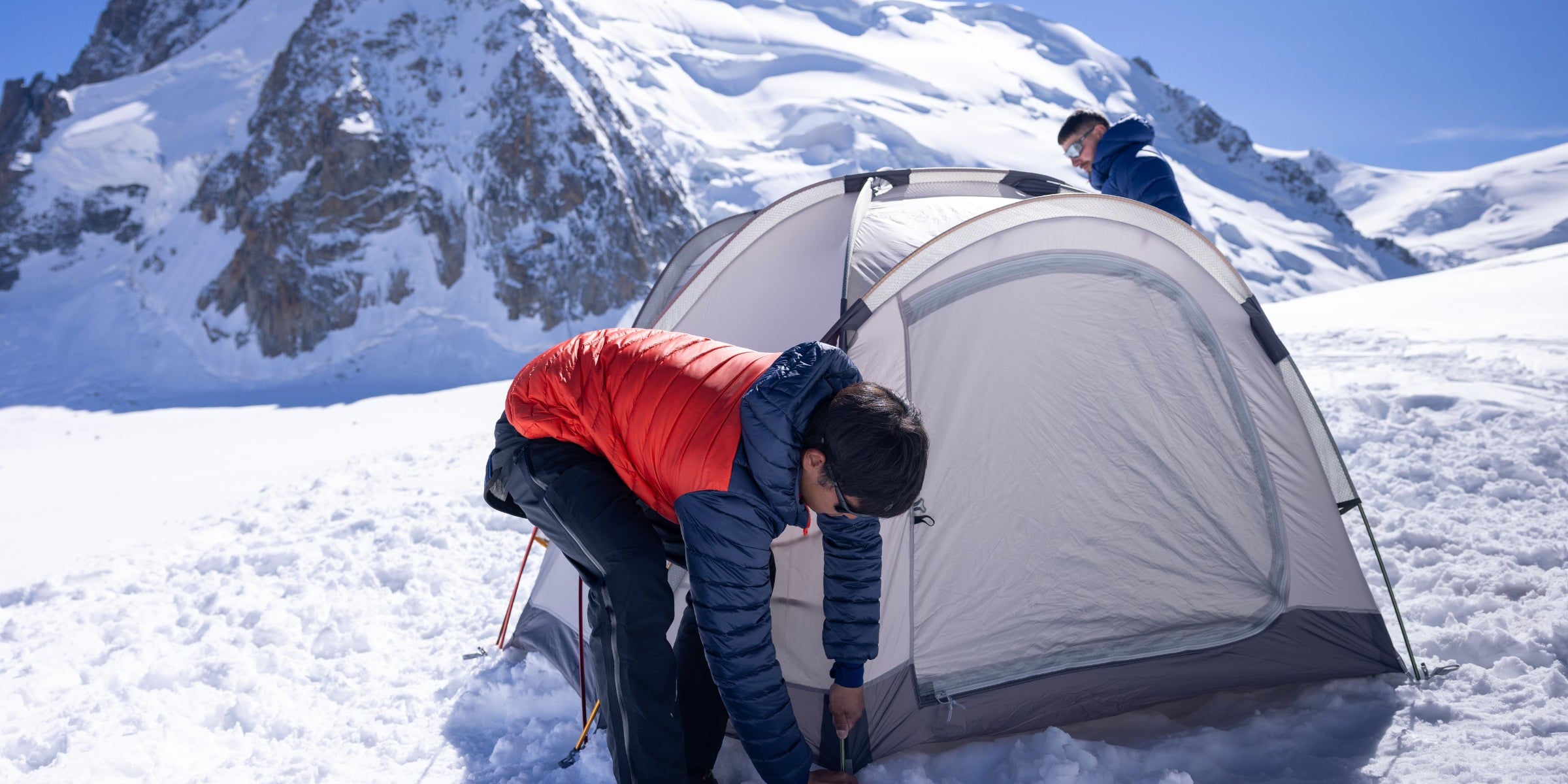
Credit: alpkit.com
Use Tent Accessories Wisely
Staying warm in a tent is easier with the right accessories. These items help keep the cold out and trap heat inside.
Using tent accessories smartly can make your camping trip more comfortable. They add extra layers and protection against wind and cold ground.
Rugs And Floor Covers
Rugs and floor covers add insulation between you and the cold ground. They help stop heat from escaping through the tent floor.
Choose thick, insulating materials like foam or heavy fabric. Lay them down before setting up your sleeping bag or mat.
- Use foam pads for extra cushioning and warmth
- Place rugs to cover the entire tent floor
- Keep rugs dry to maintain their insulating power
Windbreaks And Tarps
Windbreaks and tarps protect your tent from cold winds. They reduce heat loss by blocking chilly air from reaching your tent walls.
Set up tarps above or around your tent. Use windbreaks like natural barriers or portable screens on windy sides.
- Attach tarps tightly to avoid flapping noises
- Place windbreaks near open sides of the tent
- Check that tarps do not trap moisture inside
Reflective Blankets
Reflective blankets bounce heat back inside the tent. They keep warmth close to you and stop it from escaping through tent walls.
Use these blankets as liners on your tent walls or under your sleeping bag. They are lightweight and easy to carry.
- Place reflective blankets on tent floors for extra warmth
- Wrap them around yourself inside the sleeping bag
- Ensure blankets do not block tent ventilation
Frequently Asked Questions
How Can I Keep My Tent Warm While Camping?
Use a high-quality sleeping bag and insulated sleeping pad. Layer clothing and wear a hat inside the tent. Use a tent heater safely and seal any drafts.
What Clothing Is Best For Staying Warm In A Tent?
Wear moisture-wicking base layers, insulated mid-layers, and a waterproof outer layer. Avoid cotton; choose wool or synthetic fabrics for warmth and dryness.
Are Portable Heaters Safe Inside Tents?
Portable heaters can be safe if designed for tent use. Always follow manufacturer instructions and ensure proper ventilation to prevent carbon monoxide buildup.
How Does Sleeping Gear Affect Tent Warmth?
Sleeping bags with appropriate temperature ratings and insulated pads keep body heat close. They prevent cold from seeping in through the ground or air.
Conclusion
Staying warm in a tent keeps your camping trip fun and safe. Choose the right gear and dress in layers. Keep your sleeping bag dry and use a good sleeping pad. Stay active before bedtime to boost your body heat.
Seal your tent well to keep cold air out. Remember, small steps make a big difference in warmth. Enjoy your time outdoors with comfort and care. Happy camping!