Choosing the right baseball bat for your son can feel tricky. You want him to play comfortably, swing confidently, and improve his game.
But with so many sizes and options out there, how do you know which one fits him best? Picking the perfect bat size isn’t just about length or weight—it can make a real difference in how he performs and enjoys baseball.
Keep reading, and you’ll discover simple tips to find the ideal bat that matches your son’s age, height, and skill level. This way, you’ll help him step up to the plate with confidence every time.

Credit: www.betweenthelinesaz.com
Choosing The Right Bat Length
Picking the right baseball bat length helps your son play better. The right size makes swinging easier and improves control.
Several factors affect the right bat length. These include height, weight, age, and batting style.
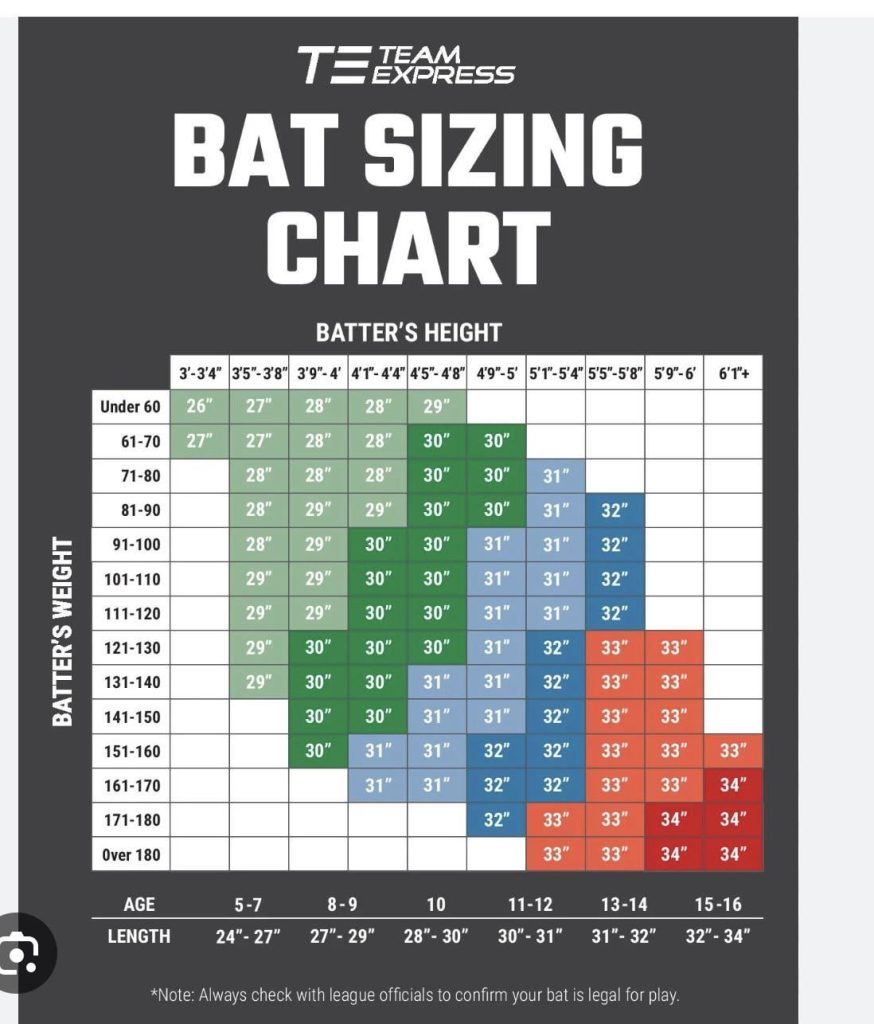
Measuring Your Son’s Height And Weight
Start by measuring your son’s height and weight. These numbers guide the bat length choice.
| Height (inches) | Weight (lbs) | Recommended Bat Length (inches) |
|---|---|---|
| 40 – 45 | 35 – 50 | 24 – 26 |
| 46 – 50 | 51 – 70 | 26 – 28 |
| 51 – 55 | 71 – 90 | 28 – 30 |
| 56 – 60 | 91 – 110 | 30 – 32 |
| 61 – 65 | 111 – 130 | 32 – 33 |
Age-based Bat Length Recommendations
Age helps narrow down the bat size. Younger players usually need shorter bats.
- Ages 4-6: Use bats 24 to 26 inches long.
- Ages 7-8: Use bats 26 to 28 inches long.
- Ages 9-10: Use bats 28 to 30 inches long.
- Ages 11-12: Use bats 30 to 32 inches long.
- Ages 13 and up: Use bats 32 inches or longer.
Adjusting Length For Batting Style
Batting style changes the ideal bat length. Some players like shorter bats for quick swings.
- If your son swings fast, pick a shorter bat.
- If he uses power swings, a longer bat may help.
- Try different lengths to see what feels best.
- Check if he can hold and control the bat comfortably.
Selecting The Proper Bat Weight
Choosing the right baseball bat is important for your son’s performance. A bat’s weight affects how he swings and hits the ball.
Understanding the bat’s weight helps in selecting one that suits his strength and skill level. Let’s look at some key factors.
Understanding Drop Weight
Drop weight is the difference between the bat’s length and weight. A higher drop weight means a lighter bat.
Lighter bats are easier to swing, making them great for beginners. Check the drop weight to ensure it matches your son’s needs.
- Drop weight = Length – Weight
- Higher drop = Lighter bat
- Ideal for young players
Finding The Balance Between Power And Control
A heavier bat gives more power to hit the ball further. However, it might be harder to control for younger players.
Finding a balance is key. The bat should be light enough for control but heavy enough for power.
- Heavier bats = More power
- Lighter bats = Better control
- Balance is important for success
Testing Bat Weight With Swing Speed
Let your son test different bats to see which one suits him best. Swing speed helps determine the right bat weight.
A good bat should allow him to swing fast while maintaining control. Testing helps find the perfect match.
- Test different bats
- Check swing speed
- Ensure control and comfort
Materials And Bat Types
Choosing the right baseball bat size depends on the material and type of bat. Different materials affect weight and swing speed.
Understanding the differences between wood, aluminum, and composite bats helps pick the best option for your son.
Wood Vs. Aluminum Bats
Wood bats are traditional and heavier. They give a solid feel but can break more easily. Aluminum bats are lighter and offer more power.
Aluminum bats are popular for youth baseball because they allow faster swings and better control. Wood bats are often used in high school and professional play.
- Wood bats have a natural feel and sound.
- Aluminum bats are lighter and more durable.
- Wood bats can break, aluminum bats rarely do.
- Aluminum bats provide a larger sweet spot.
Composite Bat Advantages
Composite bats are made from layered materials like carbon fiber. They are lighter than wood and can be stiffer than aluminum.
These bats reduce vibration, making swings more comfortable. Composite bats often have a larger sweet spot for better hits.
- Lightweight for faster swings
- Less vibration on contact
- Larger sweet spot than wood
- Can be more expensive than other bats
Durability And Performance Factors
Durability depends on the bat’s material. Wood bats break more easily but last with care. Aluminum and composite bats last longer.
Performance includes swing speed, control, and power. Lighter bats help younger players swing faster. Bigger sweet spots help make better contact.
- Wood bats may crack or splinter
- Aluminum bats resist dents and cracks
- Composite bats resist vibrations and impact
- Choose bat weight that your son can swing comfortably

Credit: batdigest.com
League Regulations And Standards
Choosing the right baseball bat size for your son depends on league rules. Different leagues have their own bat standards and size limits. These rules ensure fair play and safety for all players.
Understanding league regulations helps you pick a bat that meets legal requirements. It also guides you to select a bat that fits your son’s age and skill level.
Youth Baseball Bat Rules
Youth baseball leagues set rules on bat length, weight, and material. These rules vary by age group and league level. Common leagues include Little League, Babe Ruth, and USSSA.
Most leagues limit bat length to 33 inches or less for younger players. Weight limits often follow a drop weight rule, like -10 or -13. Drop weight is the difference between bat length and weight.
- Little League: Maximum 33 inches length, drop -13 or less
- Babe Ruth: Bats must meet BBCOR or USA Bat standards
- USSSA: Bats must have a 1.15 BPF rating or certification
Certification Stamps To Look For
Bat certification stamps show if a bat meets league standards. Look for these stamps before buying a bat for your son. The stamps vary depending on the league rules.
Common certification marks include USA Baseball, USSSA, and BBCOR. Each mark means the bat passed tests for safety and performance. Using a certified bat avoids disqualification in games.
- USA Baseball: Required for Little League and similar leagues
- USSSA: Needed for USSSA youth baseball leagues
- BBCOR: For high school and older players, sometimes Babe Ruth
Impact Of Regulations On Bat Choice
League rules affect what bats you can buy and use. A bat that is too long or heavy may break the rules. This can lead to your son not being allowed to play with that bat.
Following regulations helps your son use a bat that fits his size and skill. It also ensures safety by preventing bats that are too heavy or hard to control. Checking rules and certification stamps saves time and money.
Tips For Trying And Buying Bats
Choosing the right baseball bat for your son is important for his comfort and performance. Testing bats before buying helps find the best fit.
This guide covers where to try bats locally, what to consider when buying online, and how to budget for quality bats.
Where To Test Bats Locally
Testing bats in person lets your son feel the weight and length. Local sports stores and baseball training centers often have bats to try.
- Visit sporting goods stores with a batting cage or demo bats.
- Check if local baseball leagues host tryout events with bat testing.
- Ask coaches for places where players test and borrow bats.
- Look for baseball clinics that allow bat trials during practice.
Online Shopping Considerations
Buying bats online offers many options but comes with challenges. Size charts and return policies are key factors.
| Consideration | What to Check |
| Size Chart | Compare your son’s height and weight to the chart |
| Return Policy | Make sure returns or exchanges are easy |
| Customer Reviews | Read feedback about bat durability and feel |
| Shipping Time | Confirm delivery fits your schedule |
Budgeting For Quality Bats
Good bats last longer and perform better but can cost more. Set a budget to balance price and quality.
Here are some tips to budget wisely:
- Decide on a price range before shopping.
- Look for bats with good reviews in your budget.
- Consider used bats in good condition for savings.
- Save up for higher-end bats if your son plays often.

Credit: www.betweenthelinesaz.com
Maintaining And Caring For Baseball Bats
Choosing the right baseball bat size is important for your son’s performance. Taking care of the bat helps it last longer. Proper maintenance keeps the bat in good shape for every game.
Learning how to store, clean, and check the bat can prevent damage. These simple steps protect your investment and improve safety.
Proper Storage Techniques
Store the bat in a dry place away from extreme heat or cold. Avoid leaving it in a car trunk or outside where weather can cause damage.
Use a bat rack or a vertical holder to keep it off the ground. This prevents dents and warping over time.
- Keep bats indoors in a cool, dry spot
- Use a bat sleeve or cover for protection
- Store bats upright or on a rack, not on the floor
- Avoid leaving bats in direct sunlight or damp areas
Cleaning And Inspection
Clean the bat after each use to remove dirt and grass stains. Use a soft cloth with mild soap and water. Avoid harsh chemicals that can damage the bat’s finish.
Inspect the bat regularly for cracks, dents, or loose parts. Check the handle grip for wear and replace it if needed. A damaged bat can affect performance and safety.
- Wipe the bat with a damp cloth after games
- Use mild soap; avoid abrasive cleaners
- Look for cracks, dents, or dents on the barrel
- Check the grip for peeling or looseness
When To Replace A Bat
Replace the bat if you see cracks or deep dents. These damages reduce the bat’s power and can cause it to break during play.
If the grip wears out and cannot be fixed, it is time for a new bat. Also, if the bat feels heavy or unbalanced, consider getting a different size that fits better.
- Replace if there are cracks or deep dents
- Change the bat if the grip is badly worn
- Get a new bat if it feels heavy or unbalanced
- Follow league rules on bat age and condition
Frequently Asked Questions
What Size Baseball Bat Is Best For My Son’s Age?
The ideal bat size depends on your son’s age, height, and weight. Younger kids usually use 26-28 inch bats. Older kids may need 29-32 inch bats. Always check a size chart to match their physical stats for better performance and comfort.
How Do I Measure The Correct Bat Length For My Son?
Measure your son’s height and weight first. Use a baseball bat size chart to find the recommended bat length. Have your son hold the bat to ensure it feels comfortable and balanced before purchasing.
Does Bat Weight Affect My Son’s Hitting Performance?
Yes, bat weight greatly influences swing speed and control. Lighter bats help younger players swing faster and hit better. Heavier bats offer more power but may reduce swing speed for smaller kids.
Can My Son Use An Adult Baseball Bat?
No, adult bats are usually too long and heavy for children. Using the correct youth bat size prevents injuries and improves hitting mechanics. Always choose bats designed specifically for kids.
Conclusion
Choosing the right baseball bat size helps your son play better and safer. A bat that fits well feels comfortable and boosts his confidence. Consider his height, weight, and strength when picking a bat. Trying different bats can help find the best match.
The right bat makes practice and games more fun. Keep checking as he grows because sizes change fast. Good equipment supports skill and enjoyment on the field. Keep these tips in mind to support your young player’s success.