If you want to catch more fish and improve your fishing game, using braided fishing line is a smart move. But how do you get the most out of it?
You might have heard that braided line is strong and sensitive, but knowing exactly how to use it can make all the difference. You’ll discover simple, practical tips that will help you handle braided fishing line like a pro. Keep reading, and you’ll unlock the secrets to casting farther, feeling every nibble, and landing bigger fish with ease.
Your next fishing trip could be your best one yet.

Credit: www.ibass360.com
Benefits Of Braided Line
Braided fishing line is a popular choice among anglers. It offers several advantages over other types of fishing lines.
This line type helps improve your fishing experience with its unique features.
Strength And Durability
Braided lines are very strong for their size. They can hold more weight without breaking.
The fibers are tightly woven, making the line resistant to abrasion and wear.
- High breaking strength
- Less chance of snapping
- Resistant to cuts and nicks
Sensitivity And Control
Braided line has little stretch, which helps you feel fish bites better. This improves your reaction time.
You get better control over your lure and bait with this line type.
- Improves bite detection
- Provides precise lure movement
- Enhances hook setting ability
Casting Distance
Because braided line is thin and smooth, it casts farther than thicker lines.
This lets you reach spots that are harder to access with other lines.
- Longer casts with less effort
- Better accuracy in casting
- Useful for fishing in large bodies of water
Choosing The Right Braided Line
Braided fishing line is strong and durable. It is important to choose the right one for your fishing needs.
Consider factors like line diameter, strength, and color options. These will help you select the best braided line.
Line Diameter And Strength
Line diameter and strength are crucial for success. Thicker lines offer more strength but less sensitivity.
For smaller fish, choose a thinner line. For bigger catches, go for a thicker line.
- Thin lines are great for finesse fishing
- Thick lines handle heavy cover well
- Balance strength with line visibility
Color Options
The color of your fishing line affects visibility. Choose colors based on water conditions and fish behavior.
In clear water, a transparent or green line works best. In murky water, use a bright line for visibility.
- Green blends with underwater plants
- Yellow is easy to spot above water
- Red disappears at depth
Braided Line Brands
Many brands offer quality braided lines. Choose a brand that fits your budget and fishing style.
Research different brands and read reviews. Popular brands often provide reliable and durable lines.
- PowerPro offers versatile options
- Berkley is known for strength
- Sufix provides smooth casting lines
Setting Up Your Reel
Using braided fishing line requires special care when setting up your reel. Proper setup helps avoid tangles and line damage. This guide explains key steps to prepare your reel for braided line.
Follow these instructions to spool your reel correctly, add a leader, and adjust your drag system. These steps improve your fishing experience and line performance.
Spooling Braided Line Correctly
Spooling braided line is different from monofilament. It is thinner and stronger, so you must spool it tightly and evenly to prevent slippage. Use these tips to spool right.
- Attach the braided line to the reel spool with an arbor knot.
- Keep tension on the line with your fingers during spooling.
- Fill the spool until it is about 1/8 inch from the rim.
- Do not overfill; overfilling causes line twists and tangles.
- Check the line often for twists as you spool.
Adding A Leader
Adding a leader line helps prevent the braided line from fraying and makes your setup more invisible to fish. The leader is usually a monofilament or fluorocarbon line.
Use a strong knot to join the braided line to the leader. The most common knots are the FG knot and the double uni knot. Your leader should be about 2 to 4 feet long.
Adjusting Drag System
The drag system controls how much resistance the fish feels when pulling the line. Adjusting it correctly protects your braided line from breaking.
| Drag Setting | Use |
| Light Drag (10-15% of line strength) | Small fish or light tackle |
| Medium Drag (15-25% of line strength) | Average size fish |
| Heavy Drag (25-30% of line strength) | Large or strong fish |
Test the drag by pulling the line with your hand. It should release smoothly without jerking. Adjust the drag knob until you get smooth pressure.
Casting Techniques For Braided Line
Using braided fishing line needs a different casting style. This line is thinner and stronger than regular lines. It can change how your cast feels and performs.
Good casting helps you catch more fish and protects your gear. Learn the best ways to hold and cast braided line for smooth fishing.
Grip And Stance
Hold the rod firmly but not too tight. Keep your fingers relaxed to feel the line better. Your grip affects your control during the cast.
Stand with your feet shoulder-width apart. Face the target with your body slightly turned. This stance gives balance and power for the cast.
- Use your dominant hand to hold the rod handle
- Keep your wrist loose for smooth movement
- Place your feet steady on the ground
- Lean slightly forward for better reach
Smooth Casting Motion
Start the cast slowly and speed up smoothly. Avoid quick jerks that can tangle the line. A steady motion helps the line fly farther and straighter.
Release the line at the right moment. Let the spool spin freely to avoid tension. This helps the braided line glide without snapping.
- Begin the cast with a slow rod lift
- Increase speed evenly through the swing
- Release the line just before the rod tip points at the target
- Keep the rod tip high to reduce line drag
Avoiding Backlash
Backlash happens when the line spins too fast on the spool. It creates knots and tangles. Braided line can cause backlash if not handled well.
Use your thumb to control the spool speed. Lightly press the spool during the cast to stop it from over-spinning. Practice helps reduce backlash chances.
- Keep light thumb pressure on the spool
- Check the reel’s brake settings before casting
- Practice casting in open areas
- Keep the line tension steady after the cast
Maintaining Braided Line
Taking care of your braided fishing line helps it last longer. Proper maintenance keeps the line strong and reliable.
Here are key tips on cleaning, checking, and storing your braided line for the best fishing experience.
Cleaning And Drying
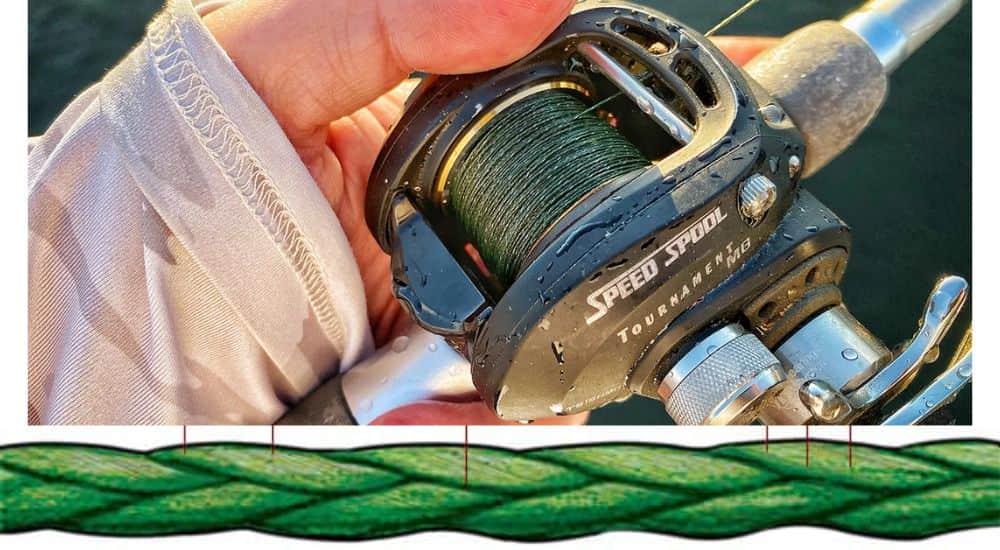
After fishing, rinse the braided line with fresh water to remove salt, dirt, and debris. Saltwater and dirt can damage the fibers over time.
- Use a gentle spray of fresh water
- Do not use harsh chemicals or detergents
- Dry the line in shade, away from direct sunlight
- Allow the line to fully dry before storage
Checking For Wear
Regularly inspect the braided line for signs of damage. Look for frays, cuts, or thinning areas that can cause breaks.
| Damage Type | What to Look For | Action to Take |
| Fraying | Loose or fuzzy fibers | Trim damaged section or replace line |
| Cuts | Visible cuts or nicks | Cut out damaged parts or replace line |
| Thinning | Areas that feel weaker or thinner | Replace line if severe thinning |
Proper Storage
Store your braided line in a cool, dry place. Avoid exposure to heat, sunlight, and moisture to prevent damage.
Follow these tips to store your line safely:
- Keep line on the reel or spool to avoid tangling
- Use a sealed container or plastic bag to protect from dust
- Store away from sharp objects that can cut the line
- Check line condition before each fishing trip
Credit: barbcatchfishing.com
Troubleshooting Common Issues
Braided fishing line is strong and sensitive. It helps catch fish better. Still, users face some problems when using it.
This guide covers common issues with braided line. Learn how to fix line slippage, knot failures, and line twists.
Line Slippage On Spool
Line slippage happens when the braid slips on the spool. It causes uneven line lay or line bunching. This problem makes casting harder.
To stop slippage, tie the line to the spool. Use a strong knot to hold it tight. Also, keep the spool wet while spooling.
- Tie an Arbor knot to secure the line.
- Apply light tension while winding line.
- Keep spool wet to increase friction.
- Use backing line if spool is smooth.
Knot Failures
Knot failures happen if knots are not tied well with braided line. Braided line is slippery and needs special knots. Using wrong knots causes line breakage.
Choose knots that work with braided line. Wet the line before tightening knots. Pull knots slowly and firmly to set them.
- Use knots like Palomar or Double Uni.
- Wet the line before tightening knots.
- Pull knots slowly and firmly.
- Trim tag ends close to the knot.
Line Twist And Tangles
Braided line can twist and tangle during casting or retrieval. Twists reduce casting distance and cause knots. Tangles make fishing frustrating.
Use proper casting techniques to avoid twists. Check spool tension and use a swivel if needed. Regularly inspect the line for tangles.
- Keep spool tension firm but not tight.
- Use a swivel to reduce line twist.
- Cast smoothly and avoid slack line.
- Inspect and untangle line after each use.

Credit: n1outdoors.com
Frequently Asked Questions
What Is The Best Way To Tie Braided Fishing Line?
Use the Palomar knot or Double Uni knot for braided line. These knots provide strong, reliable connections and prevent slippage. Always wet the knot before tightening to reduce friction and ensure a secure hold.
How Do I Spool Braided Fishing Line Correctly?
Attach the braided line spool to the reel, keeping tension. Slowly wind the line onto the reel, ensuring it lays evenly without twists or overlaps. Proper spooling prevents tangles and line damage during fishing.
Can Braided Fishing Line Be Used With Fluorocarbon Leaders?
Yes, braided line pairs well with fluorocarbon leaders. Use a strong knot like the FG or Double Uni knot to join them. This combo offers abrasion resistance and invisibility underwater, improving catch rates.
How Do I Prevent Braided Line From Fraying Or Breaking?
Regularly check for damage and trim frayed sections. Use line conditioner or wax to reduce friction. Avoid sharp objects and rough surfaces. Proper maintenance extends braided line life and maintains strength.
Conclusion
Braided fishing line offers strength and sensitivity for better fishing. Choose the right line for your rod and reel. Tie knots carefully to avoid slipping or breaking. Check the line often for wear and replace when needed. Practice casting to get smooth and accurate throws.
Use braided line to feel bites quickly and improve catches. Simple steps make fishing more fun and effective. Give braided line a try on your next trip. You’ll notice the difference in your fishing experience.