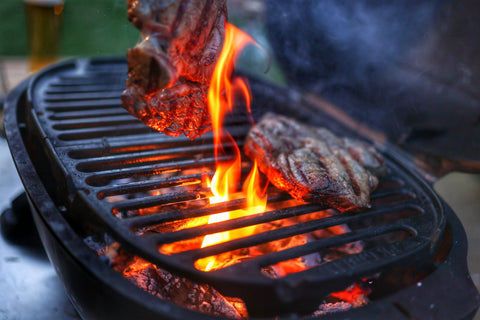
Are you someone who loves the smoky flavor that only charcoal grilling can bring? You’re not alone.
But have you ever stopped to wonder if grilling with charcoal might be bad for your health? It’s a question many food lovers like you ask but don’t always find clear answers to. You’ll discover what really happens when you cook over charcoal, what risks might be involved, and how you can enjoy your favorite grilled meals safely.
Keep reading—your next barbecue might depend on it.
Credit: www.thetakeout.com
Charcoal Grilling Basics
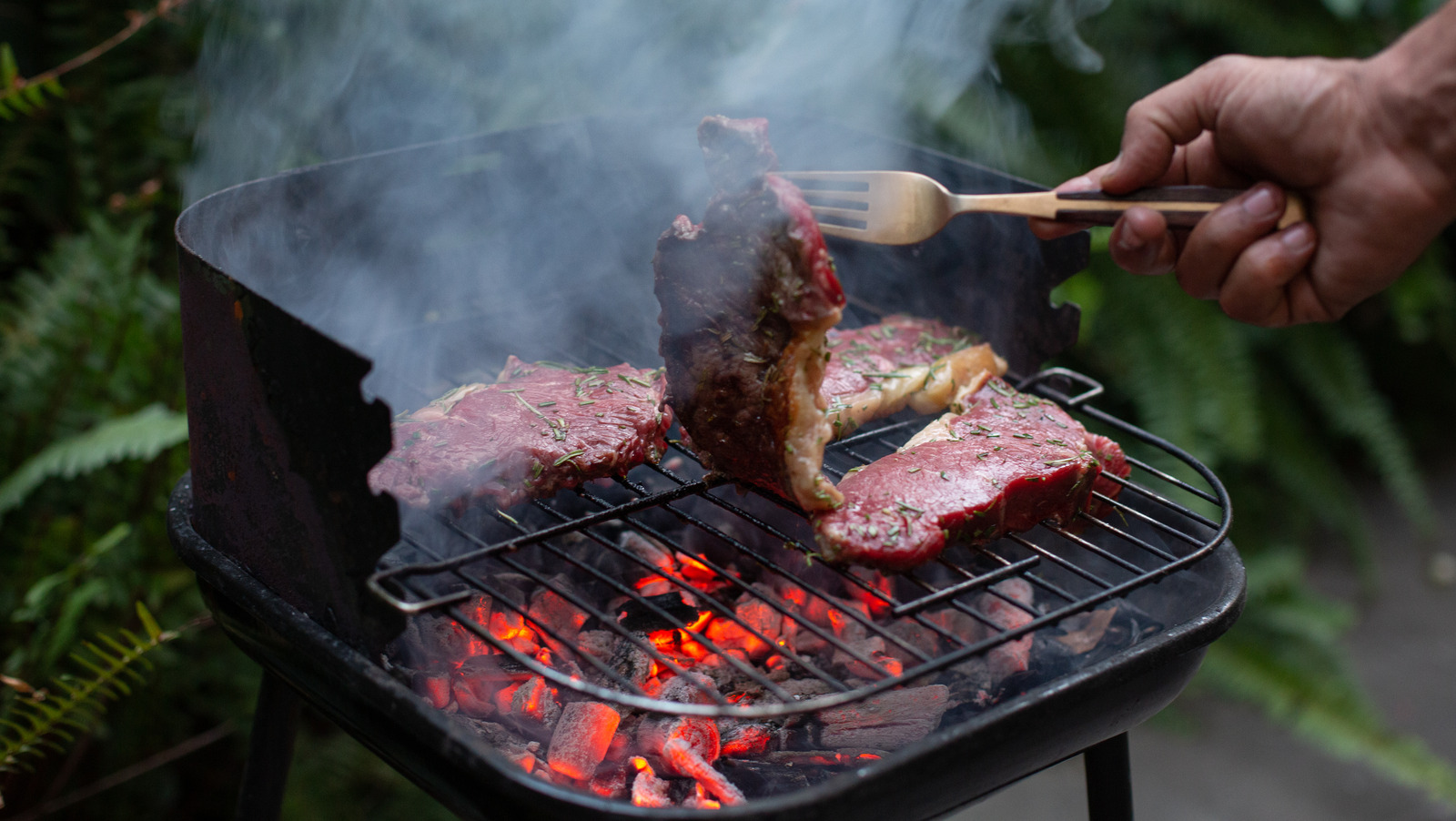
Charcoal grilling is a popular way to cook food outdoors. It uses charcoal as the heat source to give food a smoky flavor.
This style of grilling is simple and can create a unique taste that many people enjoy.
How Charcoal Grilling Works
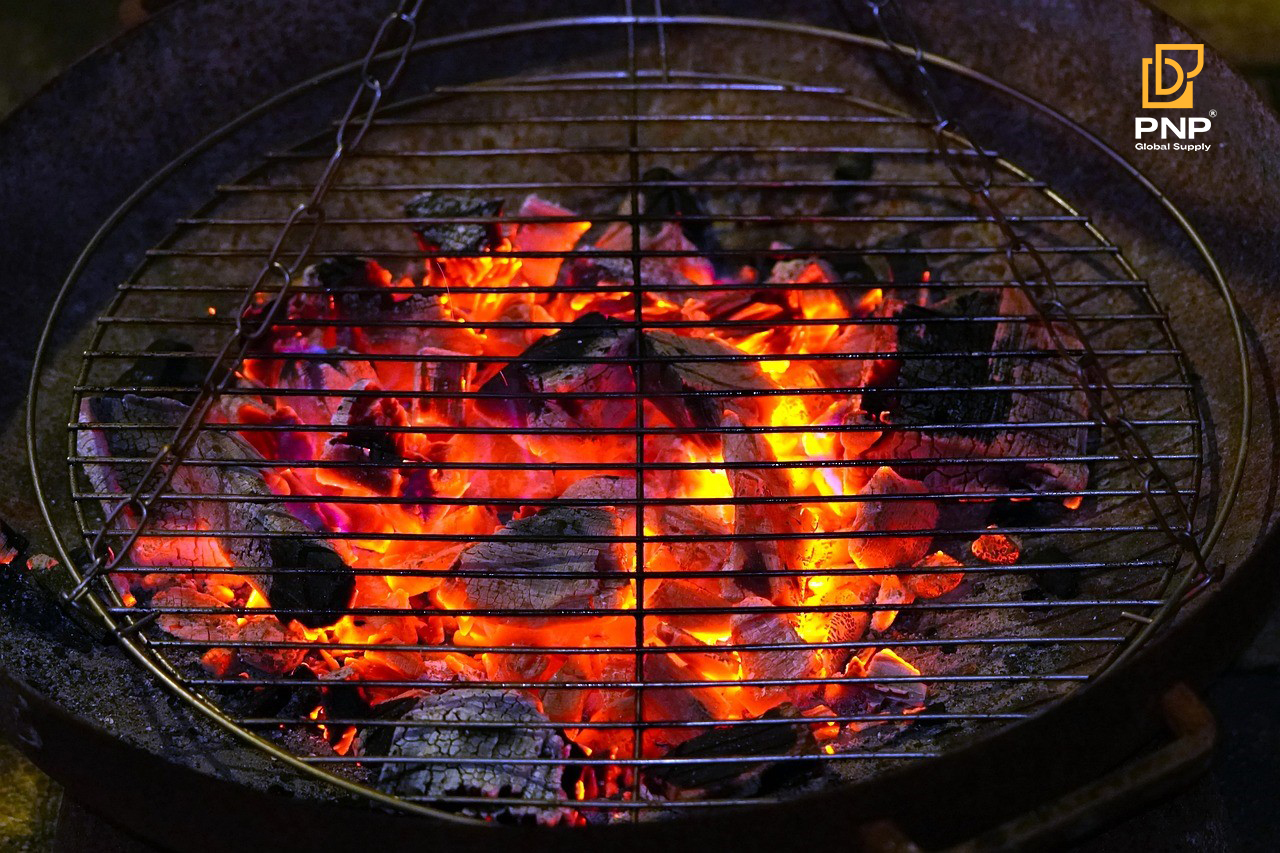
Charcoal grilling starts by lighting charcoal briquettes or lump charcoal. The charcoal burns and produces heat and smoke.
The heat cooks the food placed on a grill above the charcoal. The smoke adds flavor to the food during cooking.
Types Of Charcoal Used
There are two main types of charcoal used for grilling. Each type affects the cooking and flavor differently.
- Charcoal Briquettes:These are made from compressed wood and other materials. They burn evenly and last longer.
- Lump Charcoal:Made from pure wood chunks. It burns hotter and gives a stronger smoky flavor.
Health Concerns Linked To Charcoal Grilling
Charcoal grilling is a popular way to cook food. It gives a unique flavor that many people love. But there are health concerns to consider.
Cooking with charcoal can release harmful substances. It’s important to understand these risks to make informed choices.
Harmful Chemicals Released
When you grill with charcoal, harmful chemicals can be released. These chemicals come from the charcoal itself and the food being cooked.
Some of these chemicals include polycyclic aromatic hydrocarbons (PAHs) and volatile organic compounds (VOCs). These can be dangerous if inhaled or consumed in large amounts.
Risks Of Carcinogens
Carcinogens are substances that can cause cancer. Charcoal grilling can produce carcinogens when fat drips onto the hot coals.
This process creates smoke that contains carcinogens. These can stick to the surface of the food, increasing cancer risk.
Impact Of Smoke Inhalation
Inhaling smoke from charcoal grilling can affect your lungs. The smoke contains tiny particles that can enter your respiratory system.
This can lead to problems like coughing or shortness of breath. Long-term exposure to smoke can cause more serious health issues.
Comparing Charcoal To Other Cooking Methods
Grilling with charcoal is a popular way to cook outdoors. It gives food a smoky flavor that many people enjoy.
It is important to compare charcoal grilling to other cooking methods. This helps you understand any health effects.
Charcoal Vs Gas Grilling
Gas grills use propane or natural gas for heat. They heat up quickly and are easier to control.
Charcoal grilling produces smoke from burning coals. This smoke adds flavor but can also create harmful chemicals.
- Charcoal grilling can create more polycyclic aromatic hydrocarbons (PAHs), which may be harmful.
- Gas grilling produces fewer PAHs because it burns cleaner.
- Both methods can produce heterocyclic amines (HCAs) if food is cooked at high heat for long.
- Gas grills are easier to start and control temperature.
- Charcoal grills take longer to heat and need more attention.
Charcoal Vs Electric Grills
Electric grills use electricity to heat a metal plate or coil. They produce no smoke from fuel burning.
Charcoal grills create smoke and ash from burning wood or charcoal. This can affect air quality and health.
- Electric grills produce fewer harmful chemicals because they do not burn fuel.
- Charcoal grills can produce more carbon monoxide and fine particles.
- Electric grills are easier to use indoors and produce less mess.
- Charcoal grilling offers a unique smoky taste not found with electric grills.
Ways To Reduce Health Risks
Grilling with charcoal can produce harmful chemicals. These chemicals may affect your health if you do not take care. There are ways to lower these risks while still enjoying grilled food.
Using safer charcoal and good cooking habits helps reduce dangerous substances. Preparing food properly also plays a key role in keeping your meals healthier.
Choosing Safer Charcoal Options
Not all charcoal is the same. Some types produce fewer harmful chemicals. Look for natural lump charcoal or hardwood charcoal without additives. Avoid charcoal with added chemicals or lighter fluids.
- Use natural lump charcoal made from hardwood
- Avoid charcoal with chemical additives or fillers
- Skip using lighter fluid to start the fire
- Consider charcoal with certification for low emissions
Proper Grilling Techniques
How you grill affects the health risks. Cooking at lower temperatures reduces harmful smoke. Prevent fat from dripping on charcoal to avoid flare-ups. Flip food often to cook evenly and avoid burning.
| Technique | Benefit |
| Cook at medium heat | Less smoke and fewer chemicals |
| Use indirect grilling | Prevents burning and flare-ups |
| Flip food frequently | Even cooking and less charring |
| Remove charred parts | Reduces harmful substances in food |
Using Marinades And Food Preparation Tips
Marinating food before grilling helps lower harmful chemical formation. Use marinades with herbs, lemon juice, or vinegar. These ingredients act as antioxidants. Also, trim fat from meat to reduce flare-ups.
- Marinate meat for at least 30 minutes
- Use lemon, vinegar, garlic, or herbs in marinades
- Trim excess fat from meat before cooking
- Pre-cook meat in the oven or microwave to reduce grilling time
Environmental Impact Of Charcoal Grilling
Charcoal grilling is popular for its flavor, but it affects the environment. Using charcoal releases harmful gases and particles into the air.
Understanding the environmental effects helps us make better choices for cooking outdoors.
Carbon Emissions And Pollution
Charcoal grills produce carbon dioxide and other pollutants. These emissions contribute to air pollution and climate change. Burning charcoal also releases fine particles that harm air quality.
- Charcoal grilling emits more carbon dioxide than gas grills.
- Smoke from charcoal contains harmful chemicals.
- Production of charcoal leads to deforestation in some areas.
- Charcoal dust and ash can pollute soil and water.
Sustainable Alternatives
Choosing sustainable grilling options reduces harm to the planet. Many alternatives use cleaner fuels or renewable materials.
| Alternative | Environmental Benefit |
| Electric Grills | Zero direct emissions, uses renewable energy |
| Gas Grills | Lower carbon emissions than charcoal |
| Natural Lump Charcoal | Made from sustainable wood, less processing |
| Solar Cookers | Uses sun energy, no emissions |
Credit: pnpcharcoal.com
Debunking Common Myths
Grilling with charcoal has been a popular cooking method for many years. Some people worry it might be bad for health. Let’s look at some common myths and facts.
We will answer two main questions about charcoal grilling and health risks. This helps you understand the truth.
Is Charcoal Cancer-causing?
People often think charcoal grilling causes cancer. The concern comes from chemicals called PAHs and HCAs. These chemicals can form when meat cooks at high heat.
Studies show these chemicals may increase cancer risk if you eat a lot of grilled meat. But using charcoal itself is not the direct cause of cancer.
- PAHs form when fat drips on hot charcoal and creates smoke.
- HCAs form when muscle meat cooks at high temperature.
- Eating grilled meat in moderation lowers risk.
- Using proper grilling methods reduces harmful chemicals.
Does Charcoal Grilling Affect Food Nutrition?
Some people ask if charcoal grilling lowers food nutrition. Cooking changes some nutrients, but this happens with all heat methods.
Grilling can keep more vitamins than boiling or frying. It cooks food quickly and seals in juices. This helps keep protein and minerals safe.
- Grilling keeps protein content stable.
- Some vitamins like B and C reduce with heat.
- Grilling helps reduce fat by dripping it away.
- Using moderate heat keeps nutrition better.
Practical Tips For Safe Charcoal Grilling
Grilling with charcoal can be fun and tasty. It is important to stay safe while cooking.
Follow simple tips to reduce risks and enjoy your meal without worry.
Ventilation And Location
Always grill in an open, well-ventilated area. This helps avoid dangerous smoke and gases.
Keep your grill away from buildings, trees, and anything that can catch fire easily.
- Use charcoal grills outdoors only
- Place grill on a flat, stable surface
- Avoid grilling near windows or doors
- Keep a safe distance from flammable objects
Cleaning And Maintenance
Clean your grill after each use to avoid buildup of grease and ash. This lowers fire risks.
Check your grill for damage or rust before grilling. Fix or replace parts if needed.
- Remove ashes after cooling
- Scrub grates with a brush to remove food
- Inspect for cracks or holes in the grill body
- Store charcoal in a dry place
Monitoring Cooking Times
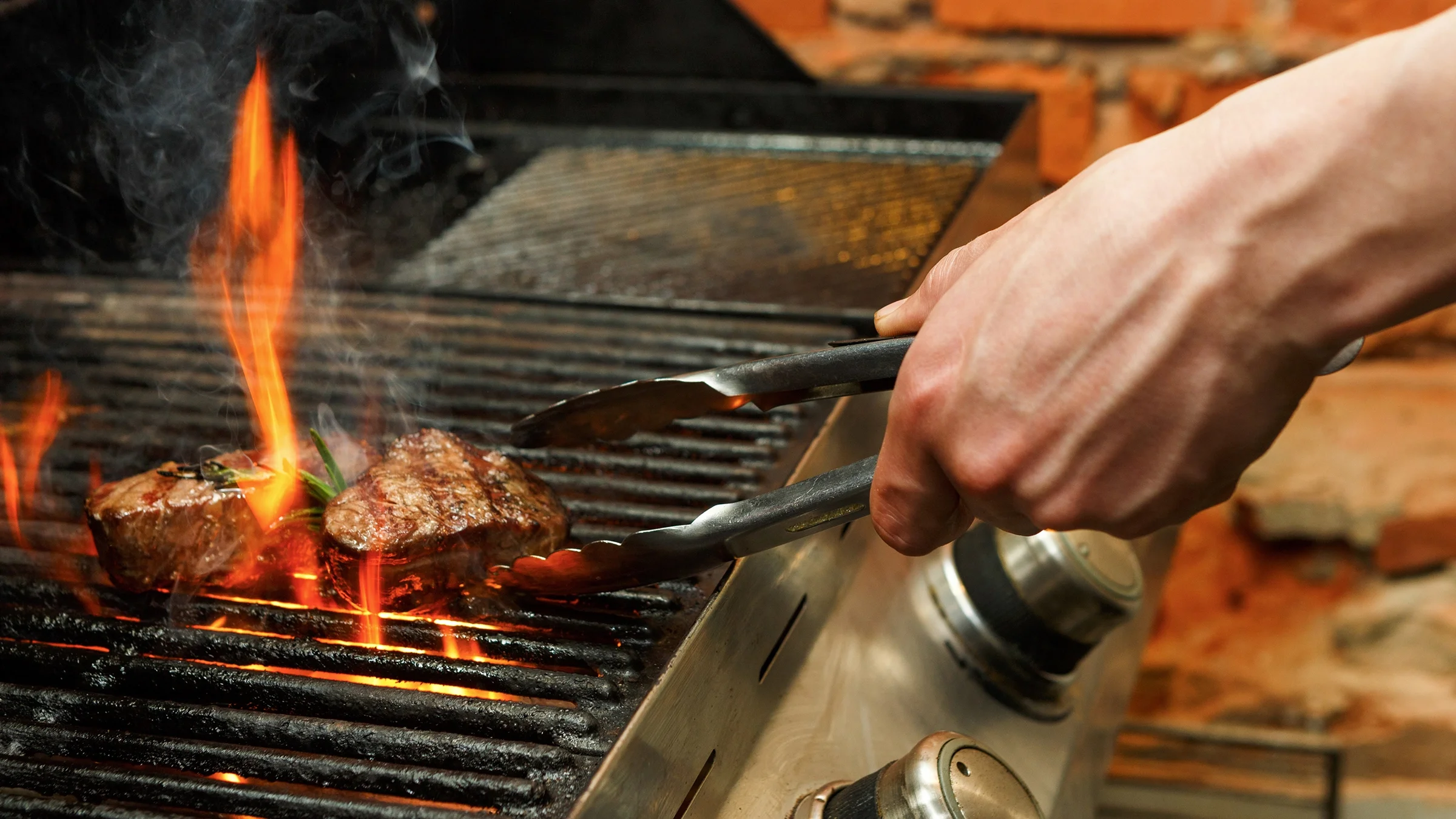
Watch your food closely to avoid burning. Burnt food can produce harmful chemicals.
Use a timer or a meat thermometer to cook food safely and correctly.
- Check food often to prevent charring
- Turn food regularly for even cooking
- Use a thermometer for safe meat temperatures
- Keep flare-ups under control by moving food
Credit: www.goodrx.com
Frequently Asked Questions
Is Charcoal Grilling Harmful To Health?
Charcoal grilling produces smoke with harmful chemicals. These can increase the risk of respiratory issues and certain cancers. Using proper ventilation and avoiding over-charring meat reduces these risks.
Does Charcoal Grilling Create Cancer-causing Compounds?
Yes, grilling meat over charcoal forms carcinogens like PAHs and HCAs. These compounds may increase cancer risk if consumed frequently in large amounts.
How Can I Reduce Risks When Grilling With Charcoal?
Use lean meats, marinate food, and avoid charring. Grill in a well-ventilated area and clean the grill regularly to minimize harmful chemical buildup.
Is Charcoal Grilling Worse Than Gas Grilling?
Charcoal produces more smoke and carcinogens than gas grills. However, with proper precautions, both can be safe for occasional use.
Conclusion
Grilling with charcoal can add great flavor to your food. Yet, it may produce harmful chemicals if not done carefully. Using proper techniques can reduce risks. Choose good quality charcoal and avoid burning food too much. Keep your grill clean to limit smoke and toxins.
Enjoy grilling, but take simple safety steps. This way, you can savor tasty meals without worry. Balance is key for health and flavor on the grill.