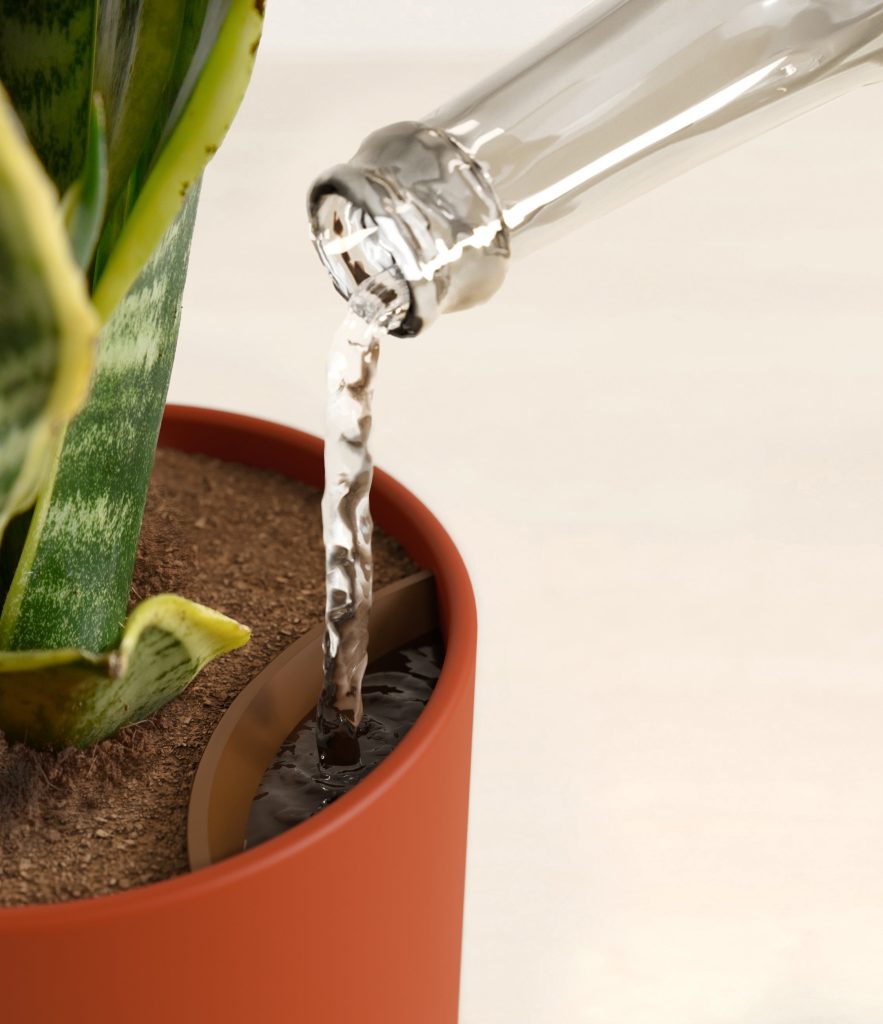
Are you tired of constantly checking if your plants need water? What if your plants could take care of themselves for days or even weeks?
With self watering planters, you can make that a reality. These clever containers help keep your plants healthy by giving them the right amount of water exactly when they need it. You’ll discover simple steps to use self watering planters effectively, so your plants thrive with less effort from you.
Keep reading to unlock the secret to happier, more vibrant plants without the hassle.

Credit: www.amazon.com
Benefits Of Self Watering Planters
Self watering planters help plants grow with less effort. They store water and supply it to plants as needed.
These planters save water and keep soil moist. They also reduce the time needed to care for plants.
Water Conservation
Self watering planters use water efficiently. They keep water in a reservoir below the soil.
- Water stays in the planter longer
- Less water evaporates into the air
- Plants only use the water they need
- Reduces overall water waste
Consistent Moisture Levels
These planters keep soil moist at all times. Plants get steady water without drying out or flooding.
| Moisture Level | Effect on Plants |
|---|---|
| Too Dry | Wilting and slow growth |
| Consistent Moisture | Healthy roots and steady growth |
| Too Wet | Root rot and poor health |
Reduced Maintenance
Self watering planters need less frequent watering. This saves time and effort for gardeners.
- No daily watering needed
- Good for busy or forgetful gardeners
- Less chance of overwatering
- Helps plants survive when away
Choosing The Right Planter
Self-watering planters are great for keeping plants hydrated. Choosing the right planter is important for plant health.
Consider the material, size, and compatibility with your plants. This guide helps you pick the perfect one.
Material Options
Planters come in various materials. Each has pros and cons.
- Plastic: Lightweight and affordable
- Ceramic: Stylish but heavy
- Metal: Durable but can heat up
- Wood: Natural look, may rot over time
Size Considerations
The size of your planter affects plant growth. Ensure it is neither too big nor too small.
| Plant Type | Recommended Planter Size |
| Small herbs | 6-8 inches |
| Medium shrubs | 10-12 inches |
| Large indoor plants | 14-18 inches |
Plant Compatibility
Not all plants thrive in self-watering planters. Choose plants that like consistent moisture.
Setting Up Your Planter
Using a self watering planter helps keep plants hydrated with less effort. Setting it up correctly is key for healthy growth.
Follow simple steps to prepare the soil, fill the water reservoir, and plant your seeds or seedlings.
Preparing The Soil
Good soil helps plants grow strong. Use soil that drains well but holds moisture.
- Choose a potting mix made for containers.
- Add perlite or sand to improve drainage.
- Mix in some compost for nutrients.
- Fill the planter with the soil mix, leaving space at the top.
Filling The Water Reservoir
The water reservoir feeds water up to the soil as needed. Keep it filled for steady moisture.
| Water Reservoir Tip | Details |
| Fill Level | Fill to the indicated max line |
| Water Type | Use clean, room temperature water |
| Check Frequency | Refill every few days or when low |
| Drainage | Ensure holes are not blocked |
Planting Techniques
Plant seeds or seedlings gently to avoid damage. Follow the planting depth and spacing on seed packets.
- Make small holes in the soil for seeds or roots.
- Place seeds or seedlings carefully in holes.
- Cover lightly with soil without packing it down.
- Water lightly if soil feels dry on top.
- Label plants to keep track of what you planted.

Credit: www.amazon.com
Optimal Watering Practices
Using self watering planters helps plants get water easily. It saves time and keeps soil moist.
To keep plants healthy, follow good watering habits. This guide explains how to water well.
Refilling Schedule
Check the water reservoir often. Refill it before it gets empty to keep plants hydrated.
Most planters need refilling every 7 to 14 days. It depends on the plant type and weather.
- Look at the water level indicator if your planter has one
- Fill the reservoir only with water, not soil or fertilizer
- Refill more often in hot or dry weather
Water Quality Tips
Use clean water to avoid harming plants. Tap water is usually fine but check for chemicals.
Rainwater or filtered water is better. Avoid salty or hard water as it can build up in soil.
- Let tap water sit for 24 hours to remove chlorine
- Use room temperature water for best results
- Do not use water with soap or chemicals
Avoiding Overwatering
Self watering planters reduce overwatering risks. Still, check soil moisture to avoid problems.
Too much water can cause root rot. Use the planter’s water level guide to prevent this.
- Do not keep the reservoir too full for too long
- Remove excess water if soil feels soggy
- Allow some drying time between refills
Maintaining Healthy Plants
Self watering planters help keep plants hydrated without daily care. Still, plants need attention to stay healthy and grow well.
Proper care includes feeding, trimming, and protecting plants. These steps help your plants thrive in self watering planters.
Fertilizing Strategies
Use the right fertilizer to give plants nutrients they need. Choose a balanced fertilizer that works for most plants in your planter.
- Apply fertilizer every 4 to 6 weeks during growing season
- Use liquid fertilizer for quick nutrient absorption
- Slow-release pellets work well for long-term feeding
- Follow package instructions to avoid overfeeding
Pruning And Care
Regular pruning helps plants grow strong and healthy. Remove dead or yellow leaves to improve airflow and light exposure.
| Pruning Task | Purpose |
| Remove dead leaves | Prevents disease and pests |
| Trim leggy stems | Encourages bushier growth |
| Cut faded flowers | Promotes new blooms |
Pest Prevention
Watch for pests that harm plants in self watering planters. Early detection stops damage and keeps plants healthy.
- Inspect leaves and stems weekly for insects
- Use mild soapy water spray to remove pests
- Keep planters clean and free from debris
- Place planters in well-lit areas to reduce pests
Troubleshooting Common Issues
Self watering planters make plant care easier. Still, some problems can happen.
Knowing how to fix these issues keeps plants healthy and growing well.
Root Rot Prevention
Root rot happens when roots stay too wet. It can kill your plants fast.
Check the water level often. Do not fill the reservoir past the max line.
- Use well-draining soil to help air reach roots.
- Empty the water reservoir if you see foul smells.
- Lift the planter to check if it feels too heavy from water.
Dealing With Wilting
Wilting means your plant is stressed. It could be too dry or too wet.
Look at soil moisture and water reservoir. Adjust watering to keep soil moist but not soggy.
- Refill the water reservoir if it is empty.
- Remove excess water if the soil is too wet.
- Place the planter where the plant gets enough sunlight.
Addressing Algae Growth
Algae can grow in clear water reservoirs or on wet soil surfaces.
Algae blocks air and can harm roots. Clean your planter regularly to stop algae.
- Cover water reservoirs to block light.
- Use dark-colored or opaque containers.
- Rinse soil surface gently to remove algae patches.
Creative Uses For Self Watering Planters
Self watering planters make gardening easier and less messy. They help plants get the right amount of water all the time.
These planters can be used in many creative ways to grow different plants indoors and outdoors. They save time and keep plants healthy.
Indoor Gardening
Self watering planters are great for indoor plants. They keep moisture steady, so you don’t have to water every day.
Use them for houseplants like ferns, peace lilies, or small flowers. They also work well for plants that need consistent water.
- Place planters near windows for natural light
- Use different sizes for various plant types
- Keep soil moist but not soggy
Balcony And Patio Plants
Self watering planters help keep outdoor plants healthy on balconies and patios. They reduce watering chores during hot days.
Choose colorful flowers or small shrubs to brighten your outdoor space. These planters keep water in reserve for thirsty plants.
- Use larger planters for more water storage
- Group plants with similar water needs
- Check water level regularly to refill
Growing Herbs And Vegetables
Self watering planters work well for growing herbs and vegetables. They keep roots moist, which helps plants grow strong.
Try growing basil, mint, lettuce, or cherry tomatoes. These planters make it easy to have fresh food at home.
- Use deep planters for root vegetables
- Place planters in sunny spots
- Fill reservoirs with water and nutrients

Credit: eliandkate.com
Frequently Asked Questions
What Are Self Watering Planters?
Self watering planters automatically supply water to plants through a reservoir. They reduce watering frequency and prevent overwatering. This system ensures plants get consistent moisture for healthy growth.
How Do Self Watering Planters Work?
These planters have a water reservoir below the soil. Water moves up through capillary action, keeping soil moist. Plants absorb water as needed, promoting efficient hydration.
Can I Use Self Watering Planters Indoors?
Yes, self watering planters are ideal for indoor plants. They minimize mess and maintain moisture levels. This makes them perfect for busy or forgetful plant owners.
What Plants Grow Best In Self Watering Planters?
Herbs, vegetables, and tropical plants thrive in self watering planters. They benefit from steady moisture and reduced watering stress. Avoid plants needing dry soil, like succulents.
Conclusion
Self watering planters save time and water for your plants. They keep soil moist without daily watering. This helps plants grow healthy and strong. You can enjoy gardening even with a busy schedule. These planters suit beginners and experts alike.
Try one to see how easy plant care can be. Your garden will stay green and happy with less effort. Simple tools, better results. Gardening made gentle and smart.