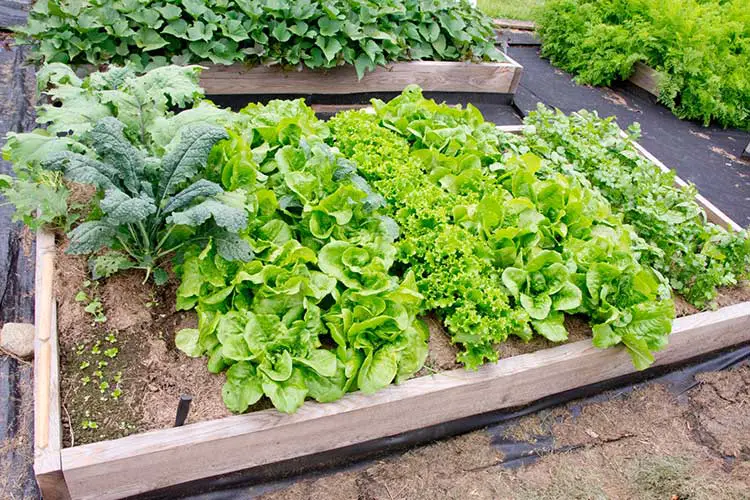
Are you wondering what you can grow in a raised garden bed? Whether you have limited space or just want an easier way to garden, raised beds are a great choice.
They give your plants better soil, improved drainage, and can even make gardening more enjoyable. But with so many options, it can be tough to decide what to plant. You’ll discover the best vegetables, herbs, and flowers that thrive in raised beds.
By the end, you’ll know exactly what to grow to make your garden flourish. Ready to unlock the full potential of your raised garden bed? Let’s dive in!

Credit: www.vegega.com
Choosing Plants For Raised Beds
Raised garden beds offer better soil control and drainage. This helps plants grow stronger and healthier.
Choosing the right plants is important. Some plants do well in raised beds, while others do not.
Best Vegetables
Many vegetables grow well in raised beds. These beds warm up faster in spring and drain well.
Root vegetables and leafy greens are great choices. They need loose soil and good drainage.
- Carrots
- Beets
- Lettuce
- Spinach
- Radishes
- Tomatoes
- Peppers
Ideal Herbs
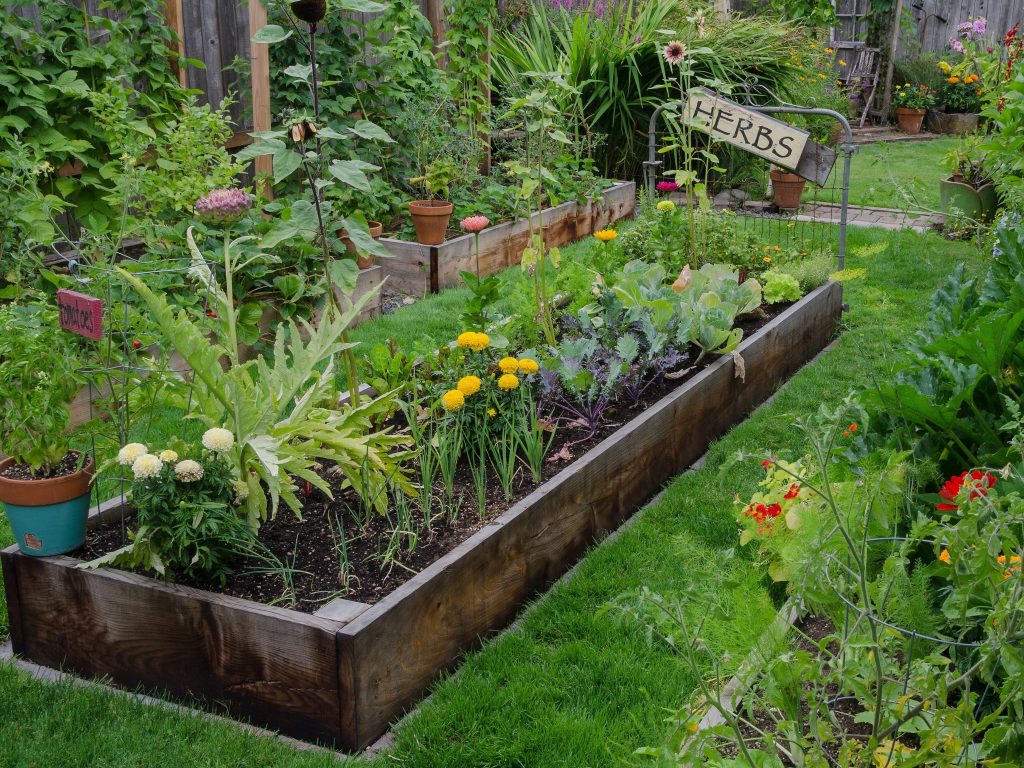
Herbs like raised beds because of the good soil and drainage. They also need less space.
Most herbs prefer sunny spots and well-drained soil. Raised beds offer these conditions easily.
- Basil
- Parsley
- Thyme
- Oregano
- Chives
- Mint (best in pots to control spreading)
Fruits That Thrive
Some fruits do very well in raised beds. They like the loose, warm soil that drains well.
Small fruits and berries can fit well in raised beds. They need space to spread but grow quickly.
- Strawberries
- Blueberries (need acidic soil)
- Raspberries
- Dwarf fruit trees (like apples or peaches)
Soil And Bed Preparation
Raised garden beds are a great way to grow healthy plants. They allow you to control the soil quality and drainage easily.
Proper soil and bed preparation are key to a successful garden. Let’s explore the essential steps you need to follow.
Selecting Quality Soil
Choosing the right soil mix is crucial for plant growth. Opt for a balanced mix of topsoil, compost, and organic matter.
- Topsoil: Provides structure and nutrients.
- Compost: Enriches soil with organic matter.
- Organic Matter: Enhances soil fertility.
Improving Drainage
Good drainage prevents waterlogging and root rot. Ensure your raised bed allows excess water to escape.
Fertilizing Tips
Fertilizers supply essential nutrients to your plants. Use them wisely to boost growth and productivity.
| Type of Fertilizer | Benefits |
| Organic | Improves soil health |
| Inorganic | Provides quick nutrients |
| Slow-release | Steady nutrient supply |
Sunlight And Water Needs
Growing plants in a raised garden bed means paying attention to sunlight and water. These two factors affect how well your plants grow and produce.
Choosing the right spot and watering method helps your garden thrive. Let’s look at sunlight requirements, watering techniques, and irrigation options.
Sunlight Requirements
Most vegetables and flowers need at least six hours of direct sunlight each day. Some plants do well with less light, like leafy greens, while fruiting plants need more sun.
- Full sun: 6 or more hours of direct light
- Partial sun: 4 to 6 hours of direct light
- Partial shade: 2 to 4 hours of direct light
- Shade: less than 2 hours of direct light
Watering Techniques
Water your raised bed deeply but less often. This encourages roots to grow deeper. Avoid watering lightly every day, which can cause weak roots.
- Check soil moisture before watering by feeling the soil.
- Water the base of plants, not the leaves.
- Water in the early morning or late afternoon.
- Use mulch to keep soil moist and reduce evaporation.
Irrigation Options
| Irrigation Type | Benefits | Best For |
|---|---|---|
| Drip Irrigation | Delivers water directly to roots, saves water | Vegetables, flowers, herbs |
| Soaker Hoses | Slow water release, easy to install | Raised beds with many plants |
| Sprinklers | Covers large areas, good for lawns | Not ideal for raised beds |

Credit: www.vegega.com
Seasonal Planting Guide
Raised garden beds let you grow many plants year-round. Knowing what to plant each season helps your garden thrive.
This guide shows the best plants for spring, summer, fall, and winter in raised beds.
Spring Choices
Spring is good for cool-weather crops. These plants grow well in moist, cooler soil.
- Lettuce
- Peas
- Spinach
- Radishes
- Broccoli
Summer Picks
Summer plants need warm soil and lots of sun. They thrive in raised beds with good drainage.
| Plant | Sunlight | Water Needs |
| Tomatoes | Full Sun | Moderate |
| Peppers | Full Sun | Moderate |
| Zucchini | Full Sun | High |
| Basil | Full Sun | Low |
Fall And Winter Options
Cooler months suit hardy plants. Raised beds protect roots from frost.
Try these in fall and winter:
- Kale
- Brussels sprouts
- Carrots
- Garlic
- Onions
Companion Planting Tips
Companion planting helps plants grow better together in raised garden beds. It uses natural relationships between plants.
Choosing the right companions can improve growth, reduce pests, and increase harvest. Avoid pairing plants that do not work well together.
Beneficial Pairings
Some plants help each other by attracting pollinators or keeping pests away. These pairs grow stronger and healthier.
- Tomatoes and basil improve flavor and repel insects.
- Carrots and onions keep pests like carrot flies and onion flies away.
- Corn, beans, and squash grow well together; beans fix nitrogen for corn, and squash covers the ground.
- Marigolds protect many vegetables by repelling harmful insects.
Plants To Avoid Together
Some plants compete for nutrients or attract the same pests. Avoid planting these together to keep your garden healthy.
| Plant 1 | Plant 2 | Reason to Avoid |
| Tomatoes | Potatoes | Both attract blight disease |
| Carrots | Dill | Dill can stunt carrot growth |
| Beans | Onions | Onions inhibit bean growth |
| Cucumber | Potatoes | Both attract similar pests |
Pest And Disease Control
Growing plants in a raised garden bed helps with soil and water control. Still, pests and diseases can harm your plants. Knowing how to spot and stop these problems is important.
Using safe methods keeps your garden healthy and your plants strong. You can protect your garden without harsh chemicals.
Common Pests
Many insects and animals can damage raised garden beds. Some pests eat leaves, while others suck plant juices.
- Aphids: Small insects that cluster on new growth.
- Slugs and Snails: They leave slimy trails and eat leaves.
- Spider Mites: Tiny bugs that cause yellow spots on leaves.
- Caterpillars: Larvae that chew holes in plants.
- Whiteflies: Small white insects that fly when disturbed.
Natural Remedies
Natural remedies keep pests away without harming beneficial insects or the environment. They are safe for your family and pets.
| Remedy | Use |
| Neem Oil | Spray on leaves to repel aphids and mites. |
| Garlic Spray | Keep away caterpillars and whiteflies. |
| Diatomaceous Earth | Sprinkle around plants to stop slugs and snails. |
| Soap Spray | Wash off soft-bodied pests like aphids. |
| Hand Picking | Remove large pests like caterpillars by hand. |
Preventive Measures
Preventing pest and disease problems is easier than fixing them. Cleanliness and good habits keep your garden safe.
- Remove dead leaves and plant debris regularly.
- Water plants early in the day to avoid dampness at night.
- Space plants to allow good air flow.
- Rotate crops each season to stop pests from settling.
- Use mulch to keep weeds down and soil moist.
Maintaining Your Raised Bed
Keeping your raised garden bed healthy needs regular care. Good maintenance helps plants grow strong.
Simple tasks like weeding and soil care improve your garden’s success.
Weeding Strategies
Weeds steal nutrients and water from your plants. Remove them often to keep your bed healthy.
- Pull weeds by hand when the soil is moist.
- Use mulch to prevent weed seeds from growing.
- Check your bed weekly for new weeds.
- Dispose of weeds away from your garden area.
Soil Health Management
Healthy soil feeds your plants and holds water well. Test your soil regularly to know its needs.
| Soil Care Task | Frequency | Purpose |
| Add compost | Every season | Boost nutrients |
| Check pH | Once a year | Balance acidity |
| Loosen soil | Monthly | Improve air and water flow |
| Remove debris | Weekly | Prevent pests and diseases |
Crop Rotation Ideas
Changing what you grow each season stops pests and keeps soil healthy. Rotate crops with different needs.
- Grow leafy greens after root vegetables.
- Plant legumes like beans to add nitrogen to soil.
- Avoid planting the same family in one spot two seasons in a row.
- Use a garden planner to track your rotations.
Credit: www.melnor.com
Frequently Asked Questions
What Vegetables Grow Best In Raised Garden Beds?
Leafy greens, tomatoes, carrots, peppers, and radishes thrive in raised beds. They benefit from improved soil drainage and warmer soil temperatures. Raised beds also help control soil quality, making it ideal for many common vegetables.
Can I Grow Herbs In A Raised Garden Bed?
Yes, herbs like basil, parsley, thyme, and rosemary grow well in raised beds. The controlled soil environment helps herbs get the nutrients they need. Raised beds also make it easier to manage watering and sunlight exposure.
Are Root Vegetables Suitable For Raised Garden Beds?
Root vegetables like carrots, beets, and radishes do well in raised beds. The loose, well-drained soil promotes healthy root development. Raised beds prevent soil compaction, which is crucial for growing these root crops effectively.
How Much Space Do Plants Need In Raised Beds?
Space depends on the plant type; most vegetables need 6-12 inches apart. Proper spacing ensures good airflow and reduces disease risk. Raised beds allow for efficient use of space, enabling dense yet healthy planting.
Conclusion
Raised garden beds offer great space for many plants. You can grow vegetables, herbs, and flowers easily. These beds improve soil and drainage for healthy growth. Choose plants that fit your climate and sunlight. Start small and expand as you learn what works.
Gardening in raised beds can bring joy and fresh food. Give it a try and enjoy watching your garden grow.