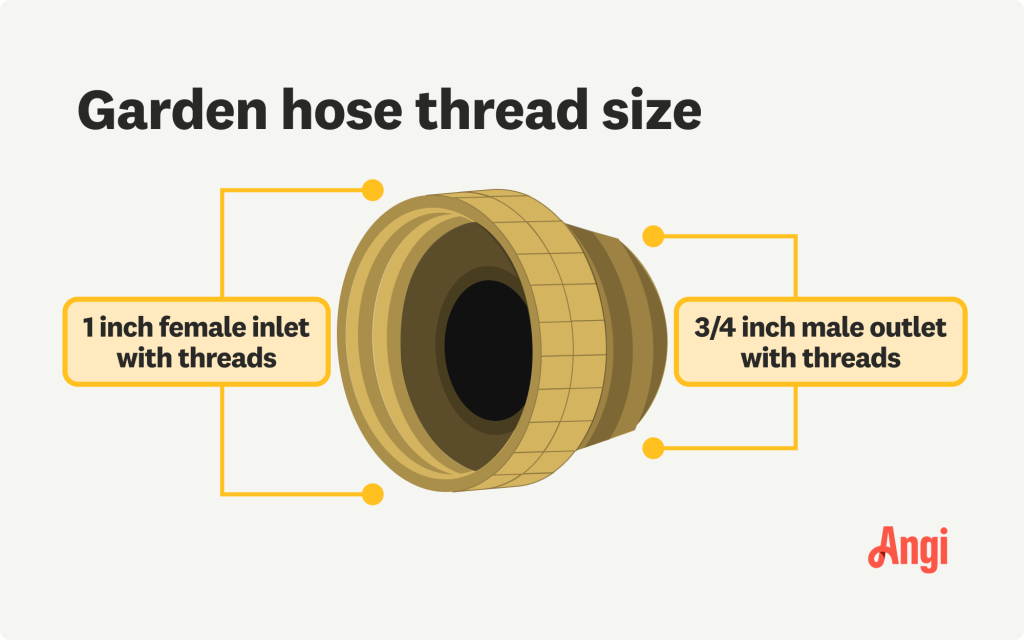
Have you ever tried to connect a garden hose only to find it doesn’t fit properly? The secret behind this common frustration lies in understanding garden hose thread.
Knowing what garden hose thread is and how it works can save you time, money, and a lot of hassle. Whether you’re watering your plants or washing your car, getting the right connection makes all the difference. Keep reading to discover the simple facts that will help you choose the perfect hose and accessories every time.
Basics Of Garden Hose Threads
Garden hose threads connect hoses to faucets and other tools. They ensure a tight seal to stop water leaks.
Understanding garden hose threads helps you pick the right fittings for your garden equipment.
Common Thread Types
There are two main types of garden hose threads. Each type fits different parts and regions.
- GHT (Garden Hose Thread): Used mostly in the US and Canada.
- BSP (British Standard Pipe): Common in Europe and other countries.
GHT and BSP look similar but have different thread angles and sizes. Mixing them can cause leaks.
Thread Size Measurements
Thread size is the outer diameter of the hose thread. It tells you how big the fitting is.
| Thread Type | Size (Inches) | Common Use |
|---|---|---|
| GHT | 3/4 inch | Standard garden hoses |
| BSP | 1/2 inch or 3/4 inch | Water pipes and fittings |
Make sure to check the size before buying or connecting hoses and fittings.
Thread Pitch And Its Importance
Thread pitch is the distance between threads. It determines how threads fit together.
Correct thread pitch prevents leaks and damage. Using wrong pitch can cause poor connection.
- Fine pitch: More threads per inch, tighter fit.
- Coarse pitch: Fewer threads per inch, easier to screw.
Types Of Garden Hose Threads
Garden hose threads connect hoses to various fittings. Different standards are used worldwide. Understanding these can help you select the right thread for your needs.
This guide covers the most common types of garden hose threads. These include GHT, NPT, BSP, and Metric Threads.
Garden Hose Thread (ght)
GHT is widely used in North America. These threads connect hoses to water spigots and other outdoor faucets.
- Standard size is 3/4 inch.
- Thread type is straight, not tapered.
- Designed specifically for garden hoses.
National Pipe Thread (npt)
NPT threads are common in plumbing. They are not the same as GHT but are often confused with them.
| Thread Type | Tapered |
| Common Use | Plumbing fittings |
| Compatibility | Requires adapter for GHT |
British Standard Pipe Thread (bsp)
BSP threads are used in the UK and many other countries. They differ from both GHT and NPT threads.
Metric Threads
Metric threads are used worldwide, especially in Europe. They are measured in millimeters and offer a standardized thread pitch.
Metric threads require specific fittings, so confirm the thread size before purchasing.
How To Measure Garden Hose Threads
Garden hose threads connect hoses to faucets and sprinklers. Knowing the thread size helps you buy the right fittings. Measuring these threads is simple with the right tools.
This guide shows you how to measure garden hose threads correctly. Follow the steps to get accurate results.
Tools Needed
You need a few common tools to measure garden hose threads. These tools help you find the diameter and thread count easily.
- Ruler or tape measure
- Thread pitch gauge
- Caliper (optional for more accuracy)
- Pen and paper to record measurements
Step-by-step Measuring Process
Measure the garden hose threads carefully to ensure the correct size and fit.
- Use a ruler or caliper to measure the outer diameter of the male thread. Measure across the widest part.
- Count the number of threads in one inch using the thread pitch gauge or a ruler.
- Note whether the threads are straight or tapered by checking the shape of the thread profile.
- Record your measurements clearly for reference when buying fittings.
Interpreting Measurements
After measuring, you must understand the numbers to find matching hose parts.
| Measurement Type | What It Means | Common Sizes |
| Outer Diameter | Width of the thread across | 5/8 inch, 3/4 inch |
| Thread Count | Threads per inch (TPI) | 11 TPI (Garden Hose Thread) |
| Thread Type | Straight or tapered | Typically straight for garden hoses |
Credit: www.amazon.com
Choosing The Right Hose Thread
Garden hose threads connect hoses to faucets and tools. Choosing the right thread helps prevent leaks and damage.
Different types of hose threads exist. Knowing which one fits your equipment is important for a good connection.
Matching Threads To Fittings
Hose threads must match the fittings they attach to. If they do not match, you will not get a tight seal.
Common thread types include Garden Hose Thread (GHT) and National Pipe Thread (NPT). Each has different sizes and shapes.
- GHT is used mainly for garden hoses and outdoor faucets.
- NPT threads are common in plumbing and irrigation systems.
- Threads differ in diameter and pitch, so matching is key.
Common Compatibility Issues
Using the wrong hose thread causes leaks and loose connections. Threads may look similar but not fit correctly.
Some issues arise from mixing metric and standard threads. This can damage threads or cause water to drip.
- Confusing GHT with NPT can cause cross-threading.
- Using different thread sizes leads to poor connections.
- Threads with different pitch angles will not seal properly.
Adapters And Connectors
Adapters help connect hoses with different thread types or sizes. They create a secure link between mismatched parts.
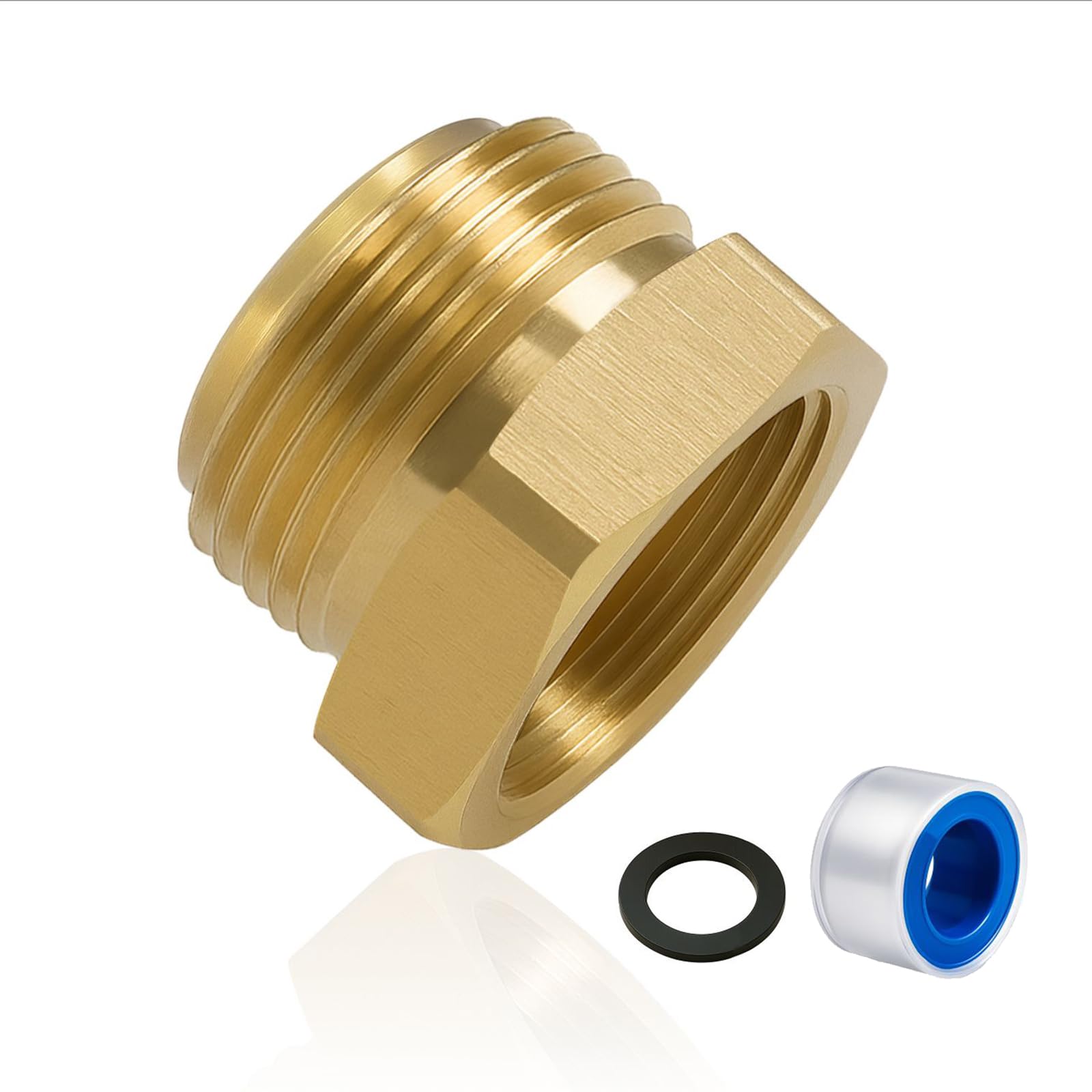
Connectors come in many forms, such as couplers, reducers, and converters. Choose one that fits both threads well.
- Use GHT to NPT adapters for garden hoses and plumbing tools.
- Reducers adjust thread size for small or large fittings.
- Quick connectors make attaching and detaching easier.
Sizes Of Garden Hose Threads
Garden hose threads connect hoses to faucets and accessories. Knowing the sizes helps you choose the right fit.
Thread sizes affect how well hoses join and how water flows through them. This guide explains common sizes and tips.
Standard Sizes Explained
The most common garden hose thread size is 3/4 inch. It is used in many countries for standard hoses.
Other sizes include 1/2 inch and 5/8 inch, which are less common but still found in some hoses and fittings.
- 3/4 inch GHT (Garden Hose Thread) is standard for most hoses
- 5/8 inch is sometimes used for lighter hoses
- 1/2 inch sizes fit smaller or specialty hoses
Impact On Water Flow
Larger thread sizes usually mean wider hoses. Wider hoses allow more water to flow through.
Smaller thread sizes fit smaller hoses that carry less water. This may reduce water pressure and flow.
- 3/4 inch threads support higher water flow
- Smaller threads can limit water delivery
- Match thread size to water needs for best flow
Size Selection Tips
Check the hose and faucet thread size before buying fittings. Using the wrong size causes leaks.
Choose larger sizes if you need strong water flow. Smaller sizes work for light watering tasks.
- Measure thread diameter to find the size
- Use adapters if sizes do not match
- Pick sizes based on your watering needs

Credit: www.amazon.ca
Maintaining Garden Hose Threads
Garden hose threads connect hoses and accessories. Keeping them in good shape stops leaks and breaks.
Regular care helps your garden hose last longer. You save money and avoid water waste.
Cleaning And Care
Clean threads remove dirt and prevent rust. Use a brush and mild soap with water.
- Rinse threads after each use
- Scrub gently with a soft brush
- Dry threads before storing
- Store hose away from direct sun
Preventing Thread Damage
Avoid cross-threading when connecting hoses. Tighten by hand only. Use tools with care.
| Common Cause | Prevention |
| Cross-threading | Align threads properly before turning |
| Over-tightening | Tighten by hand, avoid wrenches |
| Rust build-up | Clean and dry threads regularly |
| Cracks or dents | Handle hose carefully, avoid dropping |
Replacing Worn Threads
If threads are damaged, replace the fitting. This stops leaks and water loss.
- Turn off water supply
- Remove old fitting carefully
- Clean hose end before installing new fitting
- Attach new thread fitting by hand
- Test connection for leaks
Credit: www.canuckhomebrewsupply.com
Frequently Asked Questions
What Is Garden Hose Thread Size?
Garden hose thread size refers to the standard diameter and pitch used for hose connectors. It ensures compatibility between hoses and fittings. The most common size in the U. S. is 3/4-inch diameter with 11. 5 threads per inch, known as GHT (Garden Hose Thread).
How Do I Identify Garden Hose Thread Type?
To identify garden hose thread type, measure the diameter and count the threads per inch. Most garden hoses use GHT, which is a 3/4-inch diameter and 11. 5 TPI thread. Comparing these measurements with standard charts helps confirm the thread type.
Why Is Garden Hose Thread Important?
Garden hose thread is important because it guarantees a secure, leak-free connection. Using the correct thread size prevents damage and water loss. It allows hoses and accessories from different brands to fit together properly, ensuring efficient garden watering and maintenance.
Are Garden Hose Threads Standardized Worldwide?
No, garden hose threads are not standardized worldwide. The U. S. primarily uses GHT (Garden Hose Thread), while other countries may use BSP (British Standard Pipe) threads. This difference can cause compatibility issues when connecting hoses internationally.
Conclusion
Understanding garden hose thread helps you choose the right connectors. Different threads fit different hoses and tools. Matching threads stops leaks and saves water. Always check thread size before buying parts. This small step makes watering easier and less frustrating.
Now, you can connect hoses with confidence and avoid common mistakes. Simple knowledge leads to better gardening and less hassle. Keep your garden flowing smoothly by knowing your hose threads well.