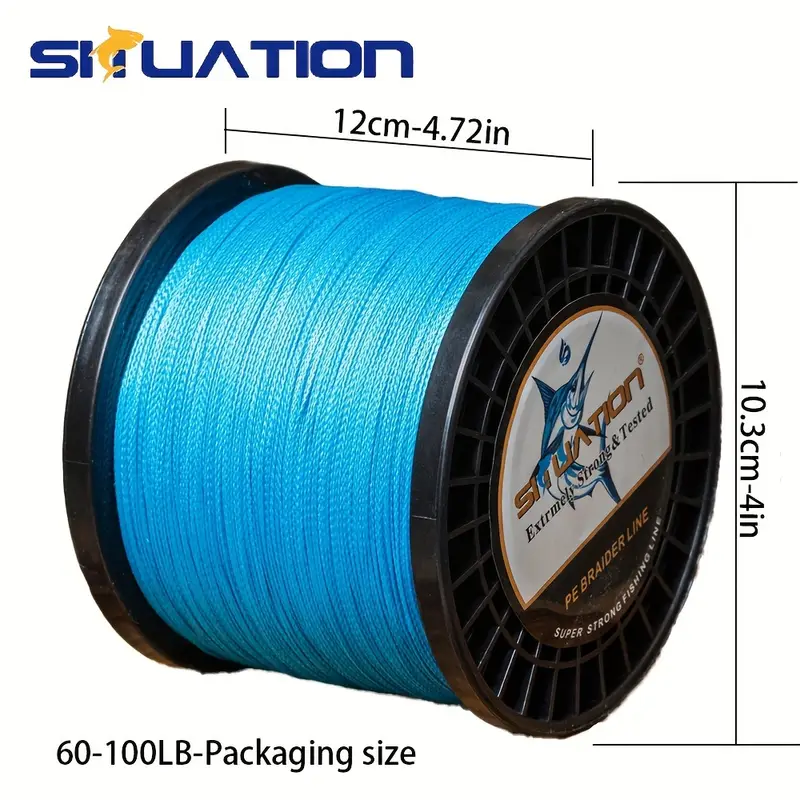
Have you ever wondered just how strong your fishing line really is? Whether you’re a beginner or a seasoned angler, knowing the true strength of your line can make all the difference between landing a big catch or losing it at the last moment.
Your fishing line is more than just a thin thread—it’s your lifeline out on the water. You’ll discover what affects line strength, how to choose the right one for your needs, and practical tips to avoid breaking your line when it matters most.
Keep reading, and you’ll never have to guess about your fishing line’s strength again.
Factors Affecting Line Strength
Fishing line strength depends on many factors. Understanding these helps you pick the right line.
Some factors change line performance more than others. These include material, size, knots, and wear.
Material Types
Fishing lines come in different materials. Each has unique strength and stretch features.
- Monofilament: Affordable and stretches well, but less strong.
- Fluorocarbon: Stronger and less visible underwater.
- Braid: Very strong with little stretch, good for heavy fish.
Diameter And Thickness
Thicker lines usually hold more weight. Thin lines are less visible but may break easier.
| Diameter (mm) | Typical Strength (lbs) |
| 0.10 | 6 |
| 0.20 | 12 |
| 0.30 | 20 |
| 0.40 | 30 |
Knot Impact
Knot type and tying quality reduce line strength. Some knots weaken the line more than others.
- Improved Clinch Knot: Common and strong.
- Palomar Knot: Holds most of the line strength.
- Overhand Knot: Simple but weakens line a lot.
Wear And Tear
Old or damaged lines lose strength. Sunlight, water, and abrasion cause wear.
Signs of wear include:
- Fraying or cuts on the line
- Discoloration or stiffness
- Weak spots near knots or guides
Types Of Fishing Lines
Fishing lines come in different types, each with unique strengths. Understanding these can improve your fishing experience.
Different fishing lines suit different environments and fish. Let’s explore the main types.
Monofilament
Monofilament lines are popular among anglers. They are affordable and versatile. These lines are easy to handle and knot.
- Good for beginners due to its ease of use
- Offers stretch, which helps in absorbing shocks
- Available in various colors for visibility
Fluorocarbon
Fluorocarbon lines are known for their invisibility in water. They are more durable than monofilament.
| Feature | Description |
| Visibility | Almost invisible underwater |
| Durability | Resistant to abrasion |
| Sink rate | Faster than monofilament |
Braided Lines
Braided lines are strong and have little to no stretch. They are excellent for catching large fish.
Braided lines are made by weaving together multiple strands. This gives them high strength and thin diameter.
Measuring Line Strength
Fishing line strength shows how much weight the line can hold. It helps anglers pick the right line for their needs.
There are several ways to measure line strength. This includes tests and ratings that show how strong a line really is.
Pound Test Ratings
Pound test ratings tell you the weight a fishing line can hold before breaking. It is one of the most common ways to show line strength.
The rating is based on the maximum weight in pounds the line can handle. For example, a 10-pound test line can hold about 10 pounds.
- Higher pound test means stronger line
- Choose pound test based on fishing target
- Check packaging for pound test information
Tensile Strength
Tensile strength measures how much force a line can take before it breaks. It is tested by pulling the line until it snaps.
This test shows the line’s durability under stress. Stronger lines have higher tensile strength values.
- Tensile strength is usually measured in pounds or newtons
- It helps compare different types of fishing lines
- Important for heavy fishing or big catches
Breaking Point Tests
Breaking point tests find the exact moment the fishing line breaks under pressure. This test is done by gradually increasing the load.
The breaking point shows the real limit of the line. It helps anglers understand the line’s safety margin.
| Test Type | Purpose | Result |
|---|---|---|
| Pound Test | Shows max weight line can hold | Rated weight in pounds |
| Tensile Strength | Measures force before line snaps | Force in pounds or newtons |
| Breaking Point | Finds exact breaking load | Breaking weight value |

Credit: www.amazon.com
Durability Factors
Fishing line strength depends on many factors. Durability plays a big role in how well it performs.
Understanding these factors helps anglers pick the right line for their needs.
Uv Resistance
UV rays from the sun can weaken fishing line over time. Lines with good UV resistance last longer.
Some materials have built-in UV blockers to protect the line from sun damage.
- UV exposure breaks down line fibers
- UV-resistant lines keep strength longer
- Store line away from sunlight to extend life
Abrasion Resistance
Abrasion resistance means how well the line stands up to rubbing. It matters when fishing near rocks or debris.
Lines with high abrasion resistance avoid cuts and frays, keeping the line strong.
- Friction causes line damage
- Thicker coatings improve abrasion resistance
- Choose abrasion-resistant lines for rough environments
Water Absorption
Water absorption affects how the line behaves in wet conditions. Low water absorption keeps line strength stable.
Lines that soak up water may swell or weaken, reducing their durability.
- Water can change line flexibility
- Low absorption lines dry faster
- Choose water-resistant lines for fishing in wet areas
Choosing The Right Line For Conditions
Fishing line strength affects your success on the water. Picking the right line depends on where you fish and the type of fish you want.
Understanding the differences helps you avoid losing fish and gear. Let’s look at key factors to consider.
Freshwater Vs Saltwater
Freshwater and saltwater create different challenges for fishing line. Saltwater can wear down some lines faster. Freshwater fishing often needs lighter lines for smaller fish.
| Condition | Recommended Line Type | Strength Range | Notes |
|---|---|---|---|
| Freshwater | Monofilament or Fluorocarbon | 4 to 20 lbs | Good for clear water and smaller species |
| Saltwater | Braided or Heavy Monofilament | 20 to 80+ lbs | Resists salt and abrasion better |
Target Species
Choose line strength based on the fish size and strength. Bigger fish need stronger lines to prevent breaks. Small fish can be caught with lighter lines.
- Use 4-8 lbs line for panfish and trout
- Use 10-20 lbs line for bass and walleye
- Use 30+ lbs line for big saltwater fish like tuna
Fishing Techniques
Different fishing methods need different line types and strengths. Some techniques put more stress on the line than others.
| Technique | Line Type | Recommended Strength |
|---|---|---|
| Fly Fishing | Light Monofilament or Fluorocarbon | 2 to 8 lbs |
| Bottom Fishing | Heavy Monofilament or Braided | 20 to 50 lbs |
| Spinning | Monofilament or Braided | 6 to 20 lbs |
| Trolling | Strong Braided Line | 30 to 80+ lbs |
Credit: theraleighbeergarden.com
Tips To Maximize Line Strength
Fishing line strength is important for catching fish without breaking. You can keep your line strong by following simple tips. These tips help your line last longer and work better.
Taking care of your fishing line improves your fishing experience. Small changes in how you use and store your line make a big difference.
Proper Knot Tying
Tying knots the right way keeps your fishing line strong. Bad knots can cause the line to break easily. Learn to tie common fishing knots carefully.
Wet the line before tightening knots to reduce friction. Pull knots slowly and firmly to make them tight and secure.
- Use knots like the Palomar or improved clinch knot
- Check knots for slippage before fishing
- Trim knot tags close to avoid snagging
Line Maintenance
Keep your fishing line clean and free from damage. Dirt and salt can weaken the line over time. Rinse your line with fresh water after fishing.
Check the line often for nicks, cuts, or frays. Replace the line if you find any damage. This helps prevent unexpected breaks while fishing.
- Inspect line before and after each use
- Remove dirt with a soft cloth or sponge
- Replace line regularly for best strength
Storage Practices
Store your fishing line properly to keep it strong and flexible. Avoid storing it in direct sunlight or hot places. Heat and UV light can weaken the line.
Keep the line on a spool or in a sealed container. This stops it from tangling and getting damaged.
- Store line in a cool, dark place
- Keep line wound tightly on the spool
- Use sealed bags or containers to protect from dust
Common Misconceptions
Fishing line strength is a topic full of myths. Many anglers believe things that are not true. Understanding these misconceptions helps you choose the right line.
This guide clears up some common wrong ideas about fishing line strength.
Higher Test Always Means Stronger
Many think a higher test number means the line is always stronger. Test number shows the line’s breaking strength in pounds. But strength depends on more than just the test.
Factors like line material, diameter, and how the line handles knots affect strength. Sometimes a lower test line can perform better under real fishing conditions.
Knotless Lines Are Stronger
Some anglers believe lines without knots are always stronger. Knots can weaken a line, but knotless lines are rare and not always practical.
Using the right knot and tying it properly usually keeps most of the line’s strength. Good knots can be almost as strong as knotless line.
- Knots reduce line strength by 10% to 30%
- Proper knots keep strength high
- Knotless lines are hard to use for most fishing setups
Braided Lines Are Indestructible
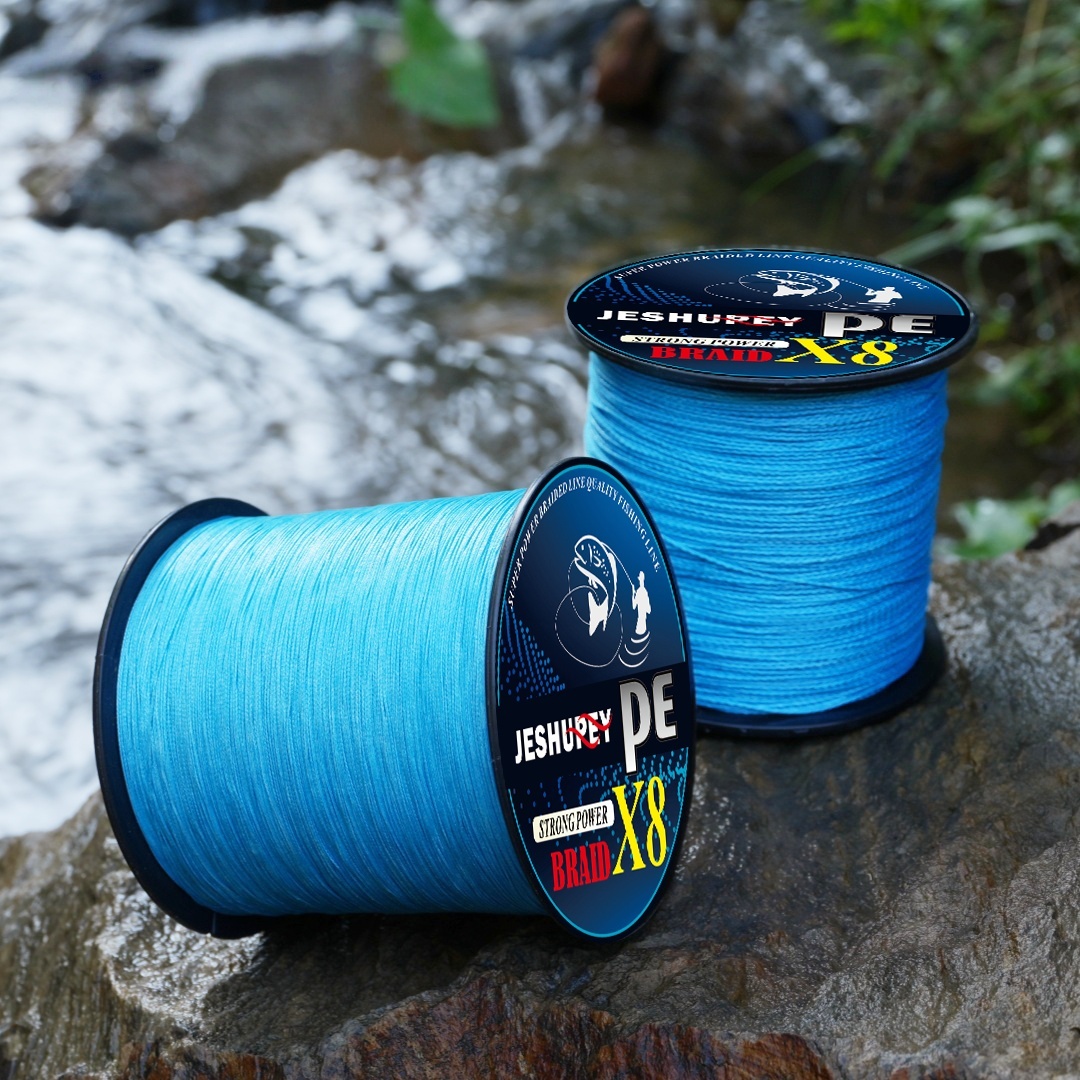
Braided lines are strong and thin. Some anglers think they never break. But braided lines can break like any other line.
Braided lines resist abrasion well but can get damaged by sharp edges or rough surfaces. They need care and checking before fishing.
- Braided lines have high strength for diameter
- They can fray and weaken over time
- Check braided lines often for damage
Credit: jeshupey68.com
Frequently Asked Questions
What Determines The Strength Of Fishing Line?
Fishing line strength depends on material, diameter, and construction. Monofilament, fluorocarbon, and braided lines differ in strength and durability.
How Is Fishing Line Strength Measured?
Fishing line strength is measured in pounds (lb) or kilograms (kg). It indicates the maximum weight the line can hold without breaking.
Can Fishing Line Strength Affect Fishing Success?
Yes, stronger lines handle bigger fish and tough conditions. Using the right strength reduces line breaks and improves catch rates.
Does Water Type Impact Fishing Line Strength?
Saltwater can weaken some fishing lines faster than freshwater. Choose corrosion-resistant lines for saltwater fishing to maintain strength and performance.
Conclusion
Fishing line strength depends on material, thickness, and type. Stronger lines handle bigger fish and rough conditions. Choose the right line for your fishing style. Test your line before every trip to avoid surprises. Remember, no line is unbreakable; careful use matters most.
Understanding line strength helps catch more fish safely. Keep your gear ready and enjoy fishing with confidence.