Are you wondering whether you need to line your raised garden bed? It’s a question many gardeners ask before they start planting.
The right lining can protect your soil, improve drainage, and keep pests away. But is it always necessary? You’ll discover when lining makes a real difference and when it might just be extra work. Keep reading to find out what’s best for your garden and how to make your raised bed thrive.
Benefits Of Lining Raised Beds
Lining raised garden beds helps protect the structure and plants. It adds a layer between soil and wood.
This simple step improves soil control and keeps weeds out of your garden.
Protecting Wood From Moisture
Wood in raised beds can rot if it stays wet. A liner stops soil and water from touching the wood. This helps your bed last longer.
Controlling Soil Quality
Lining helps keep soil inside the bed clean and healthy. It stops soil from washing away and stops harmful substances from entering.
- Retains nutrients better
- Prevents soil erosion
- Keeps soil temperature steady
- Stops contamination from outside soil
Preventing Weed Growth
| Weed Problem | How Lining Helps |
|---|---|
| Weeds grow from soil outside the bed | Liner blocks weed roots from entering |
| Weeds spread from nearby plants | Creates a barrier to stop weed runners |
| Weeds compete for nutrients | Keeps soil cleaner to reduce competition |
Credit: www.thunderbirddisco.com
Materials For Lining
Lining your raised garden bed can help extend its life. It also keeps soil from escaping. Different materials offer various benefits.
Choose a liner based on your needs. Consider the durability and environmental impact of each option.
Plastic Liners
Plastic liners are waterproof. They protect wooden beds from moisture. This helps prevent rot.
Some types of plastic are not biodegradable. They may not be the best choice if you want an eco-friendly option.
- Easy to install
- Lasts a long time
- Not eco-friendly
Landscape Fabric
Landscape fabric allows water to pass through. It keeps soil in place. This material is often used in gardens.
The fabric is a good choice if you want a natural solution. It is biodegradable and safe for plants.
- Eco-friendly option
- Prevents soil erosion
- Allows water drainage
Metal And Other Options
Metal liners add strength to your garden bed. They are durable and long-lasting. Some gardeners use metal sheets for lining.
Other options include cardboard and old newspapers. These break down over time. They enrich the soil as they decompose.
- Metal is strong and durable
- Cardboard is biodegradable
- Old newspapers add nutrients
When To Skip Lining
Not all raised garden beds need a liner. Skipping the liner can save time and money.
Deciding when to skip lining depends on the wood type, soil, and drainage of your garden bed.
Using Rot-resistant Wood
If you use rot-resistant wood like cedar or redwood, a liner may not be necessary. These woods last longer without extra protection.
Natural Soil Conditions
Healthy, natural soil often does not require a liner. The soil can stay in contact with the wood without harm.
- Soil with good organic matter helps protect wood.
- Soil with balanced moisture reduces wood decay.
- Avoid lining if soil is free from harmful chemicals.
Drainage Considerations
| Drainage Type | Skip Lining? | Reason |
|---|---|---|
| Well-drained soil | Yes | Water flows away, reducing wood rot risk |
| Poor drainage | No | Water stays, causing wood to decay faster |
| Mixed drainage | Depends | Assess soil and wood type before deciding |
Installation Tips
Deciding to line your raised garden bed can protect the wood and soil. Proper installation helps your plants grow well.
Follow these tips to prepare the bed, secure the liner, and keep good drainage.
Preparing The Bed
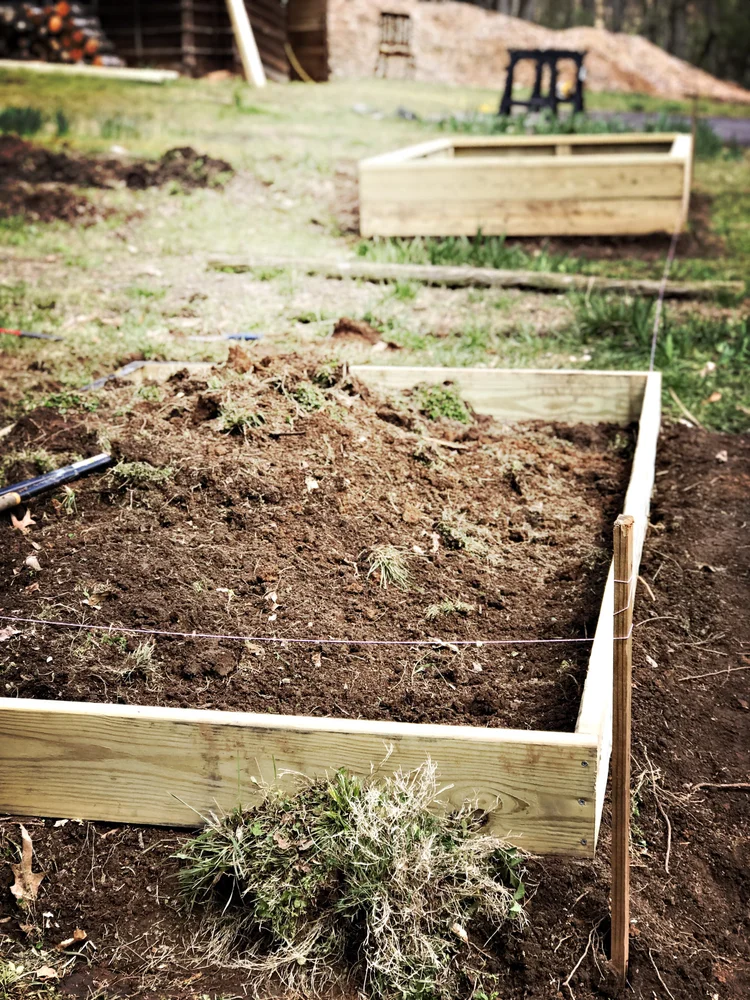
Clear all grass, weeds, and roots from the bed area. This stops unwanted plants from growing inside.
Make sure the surface is smooth and level before adding the liner. Remove sharp stones to avoid damage.
- Remove grass and weeds completely
- Level the soil surface
- Clear sharp rocks or sticks
Securing The Liner
Choose a durable liner material like heavy plastic or landscape fabric. Cut it to fit the bed’s inside dimensions.
Attach the liner to the bed frame using staples or small nails. Make sure it stays tight and does not sag.
- Pick a strong, water-resistant liner
- Cut the liner to fit the bed exactly
- Staple or nail the liner securely
- Keep the liner smooth against the wood
Maintaining Proper Drainage
Drainage holes are important to stop water from pooling. Punch small holes in the liner at the bottom.
Add a layer of gravel or small stones under the soil. This helps water flow out and keeps roots healthy.
- Make several drainage holes in the liner
- Use gravel or stones under soil
- Check drainage holes regularly
Common Mistakes To Avoid
Many gardeners wonder if they need to line their raised garden beds. Lining can help, but some common mistakes can harm your plants.
Knowing what to avoid will save you time and keep your garden healthy. Here are common errors to watch out for.
Using Non-breathable Materials
Some people use plastic or other non-breathable liners in raised beds. These materials stop air and water from moving through the soil.
This can cause roots to suffocate and water to pool, leading to root rot and poor plant growth.
Ignoring Drainage Needs
Good drainage is important for raised beds. If you block water from draining, the soil stays too wet.
Ignoring drainage can cause water to build up and drown plant roots. Always check that your bed lets water flow out easily.
- Use liners with holes or gaps
- Make sure bed has drainage holes
- Check soil moisture regularly
Overlooking Material Durability
Some liners wear out quickly. Thin plastic or weak fabrics can tear or break down in sunlight and soil.
Choose strong, long-lasting materials to protect your raised bed and keep soil in place for many seasons.

Credit: savvygardening.com
Credit: www.gardenary.com
Frequently Asked Questions
Do Raised Garden Beds Always Need Lining?
Not all raised garden beds require lining. Lining is useful for preventing soil erosion and protecting wood from moisture. It depends on your materials and climate. Consider lining if your bed is wooden or in a wet area to extend its lifespan and keep soil in place.
What Are The Best Materials To Line Garden Beds?
Common lining materials include landscape fabric, plastic sheeting, and pond liners. Landscape fabric allows water drainage while blocking weeds. Plastic or pond liners retain soil moisture but may reduce airflow. Choose based on your garden’s drainage needs and plant types.
How Does Lining Affect Soil Drainage?
Lining can improve or reduce drainage depending on material choice. Permeable liners like landscape fabric allow excess water to drain. Impermeable liners trap moisture, which may cause waterlogging if not managed. Proper drainage is key for healthy plant roots.
Can Lining Prevent Weed Growth In Raised Beds?
Yes, some liners act as weed barriers. Landscape fabric blocks weeds while letting water pass through. Plastic liners prevent weed roots but may trap water. Using lining combined with mulch offers better weed control and soil moisture retention.
Conclusion
Lining a raised garden bed helps protect wood and soil. It can stop weeds and keep soil moist longer. Choose a liner that fits your garden’s needs. Some liners last longer, others let water flow better. Not every bed needs a liner, but it often helps.
Think about your plants, climate, and budget first. A good liner can make gardening easier and cleaner. Take time to decide what works best for you. Your garden will thank you with healthy plants.