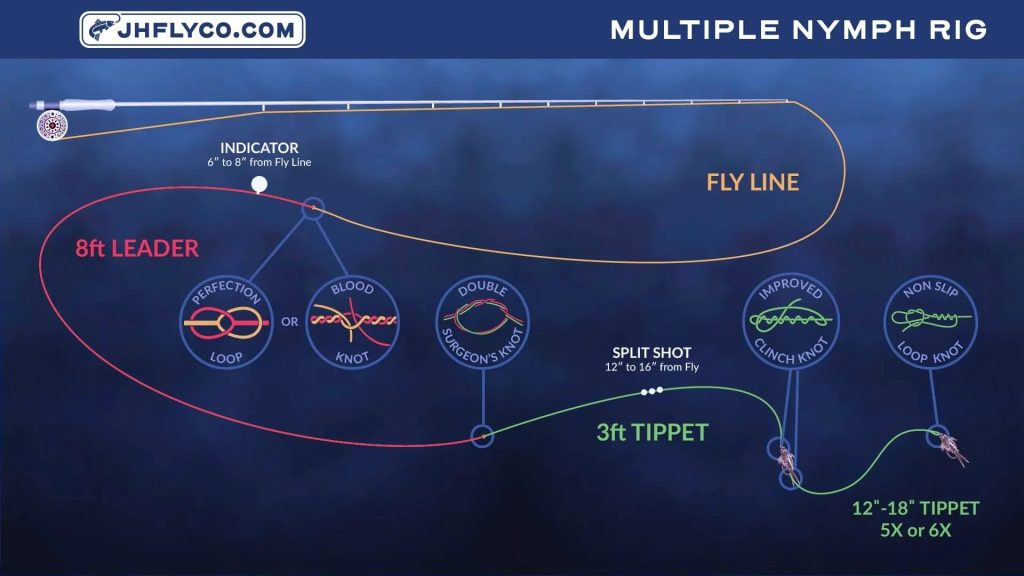
Choosing the right fly fishing line can make or break your fishing experience. You might have the best rod and reel, but without the perfect line, casting and catching fish becomes much harder.
How do you know which line suits your style, water, and target fish? This guide will help you understand the key factors so you can pick a line that feels natural in your hands and improves your chances on the water.
Keep reading, and you’ll discover simple tips that anyone can use to upgrade their fly fishing game today.

Credit: www.amazon.com
Fly Line Types
Choosing the right fly fishing line is key for good casting. Different types of lines suit different fishing styles and water conditions.
This guide covers three main fly line types: weight forward, double taper, and level lines. Each has unique features for anglers to consider.
Weight Forward Lines
Weight forward lines have most of their weight near the front. This helps cast longer distances and control the line better in wind.
- Good for beginners and long casts
- Easy to turn over heavy flies
- Works well in open water and wind
Double Taper Lines
Double taper lines have the same thickness at both ends. This design gives smooth, delicate presentations and easy roll casting.
| Feature | Benefit |
| Same thickness ends | Smooth casting and easy mend |
| Longer lifespan | Can be reversed when worn |
| Best for dry fly fishing | Delicate fly presentation |
Level Lines
Level lines have a uniform thickness along the entire length. They are simple and usually less expensive than other types.
Advantages of level lines:
- Good for beginners on a budget
- Works well for short casts
- Easy to handle and repair
Choosing Line Weight
Selecting the right fly fishing line weight is crucial for success. It affects casting and catching fish. Understand the basics to make informed choices.
Line weight should match your fishing rod and the conditions you face. Consider fish species and water types too.
Matching Rod And Line
Your fishing rod has a recommended line weight. Check the rod’s label for this information. Matching ensures better casting and control.
- Find the weight range on the rod
- Choose a line within this range
- Use heavier lines for stronger rods
Considering Fish Species
Different fish require different line weights. Light lines are for small fish. Heavy lines are for larger, stronger fish.
| Fish Species | Recommended Line Weight |
| Trout | 3-5 |
| Bass | 6-8 |
| Salmon | 8-10 |
Adapting To Water Conditions
Water conditions impact your line choice. Calm waters require lighter lines. Rough waters need heavier lines for stability.
Line Materials
Choosing the right fly fishing line material is important for your fishing success. Different materials affect the line’s durability, flexibility, and performance.
Learn about common materials and how they work to decide what fits your fishing style best.
Pvc Vs. Polyurethane
Fly lines often use PVC or polyurethane for the outer coating. PVC is heavier and less flexible. Polyurethane is lighter and lasts longer.
- PVC:Cost-effective but wears faster.
- Polyurethane:More durable and flexible.
- Polyurethane lines float better and resist dirt.
- PVC lines may become stiff in cold weather.
Floating Vs. Sinking Lines
Fly lines come in floating or sinking types. Floating lines stay on the surface. Sinking lines drop below water to reach deeper fish.
| Line Type | Use | Material Traits |
| Floating | Surface fishing | Coated with buoyant materials |
| Sinking | Deep water fishing | Heavier coatings or added weight |
Hybrid Lines
Hybrid lines combine floating and sinking parts. They allow quick depth changes without switching lines.
- Tip floats to keep fly near surface
- Body sinks to reach fish below
- Good for varied fishing conditions
- Made with mixed materials for balance
Line Diameter And Taper
Choosing the right fly fishing line is key for a good fishing day. Line diameter and taper affect how your line casts and presents the fly.
These features also help control the distance you can cast and how the fly lands on the water. Let’s explore their effects.
Impact On Casting Distance
Line diameter affects air resistance during the cast. Thinner lines cut through air easier, helping you cast farther.
Taper shapes also change casting distance. Some tapers help load the rod better, sending the line farther with less effort.
Effect On Presentation
Presentation means how the fly lands on the water. Thinner lines make softer landings, which do not scare fish.
Different tapers control how much energy is in the cast. A gentle taper lets the fly drop softly, perfect for delicate fishing.
Taper Shapes Explained
Tapers come in many shapes. Each shape changes how the line moves and feels when you cast.
- Weight Forward (WF):Thick front section, good for long casts and windy days.
- Double Taper (DT):Symmetrical shape, great for delicate presentations and roll casts.
- Level:Same thickness all along, easy to cast but less control on presentation.
Color Selection
Choosing the right color for fly fishing line is important. It helps you see the line better and avoids scaring the fish.
Different colors work best in different fishing conditions. This guide explains how to pick the right color.
Visibility For Angler
Bright or fluorescent colors help anglers see the fly line clearly. This is useful in low light or fast water.
Good visibility lets you track your cast and line movement easily. It also helps with accurate casting.
- Neon yellow or green shows well in most light
- Orange or pink stands out in cloudy weather
- White or light colors work well on dark water
Camouflage For Fish
Some anglers choose line colors that blend into the water. This helps avoid spooking fish.
Clear or light green lines are less visible to fish in clear water. Brown lines work well in muddy water.
- Clear lines are hard for fish to see in clear water
- Green lines blend with vegetation and water color
- Brown or tan lines match muddy or stained water
Water And Light Conditions
Water color and light affect how you see the line and how fish see it. Choose colors that suit these conditions.
Bright lines work well in dark or deep water. Natural colors fit better in clear, shallow water with bright light.
| Water Condition | Recommended Line Color |
| Clear water, bright sun | Clear, light green, or tan |
| Stained or muddy water | Brown, orange, or bright yellow |
| Low light, cloudy weather | Bright orange, pink, or neon yellow |
| Deep or dark water | Fluorescent or bright colors |
Line Maintenance
Taking care of your fly fishing line helps it last longer. Good maintenance keeps the line smooth and strong. This improves your casting and fishing experience.
Regular cleaning, proper storage, and timely replacement protect your line from damage. Follow these simple tips to keep your line in top shape.
Cleaning Tips
Clean your fly fishing line after every few uses. Dirt, oils, and water can reduce its performance. Use mild soap and warm water to wash the line gently.
- Fill a bucket with warm water and mild soap
- Run the line through the soapy water slowly
- Use a soft cloth to wipe off grime
- Rinse the line with clean water
- Dry the line with a towel before storing
Storage Best Practices
Store your fly fishing line in a cool, dry place away from sunlight. Heat and UV rays can weaken the line over time. Keep the line loosely coiled to avoid kinks.
| Storage Tip | Reason |
| Keep away from direct sunlight | Prevents UV damage |
| Store in a cool area | Reduces heat stress |
| Coil loosely | Avoids line memory and kinks |
| Use a line spool or bag | Protects from dust and dirt |
Replacing Old Lines
Replace your fly fishing line if it shows cracks, stiffness, or poor casting. Old lines can break and reduce fishing success. Check the line regularly for signs of wear.
- Inspect the line for cracks or discoloration
- Test flexibility by bending the line gently
- Replace if the line feels sticky or stiff
- Purchase a new line that matches your rod and reel
- Spool the new line carefully following manufacturer instructions
Budget And Brand Choices
Choosing the right fly fishing line depends on your budget and brand preferences.
Good lines balance price with quality to give the best fishing experience.
Balancing Cost And Quality
Fly fishing lines come in many price ranges. Cheaper lines might wear out fast. Expensive lines last longer but cost more.
- Set a budget before shopping.
- Look for lines that offer good durability.
- Check user reviews for quality feedback.
- Avoid the very cheapest lines to prevent frequent replacement.
- Mid-range lines often give the best value.
Top Brands To Consider
Some brands have a strong reputation for quality fly fishing lines. They invest in research and use good materials.
| Brand | Key Features | Price Range |
| Scientific Anglers | Durable, smooth casting | Mid to High |
| Rio | Wide selection, good for beginners | Low to Mid |
| Sage | High performance, long-lasting | High |
| Orvis | Reliable, good warranty | Mid to High |
Warranty And Support
Check if the brand offers a warranty. A good warranty protects your investment. Support can help fix or replace faulty lines.
- Read warranty details before buying.
- Look for brands with easy customer service.
- Keep your receipt to use warranty services.
- Some brands offer line replacement if problems occur.
Credit: finntrail.com

Credit: calflyfisher.com
Frequently Asked Questions
What Type Of Fly Fishing Line Suits Beginners Best?
Beginner anglers should start with a weight-forward floating line. It offers easy casting and better control. This line type helps learn casting techniques effectively and improves overall fishing experience.
How To Match Fly Line Weight With Rod Weight?
Always match the fly line weight to your rod’s recommended weight. This ensures optimal casting performance and balance. Mismatched weights can affect accuracy and reduce casting distance.
When Should I Use A Floating Versus Sinking Fly Line?
Use floating lines for surface fishing and dry flies. Sinking lines are ideal for deep water and nymph fishing. Choose based on your fishing style and target species.
How Does Fly Line Taper Affect Casting?
Taper affects line flexibility and casting accuracy. Weight-forward tapers offer longer casts and easier loading. Double taper lines provide better roll casting and delicate presentations.
Conclusion
Choosing the right fly fishing line makes fishing more fun and easy. Think about the water type and fish size before buying. Match the line weight with your rod for best results. Remember the line’s taper and coating affect your cast and control.
Take time to test different lines to find what feels right. Good gear helps you enjoy every fishing trip. Keep these tips in mind for better fishing days ahead.