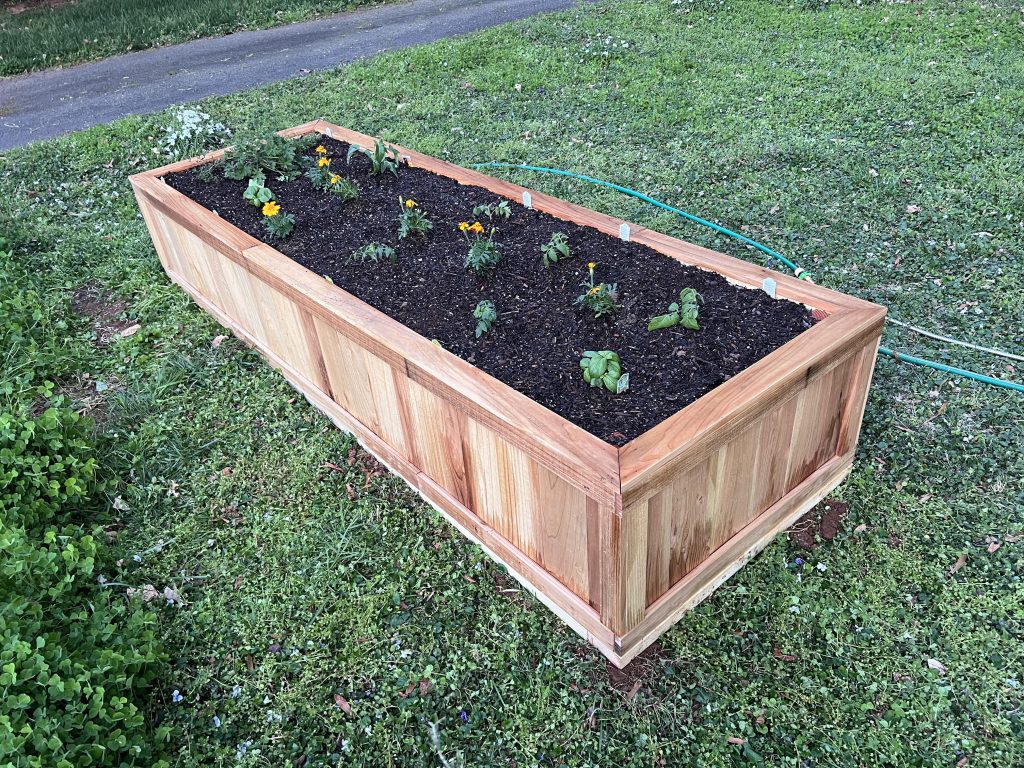
Are you thinking about building raised garden beds and wondering if pressure-treated wood is a safe choice? You want your plants to grow healthy and your garden to thrive, but the last thing you want is to risk harmful chemicals seeping into your soil.
It’s a common concern, and you’re not alone in asking this question. You’ll discover the truth about pressure-treated wood, how it works, and whether it’s really safe for your garden. Keep reading to make the best decision for your green space and enjoy peace of mind while you grow.
Pressure Treated Wood Basics
Pressure treated wood is common for outdoor projects. It lasts longer than regular wood. This wood is treated to resist rot, insects, and weather damage.
Many gardeners use pressure treated wood for raised garden beds. Understanding what pressure treatment is helps you decide if it is safe for your garden.
What Is Pressure Treatment?
Pressure treatment is a process that adds chemicals deep into wood. This protects wood from decay and pests. The wood is placed in a sealed chamber where chemicals soak in under high pressure.
- Protects wood from moisture and insects
- Extends wood’s life outdoors
- Common for decks, fences, and garden beds
- Can have a greenish or brownish color
Types Of Chemicals Used
Different chemicals treat wood. Some are safer than others for gardens. Knowing the chemicals helps you choose the right wood for raised beds.
| Chemical Type | Purpose | Common Use |
|---|---|---|
| Alkaline Copper Quaternary (ACQ) | Prevents fungi and insects | Most common for outdoor wood |
| Copper Azole (CA) | Protects from decay and insects | Used in decks and fencing |
| Chromated Copper Arsenate (CCA) | Fungicide and insecticide | Restricted for residential use |
| Micronized Copper | Environmentally safer copper treatment | Newer alternative for outdoor wood |

Credit: www.farmfreshchoice.com
Safety Concerns For Garden Use
Pressure-treated wood is popular for raised garden beds. Some worry about its safety for plants and soil.
Understanding chemical effects is important for healthy gardens. Let’s explore these concerns.
Potential Chemical Leaching
Pressure-treated wood has chemicals to prevent rot and insects. Over time, these chemicals might leach into the soil.
- Copper: Used to stop fungal growth.
- Chromium: Helps bind chemicals to wood.
- Arsenic: Protects from insects but is toxic.
Impact On Soil And Plants
Chemicals from wood can change soil composition. This might affect plant health and growth.
| Element | Effect on Plants |
| Copper | Can cause root damage |
| Chromium | Minimal effect in small amounts |
| Arsenic | Toxic, reduces growth |
Research And Expert Opinions
Pressure-treated wood is common in raised garden beds. People want to know if it is safe for growing food. Research and experts help answer this question.
This article looks at studies on toxicity and advice from horticulturists. It explains what is safe and what to avoid.
Studies On Toxicity Levels
Scientists tested pressure-treated wood for chemicals that might harm plants or people. The main concern is arsenic and chromium. Older wood used chromated copper arsenate (CCA), which can leach toxins.
| Study | Findings | Safety Level |
| USDA Report (2015) | Low levels of chemical leaching found in soil | Safe if soil tested regularly |
| University of Minnesota (2018) | No harmful levels detected in vegetables grown | Safe for food crops with barrier use |
| EPA Guidelines (2020) | CCA wood not recommended for food gardens | Use newer treatments instead |
New pressure-treated woods use safer chemicals like alkaline copper quaternary (ACQ). These have lower toxicity risks. Still, it is best to test soil and avoid direct contact with edible plants.
Recommendations From Horticulturists
Garden experts suggest ways to keep raised beds safe when using pressure-treated wood. They focus on preventing chemical contact with plants.
- Use a plastic liner between wood and soil
- Avoid growing root vegetables near wood edges
- Choose newer treated wood types labeled safe for gardens
- Regularly test soil for heavy metals
- Wear gloves when handling treated wood
Experts also note that untreated wood or cedar may be safer choices. But treated wood can last longer and resist rot. Following safety tips reduces risks to plants and people.

Credit: www.reddit.com
Alternatives To Pressure Treated Wood
Pressure treated wood is common for raised garden beds. Some worry about chemicals used in treatment. There are safer options to consider for your garden.
This guide shows natural wood choices and other materials that last long without harmful chemicals.
Natural Wood Options
Natural woods resist decay and pests without chemicals. They work well for garden beds and stay safe for plants.
- Cedar: Naturally rot-resistant and lasts many years outdoors.
- Redwood: Strong wood that resists moisture and insects.
- Black Locust: Very hard and durable, good for outdoor use.
- Douglas Fir: Affordable and lasts when properly sealed.
Composite And Metal Beds
Composite and metal beds avoid wood issues like rot. They need less upkeep and do not leach chemicals.
| Material | Advantages | Considerations |
| Composite | Long-lasting, low maintenance, insect-proof | Can be more costly, may heat up in sun |
| Galvanized Steel | Durable, rust-resistant, modern look | Can get hot, may dent |
| Corten Steel | Develops protective rust layer, strong | Rust color may stain nearby surfaces |
Best Practices For Using Pressure Treated Wood
Pressure treated wood is common for raised garden beds. It resists rot and insects. Still, safety matters when using it near soil and plants.
Following good methods helps keep your garden safe. You can protect plants and soil from chemicals. Use the right steps during installation and sealing.
Sealing And Lining Techniques
Sealing pressure treated wood limits chemical leaching. Lining the bed adds extra safety for your plants.
- Apply a non-toxic, water-based sealant on all wood surfaces.
- Seal the wood before assembly to cover all sides well.
- Use heavy-duty plastic or pond liner inside the bed to separate soil from wood.
- Make sure the liner has drainage holes to prevent water buildup.
- Replace the sealant every few years to keep protection strong.
Safe Installation Tips
Proper installation reduces risks. Use the right tools and follow safety guidelines.
| Tip | Details |
| Wear Gloves | Protect skin from chemicals when handling wood. |
| Use Stainless Steel Fasteners | Prevent rust and avoid contamination from metal corrosion. |
| Elevate the Bed | Keep wood off wet ground to reduce rot and chemical seepage. |
| Check for Cracks | Replace damaged wood to avoid chemical leaks. |
| Allow Wood to Dry | Wait a few days after treatment before building. |
Long-term Effects On Garden Health
Using pressure-treated wood for raised garden beds raises questions about soil safety. Many gardeners want to know if chemicals affect their plants over time. This section looks at how treated wood influences garden health in the long run.
We focus on two key areas: soil quality and plant growth. Both are important for a healthy garden and good harvests.
Soil Quality Over Time
Pressure-treated wood contains chemicals to prevent rot and insects. Some chemicals can seep into the soil slowly. This may change soil nutrients and pH levels after many years.
- Chemical leaching may lower soil quality.
- Soil may become less fertile over time.
- Microorganisms in soil can be affected.
- Regular soil testing helps monitor changes.
- Adding compost can improve soil health.
Plant Growth And Yield
Plants growing in beds with pressure-treated wood might show different growth patterns. Chemicals in the soil can affect root health. This may reduce how well plants absorb water and nutrients.
| Factor | Possible Effect |
| Root Development | May slow down due to chemicals |
| Plant Height | Could be shorter than normal |
| Fruit Yield | May decrease in some cases |
| Leaf Color | Could turn pale or yellowish |

Credit: medium.com
Frequently Asked Questions
Is Pressure-treated Wood Safe For Vegetable Gardens?
Pressure-treated wood is generally safe if it uses modern, non-toxic preservatives. Older wood may contain harmful chemicals like arsenic. Always check the treatment type before use in vegetable gardens to ensure safety for edible plants.
How Does Pressure-treated Wood Affect Soil Quality?
Modern pressure-treated wood has minimal impact on soil. It resists rot without leaching harmful chemicals. However, older treatments might contaminate soil, so choose newer, safer wood types to protect soil health in raised beds.
Can Pressure-treated Wood Leach Chemicals Into Plants?
Newer pressure-treated wood uses safer preservatives, reducing chemical leaching risk. Proper sealing and lining inside raised beds also minimize exposure. Avoid using older, arsenic-treated wood to prevent chemical contamination in garden plants.
What Alternatives Exist To Pressure-treated Wood For Raised Beds?
Cedar, redwood, and composite materials are excellent alternatives. They resist decay naturally without chemicals. These options are safer and eco-friendly for building raised garden beds, especially for growing edible plants.
Conclusion
Pressure-treated wood can be safe for raised garden beds with care. Choose wood labeled as safe for gardens. Use a liner inside the bed to protect soil and plants. Avoid growing root vegetables directly in treated wood beds. Regularly check for signs of wear or damage.
Clean tools after working with treated wood. This helps keep your garden healthy and safe. Raised beds made with care can last many seasons. Remember, safety and care go hand in hand. Your garden will thank you for it.