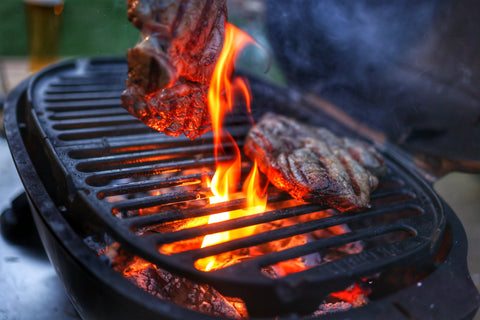
Are you someone who loves the smoky flavor of food grilled over charcoal? You might be wondering if this tasty cooking method could be harming your health.
After all, grilling is a popular way to prepare meals, especially when friends and family gather outdoors. But is grilling on charcoal bad for you? You’ll discover the surprising facts about charcoal grilling, what risks might be involved, and simple steps you can take to enjoy your favorite BBQ without worry.
Keep reading to learn how to protect your health while still savoring that perfect grilled taste.
Charcoal Grilling Basics
Grilling with charcoal gives food a smoky flavor. It uses burning charcoal to cook meat and vegetables.
Many people enjoy charcoal grilling for its taste and outdoor cooking style. Knowing how it works helps you grill safely.
How Charcoal Grilling Works
Charcoal grilling uses charcoal briquettes or lump charcoal as fuel. You light the charcoal until it glows red and covered with ash.
The hot charcoal produces heat and smoke. You place food on a grill rack above the charcoal to cook it.
Types Of Charcoal Used
There are two main types of charcoal for grilling: briquettes and lump charcoal. Each has different qualities.
- Briquettes:Made from compressed charcoal and other materials. They burn evenly and last longer.
- Lump Charcoal:Made by burning wood in low oxygen. It lights faster and produces less ash.
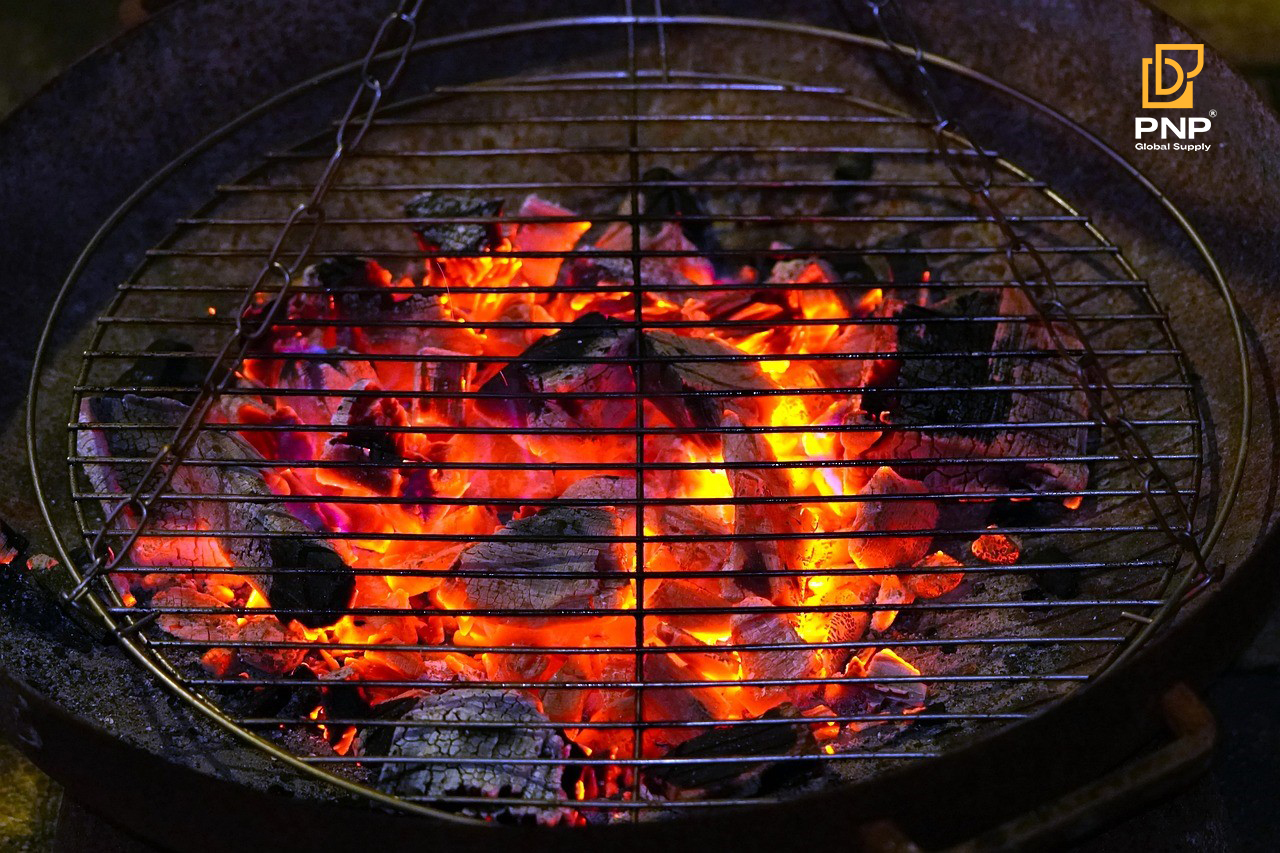
Credit: pnpcharcoal.com
Health Risks Linked To Charcoal Grilling
Grilling on charcoal is popular for its smoky flavor. But it has health risks that concern many people. Understanding these risks can help you make better choices for your health.
Charcoal grilling releases harmful chemicals. These chemicals can affect your health in different ways. It’s important to know what these chemicals are and how they can impact you.
Harmful Chemicals Released
Charcoal grilling releases dangerous chemicals into the air. These chemicals include carbon monoxide and volatile organic compounds. They can affect your health when you breathe them in.
These chemicals are not visible but can still harm you. Reducing exposure is key to minimizing health risks.
Formation Of Carcinogens
Carcinogens are substances that can cause cancer. Grilling meat on charcoal can form carcinogens like polycyclic aromatic hydrocarbons (PAHs) and heterocyclic amines (HCAs).
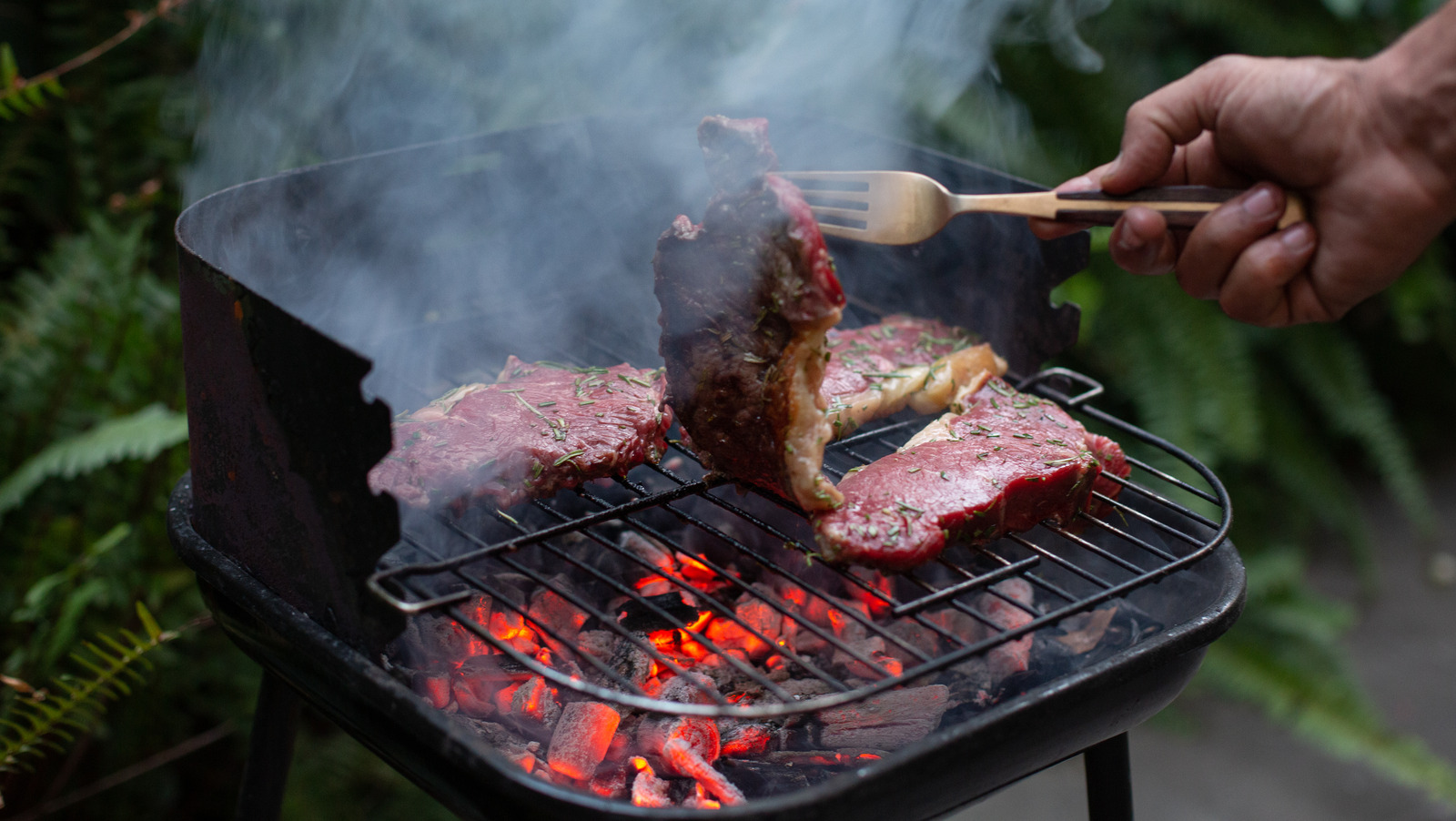
These compounds form when fat from meat drips onto hot charcoal. The smoke carries them back onto the meat. Eating grilled meat with these compounds may increase cancer risk.
Impact On Respiratory Health
Inhaling smoke from charcoal grills can harm your lungs. It can cause coughing and aggravate asthma symptoms. People with respiratory issues should be cautious.
Staying away from the smoke and using outdoor spaces can reduce these effects. Proper ventilation also helps in keeping the air clean.
Comparing Charcoal To Other Grilling Methods
Grilling is a popular way to cook food outdoors. Many people wonder if charcoal grilling is safe. This guide looks at charcoal and other grilling types. It helps you see the differences clearly.
We compare charcoal grilling to gas and electric grilling. Each method has good and bad points. Knowing these can help you choose the right grill for you.
Charcoal Vs Gas Grilling
Charcoal grills use burning coal to cook food. Gas grills use propane or natural gas. Both give different flavors and cooking experiences.
| Feature | Charcoal Grilling | Gas Grilling |
| Flavor | Smoky and rich | Clean and mild |
| Heat Control | Harder to control | Easy to adjust |
| Setup Time | Longer to start | Quick ignition |
| Health Concerns | More smoke and chemicals | Less smoke, fewer chemicals |
| Cost | Usually cheaper | Usually more expensive |
Charcoal grilling creates more smoke. This smoke has chemicals that might affect health. Gas grilling gives fewer harmful chemicals. But both methods can be used safely with good care.
Electric Grilling As An Alternative
Electric grills use electricity to heat the cooking surface. They do not use open flames or produce smoke. This makes them cleaner and safer for some people.
- Electric grills are easy to use indoors or outdoors.
- They produce no smoke or harmful chemicals.
- Heat control is simple and precise.
- They lack the smoky flavor of charcoal grills.
- Electric grills need a power source nearby.
Electric grilling is a good choice for people who want less smoke and more control. It is also useful in places where open flames are not allowed.
Credit: www.goodrx.com
Reducing Health Risks While Grilling
Grilling on charcoal adds a smoky flavor to food. Some people worry it might harm health. Taking simple steps can reduce risks and make grilling safer.
Using safe methods and choosing the right foods help keep your meals healthy and tasty. Let’s explore ways to grill safely and enjoy your food without worry.
Safe Grilling Techniques
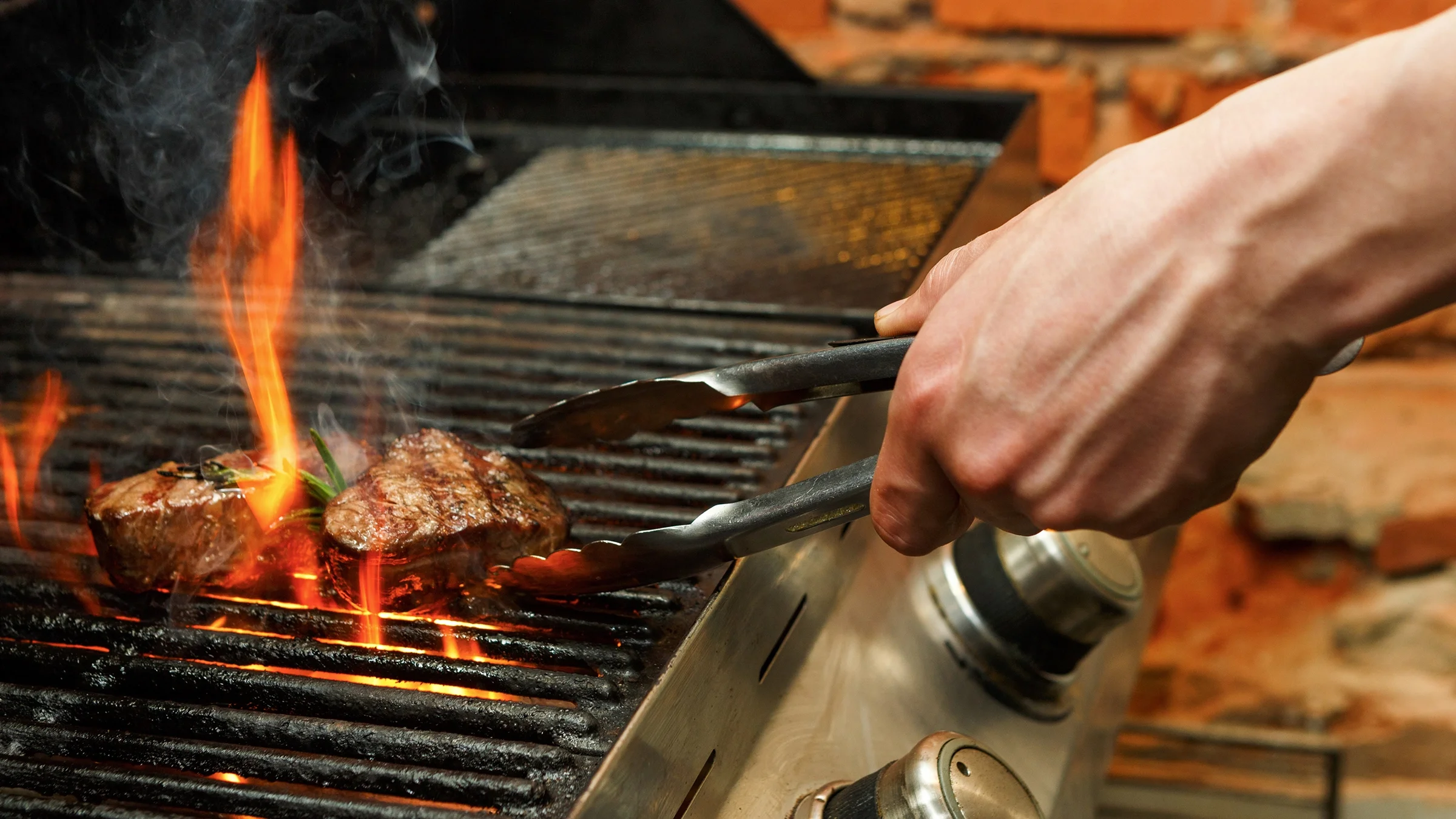
Proper grilling methods lower harmful substances in your food. Keep the grill clean to avoid old residue. Cook food at the right temperature to prevent burning.
- Preheat the grill before cooking
- Use a grill brush to clean grates
- Avoid charring or burning food
- Turn food often for even cooking
- Keep flare-ups under control
Choosing Healthier Food Options
Pick foods that reduce harmful chemicals when grilled. Lean meats and vegetables are better choices. Avoid processed meats with added nitrates and preservatives.
| Food Type | Why It’s Healthier |
| Chicken breast | Low fat, less smoke |
| Fish | High in omega-3, cooks quickly |
| Vegetables | Rich in fiber and antioxidants |
| Lean beef | Less fat, fewer toxins |
Using Marinades And Seasonings
Marinating food cuts harmful chemicals during grilling. Use herbs, spices, and citrus juices. These add flavor and protect your health.
Try these marinade tips:
- Use olive oil with lemon juice or vinegar
- Add fresh herbs like rosemary or thyme
- Include garlic and ginger for taste and protection
- Marinate for at least 30 minutes before grilling
Environmental Considerations
Grilling with charcoal affects the environment in several ways. It is important to understand these impacts to make better choices.
We will look at how charcoal is made and ways to grill more sustainably.
Charcoal Production Impact
Making charcoal often involves cutting down trees. This process can lead to deforestation. It also releases carbon dioxide, a greenhouse gas that adds to climate change.
- Loss of forest areas harms wildlife habitats.
- Charcoal production emits smoke and pollutants.
- Unsustainable harvesting depletes natural resources.
Sustainable Grilling Choices
You can reduce environmental harm by choosing better grilling options. Using sustainable charcoal or alternative fuels helps protect nature.
| Grilling Option | Environmental Benefit |
| Natural lump charcoal | Less chemical additives |
| Charcoal from sustainably managed forests | Supports forest regrowth |
| Electric or gas grills | Lower direct emissions |
| Using a charcoal chimney starter | Reduces lighter fluid use |
Credit: www.thetakeout.com
When To Avoid Charcoal Grilling
Charcoal grilling is popular for its smoky flavor. Still, there are times you should avoid it for health and safety reasons.
Knowing when not to use charcoal grilling helps protect your health and those around you.
Health Conditions To Consider
People with lung problems should be careful around charcoal smoke. The smoke has tiny particles that can make breathing hard.
Charcoal grilling creates chemicals that might cause irritation or worsen asthma and allergies.
- Asthma patients may experience more attacks.
- People with chronic bronchitis should avoid charcoal smoke.
- Those with heart disease should limit exposure to smoke.
Indoor Vs Outdoor Grilling Safety
Charcoal grilling should never be done indoors. The smoke and gases can build up quickly and cause poisoning.
Outdoor grilling is safer because smoke can spread out. Still, keep your grill away from buildings and flammable objects.
- Never use charcoal grills inside homes, garages, or tents.
- Set up grills in open, well-ventilated spaces.
- Keep a fire extinguisher or water source nearby.
- Watch for wind directions to avoid smoke blowing toward people.
Frequently Asked Questions
Is Charcoal Grilling Harmful To Health?
Charcoal grilling can release harmful chemicals like PAHs and HCAs. These compounds may increase cancer risks if consumed frequently. Using lean meats and avoiding charring reduces exposure. Moderation and proper grilling techniques make charcoal grilling safer for occasional enjoyment.
What Are The Risks Of Inhaling Charcoal Smoke?
Inhaling charcoal smoke exposes you to carbon monoxide and toxic compounds. Prolonged exposure can cause respiratory issues and irritation. Always grill in well-ventilated areas to minimize smoke inhalation risks and protect your lung health during cooking.
Does Charcoal Grilling Produce Carcinogens?
Yes, charcoal grilling produces carcinogens such as PAHs and HCAs. These form when fat drips onto hot coals, creating smoke. To limit carcinogen intake, avoid overcooking and charred food, and use marinades that reduce harmful chemical formation.
How Can I Make Charcoal Grilling Safer?
Use lean meats and avoid charring food to reduce carcinogens. Grill in well-ventilated spaces to prevent smoke inhalation. Clean your grill regularly and consider using natural lump charcoal for fewer additives. These steps help make charcoal grilling healthier.
Conclusion
Grilling on charcoal can add great flavor to food. Some risks exist, but they can be reduced. Using proper techniques helps keep grilling safer. Avoiding overcooking and flare-ups lowers harmful chemicals. Choosing lean meats also makes a difference. Charcoal grilling remains popular for many reasons.
Enjoy your meals while staying mindful of safety. Cooking outdoors can be both fun and healthy. Balance and care make charcoal grilling a good choice.