Planning a hiking trip? Knowing exactly what to pack can make all the difference between an amazing adventure and a tough, uncomfortable experience.
You want to stay safe, feel comfortable, and enjoy every moment on the trail. But with so many items to consider, it’s easy to feel overwhelmed or forget something important. In this guide, you’ll discover the essential gear and smart tips that will help you pack like a pro.
Keep reading, and get ready to make your next hike your best one yet!
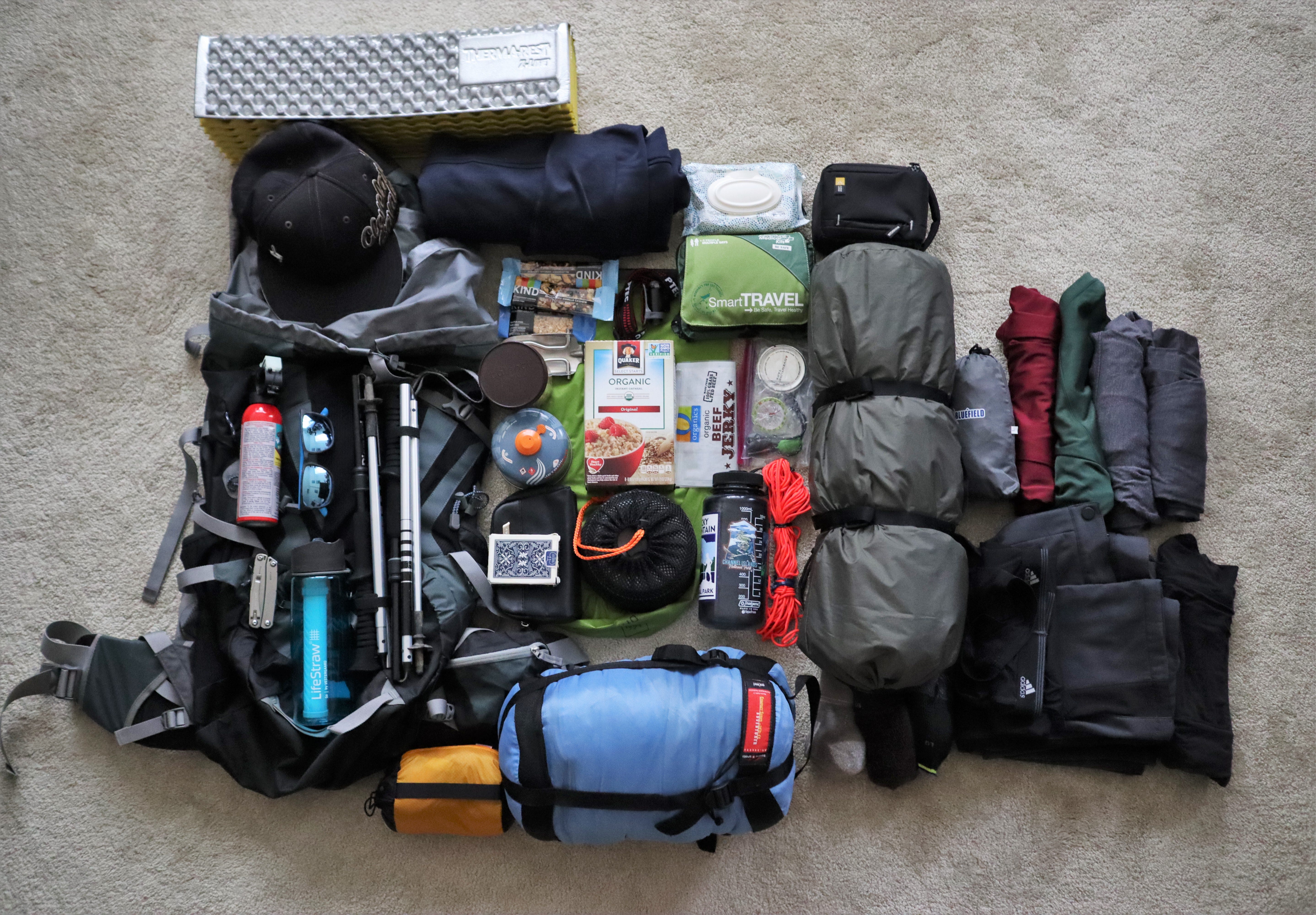
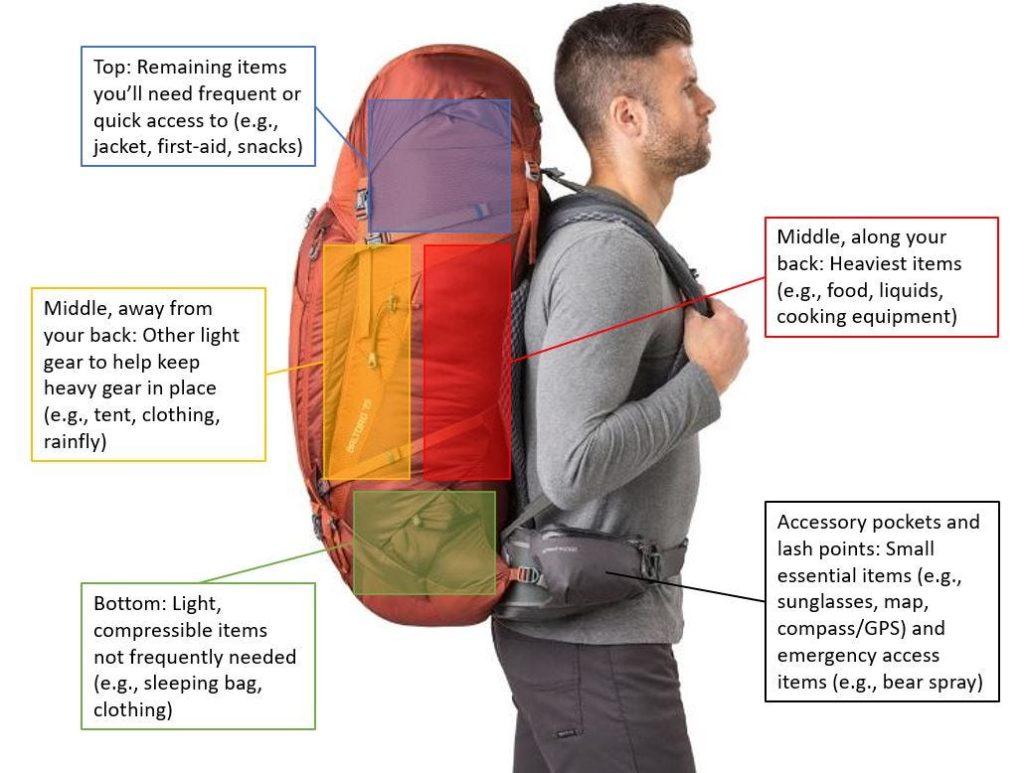
Credit: pangolinswithpacks.com
Choosing The Right Backpack
Packing for a hiking trip starts with picking the right backpack. Your backpack holds all your gear and should fit your needs well.
Choosing a backpack depends on how long your trip is and what you will carry. Comfort and durability are also key factors.
Size And Capacity
Your backpack size depends on your trip length and gear. Small trips need less space. Longer trips need bigger backpacks.
- Day hikes: 15 to 30 liters
- Overnight trips: 30 to 50 liters
- Multi-day trips: 50 liters or more
Comfort And Fit
Comfort is important to avoid pain on the trail. The backpack should fit your back and hips well. Look for adjustable straps and padded support.
| Feature | Benefit |
| Adjustable straps | Custom fit for body size |
| Padded hip belt | Reduces weight on shoulders |
| Ventilated back panel | Improves airflow and comfort |
Durability And Features
Durable material keeps your backpack safe from tears. Extra features add convenience on the trail.
- Water-resistant fabric protects gear
- Multiple pockets help organize items
- Compression straps keep load stable
- Attachment points for gear like trekking poles
Clothing Essentials
When packing for a hiking trip, clothing is key. You need to be prepared for any weather conditions. Packing the right clothes ensures comfort and safety on your adventure.
Consider the climate and duration of your hike. Choose clothes that are versatile and durable. This guide will help you pack the essentials for your hiking trip.
Layering For Weather
Dressing in layers helps you adapt to temperature changes. Start with a base layer that wicks away moisture. This keeps you dry and comfortable.
Add an insulating layer for warmth. A fleece or down jacket works well. Finish with a waterproof outer layer to protect against rain and wind.
- Base layer: moisture-wicking shirt
- Insulating layer: fleece or down jacket
- Outer layer: waterproof jacket
Footwear Selection
Choosing the right footwear is crucial for hiking. Your shoes should be comfortable and provide good support. Hiking boots or shoes are ideal.
Consider the terrain of your hike. Boots with good traction are important for rocky paths. Waterproof shoes keep your feet dry in wet conditions.
- Hiking boots for ankle support
- Trail shoes for lighter hikes
- Waterproof footwear for wet conditions
Accessories And Protection
Accessories can make your hike more enjoyable. Pack a hat and sunglasses to protect from the sun. Gloves are useful in cold weather.
Don’t forget sun protection. Sunscreen helps prevent sunburn. Insect repellent keeps bugs away.
- Sun hat and sunglasses
- Gloves for cold weather
- Sunscreen and insect repellent
Navigation Tools
Good navigation tools keep you safe on a hiking trip. They help you find your way and avoid getting lost.
It is important to carry reliable navigation aids. Choose tools that suit your route and skill level.
Maps And Compass
Paper maps show detailed trails and land features. They do not need batteries or signals.
A compass points to magnetic north. It helps you use the map and find directions.
- Always carry a topographic map of your area
- Learn to read contour lines and symbols
- Use a compass to orient your map
- Practice basic navigation skills before the trip
Gps Devices
GPS devices use satellites to show your exact location. They are helpful in unfamiliar areas.
Many GPS units have features like waypoints and track recording. This helps you follow paths or find your way back.
- Choose a GPS with good battery life
- Bring extra batteries or power banks
- Check the device before hiking
- Use GPS as a backup, not the only tool
Mobile Apps And Backup Options
Smartphone apps can show maps and GPS data. Many work offline if you download maps before the trip.
It is smart to have backup options. A paper map and compass are good backups if your phone fails.
- Download offline maps to your phone
- Use apps designed for hiking and navigation
- Bring a portable charger for your phone
- Always carry a map and compass as backup
Safety And First Aid
Packing the right safety and first aid items is crucial for a safe hiking trip. These items help you handle minor injuries and emergencies.
Always prepare before you leave. Being ready can make your hike safer and more enjoyable.
Basic First Aid Kit
A first aid kit should include essential items to treat cuts, scrapes, and other injuries. Keep it compact and easy to carry.
- Adhesive bandages in various sizes
- Antiseptic wipes and ointment
- Gauze pads and medical tape
- Scissors and tweezers
- Pain relievers like ibuprofen or acetaminophen
- Allergy medication if needed
- Disposable gloves
- Elastic bandage for sprains
Emergency Signaling Devices
Signaling devices help rescuers find you if you get lost or hurt. Carry items that are easy to use and reliable.
| Device | Purpose | Tips |
| Whistle | Make loud sounds to attract attention | Blow in short bursts, repeat regularly |
| Mirror | Reflect sunlight for signaling | Use on sunny days, angle towards rescuers |
| Flashlight | Light source and signal at night | Bring extra batteries |
| Bright-colored cloth | Visual marker on ground or trees | Wave or place in open areas |
Personal Safety Items
Personal safety items protect you from hazards and help you stay safe on the trail. Choose items that suit your needs and environment.
- Multi-tool or pocket knife
- Fire starter or waterproof matches
- Emergency blanket to keep warm
- Insect repellent
- Sunscreen
- Identification and emergency contact info
- Mobile phone with extra power bank
Food And Hydration
Packing the right food and water is key for a safe hiking trip. Your body needs fuel and fluids to keep going.
Planning what to eat and how to drink helps you stay energized and avoid dehydration.
Meal Planning
Plan simple meals that are easy to cook or eat on the trail. Choose foods that last without refrigeration.
Include a balance of proteins, carbs, and fats to keep your energy steady during your hike.
- Instant oatmeal or granola for breakfast
- Whole grain bread or tortillas for lunch
- Light canned tuna or nuts for protein
- Dehydrated meals for dinner
- Small cooking stove or portable burner
Water Storage And Purification
Carry enough water in bottles or hydration bladders to last between refill points. Know where you can refill.
Use water purification methods to make sure your drinking water is safe. This prevents illness on the trail.
- Carry at least 2 liters of water per person daily
- Use water filters, purification tablets, or boiling
- Choose lightweight, durable water containers
- Check water sources before your trip
Snacks For Energy
Pack snacks that are easy to eat while hiking. They help keep your energy levels high between meals.
Choose snacks that offer quick energy and are light to carry.
- Trail mix with nuts and dried fruit
- Energy bars or granola bars
- Fresh fruit like apples or oranges
- Peanut butter packets
- Jerky or dried meat
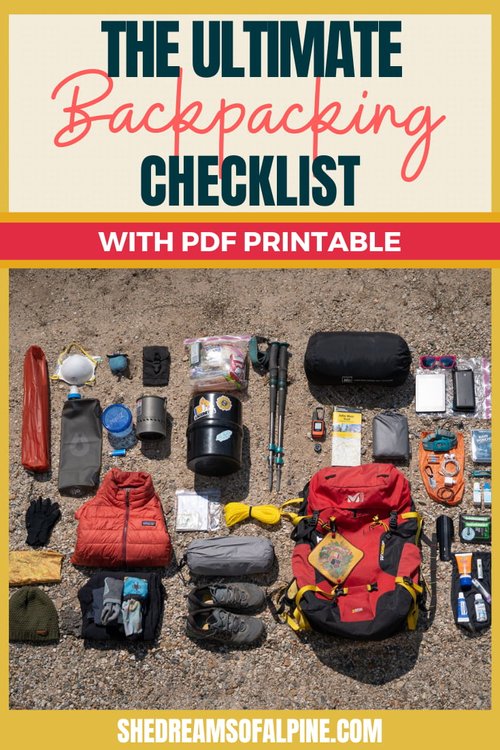
Credit: www.shedreamsofalpine.com
Camping And Sleeping Gear
Camping and sleeping gear are essential for a safe and restful hiking trip. Choosing the right items helps you stay comfortable outdoors. Proper gear protects you from the weather and rough ground.
Focus on lightweight and durable gear. Pack only what you need to keep your backpack light. Good equipment lets you enjoy your hike and sleep well at night.
Tents And Shelters
A tent or shelter protects you from rain, wind, and insects. Choose one that is easy to carry and set up. Look for waterproof materials and good ventilation.
- Lightweight backpacking tents
- Tarps for simple shelter
- Sleeping under the stars with a bivy sack
- Rainfly to keep dry
- Stakes and guylines for stability
Sleeping Bags And Pads
Sleeping bags keep you warm and comfortable. Choose one with the right temperature rating for the season. Sleeping pads add cushioning and insulation from the cold ground.
| Item | Purpose | Tip |
| Down sleeping bag | Warmth and compressibility | Keep dry for best performance |
| Synthetic sleeping bag | Warm even when wet | Heavier but affordable |
| Inflatable sleeping pad | Comfort and insulation | Check for leaks before trip |
| Foam sleeping pad | Durable and lightweight | Easy to clean and repair |
Additional Comfort Items
Extra items can improve your camping comfort. These small touches help you relax after a long day hiking.
- Pillow or stuff sack filled with clothes
- Extra blanket for cold nights
- Earplugs to block noise
- Eye mask for better sleep
- Camping chair or seat pad
Tools And Repair Kits
Bringing the right tools and repair kits is important for a safe hiking trip. These items help fix gear and handle emergencies.
Pack light but include essentials that can save time and effort on the trail.
Multi-tools And Knives
Multi-tools and knives serve many purposes. They can cut rope, open cans, and make small repairs. A sharp, sturdy knife is always useful.
- Choose a multi-tool with pliers, screwdrivers, and scissors.
- Pick a knife with a comfortable grip and strong blade.
- Keep tools clean and sharp for best performance.
Repair Supplies
Repair supplies fix broken gear quickly. Carry items that suit your equipment type and trip length.
| Item | Use |
| Strong Tape | Patch tents, fix poles |
| Extra Cord | Replace broken shoelaces or tie gear |
| Needle and Thread | Repair clothes and backpacks |
| Zip Ties | Secure loose parts or broken straps |
Fire Starting Equipment
Fire helps with warmth, cooking, and signaling. Carry reliable fire starters that work in wet or windy conditions.
- Waterproof matches or a lighter are easy to use.
- Carry firestarter sticks or cotton balls with petroleum jelly for quick ignition.
- Store all fire-starting tools in a dry, safe container.
Personal Items And Extras
Packing for a hiking trip means more than just clothes and food. Personal items and extras make your trip easier and more comfortable.
These items help you stay clean, stay connected, and enjoy your time outdoors.
Hygiene Essentials
Keeping clean on a hike is important for comfort and health. Pack small, lightweight hygiene items that fit your trip length.
- Travel-size toothbrush and toothpaste
- Biodegradable soap or body wipes
- Hand sanitizer
- Small towel or quick-dry cloth
- Toilet paper or tissues
- Feminine hygiene products if needed
- Travel-size deodorant
Electronics And Chargers
Electronics can help with navigation and safety. Bring only what you need to save weight and battery power.
- Fully charged phone
- Portable power bank
- Charging cables for devices
- GPS device or smartwatch (optional)
- Headlamp or small flashlight with extra batteries
Entertainment And Documentation
Bring small items to pass time and record your adventure. Keep entertainment light to avoid extra weight.
- Notebook and pen for journaling
- Compact book or e-reader
- Camera or smartphone for photos
- Playing cards or small travel games
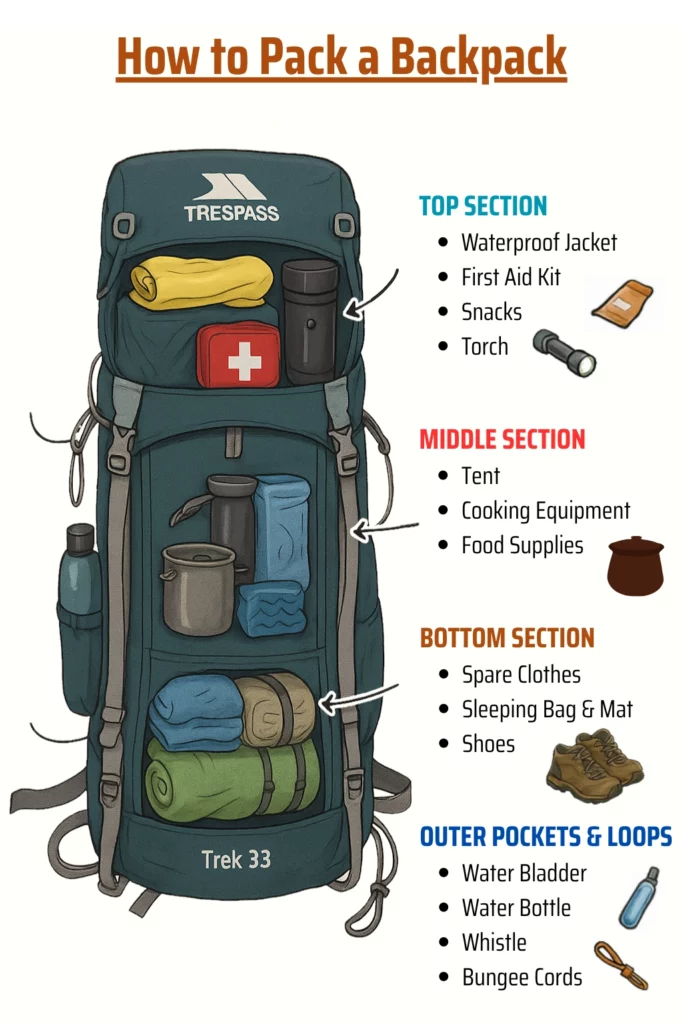
Credit: www.trespass.com
Frequently Asked Questions
What Are The Essential Items To Pack For Hiking?
Essential items include water, snacks, a map, first aid kit, weather-appropriate clothing, and sturdy shoes. These basics ensure safety, hydration, navigation, and comfort during your hike.
How Much Water Should I Bring On A Hiking Trip?
Bring at least two liters of water per person for a half-day hike. Increase the amount for longer or hotter hikes to stay properly hydrated.
What Clothing Is Best For Hiking Trips?
Wear moisture-wicking layers, a waterproof jacket, and sturdy boots. Dress in layers to adapt to changing weather and maintain comfort throughout your hike.
Should I Carry A First Aid Kit While Hiking?
Yes, a compact first aid kit is crucial. It helps treat minor injuries and emergencies, ensuring your safety on the trail.
Conclusion
Packing smart makes your hiking trip safe and fun. Choose items that match the weather and trail. Keep your backpack light but complete. Don’t forget water, food, and a first aid kit. Good shoes and clothes help you walk better.
Plan ahead and check your list twice. Ready gear means less stress on the trail. Enjoy every step and the beauty around you. Happy hiking!