Have you ever wondered what kind of wood baseball bats are made of? If you’re curious about what makes a bat strong, light, and perfect for hitting home runs, you’re in the right place.
The type of wood used can change how the bat feels in your hands and how well you play. Keep reading to discover the secrets behind the wood that shapes every great swing you make. Your game might just get better after this!
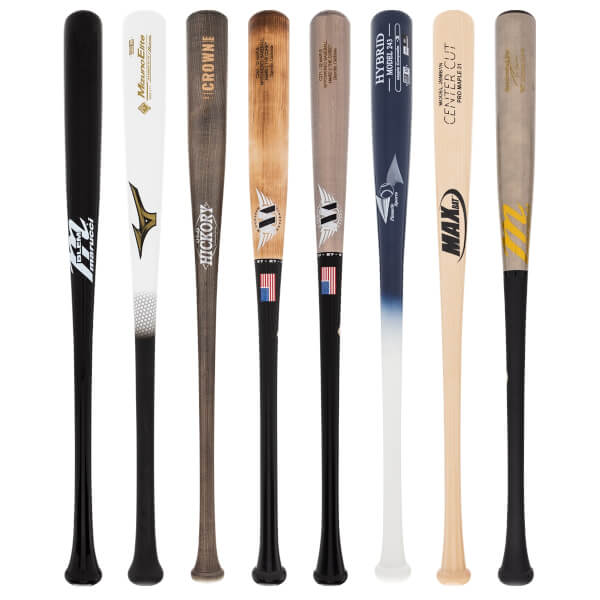
Credit: www.justbats.com
Common Wood Types For Bats
Baseball bats are made from different types of wood. Each wood has its own features that affect performance.
Choosing the right wood can change how the bat feels and hits the ball. Here are some common woods used.
Ash
Ash is a popular wood for baseball bats. It is light and strong with a flexible grain.
This wood gives good speed and control. It also absorbs shock well, reducing hand sting.
- Lightweight
- Flexible grain
- Good shock absorption
- Offers better control
Maple
Maple bats are very hard and dense. This makes them durable and powerful for hitting.
They tend to be heavier than ash bats. Maple bats give a solid feel on contact.
- Hard and dense wood
- Heavier weight
- Durable and strong
- Powerful hitting
Birch
Birch is a mix between ash and maple. It is flexible but also hard and strong.
Birch bats offer a good balance of control and power. They break in well with use.
- Flexible and strong
- Good balance of power and control
- Becomes easier to use over time
- Less prone to splintering
Hickory
Hickory is very tough and heavy. It was used in older bats for its strength.
It offers great power but is harder to swing. Hickory bats are less common today.
- Very tough and heavy
- Strong and durable
- Harder to swing fast
- Less common in modern bats

Credit: www.reddit.com
Characteristics Of Ash Bats
Ash wood is commonly used for making baseball bats. It is well-known for its unique properties.
Players often choose ash bats for their specific benefits. Let’s explore these characteristics in detail.
Flexibility And Grain
Ash bats are praised for their flexibility. The wood’s grain structure allows for some give when hitting the ball.
- Flexibility helps absorb shock.
- Grain structure is straight and visible.
- Preferred by players who like a springy feel.
Weight And Balance
Ash bats are lighter compared to other wood types. This makes them easier to swing and control.
| Wood Type | Average Weight |
| Ash | 28-31 oz |
| Maple | 31-34 oz |
| Bamboo | 33-36 oz |
Durability
Ash bats offer a balance of durability and performance. They can withstand repeated impacts without breaking easily.
Features Of Maple Bats
Maple is a popular wood used for making baseball bats. It offers unique qualities that appeal to many players. The following sections explain the key features of maple bats.
Understanding these features helps players choose the right bat for their needs. We will look at the density and hardness, performance benefits, and breakage patterns of maple bats.
Density And Hardness
Maple wood is known for its high density and hardness. This makes the bats strong and durable. The tight grain structure of maple also adds to its toughness.
- Density ranges from 700 to 750 kg/m³
- Hardness rating is about 1450 on the Janka scale
- Less flexible but more resistant to dents
- Heavier than other woods like ash
Performance Benefits
Maple bats provide solid performance on the field. The hardness helps transfer more energy to the ball. This can result in faster ball speed and longer hits.
| Benefit | Description |
| Power | Hard surface increases ball exit speed |
| Durability | Resists dents and surface damage |
| Consistency | Dense grain gives uniform hitting surface |
| Weight | Heavier feel provides better swing control for some |
Breakage Patterns
Maple bats tend to break differently than other wood bats. Their hardness can lead to splintering instead of bending. This affects how the bat reacts under heavy use.
Common breakage types for maple bats include:
- Shattering on impact due to dense grain
- Splintering near the handle or barrel
- Less likely to bend or crack like ash bats
- Breaks often occur suddenly without warning
Birch Bats In Baseball
Birch wood is a popular choice for making baseball bats. It offers a good balance of strength and flexibility. Many players enjoy using birch bats because they feel solid and responsive during play.
Birch bats have become more common in recent years. They provide unique benefits compared to other woods like maple or ash. Understanding these benefits helps players pick the right bat for their style.
Combination Of Flexibility And Hardness
Birch wood has a special mix of flexibility and hardness. This means the bat can absorb shock well but still feels firm when hitting the ball. It helps reduce the sting on the hands after contact.
Compared to maple, birch is less brittle. It bends slightly before breaking, which adds safety. Birch is harder than ash but not as hard as maple, giving a middle ground for players.
Popularity Among Players
Many baseball players choose birch bats for their balance and feel. The wood offers good control and power. This makes it a favorite for both amateur and professional players.
Birch bats are known for their durability. Players who want a bat that lasts but still performs well often pick birch. It is especially popular in leagues where wood bats are required.
Cost Considerations
Birch bats usually cost less than maple bats. This makes them a good choice for players on a budget. The price is higher than ash but often worth it for the added strength.
Because birch is easier to work with, manufacturers can produce bats faster. This can lower costs and improve availability. Players can find birch bats in many sports stores at fair prices.
Hickory Bats And Their Use
Baseball bats come in many types of wood. One famous wood is hickory. Players have used hickory bats for a long time.
Hickory is strong and heavy. It was popular before other woods became common. Let’s look at why hickory bats matter.
Historical Significance
Hickory bats were very popular in early baseball. Players liked their toughness and durability. Many old-time players used them.
These bats helped shape baseball’s early years. They lasted longer than other woods at that time. Hickory showed what a strong bat could do.
Strength And Weight
Hickory wood is very strong and hard. It can handle strong hits without breaking easily. This made it a good choice for bats.
But hickory bats are heavier than many others. The extra weight can make swinging the bat harder. Some players found this tiring.
- Very strong and durable
- Heavier than maple or ash bats
- Can be harder to swing fast
Why They Are Less Common Today
Today, hickory bats are rare in baseball. Lighter woods like ash and maple are more popular now. They help players swing faster.
Hickory bats also take longer to make. Their weight can slow players down. That is why many players choose other woods today.
- Lighter woods are easier to swing
- Hickory bats are heavier and slower
- Other woods are quicker to produce

Credit: skazone.medium.com
How Wood Type Affects Bat Performance
Baseball bats come in different wood types. Each wood changes how the bat performs.
Choosing the right wood affects your swing speed, power, and feel when you hit the ball.
Swing Speed
Lighter woods help players swing faster. Speed is key to hitting the ball well.
Maple is heavier, so it may slow down your swing. Ash and birch are lighter and allow quicker swings.
- Ash: Light weight, faster swings
- Birch: Balanced weight, good speed
- Maple: Heavier, slower swing but more power
Power And Control
Denser woods like maple give more power. They help the ball fly farther.
Ash and birch give better control. They flex more, so you can guide the ball easier.
- Maple: High power, less flex
- Ash: Good control, more flex
- Birch: Mix of power and control
Feel And Feedback
The type of wood changes how the bat feels in your hands. It also changes the feedback you get on contact.
Ash bats give a softer feel and more vibration feedback. Maple bats feel harder but with less vibration.
- Ash: Softer feel, more vibration
- Maple: Hard feel, less vibration
- Birch: Balanced feel and feedback
Choosing The Right Wood For Your Bat
Baseball bats come in different types of wood. Each wood type affects the bat’s feel and performance. Choosing the right wood depends on your needs and style.
Let’s look at key factors to help you pick the best wood for your bat.
Player Skill Level
New players often want a bat that is easy to handle. Advanced players may choose wood for power or durability. Here is a quick guide:
- Beginners:Maple or ash bats are light and easy to swing.
- Intermediate:Hickory offers more strength but is heavier.
- Advanced:Bamboo or composite woods provide balance and power.
Batting Style
Your batting style affects the wood choice. Power hitters need strong, dense wood. Contact hitters want lighter wood for faster swings.
| Batting Style | Recommended Wood | Reason |
| Power Hitter | Hickory or Maple | High density for strong hits |
| Contact Hitter | Ash | Lightweight for quick swings |
| Balanced Style | Bamboo | Good mix of strength and speed |
Budget Factors
Wood type also affects the bat’s price. Some woods cost more due to quality and rarity. Here is a list to consider:
- Maple bats are moderately priced and durable.
- Ash bats tend to be cheaper but less dense.
- Hickory bats are more expensive because of strength.
- Bamboo bats usually cost the most for advanced players.
Manufacturing Process Of Wooden Bats
Wooden baseball bats are made through a careful process. This process ensures the bats are strong and ready for play. Wood selection, shaping, and finishing are key parts.
Each step helps make a bat that feels good and lasts long. Let’s look at how wooden bats are made from start to finish.
Wood Selection And Preparation
Wood is chosen based on its strength and weight. Common woods include ash, maple, and birch. These woods have the right grain and durability for bats.
The wood logs are cut into blocks called billets. These billets are dried to remove moisture. Proper drying prevents cracking and warping later on.
- Ash: Lightweight and flexible
- Maple: Dense and hard
- Birch: A mix of strength and flexibility
Turning And Shaping
The dried billets are placed on a lathe machine. The lathe spins the wood while cutting tools shape it into a bat. This process creates the round shape and smooth surface.
Different sizes and weights are made by adjusting the shape. The handle, barrel, and knob are formed during this step. Skilled workers check the bat’s balance carefully.
- Lathe spinning shapes the wood
- Handle and barrel are made to size
- Workers check weight and balance
Finishing And Quality Checks
After shaping, the bat is sanded smooth. This removes rough spots and prepares it for finishing. Some bats get a coat of paint or varnish to protect the wood.
Each bat is tested for defects. Quality checks include weight, size, and surface smoothness. Only bats that pass all tests are sent out for use.
- Sanding to smooth the bat
- Applying protective coating
- Testing for weight and size
- Final inspection for defects
Trends And Innovations In Bat Materials
Baseball bats have changed a lot over the years. Wood is still popular, but new materials are gaining ground. These changes help players improve their game.
Many companies look for ways to make bats lighter, stronger, and better for the environment. Let’s explore some new trends in bat materials.
Composite And Metal Alternatives
Composite bats use layers of different materials like carbon fiber and fiberglass. These bats are light and offer good power. Metal bats, mostly made of aluminum, are very common in amateur baseball.
Both composite and metal bats last longer than wood. They also reduce vibration, which feels better for players. These bats give more control and speed in swings.
- Composite bats are light and strong
- Metal bats provide good durability
- Both reduce vibration on impact
- Mostly used in youth and amateur leagues
Hybrid Wood Bats
Hybrid wood bats mix wood with other materials. Some use a metal or composite handle and a wooden barrel. This design improves balance and swing speed.
These bats keep the feel of wood but add modern benefits. Players like the traditional sound and control from the wood barrel. The handle helps reduce weight.
- Wood barrel keeps natural feel
- Metal or composite handle reduces weight
- Improves balance and swing speed
- Combines old and new bat styles
Sustainability In Wood Sourcing
Many bat makers now focus on using wood from sustainable forests. This helps protect trees and supports the environment. Sustainable wood is harvested carefully and responsibly.
Using sustainable wood keeps the tradition of wooden bats alive without harming nature. It also meets growing demand for eco-friendly sports products.
- Wood comes from well-managed forests
- Harvesting follows strict environmental rules
- Reduces waste and supports forest health
- Meets demand for green sports gear
Frequently Asked Questions
What Types Of Wood Are Used For Baseball Bats?
Baseball bats are commonly made from ash, maple, and birch wood. Ash offers flexibility, maple provides hardness, and birch combines both qualities for better durability.
Why Is Ash Wood Popular For Baseball Bats?
Ash wood is lightweight and flexible, allowing better swing speed. Its grain structure helps absorb shock, reducing the risk of bat breakage during play.
How Does Maple Wood Affect Bat Performance?
Maple wood is dense and hard, giving bats more power and durability. Its stiffness allows stronger hits but may increase the chance of cracking.
Are Birch Wood Bats Better Than Ash Or Maple?
Birch wood bats balance hardness and flexibility, making them versatile. They provide a good mix of durability and lightweight feel preferred by many players.
Conclusion
Baseball bats are mostly made from ash, maple, or birch wood. Each type offers different strength and weight. Ash is light and flexible, while maple is dense and strong. Birch combines some benefits of both woods. Choosing the right wood affects how the bat feels and performs.
Knowing these options helps players pick bats that suit their style. Wood type matters more than you might think. It shapes the game and player experience. Understanding wood types makes baseball more fun and clear.