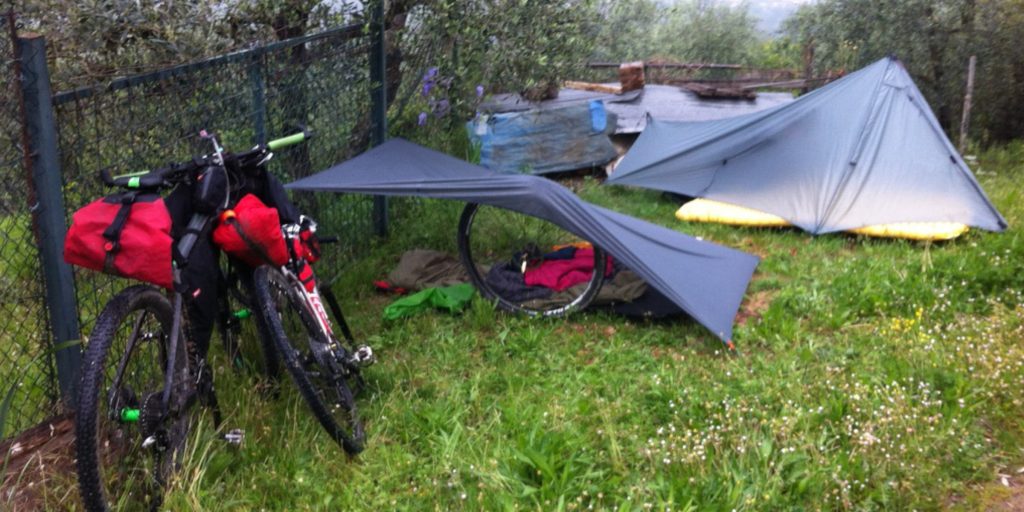
Rain can turn a fun camping trip into a soggy nightmare if your tent isn’t prepared. You don’t want to wake up wet, uncomfortable, or dealing with damp gear.
But keeping your tent dry in the rain isn’t as hard as it seems. With a few smart tips and simple steps, you can stay cozy and dry no matter how heavy the downpour gets. Ready to learn how to protect your shelter and enjoy your outdoor adventure?
Keep reading—your dry, comfortable night under the stars is just ahead.

Credit: www.reddit.com
Choosing The Right Tent
Staying dry in the rain is crucial for a comfortable camping trip. Choosing the right tent can make all the difference. Consider these factors to ensure your tent keeps you dry.
Focus on materials and design features that help in waterproofing. Let’s look at some key points to consider.
Waterproof Materials
Waterproof materials are essential for keeping rain out. Look for tents made with high-quality waterproof fabrics.
- Polyester: Durable and water-resistant.
- Nylon: Lightweight and often coated with waterproof layers.
- Canvas: Heavy but naturally water-resistant.
Seam Sealing Features
Seam sealing is important to prevent leaks. Check if the tent has well-sealed seams to block water entry.
Tent Design And Shape
The design and shape of a tent affect its ability to shed water. A well-designed tent minimizes water pooling.
| Design Feature | Benefit |
| Dome Shape | Encourages water runoff |
| Steep Walls | Prevents water pooling |
| Rainfly | Extra layer of protection |

Credit: haventents.com
Selecting The Campsite
Choosing the right place to set up your tent is key to staying dry in the rain. A good campsite can help keep water away and protect you from wet conditions.
Look for spots that avoid water build-up and offer natural cover. Checking the land carefully can make your camping experience much more comfortable.
Avoiding Low-lying Areas
Low areas collect rainwater and can flood your tent. These spots often become muddy and slippery after rain.
Pick higher ground to keep your tent dry. Even small rises can help water flow away from your site.
- Stay away from valleys and dips in the ground
- Check for puddles or wet soil before setting up
- Look for flat, raised spots to pitch your tent
Finding Natural Shelter
Trees and bushes can block some rain and wind. Natural shelters add extra protection for your tent.
Choose spots near trees but avoid dead branches that could fall. Dense shrubs or rock formations also work well.
- Look for clusters of healthy trees
- Avoid areas with loose or dead branches
- Use bushes or rocks to shield your tent’s sides
Assessing Ground Drainage
Good ground drainage helps water flow away from your tent. Water should not pool under or near your campsite.
Check the soil type and slope. Sandy or rocky soil drains better than clay or heavy dirt.
- Test drainage by digging a small hole and pouring water in
- Choose slopes that direct water away from your tent
- Avoid flat spots with compacted or clay soil
Setting Up The Tent Properly
Keeping your tent dry in the rain starts with a good setup. You need to pitch the tent tightly and use extra gear to block moisture.
Small details can stop water from getting inside. Focus on the tent’s shape, ground protection, and rain shields.
Taut Pitching Techniques
Make sure your tent fabric is pulled tight. A taut tent prevents rain from pooling on top and dripping inside.
- Stretch all guy lines firmly and stake them securely.
- Tighten the rainfly to remove any wrinkles or sagging.
- Adjust the tent poles to keep the fabric stretched.
- Check tension again after wind or rain starts.
Using A Groundsheet Correctly
Place a groundsheet under your tent to protect from wet ground. This adds an extra layer to keep moisture out.
| Groundsheet Tip | Reason |
| Use a footprint that matches your tent size | Prevents water pooling under edges |
| Keep groundsheet edges inside tent perimeter | Stops rainwater from collecting under the tent |
| Choose waterproof material | Blocks moisture from wet soil |
Securing Rain Flaps And Vestibules
Fasten rain flaps and vestibules tightly to block wind-driven rain. Loose flaps let water inside your tent.
- Use all zippers and Velcro closures fully.
- Stake vestibule edges down firmly to keep them flat.
- Check for gaps where rain might enter and close them.

Credit: haventents.com
Waterproofing Enhancements
Keeping a tent dry in the rain is important for comfort and safety. Waterproofing enhancements help protect your shelter from water damage.
This guide covers three key methods to improve your tent’s water resistance and keep you dry.
Applying Waterproof Sprays
Waterproof sprays add a protective layer to your tent fabric. They help water bead off instead of soaking in.
- Clean the tent surface before spraying
- Apply the spray evenly on all fabric areas
- Let the tent dry completely after application
- Repeat spraying annually or as needed
Using Seam Sealant
Seams are weak points where water can leak. Seam sealant blocks these tiny gaps and strengthens seams.
| Seam Sealant Types | Best Use | Dry Time |
| Silicone-based | All fabric types | 24 hours |
| Polyurethane-based | Nylon and polyester | 12 hours |
| Latex-based | Natural fibers | 6 hours |
Apply sealant carefully along all seams. Allow full drying time to ensure a strong, waterproof bond.
Adding A Rainfly Or Tarp
A rainfly or tarp adds a second waterproof layer over your tent. This extra cover keeps rain from touching the tent directly.
- Choose a rainfly that fits your tent size
- Secure the rainfly tightly to avoid wind damage
- Use a tarp under the tent to protect the floor
- Make sure water drains away from the tent
Managing Inside Moisture
Keeping a tent dry inside is key for a comfortable camping trip. Moisture can build up from wet clothes, breath, and rain.
Learn how to reduce moisture using smart ventilation, stopping condensation, and handling wet gear.
Ventilation Tips
Good airflow lowers moisture inside your tent. Open vents and windows to let fresh air in and humid air out.
- Keep mesh panels open during rain to keep bugs out but air flowing.
- Use rain flaps to cover openings while still allowing air movement.
- Avoid blocking vents with gear or sleeping bags.
- Set up your tent facing the wind to boost air circulation.
Preventing Condensation
Condensation forms when warm air meets cold surfaces. This creates water droplets on your tent walls.
| Cause | Solution |
| Breathing inside the tent | Use ventilation openings |
| Wet clothes inside tent | Keep wet items outside or in a waterproof bag |
| Cold tent surface | Use a ground tarp and tent footprint |
| High humidity outside | Pick a dry campsite if possible |
Organizing Wet Gear
Wet gear adds moisture inside your tent. Store it wisely to keep the tent dry and clean.
- Use a waterproof bag for wet clothes and shoes.
- Hang wet gear outside the tent or under a rainfly.
- Keep wet items away from sleeping areas.
- Dry gear during breaks if weather allows.
Additional Rain Protection Tips
Keeping your tent dry during rain needs more than just a good rainfly. Small steps help protect you from water inside the tent.
Learn how to use guy lines, create drainage, and keep your tent in top shape for wet weather.
Using Guy Lines Effectively
Guy lines hold the tent tight and stop it from flapping in strong wind and rain. Use them to keep the rainfly stretched and away from the tent body.
- Attach guy lines to sturdy stakes far from the tent.
- Tighten the lines to keep the rainfly taut and prevent water pooling.
- Check the lines often and adjust if they get loose.
Creating Drainage Trenches
Dig small trenches around the tent to redirect rainwater. This stops water from pooling under your tent and keeps the floor dry.
| Drainage Trenches Tips | Why It Helps |
|---|---|
| Dig trenches 4-6 inches deep | Allows water to flow away from tent base |
| Keep trenches at least 1 foot from tent | Prevents water from seeping back to tent |
| Clear debris from trenches regularly | Maintains good water flow |
Regular Tent Maintenance
Keep your tent clean and damage-free. Regular care helps keep rain out and extends your tent’s life.
- Check seams and zippers for leaks before trips.
- Apply seam sealer if needed to stop water leaks.
- Clean the rainfly and tent body after each use.
- Store the tent dry to prevent mold and mildew.
Frequently Asked Questions
How Can I Waterproof My Tent Before Camping?
Apply a waterproof spray on your tent’s fabric and seams. Use seam sealer tape to cover stitch holes. This prevents water from penetrating during rain and keeps the interior dry.
What Ground Setup Prevents Water From Soaking My Tent?
Choose elevated, well-drained ground for pitching your tent. Use a footprint or groundsheet beneath to block moisture. Avoid low areas where rainwater can accumulate.
How Should I Angle My Tent In Heavy Rain?
Position your tent with the narrow end facing into the wind. Ensure rain flows over the tent without pooling. Proper angling reduces water pressure and leakage risks.
Can Ventilation Help Keep A Tent Dry In Rain?
Yes, good ventilation reduces condensation inside your tent. Open vents or windows slightly to allow airflow. This prevents moisture buildup and keeps the interior comfortable.
Conclusion
Keeping your tent dry in the rain takes simple steps. Use a rainfly and pitch your tent on high ground. Seal seams and keep zippers closed tight. A tarp under the tent adds extra protection. Ventilate to reduce inside moisture.
Check weather and prepare before camping. Dry gear and stay calm during storms. These tips help you enjoy camping, rain or shine. Stay safe, stay dry, and enjoy the outdoors.