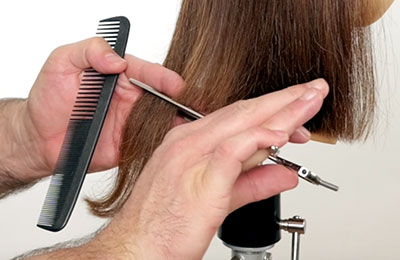
Are you looking to add more movement and volume to your hair without losing length? Knowing the right texturizing technique can make all the difference.
But which method works best with the tools you already have—shears or clippers? Understanding how to use these tools effectively will help you achieve the look you want, whether you’re styling your own hair or working on someone else’s. Keep reading to discover the texturizing technique that fits perfectly with shears or clippers, and learn how to transform your hairstyle with ease.
Shear Texturizing Methods
Shear texturizing is a popular way to add movement and shape to hair. It uses scissors or shears to create texture.
These techniques help reduce bulk and add softness without changing the length too much.
Point Cutting Technique
Point cutting uses the tips of the shears to cut into the ends of the hair. This creates a softer, more natural edge.
This technique removes weight and adds light texture. It works well on all hair types and lengths.
Slide Cutting Approach
Slide cutting means sliding the shears along the hair shaft while cutting. It thins the hair without blunt lines.
This method smooths thick hair and adds soft layers. It is ideal for creating flow and movement.
Notching For Volume
Notching uses the shears to cut small sections of hair unevenly. This adds texture and lifts the hair.
This technique creates volume and a choppy look. It is good for fine hair that needs body.

Credit: jatai.net
Clipper Texturizing Techniques
Texturizing hair with clippers can give a fresh look. These techniques add volume and movement to the hair. Clippers are versatile tools for hairstylists.
Learn how to use clippers for different texturizing methods. These techniques can be performed with precision and ease.
Clipper Over Comb Method
This method blends hair smoothly. Hold a comb in one hand and the clipper in the other. The comb lifts sections of hair for clipping.
Use this technique for a seamless transition between lengths. It is effective for tapering and creating soft layers.
- Comb lifts hair to desired length
- Clipper removes excess hair
- Perfect for blending different lengths
Clipper Point Cutting
Clipper point cutting adds texture to the ends. Point the clipper at the tips of the hair. This creates a jagged and textured finish.
It works well on short to medium hair. This technique gives a choppy and natural look.
Using Guards For Texture
Guards help control hair length. Attach a guard to the clipper for consistent cutting. Different guard sizes create various textures.
This technique is useful for creating layers. Guards offer a safe way to add texture without cutting too much hair.
- Choose the right guard size
- Ensure even texture throughout
- Experiment with different guards for unique looks
Comparing Shears And Clippers
Shears and clippers are common tools for texturizing hair. Each tool offers different results. Understanding their differences helps in choosing the right technique.
Both shears and clippers can change hair texture. They work well for thinning, layering, and shaping hair. Let’s look at how they compare.
Precision And Control
Shears provide more precision and control. They allow careful cutting of small sections. Stylists can make detailed changes with shears. Clippers are faster but less detailed. They cut larger sections quickly but with less finesse.
Speed And Efficiency
Clippers work faster than shears. They cover more hair in less time. Using clippers saves time in busy salons. Shears take longer but offer a refined finish. The choice depends on the style and time available.
- Clippers cut hair quickly and evenly.
- Shears allow slow, careful texturizing.
- Clippers are good for bulk removal.
- Shears are ideal for detail work.
Best Hair Types For Each
| Tool | Best Hair Type | Texturizing Use |
| Shears | Fine or straight hair | Light layering and thinning |
| Clippers | Thick or coarse hair | Bulk removal and shaping |
Choosing between shears and clippers depends on hair type and style goals. Fine hair needs gentle texturizing with shears. Coarse hair benefits from clippers to reduce bulk faster.

Credit: jatai.net
Choosing The Right Technique
Texturizing hair adds shape and removes bulk. You can use shears or clippers for this. Picking the right technique depends on what you want to achieve.
Different techniques give different results. It is important to know which tool and method suit your hair type and style.
Desired Texture Outcome
Shears and clippers create different textures. Shears give a softer, blended look. Clippers create a sharper, more defined texture.
Use shears for light thinning or soft layering. Use clippers for strong texture or shorter styles.
- Shears: soft, natural texture
- Clippers: bold, edgy texture
- Shears: remove bulk gently
- Clippers: create clear lines
Hair Length Considerations
Hair length affects the choice of tool. Shears work well on medium to long hair. Clippers are best for short hair or fades.
Long hair needs careful texturizing to avoid damage. Short hair benefits from clippers for clean edges.
- Long hair: prefer shears
- Medium hair: shears or clippers
- Short hair: clippers work best
- Very short styles: clippers only
Stylist Skill Level
Shears require steady hands and some training. Clippers are easier for beginners but need control to avoid mistakes.
Experienced stylists can use both tools well. Beginners should start with clippers and practice with shears slowly.
- Shears need more skill
- Clippers are beginner-friendly
- Practice improves results
- Safety is important with both
Maintenance And Aftercare
Texturizing with shears or clippers changes hair shape and feel. Proper care keeps the style fresh and healthy.
Follow simple steps to maintain the look and avoid damage. This helps your hair stay soft and neat longer.
Tools Care Tips
Cleaning and caring for shears or clippers ensures they work well. Keep blades sharp and free from rust.
- Wipe blades after each use to remove hair and moisture
- Apply blade oil regularly to prevent rust
- Store tools in a dry, safe place
- Sharpen blades when they become dull
- Check clipper cords for damage before use
Maintaining Hair Texture
Keep your hair texture looking good by using gentle care methods. Avoid heavy products that weigh hair down.
| Care Tip | Reason |
| Use mild shampoo | Prevents dryness and damage |
| Condition regularly | Keeps hair soft and manageable |
| Avoid heat styling | Protects hair from breakage |
| Use wide-tooth comb | Reduces pulling and split ends |
Scheduling Touch-ups
Regular touch-ups keep your textured style sharp. Set appointments based on hair growth and style preference.
- Check hair every 4 to 6 weeks for texture loss
- Book touch-ups before hair grows too long
- Discuss styling goals with your barber or stylist
- Follow aftercare advice to extend time between visits

Credit: jatai.net
Frequently Asked Questions
What Is Texturizing With Shears Or Clippers?
Texturizing with shears or clippers removes bulk and adds movement. It creates a softer, more natural hairstyle by thinning thick hair or blending layers seamlessly.
Which Hair Types Suit Shear Or Clipper Texturizing?
Shear or clipper texturizing works best on thick, coarse, or layered hair. It helps reduce volume and enhances texture for a manageable, stylish look.
How Does Clipper Texturizing Differ From Shears?
Clipper texturizing uses blades to create uniform texture quickly. Shears offer more control for subtle, precise texturizing and layering effects in haircuts.
Can Beginners Perform Texturizing With Shears Or Clippers?
Beginners can texturize with practice and basic techniques. Clippers are easier for uniform results, while shears require skill for detailed texturizing.
Conclusion
Texturizing with shears or clippers offers great styling options. Each tool shapes hair differently, creating unique looks. Shears work well for soft, blended texture. Clippers give a sharper, more defined finish. Choosing depends on hair type and desired style. Both techniques help reduce bulk and add movement.
Understanding these methods improves your hairstyling skills. Experiment to find what suits you best. Keep practicing to achieve smooth, natural results. Texturizing brings life and dimension to any haircut. Simple tools, big impact.