Are you tired of weeds popping up through your mulch, ruining the look of your garden? You might be wondering if landscape fabric is the secret to keeping your outdoor space clean and low-maintenance.
But is it really necessary to put fabric under mulch? You’ll discover the truth about landscape fabric—how it works, its benefits, and whether it’s the right choice for your garden. By the end, you’ll know exactly what to do to protect your plants and create a beautiful, hassle-free yard.
Keep reading to find out!
Purpose Of Landscape Fabric
Landscape fabric is a material placed under mulch in gardens. It helps manage soil and plant health in different ways.
Many gardeners use landscape fabric to reduce weeds, keep soil moist, and make mulch last longer.
Weed Control Benefits
Landscape fabric blocks sunlight, which prevents weed seeds from growing. It stops many weeds from reaching the surface.
This reduces the time needed for weeding and helps plants get more nutrients without competition from weeds.
- Blocks light to stop weed growth
- Reduces weeding time and effort
- Helps garden plants grow better
Soil Moisture Retention
Landscape fabric helps keep water in the soil by reducing evaporation. This means plants get water for longer.
It also lets water and air pass through, so roots can breathe while staying moist.
- Reduces water loss from soil
- Allows water and air to reach roots
- Keeps soil moist for plant health
Improving Mulch Longevity
Landscape fabric creates a barrier that stops mulch from mixing with soil. This helps mulch stay in place longer.
Longer-lasting mulch means less frequent replacement and a neater garden appearance.
- Prevents mulch from mixing with soil
- Keeps mulch in place over time
- Reduces need to replace mulch often
Types Of Landscape Fabric
Landscape fabric is useful for controlling weeds and maintaining garden health. There are different types to suit various gardening needs.
Choosing the right fabric ensures your plants thrive while reducing maintenance work.
Woven Vs Non-woven Fabrics
Woven fabrics are made from interlacing fibers. They are strong and durable, ideal for heavy-duty areas. Non-woven fabrics are made by bonding fibers together, offering flexibility and breathability.
- Woven fabrics: Provide strong weed control, last longer.
- Non-woven fabrics: Allow water and air to reach plants easily.
- Woven fabrics: Best for pathways and high-traffic areas.
- Non-woven fabrics: Suitable for flower beds and vegetable gardens.
Biodegradable Options
Biodegradable fabrics are eco-friendly, breaking down over time. They offer a sustainable choice for gardeners.
| Material | Benefits |
| Coconut coir | Retains moisture, enriches soil |
| Jute | Natural fiber, strong yet biodegradable |
| Starch-based | Breaks down into nutrients for plants |
When To Use Landscape Fabric
Landscape fabric helps control weeds and keeps mulch clean. It works best in certain garden areas.
Knowing when to use landscape fabric can save time and keep your garden healthy.
High-weed Areas
Use landscape fabric in places where weeds grow quickly. It blocks sunlight, stopping weed seeds from sprouting.
This fabric reduces the need for constant weeding in these tough spots.
Under Heavy Mulch
Landscape fabric works well under thick layers of mulch. It keeps mulch from mixing with soil.
This helps mulch last longer and keeps the area neat.
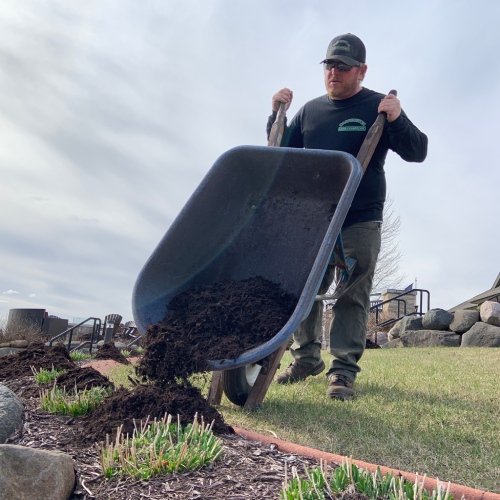
In Garden Beds
Place fabric in garden beds to protect plants from weeds. It lets water and air reach the roots.
Use fabric carefully around plants to avoid blocking growth.
Credit: www.carringtonlawn.com
When To Skip Landscape Fabric
Landscape fabric can help control weeds under mulch. But it is not always the best choice. Sometimes skipping it is better for your plants and soil.
Knowing when to skip landscape fabric saves time and helps your garden grow healthy. Below are some cases where you should avoid using it.
Vegetable Gardens
Vegetable gardens need loose soil to grow well. Landscape fabric can block roots and water from reaching the soil. This can stop vegetables from getting enough nutrients.
Also, fabric can trap heat and moisture. This can cause root rot or other problems. It is better to skip fabric in vegetable beds and use mulch directly on the soil.
Areas Needing Soil Aeration
Some garden areas need good air flow for healthy soil. Landscape fabric can block air and water movement. This can make soil compact and unhealthy.
Soil aeration helps roots grow deep and strong. Avoid fabric in places where soil needs to breathe well. Use mulch alone to keep weeds down without blocking air.
Short-term Mulching
If you plan to mulch for a short time, fabric is not needed. Removing fabric later can disturb soil and plants. Mulch alone is easier to manage and remove.
Short-term mulch helps keep soil moist and cool. You can skip fabric and refresh mulch as needed without extra work or damage.
Installation Tips
Using landscape fabric under mulch helps stop weeds from growing. It also keeps soil in place and allows water to reach roots.
Installing the fabric the right way makes it last longer and work better. Follow these tips to prepare, place, and secure the fabric well.
Preparing The Ground
Clear the area of all weeds, rocks, and debris before laying the fabric. Smooth the soil to create a flat surface.
Make sure the soil is dry to avoid mold or fabric damage later. Rake the soil lightly to remove any sharp objects.
Proper Fabric Placement
Roll out the fabric over the prepared soil. Overlap edges by at least 6 inches to stop weeds from slipping through.
Cut holes or slits only where plants will grow. Avoid making large openings to keep weeds from coming up.
- Overlap edges by 6 inches or more
- Place fabric tightly on the soil
- Cut small holes for plants only
Securing The Fabric
Use landscape staples or pins to hold the fabric in place. Insert staples every few feet along edges and seams.
Make sure the fabric is tight but not stretched. Loose fabric can move and let weeds grow underneath.
- Place staples every 2 to 3 feet
- Secure all edges and overlaps
- Check fabric tightness before adding mulch
Credit: www.carringtonlawn.com
Maintaining Mulch Over Fabric
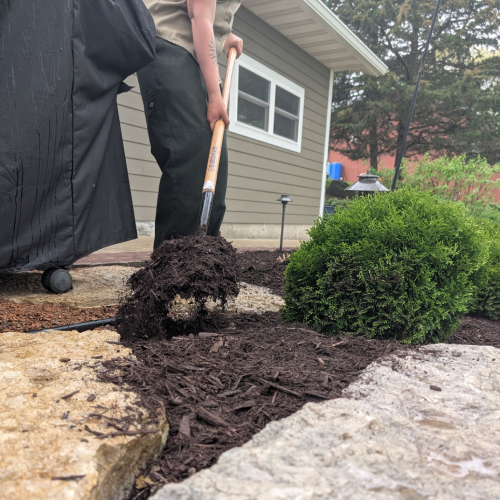
Mulch over landscape fabric helps keep soil moist and stops weeds. Keeping the mulch in good shape is key to its success.
Regular care can make your mulch last longer and protect the fabric underneath.
Refilling Mulch
Mulch breaks down over time and thins out. Add fresh mulch to keep a thick layer on top of the fabric.
Keep mulch about 2 to 3 inches deep to protect the fabric and soil below.
- Check mulch depth every few months
- Top up with the same mulch type for a uniform look
- Spread mulch evenly to avoid bare spots
Checking For Fabric Damage
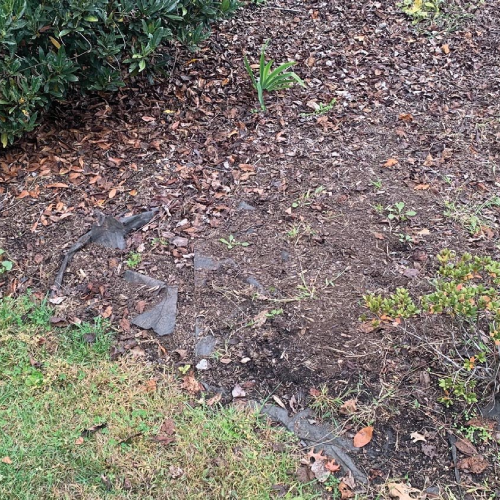
Landscape fabric can tear or get damaged by tools or roots. Look for holes or rips under the mulch.
Fix small tears quickly to stop weeds from growing through.
- Lift mulch gently to inspect the fabric
- Patch holes with fabric scraps and garden staples
- Replace fabric if damage is large or widespread
Managing Weed Growth
Weeds can still grow if mulch thins or fabric is broken. Pull out weeds as soon as you see them.
Keep mulch thick and fabric intact to reduce weed growth over time.
- Remove weeds by hand to avoid damaging fabric
- Check edges where weeds often start
- Keep mulch fresh to block sunlight from weeds
Alternatives To Landscape Fabric
Landscape fabric helps control weeds under mulch. Some people want other ways to stop weeds. These options can work well without fabric.
Choosing the right alternative depends on your garden style and needs. Here are some good choices.
Thick Mulch Layers
Using a thick layer of mulch blocks sunlight from weeds. This stops many weed seeds from growing. Mulch also keeps soil moist and cool.
Apply mulch at least 3 to 4 inches deep. Use organic mulch like wood chips, bark, or straw. Check mulch yearly and add more if needed.
Natural Weed Barriers
Natural barriers stop weeds without plastic fabric. Cardboard or newspaper works well. They break down over time and add nutrients to soil.
Lay sheets of cardboard or 5-10 layers of newspaper under mulch. Wet them to keep in place. These barriers help block weeds and improve soil health.
Ground Covers
Plant ground covers to crowd out weeds. These plants grow close to the ground and spread fast. They reduce open space where weeds can grow.
Some good ground covers are creeping thyme, clover, and creeping phlox. Choose plants that fit your climate and garden conditions.
Credit: www.carringtonlawn.com
Frequently Asked Questions
What Is Landscape Fabric Under Mulch?
Landscape fabric is a porous material placed beneath mulch. It blocks weed growth while letting water and air pass through. It helps keep mulch in place and reduces soil erosion, improving garden health and appearance.
Does Landscape Fabric Prevent All Weeds Under Mulch?
Landscape fabric significantly reduces weed growth but doesn’t stop all weeds. Some persistent weeds may grow through or around the fabric. Regular maintenance and proper installation improve its effectiveness in weed control.
Can Mulch Be Applied Without Landscape Fabric?
Yes, mulch can be applied directly on soil without fabric. However, weeds may grow more easily without a barrier. Fabric helps extend mulch life and reduces garden maintenance by limiting weeds.
How Long Does Landscape Fabric Last Under Mulch?
High-quality landscape fabric typically lasts 5 to 10 years. Exposure to sunlight and soil conditions affect its durability. Mulch covering protects fabric from UV damage and extends its lifespan.
Conclusion
Using landscape fabric under mulch can help control weeds effectively. It allows water and air to reach plant roots. Still, it may limit soil nutrients over time. Mulch alone also helps keep soil moist and cool. Consider your garden needs before choosing fabric.
Regular care and mulch replacement remain important. Choose what works best for your plants and soil. This way, your garden stays healthy and neat.