Are you tired of battling weeds in your garden or spending hours maintaining your flower beds? Landscaping fabric might be the simple solution you’ve been looking for.
It helps keep weeds at bay, reduces soil erosion, and saves you time and effort. But how do you use it correctly to get the best results? You’ll discover easy steps to install landscaping fabric like a pro, tips to avoid common mistakes, and ways to make your garden look neat and healthy all season long.
Keep reading to transform your outdoor space with minimal work and maximum impact!
Benefits Of Landscaping Fabric
Landscaping fabric helps keep gardens neat and healthy. It works well for many outdoor projects.
This fabric offers several benefits that make gardening easier and more efficient.
Weed Control
Landscaping fabric blocks sunlight from reaching weed seeds. This stops weeds from growing around plants.
By reducing weed growth, it saves time spent on pulling or spraying weeds.
Soil Moisture Retention
The fabric allows water to pass through but slows evaporation. This keeps the soil moist longer.
Plants get steady moisture, which helps them grow strong and healthy.
Erosion Prevention
Landscaping fabric holds soil in place on slopes and hills. It prevents soil from washing away during rain.
This helps keep your garden beds intact and reduces the need for extra soil or repairs.
Types Of Landscaping Fabric
Landscaping fabric helps control weeds and manage soil erosion. It comes in different types, each with its own benefits.
Choosing the right type of fabric is important for your garden’s health. Let’s look at the different types available.
Woven Fabrics
Woven fabrics are made by weaving fibers together. They are strong and durable, making them suitable for high-traffic areas.
- Long-lasting and sturdy
- Ideal for pathways and driveways
- Allows some water and air to pass through
Non-woven Fabrics
Non-woven fabrics are made by bonding fibers together. They are lightweight and easy to handle, perfect for garden beds.
- Easy to cut and shape
- Good for flower and vegetable gardens
- Provides excellent weed control
Permeability Differences
Permeability refers to how well water and air pass through the fabric. This affects plant health and soil moisture.
| Fabric Type | Water Permeability | Best Use |
| Woven | Moderate | Paths and driveways |
| Non-Woven | High | Garden beds |
Tools And Materials Needed
Using landscaping fabric helps control weeds and keeps your garden neat. You need the right tools and materials to install it properly.
This guide covers the main items you need to get started with landscaping fabric.
Fabric Rolls
Landscaping fabric comes in rolls of different widths and lengths. Choose a size based on your garden area.
The fabric is usually made of woven or non-woven material. Woven fabric lets water pass through but blocks weeds well.
- Common widths: 3, 4, and 6 feet
- Lengths vary from 50 to 100 feet
- Choose UV-resistant fabric for longer use
Cutting Tools
Cutting landscaping fabric requires sharp tools to get clean edges. This helps the fabric fit your garden shape.
Use scissors or a utility knife. Make sure the blade is sharp to avoid jagged cuts.
- Heavy-duty scissors for small cuts
- Utility knife with replaceable blades for large sheets
- Cutting mat or board to protect surfaces
Stakes And Pins
Stakes and pins hold the fabric in place. They stop it from moving due to wind or gardening work.
Choose stakes or pins that are easy to push into the soil and strong enough to keep the fabric tight.
- U-shaped landscape pins for flat surfaces
- Metal or plastic stakes for raised beds
- Length usually 6 to 12 inches
Preparing The Garden Bed
Using landscaping fabric helps control weeds and keeps soil healthy. Preparing the garden bed correctly is important for the fabric to work well.
Start by making sure the soil is ready. This will help plants grow strong and healthy under the fabric.
Clearing Debris
Remove all leaves, rocks, and old plants from the garden bed. This creates a smooth surface for the fabric.
Clearing debris also stops weeds from growing under the fabric. Use gloves and a rake to clear the area well.
Leveling The Soil
Make the soil flat and even by raking it. Level soil helps the fabric lie smoothly without gaps.
Even soil also helps water spread evenly, so plants get enough moisture. Remove bumps and fill low spots.
Soil Testing
Test the soil to check its health before covering it. This shows if the soil has the right nutrients for plants.
You can buy a simple soil test kit or send a sample to a lab. Adjust the soil by adding fertilizer if needed.
Installing Landscaping Fabric
Landscaping fabric helps control weeds and keeps soil healthy. Proper installation makes the fabric last longer and work better.
Follow these simple steps to install landscaping fabric correctly in your garden or yard.
Measuring And Cutting
Measure the area where you want to place the fabric. Add a few extra inches to cover edges well. Use a sharp pair of scissors or a utility knife to cut the fabric to size.
Laying The Fabric
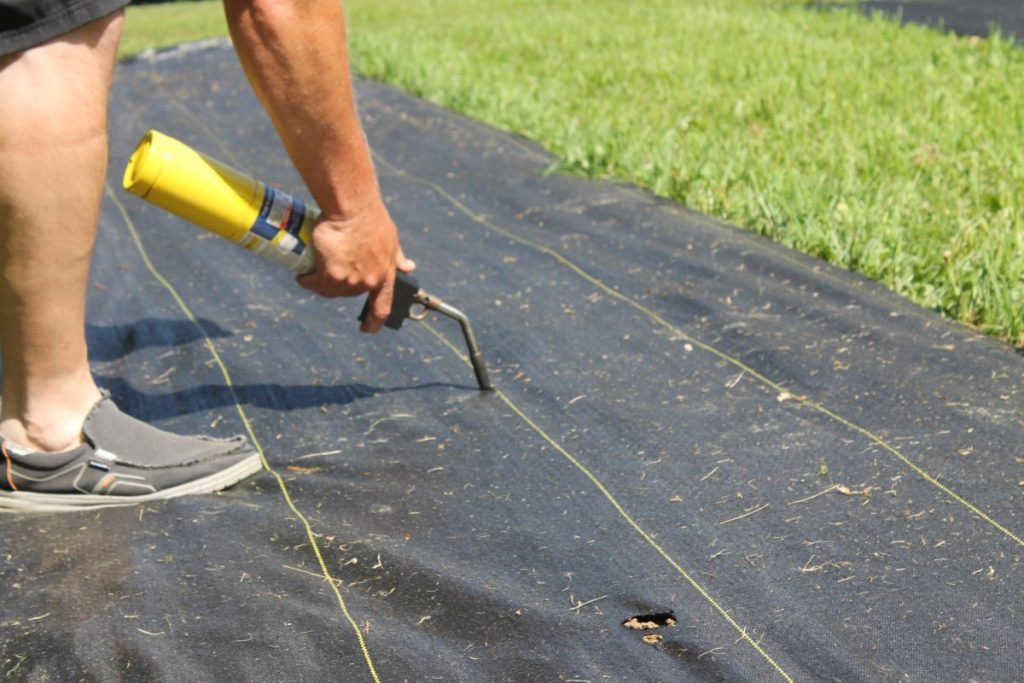
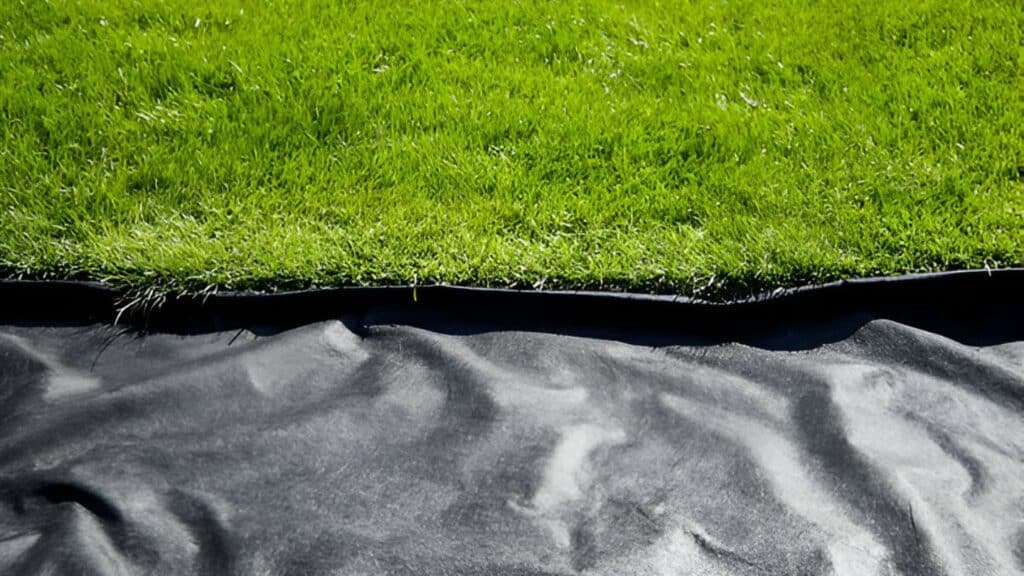
Lay the fabric flat on the soil with the rough side down. Overlap the edges by 6 to 12 inches to stop weeds from growing through the gaps. Smooth out wrinkles and folds as you go.
- Start at one corner of the area
- Roll out the fabric slowly
- Check for full coverage
- Overlap edges for better protection
- Keep fabric tight and flat
Securing The Edges
Use landscape staples or pins to hold the fabric in place. Secure the edges every few feet and along overlaps to stop the fabric from moving or lifting.
| Tool | Purpose |
| Landscape Staples | Pin fabric firmly to the ground |
| Garden Pins | Hold edges and overlaps securely |
| Hammer or Mallet | Drive staples or pins into soil |
Planting Through The Fabric
Using landscaping fabric helps control weeds and keep soil moist. You can plant right through it with the right steps. This guide shows how to cut holes, plant, and space your plants correctly.
Follow these simple tips to make your garden healthy and neat while using landscaping fabric.
Cutting Plant Holes
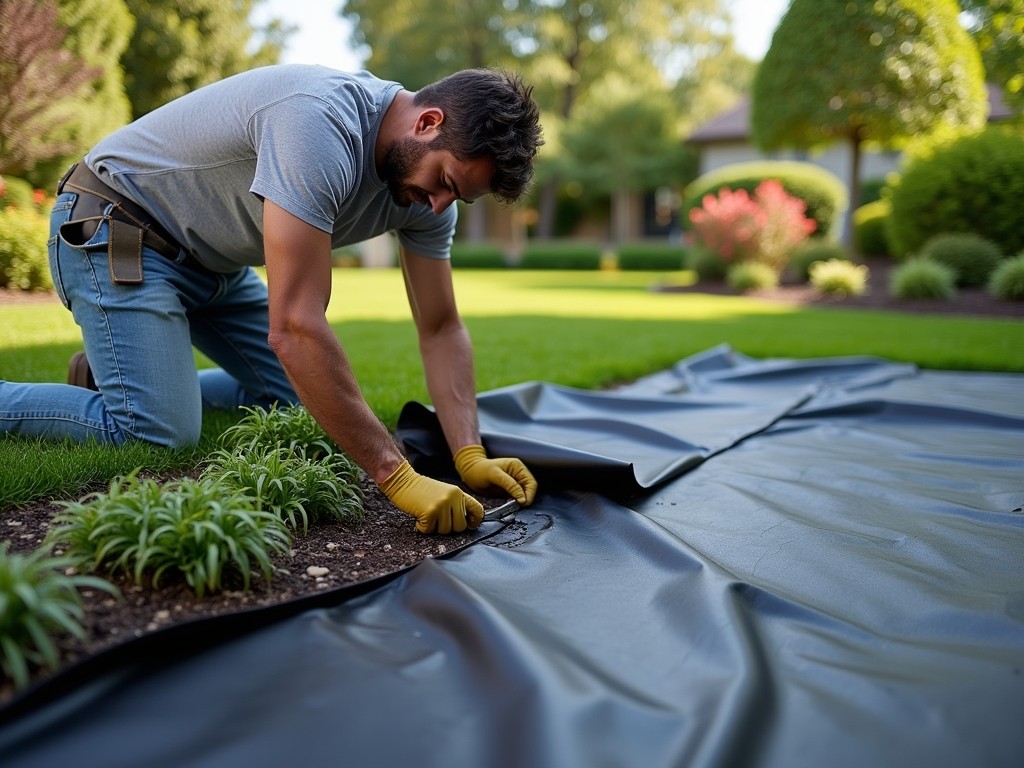
Cut holes in the fabric carefully to avoid damage. Use scissors or a sharp knife for clean cuts. Make the holes just big enough for your plant roots to fit through.
- Measure the size of the plant root ball
- Mark the fabric where you want to plant
- Cut an X or a circle shape in the fabric
- Fold back the fabric flaps to expose soil
Planting Techniques
Plant carefully through the holes to avoid disturbing the fabric too much. Place the root ball into the hole and cover it with soil. Water the plant well after planting.
- Handle plants gently to keep roots healthy.
- Keep fabric flaps close to the plant stem to block weeds.
- Add mulch around plants for extra moisture retention.
Spacing Considerations
Proper spacing helps plants grow strong and healthy. Different plants need different amounts of space. Check the plant’s needs before you cut holes in the fabric.
| Plant Type | Spacing Needed |
| Small Flowers | 6 to 12 inches |
| Shrubs | 18 to 36 inches |
| Vegetables | 12 to 24 inches |
Maintaining Fabric And Garden
Landscaping fabric helps keep your garden neat. It blocks weeds and holds soil in place. To make it last, you must take care of both the fabric and plants.
Regular care keeps your garden healthy. It also stops weeds from growing under the fabric. Follow these tips to maintain your landscaping fabric well.
Regular Inspections
Check your landscaping fabric often. Look for tears, holes, or places where soil shows. Inspect after strong winds or heavy rain. Early fixes stop bigger problems.
Also, check plant roots near the fabric. Make sure they do not grow under or damage the fabric. Keep the fabric flat and in place for best results.
Weed Removal Tips
Remove weeds growing on or near the fabric quickly. Pull them out by hand to avoid breaking the fabric. Use tools gently to protect the fabric below.
- Pull weeds when soil is moist for easier removal
- Cut weeds close to the ground to stop spreading
- Avoid using strong chemicals that may harm fabric
- Clear debris that can hold moisture and encourage weeds
Fabric Replacement Signs
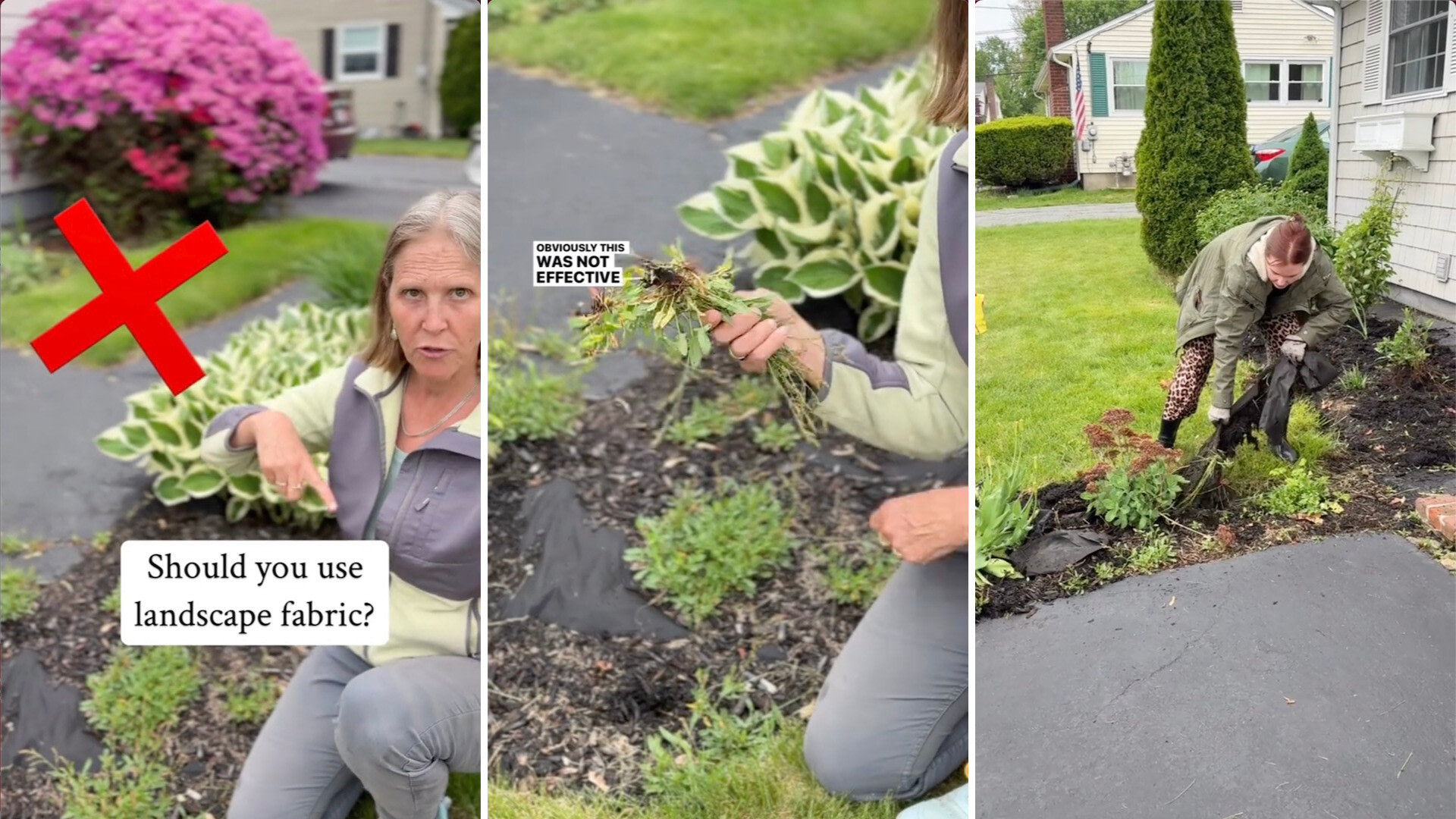
Replace landscaping fabric if you see many holes or tears. If weeds grow through often, the fabric may be worn out. Damaged fabric cannot protect your garden well.
Also, if fabric becomes brittle or breaks easily, it is time to replace it. Good fabric lasts several years with care. Watch for these signs to keep your garden healthy.
Credit: mulchpros.com
Common Mistakes To Avoid
Landscaping fabric helps control weeds and keeps soil healthy. Using it correctly saves time and effort in your garden.
Many people make mistakes that reduce the fabric’s benefits. Avoid these errors for the best results.
Improper Installation
Placing landscaping fabric wrong can cause weeds to grow and damage the fabric. Make sure the fabric lies flat and stays tight on the soil.
- Do not leave gaps where weeds can grow through.
- Secure edges with stakes to prevent lifting.
- Cut fabric carefully around plants to avoid tearing.
- Do not cover fabric with too much mulch or soil, which blocks water.
Ignoring Soil Health
Landscaping fabric alone does not improve soil. Healthy soil is key for plant growth and water drainage.
| Soil Problem | Effect on Plants | How to Fix |
|---|---|---|
| Compacted Soil | Poor root growth | Loosen soil before laying fabric |
| Low Nutrients | Weak plants | Add compost or fertilizer |
| Poor Drainage | Root rot | Use raised beds or improve soil mix |
Overlapping Issues
Overlap fabric pieces too much or too little and problems start. Too small overlaps let weeds through. Too large overlaps cause water pooling.
- Overlap pieces by 6 to 12 inches.
- Secure overlaps firmly with stakes or soil.
- Check overlaps regularly for gaps or folds.
Alternatives To Landscaping Fabric
Landscaping fabric helps control weeds but is not the only option. Many natural and organic choices work well for garden beds.
These alternatives improve soil health and look good while keeping weeds down.
Mulching Options
Mulch covers soil to keep moisture in and block weeds. It also adds nutrients as it breaks down.
- Wood chips: last long and look natural
- Straw: light and easy to spread
- Compost: enriches soil while controlling weeds
- Grass clippings: free and effective if dry
Natural Weed Barriers
Some plants and materials act as natural weed barriers. They stop weeds by shading or crowding them out.
| Natural Barrier | How It Works | Best Use |
|---|---|---|
| Newspaper | Blocks sunlight, biodegradable | Under mulch in garden beds |
| Cardboard | Blocks weeds, breaks down slowly | Paths or wide garden areas |
| Pine needles | Acidic layer deters some weeds | Acid-loving plants |
Organic Ground Covers
Ground covers are low plants that spread fast. They shade the soil to stop weeds from growing.
- Creeping thyme: fragrant and colorful
- Clover: fixes nitrogen and is easy to grow
- Vinca minor: evergreen and dense
- Sweet woodruff: good for shady spots
Credit: www.leisurelandscapes.com
Credit: www.thecooldown.com
Frequently Asked Questions
What Is The Purpose Of Landscaping Fabric?
Landscaping fabric controls weed growth by blocking sunlight. It allows water and air to reach soil. This reduces maintenance and keeps gardens neat.
How Do I Install Landscaping Fabric Properly?
Clear the area, remove weeds, and level soil first. Roll out fabric, overlap edges, and secure with stakes. Cut holes for plants and cover with mulch.
Can Landscaping Fabric Improve Soil Health?
Yes, it helps retain moisture and prevents soil erosion. It also allows air circulation, promoting healthy root growth. This supports stronger, healthier plants.
How Long Does Landscaping Fabric Last?
Typically, it lasts 5 to 10 years depending on material quality. UV-resistant fabrics last longer outdoors. Proper installation and maintenance extend its lifespan.
Conclusion
Using landscaping fabric helps keep weeds down and soil healthy. It saves time by reducing garden work. Choose the right fabric for your plants and soil. Lay it carefully to avoid gaps where weeds grow. Cut holes only where plants need to grow.
Water passes through, so plants stay hydrated. With simple steps, your garden looks neat and stays clean. Try landscaping fabric to enjoy a tidy outdoor space.