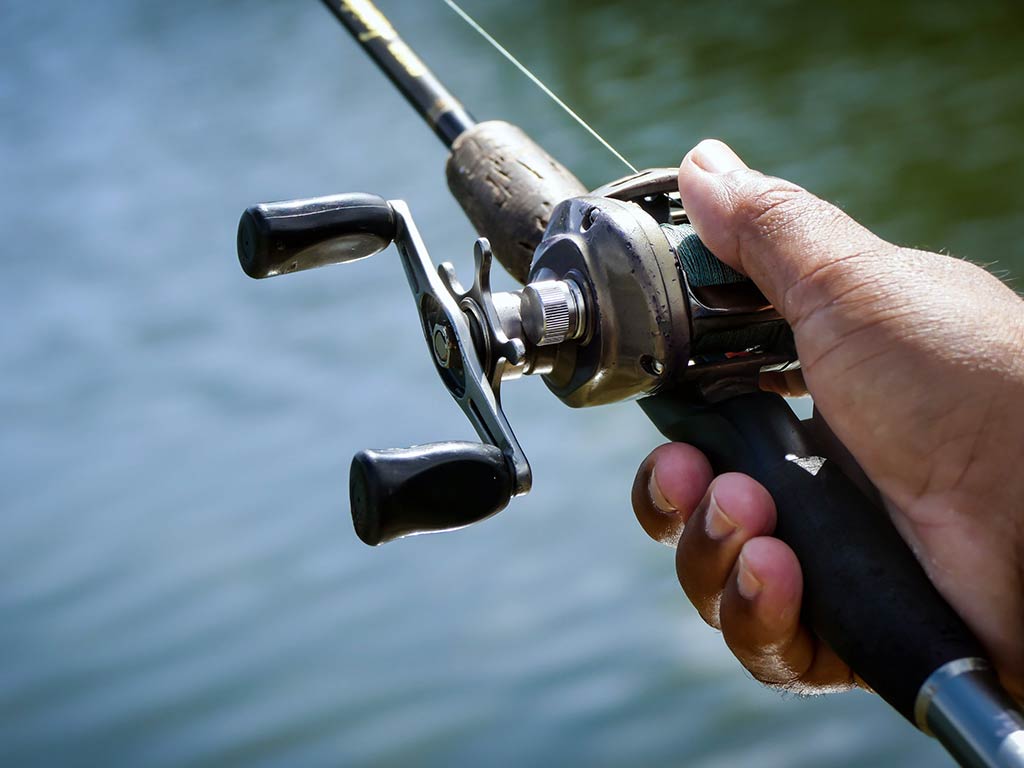
Are you ready to catch your next big fish but unsure how to hold your fishing rod the right way? Holding your rod correctly is the first step to making every cast smooth and every catch easier.
If you get this wrong, you might miss out on the thrill of reeling in that trophy fish. You’ll discover simple, clear tips that will instantly improve your grip and control. Keep reading, and you’ll learn how to hold your fishing rod like a pro—making your fishing trips more fun and successful than ever before.
Choosing The Right Rod
Choosing the right fishing rod is important for a good experience. The rod must fit the type of fishing you plan to do. This helps you catch fish easier and enjoy your time outdoors.
Many rods are made for different fish sizes and water types. Knowing the right rod helps you hold it correctly and use it well.
Types Of Fishing Rods
There are several types of fishing rods. Each one works best for certain fishing styles and fish types.
- Spinning Rods: Good for beginners and light lures.
- Baitcasting Rods: Best for heavier fish and precise casting.
- Fly Rods: Made for fly fishing with light lines.
- Trolling Rods: Used for fishing from a moving boat.
- Surf Rods: Long rods for fishing from the shore.
Matching Rod To Fishing Style
Choosing a rod that matches your fishing style makes holding it easier. The rod weight, length, and action affect how you hold and use it.
| Fishing Style | Rod Length | Rod Action | Best Rod Type |
| Freshwater Casting | 6 to 7 feet | Medium | Spinning or Baitcasting |
| Fly Fishing | 7 to 9 feet | Fast | Fly Rod |
| Surf Fishing | 10 to 14 feet | Moderate to Slow | Surf Rod |
| Trolling | 6 to 9 feet | Heavy | Trolling Rod |
Basic Grip Techniques
Holding a fishing rod correctly is crucial for a successful catch. Different grip techniques can help in various fishing situations.
Let’s explore some basic grip techniques that every angler should know.
Overhand Grip
The overhand grip is commonly used in fishing. It provides control and stability.
To use this grip, hold the rod with your thumb on top and fingers wrapped around the handle.
- Good for casting long distances
- Offers better control in windy conditions
Underhand Grip
The underhand grip is effective for precision casting. It is ideal for shorter distances.
In this grip, place your thumb under the rod and fingers on top.
- Useful in tight spaces
- Allows for gentle casting
Two-handed Grip
The two-handed grip is perfect for larger rods. It offers more strength and support.
Hold the rod with both hands, one near the reel and the other at the bottom of the handle.
- Ideal for catching big fish
- Provides extra leverage for casting
Hand Placement Tips
Knowing how to hold a fishing rod correctly helps you fish longer without pain. Proper hand placement gives you better control and comfort.
This guide focuses on two key points: how to position your fingers and how to balance the rod in your hand.
Positioning Fingers
Place your fingers around the rod handle to keep it steady. Use your dominant hand to grip the rod just above the reel.
- Wrap your thumb along the top of the handle for better control.
- Keep your index finger slightly extended along the rod for sensitivity.
- Hold the rod firmly but avoid squeezing too tight to reduce hand fatigue.
- Keep your other fingers curled around the handle for a secure grip.
Balancing The Rod
Balancing the rod helps you cast with less effort and stay comfortable during long fishing sessions.
| Hand | Position | Purpose |
| Dominant hand | Grips just above the reel | Controls casting and reeling |
| Non-dominant hand | Supports the rod further up | Keeps balance and reduces strain |

Credit: www.youtube.com
Adjusting Grip For Casting
Holding your fishing rod correctly helps you cast farther and with more control. Adjusting your grip is important for a smooth cast.
A good grip lets you move the rod easily and release the line at the right time. Small changes in your hand position can make a big difference.
Smooth Casting Motion
Keep your grip firm but relaxed to allow smooth movement. A tight grip can make your cast stiff and less accurate.
Hold the rod with your dominant hand near the reel and support the rod with your other hand. This balance helps with a steady casting motion.
- Grip the rod handle with your thumb on top
- Keep fingers wrapped comfortably around the handle
- Use your wrist to guide the rod, not just your arm
- Practice a slow, smooth back and forward motion
Controlling Line Release
Adjust your grip to control when the line comes off the reel. A lighter grip on the reel handle helps the line flow freely.
Use your index finger to hold the line against the rod until you are ready to cast. Release the finger at the right moment to let the line out smoothly.
- Hold the line with your index finger near the rod tip
- Keep your reel hand ready to turn the handle if needed
- Release your finger as the rod moves forward
- Let the line flow without pulling it
Holding The Rod While Reeling
Holding the fishing rod correctly while reeling helps you catch fish better. It gives you control and comfort during fishing.
This guide explains how to hold your rod to keep control and reduce tiredness.
Maintaining Control
Hold the rod firmly but not too tight. Grip the handle with your dominant hand near the reel. Use your other hand to support the rod’s tip.
Keep the rod at a slight angle. This helps you feel the fish and react quickly.
- Use your dominant hand for reeling
- Support the rod with your other hand
- Hold the rod at a 45-degree angle
- Keep a steady but relaxed grip
Reducing Fatigue
Fishing can tire your hands and arms. To reduce fatigue, shift your grip often. Rest your arms by changing their position.
Use smooth and steady movements while reeling. Avoid gripping the rod too hard or bending your wrists too much.
- Change your hand position regularly
- Keep your wrists straight
- Use smooth reeling motions
- Relax your fingers between pulls

Credit: anglersresource.net
Common Mistakes To Avoid
Holding a fishing rod the right way helps you fish better. Many beginners make simple mistakes. These mistakes can cause discomfort and less control.
Here are two common errors to watch for. Fixing these will improve your fishing experience.
Too Tight Grip
Gripping the rod too hard can cause hand pain and fatigue. It also reduces your ability to feel the fish biting.
A tight grip stops smooth rod movement. This affects casting and reeling. Your hand should hold the rod firmly but relaxed.
- Avoid squeezing the rod like a stress ball
- Keep your fingers loose around the handle
- Relax your wrist to allow rod movement
Incorrect Hand Position
Placing your hand too far up or down the rod causes poor balance. It makes casting harder and less accurate.
Holding the rod near the reel or too close to the tip reduces control. The best spot is usually just above the reel seat.
- Hold the rod where it feels balanced
- Keep your hand above the reel seat
- Adjust your grip for comfort and control
Improving Grip Strength
Holding a fishing rod well needs strong hands and fingers. Improving grip strength helps you fish longer without pain. It also gives better control over the rod and line.
Simple exercises and tools can build your grip strength. These methods help you hold the rod firmly and catch more fish.
Exercises For Anglers
Regular exercises can improve your hand and forearm muscles. Try these moves to get a better grip:
- Wrist curls with light weights
- Finger stretches and squeezes
- Using a stress ball for hand strength
- Forearm rotations with a dumbbell
- Pinching clothespins or small objects
Practice these exercises three times a week. Increase repetitions as your hands get stronger.
Using Grip Trainers
Grip trainers are small tools made to boost hand power. They come in different types and resistance levels.
| Type | Description | Use |
| Spring Grippers | Handheld device with springs | Squeeze to strengthen fingers and palm |
| Grip Rings | Flexible rubber rings | Press between fingers and palm |
| Finger Exercisers | Individual finger resistance tools | Train each finger separately |
| Stress Balls | Soft balls to squeeze | Improve overall hand grip |
Use grip trainers daily for a few minutes. They help build endurance and control needed for fishing.

Credit: fishingbooker.com
Adapting Grip For Different Conditions
Holding a fishing rod correctly helps you catch fish easier. Different weather and hand conditions need different grips.
Changing your grip keeps the rod steady and comfortable. This guide explains how to hold the rod in wet hands and cold weather.
Wet Or Slippery Hands
Wet or slippery hands can make the fishing rod hard to hold. Use a grip that stops slipping and keeps control.
Hold the rod with your fingers wrapped firmly around the handle. Avoid holding too tight to prevent hand fatigue.
- Use a rod with a textured or rubber handle for better grip.
- Keep a small towel nearby to dry your hands often.
- Try gloves designed for fishing to improve grip.
- Keep your fingers spread slightly to increase surface contact.
Cold Weather Tips
Cold weather makes your hands stiff and less flexible. Adjust your grip to stay comfortable and control the rod well.
Use gloves that allow finger movement and grip. Hold the rod closer to your body to reduce strain.
- Wear thin, insulated gloves for warmth and grip.
- Keep your wrist relaxed to avoid cramps.
- Hold the rod handle firmly but not too tight.
- Take breaks to warm your hands if needed.
Frequently Asked Questions
How Do I Grip A Fishing Rod Correctly?
Hold the rod with your dominant hand, gripping it firmly but not too tight. Place your thumb on top of the handle for control and stability during casting and reeling.
Where Should My Hands Be On A Fishing Rod?
Position your dominant hand near the reel handle and your other hand further down the rod. This balance improves casting accuracy and reduces fatigue during fishing.
How To Hold A Fishing Rod For Casting?
Hold the rod at a 45-degree angle, with your thumb on top. Use a smooth wrist motion to cast, releasing the line at the right moment for distance.
What Is The Best Stance When Holding A Fishing Rod?
Stand with feet shoulder-width apart, facing the water. Keep knees slightly bent and hold the rod comfortably to maintain balance and control while fishing.
Conclusion
Holding a fishing rod right makes fishing more fun and easier. Keep your grip firm but relaxed. Use both hands to control the rod well. Practice often to feel more comfortable and confident. Remember, patience and steady hands help catch more fish.
Enjoy the peaceful moments by the water. With time, holding the rod will feel natural. Keep these tips in mind for your next fishing trip. Happy fishing!