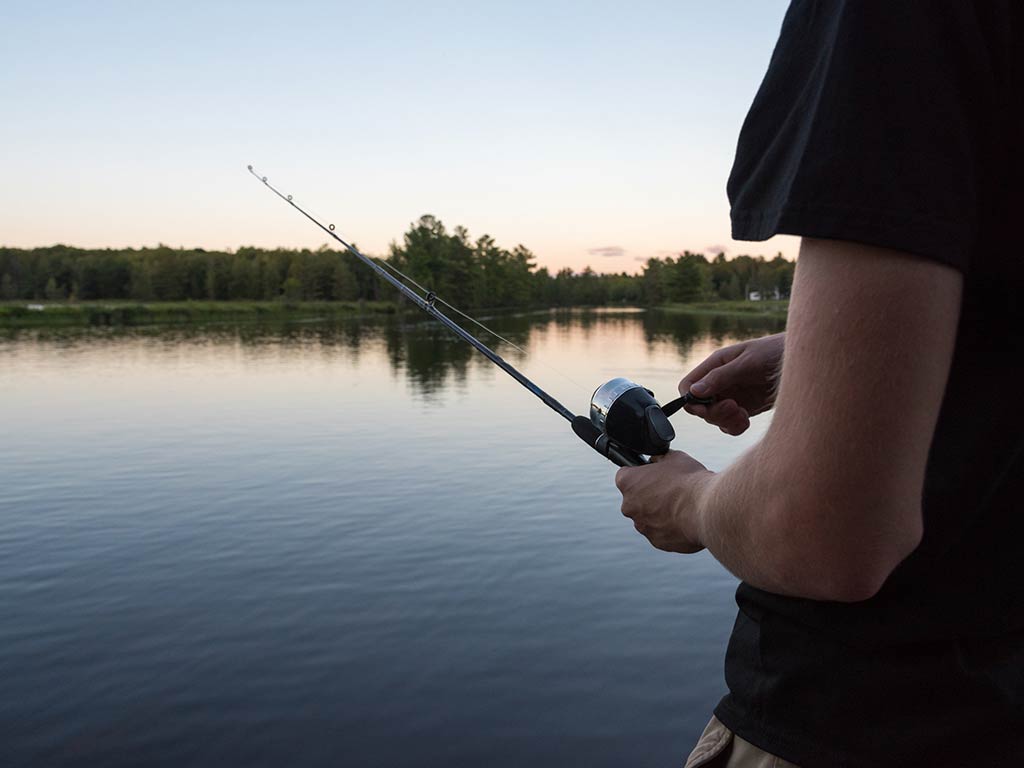
If you want to catch more fish and enjoy your time on the water, learning how to use a spin fishing rod is a smart place to start. Whether you’re a beginner or just need a refresher, this guide will help you understand the basics and get you casting like a pro in no time.
Imagine feeling the thrill when a fish bites and knowing exactly how to reel it in smoothly—that’s what mastering your spin rod can do for you. Ready to take your fishing skills to the next level? Let’s dive in and make every cast count.

Credit: www.youtube.com
Choosing The Right Spin Rod
Picking the correct spin fishing rod makes your fishing easier and more fun. A good rod fits your style, the fish you want, and the place you fish.
Learn about rod length, power, reels, and fishing line types. These choices help you catch fish better and enjoy your time outdoors.
Rod Length And Power
Rod length affects how far you can cast and how much control you have. Longer rods cast farther but may be harder to handle. Shorter rods give better control and work well in tight spots.
Rod power means how strong the rod is. Light power rods are good for small fish. Medium power rods work for many fish types. Heavy power rods are best for big, strong fish.
Selecting The Best Reel
Reels hold the fishing line and help you reel in fish. Choose a reel that matches your rod power and fishing style. A smooth drag system helps prevent line breakage.
- Match reel size to rod power
- Look for smooth drag and easy handle
- Choose reels with corrosion resistance for saltwater
- Pick a reel with good line capacity for your fishing needs
Line Types And Strengths
Fishing lines come in different types and strengths. Choose one that fits the fish size and fishing conditions. The right line helps you catch fish without breaking.
| Line Type | Strength | Best Use |
| Monofilament | 6-20 lbs | General fishing, easy to handle |
| Fluorocarbon | 8-25 lbs | Clear water, less visible to fish |
| Braid | 10-50 lbs | Heavy cover, long casts |
Setting Up Your Spin Rod
Spin fishing is a popular way to catch fish. It’s great for beginners and experts alike. Setting up your spin rod correctly is important for a good fishing experience.
Before you start fishing, you need to make sure your spin rod is ready. This guide will help you with the basic steps to set up your spin fishing rod.
Attaching The Reel
First, you need to attach the reel to the rod. The reel holds the fishing line and is crucial for casting and reeling in fish.
- Open the reel seat by turning the locking mechanism.
- Slide the foot of the reel into the reel seat.
- Tighten the locking mechanism to secure the reel.
Threading The Line
Once the reel is attached, you need to thread the line through the rod guides. This allows the line to move freely when casting or reeling in.
- Start at the reel and pull the line through the first guide.
- Continue threading the line through each guide up to the tip.
- Ensure the line is straight and not tangled.
Tying Secure Knots
Knots are essential for securing your hook or lure to the line. A strong knot ensures you do not lose the fish.
| Type of Knot | Use |
| Improved Clinch Knot | General fishing |
| Palomar Knot | Strong and reliable |
| Loop Knot | For lures with action |
Casting Techniques For Spin Fishing
Using a spin fishing rod well helps you catch more fish. Good casting lets you place your bait where fish swim.
Here are three common casting techniques. Each one works best in different fishing spots and situations.
Basic Overhead Cast
The basic overhead cast is the most common way to cast a spin rod. It is simple and works well for many spots.
Hold the rod with your dominant hand and release the line at the right time. This sends the lure far and straight.
- Start with the rod tip low and behind you
- Bring the rod tip quickly over your shoulder
- Release the line when the rod points forward
- Follow through by pointing the rod tip toward the target
Sidearm Casting
Sidearm casting sends the lure low and fast. It helps avoid branches or tall grass above the water.
The rod moves in a horizontal path. This cast covers distance without spooking fish in tight spots.
- Hold the rod low and to the side
- Pull the rod back sideways, not overhead
- Flick the rod forward in a smooth motion
- Release the line when the rod points straight ahead
Pitching And Flipping
Pitching and flipping are close-range casts. Use them to place bait softly near cover or structures.
These casts need control and a slow rod movement. They keep the lure quiet to avoid scaring fish.
- Hold the rod tip low and close to the water
- Let out a small amount of line
- Use your wrist to swing or flip the lure gently
- Drop the lure softly near your target

Credit: www.aftco.com
Retrieval Methods To Attract Fish
Using the right retrieval method helps lure fish to your bait or lure. Different fish react to different movements in water. Learning these methods improves your chances of catching fish.
This guide explains three popular retrieval methods: steady retrieve, stop-and-go retrieve, and twitching and jerking. Each one creates unique motions that attract fish.
Steady Retrieve
Steady retrieve means reeling in your line at a constant speed. This smooth motion mimics a swimming baitfish. It works well for many types of fish that chase moving prey.
- Keep your reel turning evenly without pauses.
- Adjust speed to match the fish activity level.
- Use this method with crankbaits and spinnerbaits.
- Good for clear water and sunny days.
Stop-and-go Retrieve
This method adds pauses during retrieval. Reel in for a few seconds, then stop and let the lure pause. The lure looks like a wounded or resting fish.
| Action | Effect |
| Reel steadily | Fish follows moving bait |
| Pause briefly | Fish strikes at resting bait |
| Repeat | Keeps fish interested |
Twitching And Jerking
Twitching and jerking create quick, sharp movements. These sudden actions imitate injured prey. This method triggers aggressive strikes from fish.
- Twitch the rod tip sharply while reeling.
- Use short jerks to move the lure erratically.
- Best for lures like jigs, soft plastics, and spoons.
- Works well in murky water or low light.
Choosing The Right Lures
Using the right lure helps you catch more fish with a spin fishing rod. Different lures work best for different fish and water conditions.
Pick lures that match the fish you want and the place you fish. This makes your fishing trips more successful and fun.
Crankbaits And Spinners
Crankbaits are hard lures that dive and wiggle underwater. They mimic small fish and attract predators.
Spinners have a blade that spins to flash light and create vibrations. This draws fish from far away.
- Use crankbaits to fish at different depths
- Spinners work well in murky water
- Choose colors that match local baitfish
Soft Plastics
Soft plastics are flexible lures that look like worms or small creatures. They move naturally in the water.
They work well for slow fishing and can be used with different rig setups.
- Try soft plastics for bottom fishing
- Use natural colors for clear water
- Bright colors help in stained water
Topwater Lures
Topwater lures float on the water surface. They create splashes that attract fish looking for easy prey.
These lures are best during low light times like early morning or late evening.
- Use topwater lures to target surface feeders
- Work the lure with pauses to imitate injured prey
- Choose bright colors in low light
Techniques For Different Fish Species
Using a spin fishing rod can help catch many kinds of fish. Different fish need different techniques.
Learning how to adjust your style for each species improves your chance to catch fish.
Bass Fishing Tips
Bass like to hide near structures like rocks and fallen trees. Cast near these spots to find them.
Use slow and steady retrieves with your spin rod. Let the lure move naturally in the water.
- Use medium action rods for better control
- Try plastic worms or crankbaits as lures
- Fish during early morning or late evening
Trout Techniques
Trout often swim in cold, clear water. Cast upstream and let your lure drift naturally.
Use light line and small lures to avoid spooking trout. Patience is key with this fish.
- Use spinning rods with light action
- Try small spinners or live bait
- Fish near rocks or under overhanging branches
Panfish Strategies
Panfish like bluegill and crappie are smaller and often found in shallow waters. Use light gear.
Cast near plants or docks where panfish hide. Use small hooks and bait for best results.
- Use ultralight spinning rods
- Try small jigs or live worms
- Fish during warm parts of the day
Handling And Landing Big Catches
Using a spin fishing rod to catch big fish needs skill and care. Proper handling helps avoid breaking your rod or losing the fish.
Landing a large catch safely protects both you and the fish. Learn how to manage your rod and reel to bring the fish in smoothly.
Playing The Fish
Playing the fish means controlling its movement to tire it out. Keep the rod tip up and reel in line slowly.
Let the fish run if it pulls hard, then tighten the line again. This avoids snapping your line or losing the fish.
- Keep steady pressure on the fish
- Use your rod’s flexibility to absorb sudden pulls
- Reel in line when the fish tires
- Do not rush; patience is key
Using A Net
A net helps you land big fish safely and quickly. Use a net with a wide opening and soft mesh to avoid hurting the fish.
Approach the fish calmly and scoop it up from below. Lift the net gently out of the water to avoid shaking the fish.
- Choose a net size that fits your target fish
- Handle the fish inside the net carefully
- Keep the fish in water as much as possible
- Use the net to reduce stress on the fish
Safe Release Practices
Releasing the fish safely helps it survive after you catch it. Handle the fish with wet hands to protect its skin and scales.
Remove the hook gently and quickly. Hold the fish in water until it swims away on its own to make sure it recovers.
- Wet your hands before touching the fish
- Use pliers or a hook remover for quick hook removal
- Do not squeeze or drop the fish
- Support the fish in water before release
Maintenance And Care For Spin Rods
Taking care of your spin fishing rod keeps it working well. Good maintenance helps it last longer.
Simple habits can protect your rod from damage. Clean it, store it right, and check it often.
Cleaning After Use
Rinse your spin rod with fresh water after fishing. This removes salt, dirt, and debris.
Use a soft cloth to wipe the rod and guides. Avoid harsh chemicals that can harm the finish.
- Rinse rod gently with clean water
- Wipe with a soft, dry cloth
- Check guides for dirt or salt build-up
- Do not use strong cleaning agents
Storing Properly
Store your spin rod in a cool, dry place. Avoid areas with high heat or moisture.
Use a rod holder or rack to keep it straight. Do not lean it against walls for long times.
- Keep rod away from direct sunlight
- Store vertically or horizontally on a rack
- Use a protective case for travel
- Keep rod away from sharp objects
Routine Inspections
Check your spin rod before and after each use. Look for cracks, loose parts, or worn guides.
Tighten any loose screws and replace damaged guides early. This prevents bigger problems later.
- Look for cracks or breaks in the rod
- Check guides for cracks or bends
- Make sure reel seat is tight
- Replace damaged parts as needed

Credit: mysterytacklebox.com
Frequently Asked Questions
What Is The Best Way To Hold A Spin Fishing Rod?
Hold the rod with your dominant hand near the reel seat. Keep a firm but relaxed grip to improve control and reduce fatigue during casting.
How Do I Cast Effectively With A Spin Fishing Rod?
Open the bail, hold the line with your finger, and swing the rod smoothly forward. Release the line at the right moment for accurate casting.
What Type Of Fishing Line Works Best For Spin Rods?
Monofilament and braided lines are ideal. Choose line strength based on your target fish size and fishing environment for optimal performance.
How Can I Improve My Hook Setting Technique?
Lift the rod sharply and steadily when you feel a bite. Avoid jerky movements to ensure the hook sets properly in the fish’s mouth.
Conclusion
Using a spin fishing rod can bring great fun and success. Practice casting often to improve your aim and distance. Choose the right bait for the fish you want to catch. Keep your rod steady and watch your line carefully.
Patience and practice make fishing more enjoyable. Try different spots to find where fish like to hide. Enjoy the calm and quiet while waiting for a bite. Fishing with a spin rod is simple and rewarding. Give it a try, and you will learn quickly.