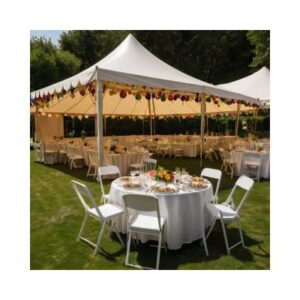
Planning an event outdoors means one big question: how much will it cost to rent a tent? You want to create the perfect space for your guests without breaking the bank.
But with so many options and prices out there, it’s easy to feel overwhelmed. You’ll discover the real costs behind tent rentals and what factors can change the price. By the end, you’ll know exactly what to expect, helping you make smart decisions for your event.
Keep reading to find out how to get the best tent rental deal that fits your needs and budget.
Tent Rental Price Factors
Renting a tent involves different costs based on several factors. Understanding these factors helps you plan your budget well.
Prices vary depending on the size, style, rental time, and extra services. Let’s look at each factor in detail.
Tent Size And Capacity
Bigger tents that hold more people cost more to rent. Small tents for a few guests are cheaper. The price also depends on the tent’s shape and design.
Tent Type And Style
Tents come in several types and styles. Each type has a different price range based on materials and setup complexity.
- Frame tents: Easy to set up, moderate cost
- Pole tents: Classic look, often less expensive
- Clear span tents: No center poles, higher price
- Marquee tents: Stylish, usually premium priced
Rental Duration
Longer rental periods raise the total cost. Most companies charge daily rates and sometimes offer discounts for multi-day rentals.
| Rental Length | Cost Impact |
| Half-day | Lower cost |
| Full day | Standard cost |
| Multiple days | Higher total, possible discount |
Location And Delivery Fees
Where you rent and where the tent will be used affects the price. Delivery, setup, and pickup fees add to the total cost.
Remote areas may have higher delivery charges. Urban locations might include extra fees for permits or parking.
Additional Accessories And Services
Extras like lighting, flooring, or heating add to rental costs. Setup help or breakdown services may also increase the price.
- Lighting equipment
- Flooring options
- Heating or cooling units
- Furniture rental
- Professional setup and takedown

Credit: meadowvalepartyrentals.com
Common Tent Types And Their Costs
Tents are essential for outdoor events. Renting costs vary by type and size. Knowing the tent types helps in budgeting.
This guide covers different tent types and their typical rental costs. It aids in choosing the best tent for your event.
Canopy Tents
Canopy tents are lightweight and portable. They are ideal for small gatherings.
- Cost: $50 – $150
- Size: 10×10 feet to 20×20 feet
- Usage: Backyard parties, small events
Frame Tents
Frame tents are versatile with no center poles. They provide open space inside.
| Size | Cost Range |
| 10×10 feet | $150 – $300 |
| 20×20 feet | $400 – $800 |
| 30×30 feet | $900 – $1,500 |
Pole Tents
Pole tents have center poles and require staking. They are perfect for large gatherings.
These tents are cost-effective for spacious events. They are often used for weddings and festivals.
Clear Span Tents
Clear span tents offer unobstructed interior space. They are suitable for large events.
Common features include:
- Strong aluminum frames
- Weather-resistant fabric
- Customizable sizes
Marquee And Specialty Tents
Marquee tents add elegance to events. Specialty tents offer unique styles and shapes.
These tents are ideal for upscale parties and corporate events. They often come with additional features like flooring and lighting.
Average Rental Prices By Event Type
Renting a tent is common for many events. Prices depend on the event type and tent size.
This guide shows average tent rental costs for popular event types. It helps you plan your budget.
Weddings
Weddings often need elegant tents that fit many guests. Prices vary by tent style and size.
On average, tent rentals for weddings cost between $1,000 and $3,500. Larger tents with decorations cost more.
- Small wedding tents: $1,000 to $1,500
- Medium wedding tents: $1,500 to $2,500
- Large wedding tents: $2,500 to $3,500+
Corporate Events
Corporate events need tents for meetings, dining, or product launches. Prices depend on size and setup.
Typical rental prices range from $800 to $3,000. Larger tents with extras like lighting cost more.
- Small corporate tents: $800 to $1,200
- Medium corporate tents: $1,200 to $2,000
- Large corporate tents: $2,000 to $3,000+
Festivals And Fairs
Festivals need big tents for booths, food, and seating. Costs rise with tent size and duration.
Prices usually range from $1,500 to $5,000. Larger tents and longer rentals increase costs.
- Small festival tents: $1,500 to $2,000
- Medium festival tents: $2,000 to $3,500
- Large festival tents: $3,500 to $5,000+
Private Parties
Private parties use tents for birthdays, reunions, or barbecues. Tent size and extras affect price.
Costs generally fall between $500 and $2,000. Basic tents cost less than those with flooring or lighting.
- Small party tents: $500 to $800
- Medium party tents: $800 to $1,300
- Large party tents: $1,300 to $2,000+
Trade Shows
Trade shows need tents for displays and visitor areas. Prices depend on size and setup complexity.
Typical prices range from $1,000 to $4,000. Customized tents with branding cost more.
- Small trade show tents: $1,000 to $1,500
- Medium trade show tents: $1,500 to $2,800
- Large trade show tents: $2,800 to $4,000+

Credit: www.barrietentandawning.com
Extra Costs To Consider
Renting a tent involves more than just the base price. Some extra costs can increase your total bill.
Knowing these costs helps you plan your budget better for a smooth event.
Setup And Breakdown Fees
Many companies charge extra to put up and take down the tent. This fee covers labor and equipment.
The cost depends on tent size, location, and difficulty of setup.
- Small tents usually have lower setup fees
- Large tents need more workers and take longer
- Difficult locations may increase charges
Permits And Insurance
Some places require permits to rent a tent. Getting these permits can cost extra.
You might also need insurance to cover damages or accidents during the event.
- Check local rules about tent permits
- Insurance protects you from liability
- Permit and insurance costs vary by location
Lighting And Heating
Tents often need extra lighting for night events. Heating may be needed in cold weather.
These add-ons cost more because of equipment and power use.
- Basic lighting includes string or flood lights
- Heaters keep guests warm during chilly nights
- Power source rental may add to the price
Flooring And Sidewalls
Some tents need flooring to keep the ground even and clean. Sidewalls protect from wind and rain.
Adding these features increases the rental cost.
- Flooring options include carpet, wood, or plastic
- Sidewalls can be clear or solid for privacy
- Both help make the event more comfortable
Furniture And Decor
You may want to rent tables, chairs, or decorations for your tent. These items are usually extra.
Costs depend on the style and quantity you choose.
- Basic chairs and tables cost less
- Fancy decor and linens add to the price
- Plan furniture needs early for availability
Tips To Save On Tent Rentals
Renting a tent can add comfort and style to your event. Saving money on tent rentals is possible with some smart planning. Use these tips to get the best price without losing quality.
Understanding how to reduce costs will help you enjoy your event without extra stress. Small changes in timing and vendor choice can make a big difference.
Booking Early
Reserving your tent well before your event date often leads to lower prices. Early booking helps vendors plan their inventory and offer discounts. It also gives you more tent options to choose from.
Choosing Off-peak Dates
Renting tents during off-peak seasons or weekdays usually costs less. Vendors face less demand and may offer better rates. Avoid holidays and popular event months to save money.
- Plan events in spring or fall
- Pick weekdays over weekends
- Avoid holiday weekends
Comparing Multiple Vendors
Get quotes from several rental companies to find the best deal. Prices can vary widely for the same tent size and style. Comparing helps you spot hidden fees and extra charges.
| Vendor | Base Price | Delivery Fee | Setup Fee |
| Vendor A | $300 | $50 | $75 |
| Vendor B | $280 | $60 | $80 |
| Vendor C | $320 | $40 | $70 |
Opting For Package Deals
Many rental companies offer package deals that include tents, tables, and chairs. These bundles often cost less than renting items separately. Check if the packages fit your needs before booking.
Example of a package deal:
- Tent rental
- 20 folding chairs
- 5 tables
- Free delivery within 10 miles
Package price: $600 (saves $100 compared to separate rentals)
Negotiating Rental Terms
Talk to the vendor about your budget and ask if they can offer a discount. Sometimes vendors reduce fees for longer rental periods or repeat customers. Ask about price breaks for flexible pickup and return times.
How To Get Accurate Tent Rental Quotes
Renting a tent can make your event comfortable and stylish. Getting the right price is important for your budget.
Accurate tent rental quotes help you avoid surprises. Follow these tips to get clear and fair pricing.
Providing Event Details
Give the rental company full details about your event. This includes the date, time, and location.
Tell them how many guests will attend. Also, mention the type of event, like a wedding or a party.
Requesting Itemized Quotes
Ask for an itemized quote that lists each cost separately. This shows how much you pay for the tent, delivery, and setup.
Itemized quotes help you compare prices between companies. They also make it easy to spot extra charges.
Verifying Company Policies
Check the rental company’s policies before you agree. Look for rules about cancellations, changes, and damages.
Knowing policies helps you avoid fees and misunderstandings. Ask if there are any penalties or special conditions.
Checking For Hidden Fees
Look carefully at the quote for hidden fees. These may include delivery charges, taxes, or setup costs.
- Delivery and pickup fees
- Setup and teardown charges
- Cleaning fees
- Insurance or damage waivers
- Taxes
Ask the company to explain any fees that are unclear. This keeps your budget on track.
Reading Customer Reviews
Read reviews from past customers to learn about their experience. Look for comments on pricing and service.
Good reviews can give you confidence in the company. Watch for repeated complaints about extra costs or poor communication.

Credit: tentsforrent.com
Frequently Asked Questions
How Much Does It Cost To Rent A Tent Daily?
Tent rental prices typically range from $50 to $300 per day. The cost depends on tent size, type, and location. Larger or specialty tents cost more. Additional items like chairs and lighting may increase the total price. Always compare rental quotes for the best deal.
What Factors Affect The Price Of Tent Rental?
Tent rental prices vary due to size, material, and rental duration. Weatherproof and high-end tents cost more. Delivery, setup, and location fees also impact the price. Seasonal demand can influence rates. Clarify all costs with the rental company upfront.
Are There Extra Fees When Renting A Tent?
Yes, extra fees may include delivery, setup, and takedown charges. Some companies charge for accessories like flooring or lighting. Damage deposits or insurance might apply. Always ask for a detailed cost breakdown before renting to avoid surprises.
Can I Rent A Tent For A Weekend Event?
Most rental companies offer weekend tent rentals. Weekend rates may differ from daily prices and can sometimes offer discounts. Confirm availability and rental terms early. Booking in advance ensures you get the tent size and style needed for your event.
Conclusion
Renting a tent costs vary based on size, style, and rental time. Small tents cost less, while larger ones need more budget. Extras like lighting or flooring add to the price. Planning your needs helps find the right tent at a good price.
Always compare rental companies before deciding. Clear budget and event type guide your choice. Renting a tent makes events comfortable and weather-safe. Keep these points in mind to rent smartly and save money.