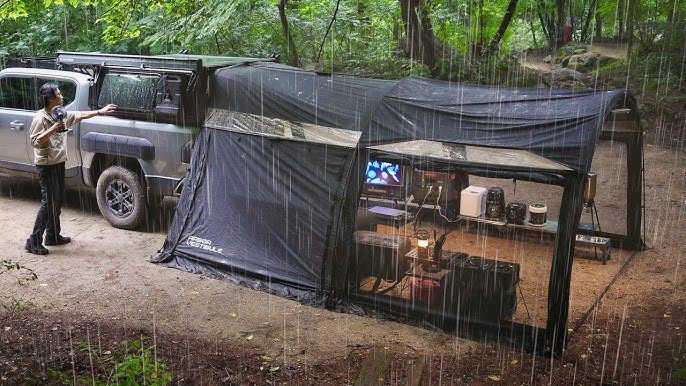
Setting up your tent trailer might seem tricky at first, but it doesn’t have to be. Imagine stepping out of your vehicle and having your cozy, ready-to-use shelter waiting for you in minutes.
You want a smooth, hassle-free setup that lets you relax and enjoy your time outdoors. In this guide, you’ll discover simple, step-by-step instructions that make pitching your tent trailer easy and stress-free. Keep reading, and you’ll be ready to camp like a pro on your very next trip.

Credit: www.letsgoaero.com
Choosing The Right Spot
Setting up your tent trailer in the right spot makes camping safe and comfortable.
Look for a place that is flat, safe, and suits weather conditions.
Finding Level Ground
Choose ground that is flat and firm. This helps your tent trailer stay stable.
- Clear the area of rocks, sticks, and debris.
- Check if the ground feels soft or hard by pressing it.
- Avoid slopes to stop the trailer from rolling or tipping.
- Use a level tool to find the flattest spot.
Avoiding Hazards
Look around for dangers before you set up your tent trailer.
| Hazard | Why to Avoid | How to Check |
| Dead Trees | Branches can fall and cause injury | Look up and check for loose branches |
| Animal Trails | Animals may pass through and disturb your site | Notice tracks or droppings nearby |
| Low-Lying Areas | Water can collect and flood your site | Avoid dips or areas that look wet |
| Steep Edges | Risk of falling or trailer sliding | Stay away from cliffs or steep drops |
Considering Sun And Wind
Think about the sun’s path and wind direction to stay comfortable.
- Place your trailer with the door facing east for morning sun.
- Use trees or hills as windbreaks to block strong winds.
- Avoid setting up in open fields if the wind is strong.
- Check the weather forecast to plan for sun and wind changes.

Credit: www.sylvansport.com
Preparing The Tent Trailer
Setting up a tent trailer is an exciting part of your camping adventure. Proper preparation ensures a safe and enjoyable experience for everyone.
Before you start, it’s important to know the steps involved in preparing your tent trailer. Let’s explore the key areas you need to focus on.
Unlocking And Unfolding
Unlocking and unfolding your tent trailer is the first step. Make sure you have a clear area to work in.
- Unlock all the latches on the trailer.
- Carefully unfold the main tent section.
- Ensure that the tent is fully extended and secure.
Checking Support Mechanisms
Support mechanisms are crucial for the stability of your tent trailer. Check them thoroughly to avoid any mishaps.
Inspecting Tent Fabric And Poles
The tent fabric and poles are vital for shelter. Inspect them for any signs of wear and tear before setting up.
| Item | Action |
| Tent Fabric | Check for holes and tears |
| Poles | Ensure they are straight and undamaged |
| Zippers | Test for smooth operation |
Setting Up The Tent
Setting up a tent trailer is simple when you follow clear steps. This guide covers the main parts of setting up the tent.
Focus on extending the beds, raising the roof, and securing the tent walls for a safe and comfortable camping setup.
Extending The Beds
Start by pulling out the beds on both sides of the trailer. Make sure the supports are in place before stepping on the beds.
- Unlock the bed latches on each side.
- Pull the bed frame out smoothly until fully extended.
- Secure the support legs underneath the bed.
- Check that the bed is stable and level.
Raising The Roof
Lift the roof carefully using the provided handles or straps. It should rise smoothly without forcing.
| Action | Tips |
| Release roof locks | Check all locks before lifting |
| Lift roof evenly | Ask for help if needed to avoid tilting |
| Lock roof in place | Use safety pins or latches to secure |
| Inspect roof seals | Ensure no gaps for rain or wind |
Securing The Tent Walls
Attach and secure the tent walls to protect against weather and insects. Use the zippers and Velcro strips to seal all openings.
- Unfold the tent walls around the trailer.
- Zip all doors and windows closed.
- Use Velcro strips to attach walls tightly to the frame.
- Stake down the tent base for extra stability.
- Check all seams for proper closure.
Stabilizing The Trailer
Setting up your tent trailer safely includes stabilizing it. This keeps the trailer steady and prevents rocking or tipping. Proper stabilization also helps with comfort during your stay.
Use the right tools and techniques to secure the trailer on uneven or soft ground. This guide covers leveling jacks and blocks, anchoring, and adjusting for comfort.
Leveling Jacks And Blocks
Leveling jacks support the trailer and keep it balanced. Blocks provide extra height when the ground is uneven. They help avoid strain on the trailer frame.
- Lower the jacks until they touch the ground firmly.
- Add blocks under the jacks if the ground is too low.
- Adjust each jack to make the trailer level side to side.
- Check the trailer’s front to back level using a spirit level.
Anchoring To The Ground
Anchoring stops the trailer from moving during wind or uneven ground shifts. Stakes or ground anchors keep the trailer fixed in place.
| Anchor Type | Best Use | Notes |
|---|---|---|
| Steel Stakes | Firm Soil | Drive deep for strong hold |
| Auger Anchors | Soft or Sandy Soil | Twist into ground for grip |
| Deadman Anchors | Loose or Rocky Ground | Use buried objects for resistance |
Adjusting For Comfort
Once stable, adjust the trailer to improve comfort inside. Small movements can reduce rocking and improve door alignment.
- Use the jacks to fine-tune the level after anchoring.
- Place additional blocks under the tires if needed.
- Check that doors and windows open smoothly.
- Test the trailer for any wobble by pushing gently.
Arranging The Interior
Setting up the inside of your tent trailer makes your trip more comfortable. You can organize the space to fit your needs and stay tidy.
Focus on sleeping, storage, and kitchen areas. Each part needs attention to keep things easy to find and use.
Organizing Sleeping Areas
Arrange beds and sleeping bags to use space well. Keep pillows and blankets within reach but out of the way.
- Place mattresses flat and secure them to avoid sliding.
- Use bed pockets or small bags for personal items.
- Keep a flashlight or small lamp nearby for night use.
- Store extra blankets under the bed or in a corner.
Setting Up Storage
Use storage bins and shelves to keep gear tidy. Label containers to find items fast.
| Storage Item | Purpose | Location |
| Plastic bins | Hold clothes and small gear | Under beds or shelves |
| Hooks and hangers | Keep jackets and bags off the floor | Walls or ceiling bars |
| Drawer units | Store utensils and tools | Near kitchen or main area |
Preparing The Kitchen Space
Set up the kitchen area for easy cooking and cleaning. Keep items you use often close at hand.
Use this kitchen checklist to arrange your space:
- Place stove on a stable surface.
- Keep pots and pans near the stove.
- Store utensils in a container or drawer.
- Use a small bin for trash and recycling.
- Keep cleaning supplies under the sink or in a corner.
Final Checks
Before you hit the road, check your tent trailer carefully. These final checks help make sure your trip is safe and comfortable.
Look over all parts of the trailer. Test doors, windows, ventilation, and packing. This will save time and trouble later.
Testing Doors And Windows
Open and close every door and window. Check if they lock well and seal tightly. Make sure nothing is broken or stuck.
- Test the main door latch and hinges
- Check window locks and screens
- Look for cracks or holes in seals
- Ensure all windows open smoothly
Ensuring Proper Ventilation
Good airflow keeps the trailer fresh. Check vents and fans to avoid dampness and heat buildup.
| Vent Type | Checkpoint | Action Needed |
| Roof Vents | Open and close | Clean or fix if stuck |
| Windows | Ventilation screens | Replace torn screens |
| Fans | Power and airflow | Test and repair if needed |
Packing Essential Gear
Pack all gear needed for setup and safety. Keep items organized for easy access after arrival.
Essential Gear Checklist
- Tent stakes and mallet
- Leveling blocks
- Power cords and adapters
- Water hose and filters
- First aid kit
Maintaining Your Tent Trailer
Keeping your tent trailer in good shape makes camping easier and safer. Regular care helps your trailer last longer.
Simple maintenance steps prevent damage and keep everything working well. Follow these tips after each trip.
Cleaning After Use
Clean your tent trailer soon after camping. Dirt and moisture can cause mold and rust.
Use mild soap and water to wash the outside and inside. Dry all parts completely before storing.
- Remove dirt, leaves, and debris
- Clean fabric with gentle brush or cloth
- Wipe down metal parts to stop rust
- Open windows and doors to air out moisture
Storage Tips
Store your tent trailer in a dry, shaded place. Avoid direct sunlight to protect the fabric and paint.
Keep the trailer covered with a breathable cover to stop dust and water buildup. Check the cover regularly.
- Choose a flat, stable surface for parking
- Use wheel chocks to keep the trailer still
- Keep the trailer slightly open to allow air flow
- Remove batteries or keep them charged
Routine Inspections
Check your tent trailer often for damage or wear. Early fixes stop bigger problems later.
Look at tires, brakes, fabric, zippers, and seals. Make sure all parts work before your next trip.
- Inspect tires for cracks and low pressure
- Test brake lights and signals
- Check tent fabric for tears or holes
- Lubricate hinges and moving parts
- Examine seals for leaks or cracks

Credit: newatlas.com
Frequently Asked Questions
How Do I Set Up A Tent Trailer Step-by-step?
First, park on level ground and secure the trailer. Next, unlock and raise the tent frame. Then, pull out the canvas and stake it down. Finally, set up the interior components for comfort and safety.
What Tools Are Needed To Set Up A Tent Trailer?
Mostly, you need basic camping tools like stakes, mallet, and ladder. Some models include setup tools in the trailer. Always check your tent trailer manual for specific equipment.
How Long Does It Take To Set Up A Tent Trailer?
Setup usually takes 15 to 30 minutes for beginners. Experienced users can set up in under 15 minutes. Time varies depending on trailer size and familiarity.
How To Maintain A Tent Trailer After Setup?
Regularly check for tears, clean the canvas, and lubricate moving parts. Store the trailer in a dry place. Proper maintenance extends the trailer’s lifespan and usability.
Conclusion
Setting up a tent trailer is easier than it seems. Follow the steps carefully and stay organized. Take your time to secure all parts properly. This will keep you safe and comfortable. Practice a few times before your trip. Enjoy the outdoors without stress or hassle.
A well-set tent trailer makes camping fun. Now, you are ready for your adventure!