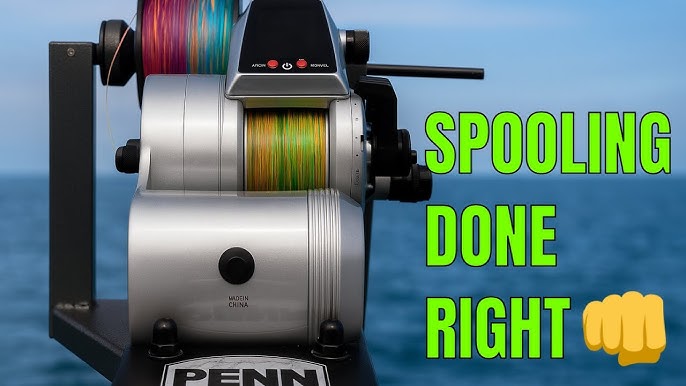
Are you struggling with tangled fishing line or noticing your reel isn’t casting smoothly? Knowing how to change the line on your fishing reel can make a huge difference in your fishing experience.
It’s a simple skill that saves you time and frustration, and helps you fish like a pro every time you hit the water. In this guide, you’ll learn easy, step-by-step tips to replace your fishing line quickly and correctly. Keep reading—you’ll be ready to cast with confidence in no time!
Choosing The Right Fishing Line
Choosing the right fishing line helps improve your fishing experience. It affects how you cast, fight fish, and how your gear works together.
This guide covers the types of fishing lines, line strength and diameter, and how to match line to your reel and rod.
Types Of Fishing Lines
There are three main types of fishing lines: monofilament, fluorocarbon, and braided. Each has its strengths and weaknesses.
- Monofilament:Flexible, easy to handle, and good for beginners.
- Fluorocarbon:Less visible underwater and more abrasion-resistant.
- Braided:Very strong and thin, with little stretch.
Line Strength And Diameter
Line strength is measured by its pound test, which shows how much weight it can hold before breaking. Diameter affects how much line you can spool and its visibility.
| Line Type | Diameter (inches) | Strength (lb test) |
| Monofilament | 0.012 – 0.040 | 4 – 30 |
| Fluorocarbon | 0.010 – 0.035 | 4 – 25 |
| Braided | 0.008 – 0.020 | 10 – 80+ |
Matching Line To Reel And Rod
Choose a line that fits your reel’s capacity and your rod’s power. Using too heavy a line can damage your gear or reduce casting distance.
- Check your reel’s maximum line capacity on the spool.
- Match the line strength to your rod’s recommended pound test.
- Consider the type of fishing and fish size when choosing line strength.

Credit: sportfishinghub.medium.com
Preparing Your Reel
Getting your fishing reel ready is a crucial task for any fishing trip. Preparing your reel ensures smooth casting and reeling.
Proper preparation can help you avoid tangles and other common issues. Let’s dive into the steps needed to prepare your reel effectively.
Removing Old Line
Before adding new line, you must remove the old one. This helps prevent tangling and ensures you start fresh.
- Secure the reel and rod on a stable surface.
- Cut the knot holding the line to the spool.
- Unwind the line by pulling it off the spool.
- Dispose of the old line responsibly to avoid littering.
Cleaning The Spool
A clean spool is essential for smooth line retrieval. Dirt can hinder the performance of your reel.
Ensure the spool is completely dry before adding the new line. This prevents rust and other damage.
Attaching The New Line
Changing the fishing line on your reel is important for good fishing. Attaching the new line correctly helps you fish better. Follow these simple steps to secure the line and wind it evenly.
Securing The Line To The Spool
Start by threading the new line through the reel guides. Then tie the line to the spool using a strong knot. Make sure the knot is tight so the line does not slip.
- Pass the line through the reel’s eyelet
- Wrap the line around the spool once
- Tie an Arbor knot or similar secure knot
- Pull the knot tight against the spool
- Trim any extra line close to the knot
Winding The Line Evenly
Wind the line slowly and evenly onto the spool. Keep light tension on the line to avoid loose loops. Fill the spool until it is nearly full but not overfilled.
- Hold the line tight with your fingers
- Turn the reel handle slowly
- Guide the line side to side on the spool
- Fill the spool to about 1/8 inch from the edge
- Stop winding if the line feels loose or uneven
Adjusting The Reel Settings
Changing the line on a fishing reel requires adjusting the reel settings. Proper settings help your fishing line work well and last longer.
Two important settings to check are the drag and the tension. These affect how the line comes off the reel and how it reacts to fish pulling.
Setting The Drag
The drag controls how much resistance a fish feels when pulling the line. Set the drag to stop the line from breaking but still allow some pull.
- Locate the drag adjustment knob on the reel.
- Turn the knob clockwise to increase drag.
- Turn counterclockwise to decrease drag.
- Test by pulling the line with your hand to feel the resistance.
- Adjust until the drag feels firm but smooth.
Checking The Tension
Tension affects how the line feeds from the spool. Proper tension prevents line tangles and improves casting distance.
| Tension Setting | Effect |
| Too Tight | Line may snap or spool may stop freely releasing line. |
| Too Loose | Line may tangle or create knots during casting. |
| Just Right | Line feeds smoothly without slipping or snagging. |
Testing Your Setup
After changing the line on your fishing reel, testing your setup is important. This helps ensure smooth casting and reduces problems on the water.
Two key steps to test are casting practice and inspecting the line for twists or tangles. Both help check if your reel works properly.
Casting Practice
Practice casting in an open area before fishing. This helps you feel how the new line behaves and if it releases smoothly.
- Start with short casts to check the line flow.
- Gradually increase the distance to test reel control.
- Listen for any unusual noise from the reel.
- Watch for smooth line release and retrieval.
Inspecting For Line Twists Or Tangles
Check your line carefully for twists or tangles. These can cause casting problems or line breaks while fishing.
| Signs of Line Twists | How to Fix |
| Looped or curled line after casting | Let the line hang freely and rewind slowly |
| Line wraps around reel spool unevenly | Remove line and respool correctly |
| Line tangles during retrieval | Use a swivel to reduce twists |

Credit: www.reddit.com
Tips For Maintaining Your Line
Keeping your fishing line in good shape is key to a smooth fishing trip. Proper care helps avoid line breaks and improves casting.
Regular checks and timely replacements keep your reel ready for action. Learn how to inspect and know when to change your line.
Regular Line Inspection
Check your fishing line often for signs of damage. Look for frays, nicks, or discoloration that may weaken the line.
- Run the line through your fingers to feel for rough spots.
- Look closely for any cracks or cuts on the line.
- Inspect the line near the reel and at the hook attachment.
- Remove any dirt or debris that sticks to the line.
- Keep the line dry to prevent weakening from moisture.
When To Replace The Line
Knowing when to replace your fishing line saves you from lost fish and broken gear. Replace it if you notice any signs of wear.
| Condition | Reason to Replace |
| Frayed or Nicked | Weak spots may cause breaks under tension |
| Discolored or Faded | Sun damage reduces line strength |
| Brittle or Stiff | Old line loses flexibility and breaks easily |
| Memory Line Twists | Line tangles and does not cast smoothly |

Credit: www.youtube.com
Frequently Asked Questions
How Do I Remove Old Fishing Line From My Reel?
To remove old fishing line, first release the drag. Then, unwind the line manually or use a line spooler. Dispose of the old line properly to avoid tangles and environmental harm.
What Type Of Line Is Best For Fishing Reels?
Monofilament lines are versatile and beginner-friendly. Braided lines offer strength and sensitivity. Choose based on your fishing style and reel type for optimal performance.
How Do I Spool New Line Onto A Fishing Reel?
Attach the new line to the spool with an arbor knot. Keep tension on the line and turn the reel handle slowly. Fill the spool without overloading to avoid tangles.
When Should I Replace The Fishing Line On My Reel?
Replace your fishing line every season or after heavy use. Also, change it if you see frays, nicks, or line memory to prevent breaks during fishing.
Conclusion
Changing the line on your fishing reel keeps your gear ready to fish. It helps avoid tangles and breaks while fishing. Follow the steps carefully for best results. Take your time and work patiently. Regularly changing your line improves your catch chances.
Practice makes this task easier and quicker. Now, you can enjoy fishing with fresh, strong line every time. Simple steps lead to better fishing trips. Give it a try and feel the difference.