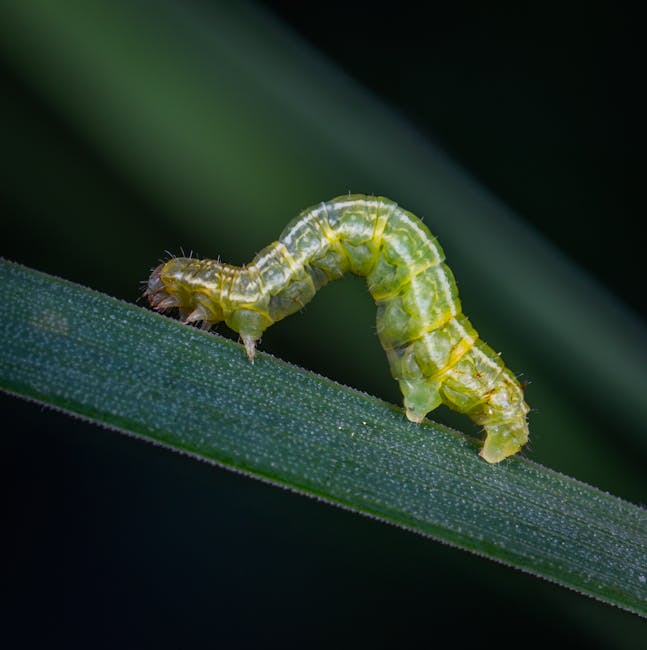
Are you tired of seeing those messy, web-like nests hanging from your trees every spring? Eastern tent caterpillars can quickly take over your yard, damaging leaves and making your outdoor space look uninviting.
If you want to protect your trees and enjoy a pest-free garden, it’s important to act fast. You’ll discover simple and effective ways to get rid of eastern tent caterpillars before they cause serious harm. Keep reading to learn how you can take control and keep your trees healthy all season long.

Credit: edsplantworld.com
Identifying Eastern Tent Caterpillars
Eastern tent caterpillars are common pests found on many trees. Knowing how to identify them helps protect your plants and trees.
These caterpillars build noticeable silk tents and can damage leaves quickly. Learning their features makes it easier to spot them early.
Physical Characteristics
Eastern tent caterpillars have a unique look that sets them apart from other bugs. They have hairy bodies and bright colors.
Their bodies are about 2 inches long and have a white stripe down the middle of their back.
- Hairy, dark brown or black body
- White stripe running lengthwise on the back
- Bright blue or orange spots on sides
- Three pairs of true legs near the head
- Silky tents made in tree branches
Common Habitats
Eastern tent caterpillars like to live in trees with broad leaves. They prefer trees that bloom early in spring.
You will find them mostly in cherry, apple, and crabapple trees. They also build tents in wild cherry and peach trees.
- Cherry trees
- Apple and crabapple trees
- Peach trees
- Wild cherry trees
- Other fruit trees with broad leaves
Signs Of Infestation
You can tell if a tree has eastern tent caterpillars by looking for silk tents in branches. These tents protect the caterpillars.
Leaves on the tree may look chewed or missing. You may also see many small black droppings near the tree base.
- Silk tents in tree branches
- Chewed or missing leaves
- Clusters of caterpillars on tents
- Black droppings on leaves or ground
- Sticky webbing on branches

Credit: www.pubs.ext.vt.edu
Risks Posed By Eastern Tent Caterpillars
Eastern tent caterpillars can harm trees and the environment. Understanding their impact helps in managing these pests effectively.
These caterpillars are known for creating large silk tents in trees. They can cause significant damage if not controlled.
Damage To Trees And Plants
Eastern tent caterpillars eat the leaves of trees. This can weaken the trees and make them vulnerable to diseases.
The loss of leaves affects the tree’s ability to make food. This can lead to reduced growth and even death of young trees.
- Defoliation weakens trees
- Young trees may die
- Reduced growth in affected plants
Impact On Local Ecosystem
The caterpillars can disrupt the balance in the ecosystem. They compete with other insects for food and habitat.
Their presence can affect birds and animals that depend on healthy trees. This can lead to a decline in local wildlife diversity.
- Competition with native insects
- Reduced food for birds
- Decline in wildlife diversity
Natural Control Methods
Eastern tent caterpillars can damage trees and plants. Using natural ways to control them keeps your garden safe.
Natural control methods work without harmful chemicals. They help keep pests and plants in balance.
Encouraging Predators
Many birds and insects eat eastern tent caterpillars. Attract these predators to your garden to reduce caterpillar numbers.
Plant flowers and shrubs that provide food and shelter for predators. Avoid using insecticides that kill helpful insects.
- Grow native flowering plants to attract birds
- Provide birdhouses and water sources
- Encourage ladybugs and lacewings that eat caterpillars
- Leave leaf litter for ground beetles
Manual Removal Techniques
Remove eastern tent caterpillars by hand to stop their spread. This method is simple and effective for small infestations.
Look for tents in tree branches early in spring. Wear gloves and cut the webs out carefully.
- Use pruning shears to cut off caterpillar tents
- Drop the tents into a bucket of soapy water to kill them
- Check trees regularly for new tents
- Dispose of dead caterpillars away from your plants
Using Beneficial Nematodes
Beneficial nematodes are tiny worms that kill caterpillar larvae in soil. They are safe for plants and animals.
Apply nematodes to soil under infested trees. They enter caterpillar bodies and stop them from growing.
- Buy nematodes from garden supply stores
- Apply them in moist soil during early morning or evening
- Keep soil damp for a few days after application
- Repeat treatment if caterpillars reappear
Chemical Treatments
Chemical treatments can help control Eastern Tent Caterpillars effectively.
Choosing the right chemicals and applying them safely improves results.
Selecting The Right Insecticides
Use insecticides that target caterpillars without harming plants.
- Bacillus thuringiensis (Bt) is a natural bacteria safe for beneficial insects.
- Spinosad works well and breaks down quickly in sunlight.
- Carbaryl kills many insects but can harm bees and should be used carefully.
- Permethrin is effective but toxic to fish and bees.
Safe Application Practices
Follow these safety tips to protect yourself and the environment.
| Practice | Reason |
| Wear gloves and long sleeves | Protect skin from chemicals |
| Apply on calm, dry days | Prevent spray drift |
| Keep pets and children away | Avoid accidental exposure |
| Follow label instructions | Ensure correct usage and dosage |
Timing For Maximum Effectiveness
Apply insecticides when caterpillars are young and before tents fully form.
- Check trees early in spring for egg masses or small larvae.
- Spray insecticides in the morning or late afternoon to avoid heat stress.
- Repeat treatment after 7 to 10 days if caterpillars persist.
Preventive Measures
Eastern tent caterpillars can harm trees by making large webs. Taking action early helps keep trees healthy. You can use several ways to stop these pests before they spread.
Preventing infestations needs good care and watching trees closely. Here are some tips to protect your trees from these caterpillars.
Tree Maintenance Tips
Keep trees strong by trimming branches and removing old nests. Healthy trees resist pests better. Clear away dead or weak branches to stop caterpillars from finding homes.
- Prune trees in late winter before caterpillars hatch
- Remove and destroy old tents from previous years
- Water trees during dry times to keep them healthy
- Apply mulch to support soil moisture and tree roots
Monitoring And Early Detection
Check trees often in early spring. Look for small eggs or new webs. Early spotting helps stop big infestations. Use a flashlight to find tents at night.
| Time of Year | What to Look For | Action |
| Late winter | Egg masses on branches | Remove eggs by scraping |
| Early spring | Small silk tents | Destroy tents before caterpillars grow |
| Late spring | Large webs and caterpillars | Consider natural predators or manual removal |
Barriers And Traps
Use physical barriers and traps to stop caterpillars from climbing trees. Wrap sticky tape around trunks to catch them. Set traps to reduce their numbers safely.
- Wrap tree trunks with sticky bands or commercial tree traps
- Place burlap or cloth bands around branches to catch caterpillars
- Check and clean traps weekly to keep them effective
- Use natural predators like birds to help control caterpillars

Credit: www.pubs.ext.vt.edu
When To Seek Professional Help
Dealing with eastern tent caterpillars can be challenging. Sometimes, the infestation grows beyond easy control.
Knowing when to call a professional can save your trees and reduce damage quickly.
Signs Of Severe Infestation
Severe infestations show clear signs that your efforts may not be enough. Watch for these symptoms closely.
- Large, noticeable tents covering many branches
- Heavy defoliation with most leaves eaten away
- Visible clusters of caterpillars on tree bark and branches
- Sticky residue or frass (insect droppings) on leaves and ground
- Wilting or stressed appearance of the tree
Choosing Pest Control Services
Selecting the right pest control service is important to handle eastern tent caterpillars safely and effectively.
| Factor | What to Look For |
|---|---|
| Experience | Years working with caterpillar infestations |
| Methods Used | Eco-friendly and safe pest control options |
| License & Insurance | Valid certification and coverage |
| Customer Reviews | Positive feedback from local clients |
| Cost | Clear pricing with no hidden fees |
Frequently Asked Questions
What Are The Signs Of Eastern Tent Caterpillar Infestation?
Look for web-like tents in tree branches and chewed leaves. You may also see caterpillars crawling on the tree or ground. Early detection helps in effective removal and prevents tree damage.
How Can I Manually Remove Eastern Tent Caterpillars?
Prune and destroy the tents early in the morning or late evening. Use gloves and a stick to remove caterpillars safely. Dispose of them in soapy water to prevent re-infestation.
Are Natural Predators Effective Against Eastern Tent Caterpillars?
Yes, birds, wasps, and parasitic flies naturally control caterpillar populations. Encouraging these predators can reduce caterpillar numbers without chemicals. Planting diverse vegetation attracts these beneficial insects.
What Chemical Treatments Work For Eastern Tent Caterpillars?
Insecticides containing Bacillus thuringiensis (Bt) are effective and safe. Apply Bt during early larval stages for best results. Always follow label instructions for safe and effective use.
Conclusion
Controlling Eastern Tent Caterpillars takes patience and care. Regularly check trees for their nests. Remove caterpillars by hand or use safe sprays. Keep your plants healthy to resist damage. Early action helps stop big infestations. Small steps can protect your garden well.
Stay consistent to see the best results. Protect trees and enjoy a pest-free yard. Simple efforts make a big difference over time.