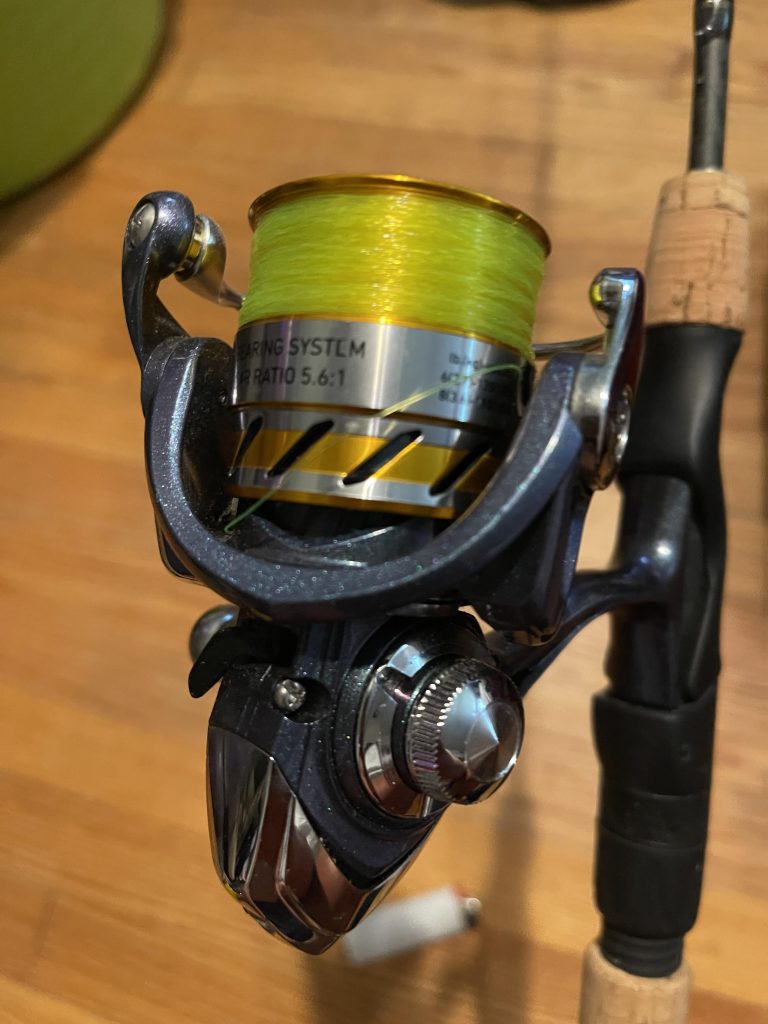
Have you ever pulled out your fishing line only to find it all curly and tangled? It’s frustrating, isn’t it?
You’re ready to cast and catch, but that twisty mess slows you down. Understanding why your fishing line gets curly can save you time and improve your fishing experience. You’ll discover the simple reasons behind those annoying curls and what you can do to fix them.
Keep reading to get your line smooth and ready for action.

Credit: fishingbooker.com
Common Causes Of Curly Fishing Line
Curly fishing line can be frustrating for anglers. It affects casting distance and accuracy.
Understanding why your fishing line curls helps you fix the problem. Several factors cause this issue.
Line Memory And Its Effects
Line memory means the fishing line keeps the shape of the spool. It curls because it stays coiled.
This happens when you use line straight off the spool without straightening it. The curls reduce casting distance.
Improper Spooling Techniques
Spooling your line wrong causes curls and tangles. Too much tension or loose winding creates twists.
Not filling the spool evenly also leads to line problems. Proper spooling keeps the line smooth and straight.
- Keep steady tension while spooling
- Fill the spool evenly without gaps
- Avoid overfilling the spool
Impact Of Line Material
Different line types curl in different ways. Monofilament has more memory than braided lines.
Fluorocarbon is stiffer but can still curl if not handled well. Material affects how easy it is to straighten.
- Monofilament curls easily due to elasticity
- Braided line resists curls but can twist
- Fluorocarbon is stiff and less stretchy
Environmental Factors Influencing Curl
Temperature and water conditions affect fishing line shape. Heat can increase line memory and curls.
Cold water can make some lines stiff and brittle. Sunlight exposure also weakens lines and causes curling.
- High heat increases line memory
- Cold makes line stiff and hard to cast
- Sunlight damages line causing curls
Identifying Curl Patterns
Fishing lines can become curly for many reasons. It’s important to understand the different curl patterns. This helps in fixing the issue effectively.
Curl patterns may vary in location and tightness. Recognizing these can improve your fishing experience.
Tight Vs. Loose Curling
Tight curls are small and spiral-shaped. They can make casting difficult. Loose curls are larger and more open. They often cause tangles.
Tight curls may form due to over-tightened reels. Loose curls can result from slack line storage.
- Tight curls reduce casting distance
- Loose curls may create knots
- Check reel tension to prevent curling
Curling Near The Reel
Curling often starts near the reel. This can happen if the line is not wound properly. It’s common when the line is too tight.
Reel curling can affect line release during casting. This makes it hard to achieve accurate distance.
| Cause | Effect |
| Improper winding | Reel curling |
| Excess tension | Line tangles |
Curling Along The Entire Line
Sometimes, the entire line becomes curly. This can occur due to prolonged storage. Exposure to heat and light can also cause this.
Entire line curling impacts performance. It reduces line strength and increases breakage risk.
- Store line in cool, dark places
- Replace line regularly to avoid curling
- Inspect line before each fishing trip
Quick Fixes For Curly Line
Fishing lines can become curly and tangled after use. This can cause casting problems and line breakage. You can fix curly lines quickly with some simple methods.
Using heat, proper storage, and correct re-spooling help keep your line smooth and ready to fish.
Using Heat To Straighten Line
Heat softens the fishing line, making it easier to straighten. You can use warm water or a hair dryer to apply gentle heat. Avoid using high heat to prevent damage.
Soak the line in warm water for a few minutes or hold it near a hair dryer on low heat. Then, pull the line tight to remove curls.
Proper Line Storage Tips
Storing your fishing line correctly prevents curls from forming. Keep the line in a cool, dry place away from sunlight. Avoid leaving the line on the reel too long without use.
- Store line in original packaging or sealed containers
- Avoid tight bends or loops in the line
- Keep line away from heat sources and direct sunlight
- Use a line spooler to prevent loose winding
Re-spooling With Correct Tension
Re-spooling your line with the right tension helps keep it straight. Too loose or too tight winding creates curls and tangles.
| Tension Level | Effect on Line |
| Too Loose | Line loops and curls easily |
| Too Tight | Line stretches and weakens |
| Correct Tension | Line stays smooth and strong |
Use a steady hand or a tensioner tool while spooling. This keeps the line even and reduces curls during casting.

Credit: www.reddit.com
Preventing Curl In Future Trips
Curl in fishing lines can cause problems like tangles and poor casting. Taking steps to prevent curl helps your fishing trips go smoothly.
Understanding how to care for your line and reel can reduce curl. Here are ways to keep your fishing line straight and ready.
Choosing The Right Line Type
Some fishing lines are more likely to curl than others. Pick a line type that suits your fishing style and conditions.
Monofilament lines often curl more than braided or fluorocarbon lines. Choose braided or fluorocarbon if you want less curl.
- Monofilament: flexible but can curl
- Fluorocarbon: less stretch, less curl
- Braided: strong and stays straighter
Maintaining Reel And Line Condition
Keep your reel and line clean to avoid curl. Dirt and damage can cause the line to twist and tangle.
Regularly check your reel for smooth operation. Replace old or damaged line to maintain good performance.
- Clean the reel after each trip
- Lubricate moving parts regularly
- Remove and replace old fishing line
- Check for cracks or damage on the line
Best Practices For Casting And Retrieval
How you cast and retrieve affects line curl. Smooth actions reduce line twists that cause curl.
Do not force the cast or retrieve too fast. Use steady, controlled movements to keep the line straight.
- Cast with a smooth motion
- Avoid jerky or fast retrieval
- Keep tension on the line while retrieving
- Use the reel’s drag system properly

Credit: www.reddit.com
Frequently Asked Questions
Why Does My Fishing Line Become Curly?
Fishing lines become curly due to memory from being wound tightly on the reel. Heat, moisture, and improper storage also cause curls. This affects casting distance and accuracy. Regularly straightening your line can prevent curl buildup and improve your fishing experience.
Can Curly Fishing Lines Affect Casting Performance?
Yes, curly lines reduce casting distance and accuracy. The curls create resistance and tangles, making it harder to cast smoothly. Straightening your line before fishing helps ensure better performance and fewer snags.
How Do I Fix A Curly Fishing Line?
To fix a curly line, soak it in warm water and stretch it gently. You can also run the line between your fingers or use a line conditioner. Proper storage and regular maintenance prevent future curls.
Does Fishing Line Material Affect Curliness?
Yes, some materials like monofilament are more prone to curling than fluorocarbon or braided lines. Monofilament holds memory from the spool, causing curls. Choosing the right material for your fishing style reduces curl issues.
Conclusion
Curly fishing lines happen from tension and poor storage. Heat and water can also change the line shape. Fix curls by straightening the line carefully. Use proper reels and avoid leaving line tight for long. Regularly check your fishing gear to keep it smooth.
Understanding why lines curl helps improve your fishing experience. Keep your line neat for better casting and fewer tangles. Simple care prevents curly lines and makes fishing more fun.