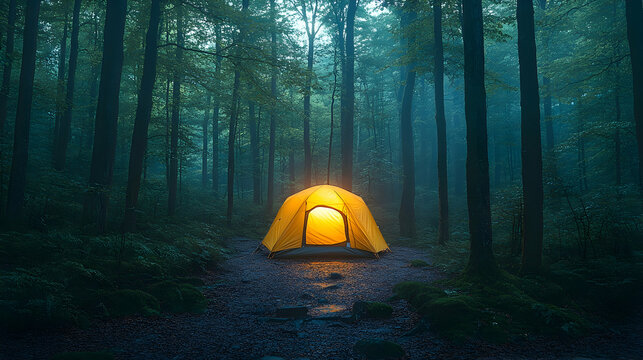
Imagine waking up to the sound of birds singing and fresh air filling your lungs. You step outside your tent, surrounded by tall trees and the peacefulness only nature can offer.
A tent in the woods is more than just a place to sleep—it’s your gateway to adventure, calm, and a break from the everyday rush. If you’ve ever wanted to escape noise and screens, this experience is made for you.
Keep reading to discover how setting up your own tent in the woods can refresh your mind, boost your mood, and connect you to something deeper than you’ve felt in a long time.
Choosing The Perfect Tent
Picking the right tent is key for a good camping trip. Your tent keeps you safe and comfortable outdoors.
This guide helps you find the perfect tent by looking at types, size, materials, and weather needs.
Types Of Tents
Tents come in many shapes and styles. Each type fits different camping needs and places.
- Pop-up tents: Easy to set up and good for beginners.
- Backpacking tents: Lightweight and compact for hiking trips.
- Cabin tents: Large and roomy, great for families.
- Dome tents: Strong and stable in windy weather.
- Tunnel tents: Offer more space and good ventilation.
Size And Capacity
Choose a tent size that fits the number of campers and gear. Too small feels cramped. Too big can be heavy.
| Tent Size | Number of People | Recommended Use |
| 2-person | 1-2 | Solo or couple camping |
| 4-person | 3-4 | Small families or groups |
| 6-person | 5-6 | Large families or groups |
| 8+ person | 7 or more | Group camping or events |
Materials And Durability
Tent fabrics and poles affect weight and strength. Nylon and polyester are common fabrics. Aluminum poles are strong yet light.
- Ripstop nylon: Resists tears and is lightweight.
- Polyester: Holds color and shape well in sun and rain.
- Aluminum poles: Durable and flexible for rough conditions.
- Fiberglass poles: Cheaper but can break more easily.
Weather Considerations
Think about the weather you will face. Some tents are made for rain, wind, or snow. Others work best in mild conditions.
| Weather Type | Tent Features |
|---|---|
| Rain | Waterproof fly and sealed seams |
| Wind | Strong poles and low profile shape |
| Snow | Sturdy frame and steep roof for snow load |
| Summer | Good ventilation and mesh panels |

Credit: willowwittranch.com
Essential Gear For Comfort
Camping in the woods can be fun and relaxing. To enjoy your time, having the right gear is important. Here’s what you need for a comfortable stay.
From sleeping bags to cooking equipment, each item plays a key role in your comfort. Let’s explore these essentials.
Sleeping Bags And Pads
A good sleeping bag keeps you warm during chilly nights. Choose one that suits the temperature of your camping spot.
Sleeping pads add extra comfort and insulation. They protect you from the cold ground and make sleeping more pleasant.
- Lightweight sleeping bags for mild weather
- Insulated sleeping pads for colder nights
- Compact options for easy packing
Lighting Options
Good lighting is necessary for safety and convenience. It helps you see in the dark and sets the mood for your campsite.
Consider the types of lights that suit your camping style. You can choose from lanterns, headlamps, or string lights.
- Lanterns for broad area lighting
- Headlamps for hands-free use
- Solar-powered options for eco-friendly camping
Cooking Equipment
Enjoying meals in the woods is a great experience. The right cooking equipment makes it easy and enjoyable.
Pack items that are lightweight and easy to use. This ensures you can cook delicious meals without any hassle.
- Portable stoves for quick cooking
- Lightweight pots and pans
- Reusable utensils and plates
Clothing And Footwear
Proper clothing and footwear keep you comfortable in varying weather. Layering helps you adjust to temperature changes.
Choose durable and breathable materials. Good footwear keeps your feet protected and comfortable on rough terrain.
- Waterproof jackets and pants
- Sturdy hiking boots or shoes
- Warm layers for cool nights
Setting Up Camp
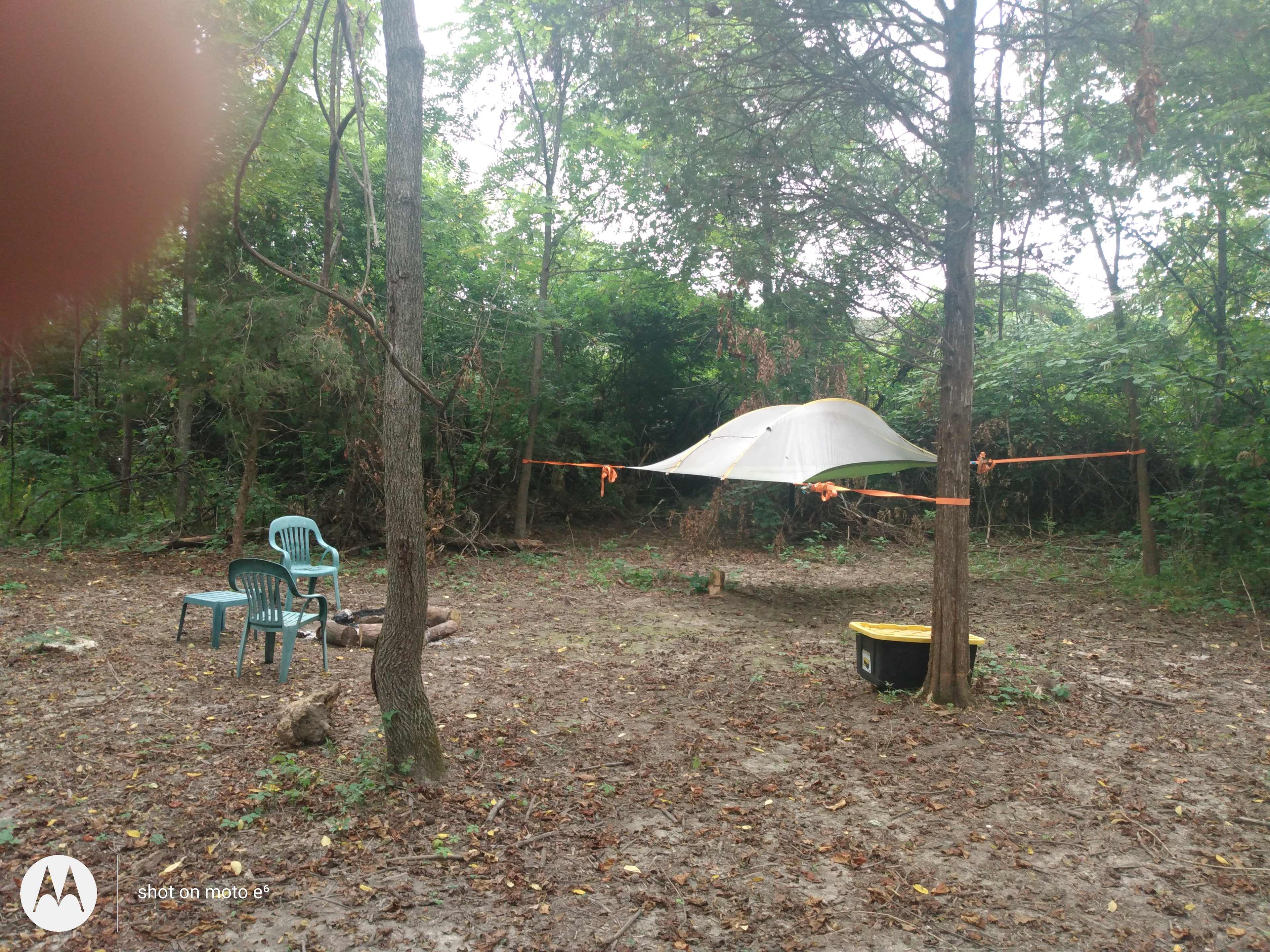
Setting up camp in the woods takes planning and care. You want a place that is safe and comfortable. This guide helps you find a good spot and organize your campsite.
Follow simple steps to pitch your tent and keep your area neat. Safety is important to enjoy your time outdoors without problems.
Finding The Right Spot
Look for flat ground to pitch your tent. Avoid areas that can flood if it rains. Check for rocks, roots, and sharp objects underfoot. Stay away from dead trees or branches that could fall.
Pitching Your Tent
Clear the area from sticks and stones. Lay your tent footprint or tarp first. Set up the tent poles and secure the tent with stakes. Tighten the rainfly to keep water out during rain.
Organizing The Campsite
- Keep your cooking area away from your sleeping spot
- Store food in sealed containers or bear-proof boxes
- Place trash in a secure bag and pack it out
- Arrange gear neatly to avoid clutter
- Use a small table or flat surface for cooking and prep
Safety Tips
| Safety Tip | Reason |
| Keep a first aid kit nearby | Handle minor injuries quickly |
| Store food away from tent | Prevent attracting animals |
| Use a flashlight at night | Avoid trips and falls |
| Check weather before camping | Be prepared for storms |
| Inform someone about your location | Help in case of emergency |
Credit: www.hipcamp.com
Outdoor Cooking Made Easy
Cooking outdoors is a fun way to enjoy nature and tasty meals. You just need the right tips and tools.
This guide helps you cook simple meals, store food safely, and clean up after eating in the woods.
Campfire Cooking Basics
Start with a safe fire spot away from trees. Use dry wood to build a steady fire. Let the fire burn down to hot coals for better cooking.
Use long-handled tools to keep safe from the flames. Cast iron pans work well on campfires. Keep water nearby for fire safety.
Easy Meal Ideas
- Grilled cheese sandwiches on foil
- Hot dogs cooked on sticks
- Vegetable foil packets with herbs
- Instant oatmeal with dried fruits
- Pre-made pasta salad served cold
These meals need few ingredients and little prep. They cook quickly and taste great outdoors.
Food Storage Tips
| Food Type | Storage Method |
| Meat | Keep in cooler with ice packs |
| Fruits | Store in sealed containers |
| Vegetables | Wrap in damp cloth in cooler |
| Bread | Keep in airtight bags |
| Dry goods | Store in waterproof containers |
Keep food sealed and cool to stop spoilage. Avoid leaving food out in the sun or near the fire.
Cleanup Practices
Clean dishes with biodegradable soap and water. Scatter dishwater away from campsites. Pack out all trash and leftover food.
- Use a small basin for washing
- Dry dishes on a clean towel
- Store trash in sealed bags
- Leave no trace behind
Staying Warm And Dry
Camping in the woods can be cold and wet. Staying warm and dry keeps you safe and comfortable. Proper preparation helps you avoid problems.
This guide covers ways to keep warm and dry using simple techniques. Learn about layering, rain protection, campfire safety, and emergency plans.
Layering Techniques
Wearing layers helps you control your body heat. You can add or remove layers based on the weather and your activity level.
- Base layer: Wear moisture-wicking fabric to keep sweat away.
- Middle layer: Use insulating materials like fleece or wool.
- Outer layer: Choose a windproof and waterproof jacket.
- Extras: Wear hats, gloves, and warm socks for added warmth.
Rain Protection
Rain can make camping uncomfortable and dangerous. Use the right gear to stay dry during wet weather.
| Item | Purpose | Tip |
| Rain jacket | Keeps water off your body | Pick breathable fabric |
| Rain pants | Protect legs from rain | Wear over regular pants |
| Tarp or rainfly | Shield tent and gear | Set up tightly |
| Waterproof boots | Keep feet dry | Choose sturdy soles |
Campfire Safety
Campfires provide warmth and a place to cook. Follow safety rules to prevent accidents and keep dry.
- Clear the area around the fire from leaves and sticks.
- Build fire rings with rocks to control flames.
- Keep water or a shovel nearby to put out the fire.
- Never leave the fire unattended.
- Extinguish the fire completely before sleeping or leaving.
Emergency Preparedness
Being ready for emergencies helps you stay safe in the woods. Pack essential items and know what to do.
- Waterproof matches or a lighter
- Emergency blanket
- First aid supplies
- Whistle for signaling
- Extra food and water
Remember to tell someone your plans before you go camping.
Activities To Enjoy In The Woods
The woods offer a peaceful place to explore and relax. You can find many fun activities to enjoy.
Whether you like walking, watching animals, or taking pictures, the forest has something for you.
Hiking Trails
Walking on trails lets you see the forest up close. Trails vary from easy paths to steep climbs.
- Wear sturdy shoes for safety.
- Bring water and snacks.
- Stay on marked trails to protect plants.
- Start early to avoid heat.
Wildlife Watching
Many animals live in the woods. You might see birds, deer, or squirrels if you stay quiet.
- Use binoculars for a closer look.
- Visit early morning or late evening.
- Do not feed or touch animals.
- Bring a notebook to record your sightings.
Star Gazing
The woods have less light pollution. This makes stars shine bright at night.
Bring a blanket and lie down to watch the sky. You can spot constellations and shooting stars.
Star Gazing Tips:
- Check the weather for clear skies.
- Use a star map app to identify constellations.
- Bring a flashlight with a red filter to keep your night vision.
- Dress warmly, as nights can be cold.
Photography Tips
Taking photos in the woods can capture its beauty. Use natural light for the best shots.
| Tip | Explanation |
| Use a tripod | Keeps your camera steady for clear images. |
| Focus on details | Try close-ups of leaves, bark, or insects. |
| Shoot at golden hour | Early morning or late afternoon light is soft. |
| Change angles | Get low or high to find new views. |
Leave No Trace Principles
Camping in the woods offers peace and beauty. We must protect nature for future visitors.
Following Leave No Trace principles helps keep forests healthy and wild animals safe.
Minimizing Impact
Camp only on durable surfaces such as rocks, gravel, or dry grass. Avoid fragile plants and soil.
Keep groups small to reduce noise and wear on the land. Stay on marked trails to protect the environment.
Waste Disposal
Pack out all trash, leftover food, and litter. Do not leave waste behind in the forest.
- Use toilet facilities if available.
- If not, dig a small hole 6-8 inches deep for human waste.
- Cover and disguise the hole after use.
- Carry out used toilet paper and hygiene products.
Respecting Wildlife
Observe animals from a distance. Do not feed or approach them. Feeding harms their health.
Store food securely and keep a clean campsite to avoid attracting wildlife. This keeps both you and animals safe.
Campfire Restrictions
| Fire Rule | Reason |
|---|---|
| Use existing fire rings | Limits ground damage |
| Keep fires small | Reduces risk of wildfire |
| Never leave fires unattended | Prevents accidental fires |
| Completely extinguish fires | Protects forest safety |
In some areas, fires are not allowed. Check local rules before camping to avoid damage.

Credit: www.youtube.com
Frequently Asked Questions
What Is The Best Location For A Tent In The Woods?
Choose a flat, dry area away from water and hazards. Look for natural windbreaks and avoid low spots prone to flooding.
How Do I Keep Bugs Away While Camping In Woods?
Use insect repellent and keep your tent zipped. Avoid scented products and clear debris around your campsite to reduce bugs.
What Essential Gear Do I Need For Tent Camping?
Bring a durable tent, sleeping bag, flashlight, and cooking tools. Pack weather-appropriate clothing and a first aid kit for safety.
How Can I Stay Safe While Camping Alone In The Woods?
Inform someone of your plans and location. Carry a map, compass, and emergency supplies. Stay alert to wildlife and weather changes.
Conclusion
A tent in the woods offers peace and a break from daily noise. Nature’s sounds help you relax and feel calm. Setting up a tent is simple and fun for all ages. It gives you a chance to enjoy fresh air and starry nights.
Spending time outdoors can boost your mood and health. Try it once, and you may want to do it again. A small adventure can bring big joy and quiet moments. Camping in the woods creates memories that last a lifetime.