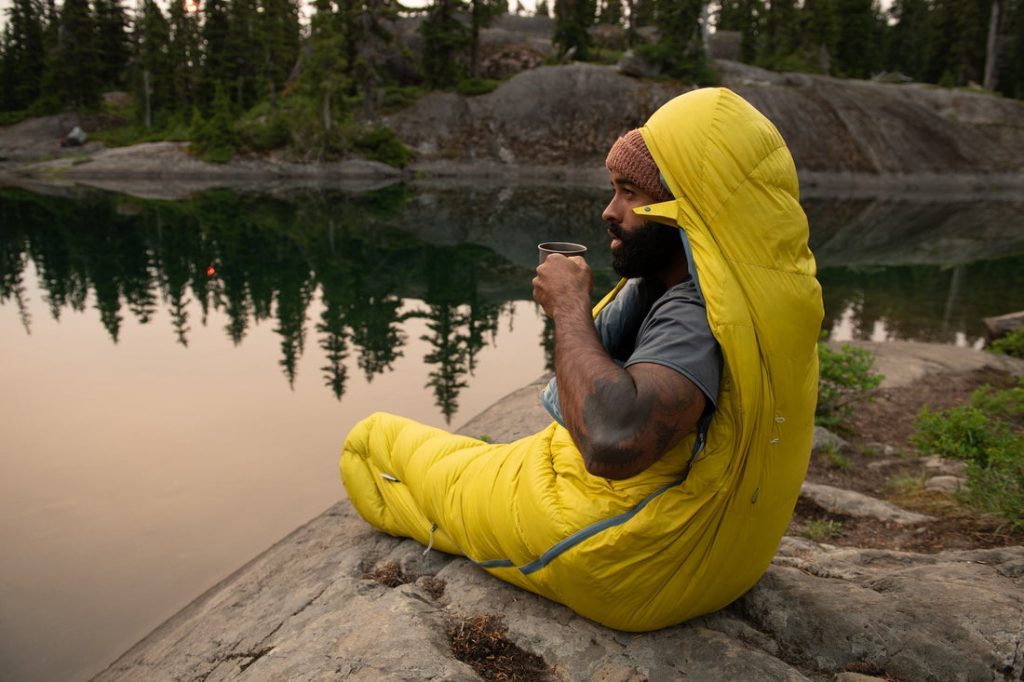
Your sleeping bag is your best friend on every adventure, keeping you warm and cozy through the night. But when was the last time you gave it a proper wash?
Cleaning your sleeping bag the right way not only extends its life but also boosts its comfort and performance. If you want to avoid damage and keep your bag fresh and fluffy, you need to know the right steps. Keep reading, and you’ll learn exactly how to wash your sleeping bag safely and effectively—so it’s always ready for your next trip.

Credit: www.gearaid.com
Choosing The Right Washing Method
Washing your sleeping bag keeps it clean and fresh. Picking the right washing method is important. It helps protect the fabric and filling.
Some sleeping bags can be machine washed. Others need gentle hand washing. Knowing the best way saves your sleeping bag.
Machine Wash Vs Hand Wash
Machine washing is faster and easier. It works well for sturdy sleeping bags. Use a front-loading washer to avoid damage.
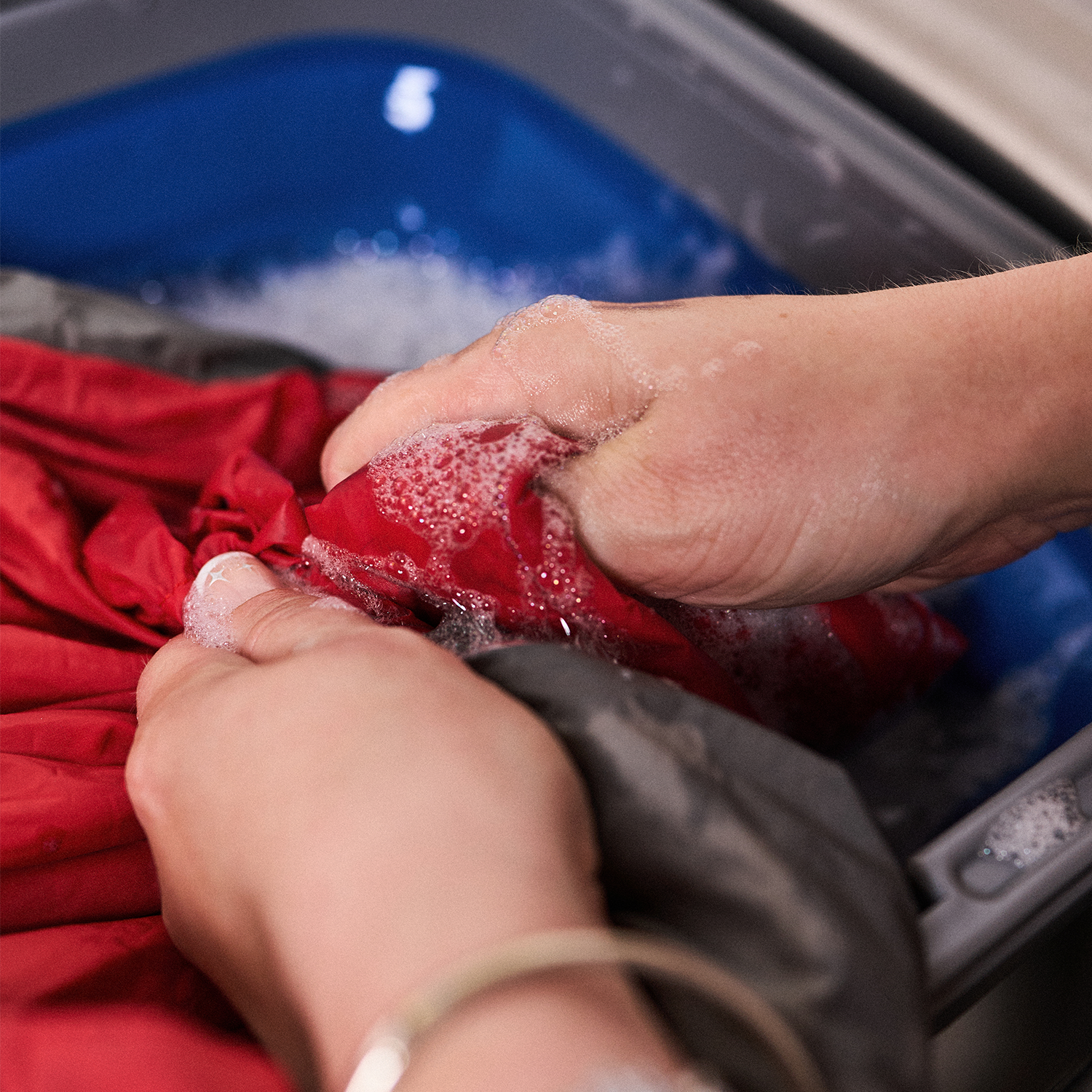
Hand washing is gentler and safer for delicate bags. It takes more time but lowers the risk of tears. Use mild soap and cold water.
- Machine wash for durable, synthetic bags
- Hand wash for down-filled or delicate fabrics
- Use gentle cycle and cold water in machines
- Rinse thoroughly to remove soap
Checking Care Labels
Care labels show how to clean your sleeping bag safely. They give washing instructions and temperature limits. Always read them first.
Ignoring care labels can cause damage. You might shrink or weaken the filling. Follow the labels to keep your bag in good shape.
- Look for washing temperature
- Check if machine washing is allowed
- Note any special instructions like no bleach
- Follow drying recommendations
Credit: www.ellis-brigham.com
Preparing Your Sleeping Bag
Keeping your sleeping bag clean is important for comfort and longevity. Proper preparation before washing can make the process easier and more effective.
Here are some steps to ensure your sleeping bag is ready for a thorough clean.
Emptying All Pockets
Before washing, check all pockets of your sleeping bag. Remove any items inside to prevent damage during washing.
It’s easy to forget small objects. Check twice to make sure nothing is left behind.
Removing Loose Dirt And Debris
Shake your sleeping bag outdoors to remove loose dirt. This prevents dirt from spreading during the wash.
Use a soft brush to gently sweep away any stubborn debris stuck on the fabric.
Repairing Minor Damages
Inspect your sleeping bag for any small tears or loose stitches. Fixing these can help maintain the bag’s insulation and longevity.
Sew minor tears with a needle and thread. Use a patch for larger holes.
- Check for loose threads
- Sew small tears before washing
- Use patches for bigger holes
Selecting The Best Detergent
Washing your sleeping bag the right way keeps it clean and lasts longer. Choosing the best detergent matters a lot. The wrong soap can damage the fabric or reduce warmth.
Focus on detergents that clean gently and protect the bag’s materials. This guide helps you pick the safest options for your sleeping bag.
Avoiding Harsh Chemicals
Harsh chemicals can break down the sleeping bag’s insulation and fabric. Avoid soaps with bleach, fabric softeners, or strong fragrances. These can harm the bag and reduce its effectiveness.
- Do not use bleach or chlorine-based cleaners
- Avoid detergents with added softeners
- Skip heavily scented soaps
- Choose mild, gentle detergents
Using Specialized Cleaners
Specialized cleaners are made for outdoor gear and sleeping bags. They clean without stripping natural oils or loft from the insulation. These detergents keep your bag safe and fresh.
| Cleaner Type | Purpose | Benefits |
| Down-Specific Detergent | For down-filled bags | Preserves loft and softness |
| Synthetic-Safe Soap | For synthetic insulation | Keeps fibers intact and clean |
| All-Purpose Gear Cleaner | For all sleeping bags | Gentle cleaning without damage |
Washing Steps For Different Materials
Cleaning your sleeping bag keeps it fresh and extends its life. Different materials need special care when washing. Follow the right steps for your sleeping bag’s material.
This guide explains how to wash down and synthetic sleeping bags safely and effectively.
Cleaning Down Sleeping Bags
Down sleeping bags need gentle washing to protect the feathers. Use a front-loading washing machine or wash by hand. Avoid harsh detergents and high heat.
- Use a down-specific detergent to keep feathers soft.
- Set the machine to a gentle cycle with cold water.
- Rinse thoroughly to remove all detergent.
- Dry slowly on low heat with tennis balls to fluff feathers.
- Make sure the bag is completely dry before storage.
Washing Synthetic Sleeping Bags
Synthetic sleeping bags can handle more washing options. Use mild soap and avoid fabric softeners. Drying takes less time than down bags.
| Step | Action | Tip |
| 1 | Use mild detergent and cold water. | Pre-treat stains before washing. |
| 2 | Choose a gentle cycle in the washing machine. | Do not overload the machine. |
| 3 | Rinse twice to remove soap. | Helps avoid residue buildup. |
| 4 | Tumble dry on low heat or air dry. | Remove promptly to avoid wrinkles. |
Drying Your Sleeping Bag Properly
Drying your sleeping bag is an important step after washing. Proper drying keeps the insulation safe and your bag fresh.
Using the right drying methods helps your sleeping bag last longer and stay warm for your next trip.
Air Drying Techniques
Air drying is gentle and prevents damage to the sleeping bag’s materials. Find a clean, dry place away from direct sunlight.
- Lay the sleeping bag flat on a clean surface to keep its shape.
- Use a drying rack or hang it loosely by the loops to allow air flow.
- Turn or flip the bag every few hours to help it dry evenly.
- Avoid direct sunlight to prevent fading and fabric weakening.
- Allow enough time; air drying can take up to 24 hours or more.
Using A Dryer Safely
If you choose to use a dryer, use low heat to protect the sleeping bag’s filling. High heat can cause clumping or melting.
| Dryer Setting | Purpose |
| Low Heat or Air Fluff | Gently dries without damage |
| Medium to High Heat | Not recommended; may harm insulation |
| Dryer Balls or Tennis Balls | Helps keep filling fluffy and even |

Credit: www.halfwayanywhere.com
Maintaining Freshness Between Washes
Keeping your sleeping bag fresh helps it last longer. You do not need to wash it after every use.
Simple care habits keep your sleeping bag clean and ready for your next trip.
Proper Storage Tips
Store your sleeping bag in a dry, cool place to avoid damage. Avoid tight compression during storage.
- Use a large cotton storage sack, not a small stuff sack
- Hang your sleeping bag on a wide hanger if possible
- Keep it away from direct sunlight and moisture
- Ensure the bag is completely dry before storing
Using Sleeping Bag Liners
Sleeping bag liners protect the inside of your bag. They reduce the need for washing the bag itself.
| Type of Liner | Material | Benefits |
| Silk | Silk | Lightweight and soft, adds warmth |
| Fleece | Polyester | Warm and cozy, easy to clean |
| Cotton | Cotton | Breathable and affordable |
Frequently Asked Questions
How Often Should I Wash My Sleeping Bag?
Wash your sleeping bag after every 3 to 4 uses or at least once a season. Frequent washing can damage insulation. Spot clean minor stains to extend time between washes. Proper care preserves warmth and durability.
Can I Machine Wash My Sleeping Bag Safely?
Yes, use a front-loading washing machine on a gentle cycle. Use cold water and mild detergent made for technical gear. Avoid fabric softeners and bleach. Always check the care label before washing.
Should I Use Special Detergent For Sleeping Bags?
Use a mild, non-detergent cleaner designed for down or synthetic insulation. Regular detergents can strip natural oils and reduce loft. Specialized cleaners protect insulation, keeping your sleeping bag fluffy and warm longer.
How Do I Dry A Sleeping Bag Properly?
Air dry your sleeping bag flat or hang it in a shaded, ventilated area. Use a large dryer on low heat with clean tennis balls to restore loft for down bags. Avoid high heat to prevent damage.
Conclusion
Washing your sleeping bag keeps it fresh and lasts longer. Use gentle soap and cold water for best results. Avoid harsh machines or dryers that can damage the fabric. Always dry your bag fully before storing it away. Clean bags stay warm and comfortable on every trip.
Take care of your gear, and it will take care of you. Simple steps make a big difference in bag care. Now, you know how to keep your sleeping bag clean. Ready for your next adventure?