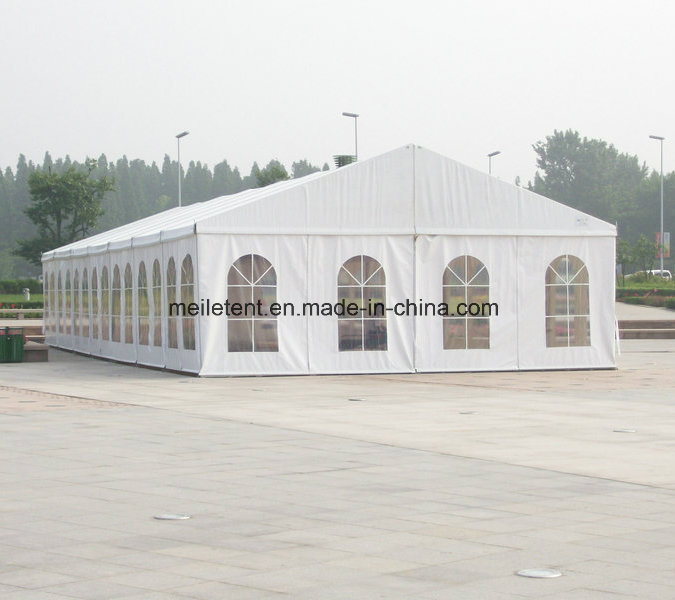
Planning an event for 200 guests? One of your biggest questions is probably: how big a tent do you need?
Choosing the right tent size can make or break your event’s comfort and flow. Too small, and your guests will feel cramped. Too large, and it might look empty or cost more than necessary. This guide will help you find the perfect tent size that fits your crowd and your vision.
Keep reading to make sure your event feels just right from start to finish.

Credit: liri-tents.en.made-in-china.com
Factors Influencing Tent Size
Choosing the right tent size for 200 guests depends on many factors. You need to think about how guests will sit and move around.
Also, the type of event and extra space needs affect the tent size. This guide covers key points to consider.
Guest Seating Arrangements
Seating style changes how much space each guest requires. Common arrangements include banquet, theater, and cocktail styles.
- Banquet style uses round tables, needing about 12 square feet per guest.
- Theater style has rows of chairs, requiring around 8 square feet per guest.
- Cocktail style is standing room with few seats, about 6 square feet per guest.
Event Type And Activities
The event’s purpose affects space needs. A seated dinner needs more room than a casual party.
| Event Type | Space per Guest (sq ft) |
| Seated Dinner | 12 |
| Meeting or Seminar | 8 |
| Cocktail Party | 6 |
| Dance or Activity Area | 15 |
Additional Space Needs
Extra areas add to the tent size. Consider space for food service, a stage, or a dance floor.
- Catering and buffet stations
- Bar or drink service areas
- Audio-visual equipment and stage
- Restrooms and coat check
- Walkways and entry points
Tent Size Options For 200 Guests
Choosing the right tent size for 200 guests is important for a successful event. Consider seating, dining, and entertainment areas to ensure comfort.
Various factors affect the tent size, including seating arrangements and additional space for activities. Let’s explore these considerations.
Standard Seating Dimensions
Seating arrangements require space for tables, chairs, and aisles. This impacts the overall tent size.
- Round tables need about 12 square feet per person.
- Rectangular tables require 10 square feet per person.
- Aisles should be at least 3 feet wide.
Buffet And Dance Floor Space
Buffet lines and dance floors add extra space needs. Ensure there’s ample room for guests to move freely.
Custom HTML can illustrate the layout better, such as:
- Buffet area: 100 square feet
- Dance floor: 200 square feet
Stage And Equipment Areas
If your event includes a stage or equipment, additional space is required. This is crucial for performances or speeches.
| Area | Required Space (sq ft) |
| Stage | 150 |
| Audio/Visual Equipment | 50 |
| Lighting | 30 |
Seating Layouts And Their Impact
Choosing the right tent size depends on the seating layout. Each style uses space differently. It affects how many guests fit comfortably.
Good seating plans create a better flow and guest experience. Let’s look at common seating styles for 200 guests.
Banquet Style
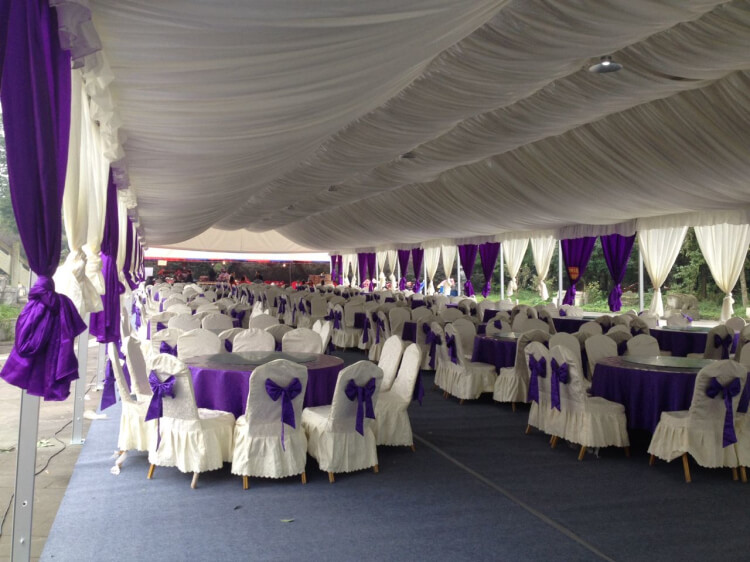
Banquet style uses round tables with chairs around them. It is great for dining and social events. Each table usually seats 8 to 10 guests.
This style needs more space per person because of tables. For 200 guests, you need about 4,000 square feet of tent space. This allows room for tables, chairs, and walking paths.
- Tables take up more room than just chairs
- Space for servers and guests to move is important
- Ideal for meals and group conversations
Theater Style
Theater style arranges chairs in rows facing one direction. It is good for presentations and shows. No tables take up extra space here.
This layout fits more people in less space. For 200 guests, about 1,800 to 2,000 square feet is enough. Guests sit close together, so walking space is limited.
- Chairs only, no tables
- More guests fit in smaller areas
- Less comfortable for long events
Cocktail Style
Cocktail style uses tall tables or no tables at all. Guests stand or sit on bar stools. This style encourages mingling and movement.
It needs less space per person than banquet style. For 200 guests, about 2,500 to 3,000 square feet works well. Space for a bar or buffet is often included.
- Mix of standing and seating
- Encourages socializing and movement
- Less space needed than banquet style

Credit: meiletent.en.made-in-china.com
Calculating Tent Dimensions
Choosing the right tent size is important for a party with 200 guests. You need enough space for seating, walking, and extra features.
Careful planning helps avoid crowding and keeps everyone comfortable. Start by figuring out how much space each guest needs.
Square Footage Per Guest
Each guest needs space for seating and movement. A good rule is to allow about 10 to 12 square feet per person.
This space covers chairs and tables but does not include aisles or extra areas.
- 10 sq ft per guest: tight seating arrangement
- 12 sq ft per guest: more comfort and space
Allowances For Aisles And Walkways
Aisles and walkways let guests move easily. You should add extra space for these paths.
Plan about 30% more space for aisles and walkways to keep the area safe and open.
- Wide aisles improve guest comfort
- Clear walkways help with emergency exits
- Space for servers or staff to move freely
Incorporating Extra Features
Extra features like a dance floor, buffet, or stage need more room. Add these areas to your total tent size.
Estimate the size of each feature and include it in your tent dimensions.
| Feature | Approximate Size |
|---|---|
| Dance Floor | 300-400 sq ft |
| Buffet Area | 150-200 sq ft |
| Stage | 100-150 sq ft |
Tent Types Suitable For Large Events
Choosing the right tent for 200 guests is important. The tent should be spacious and safe. Different tents offer various benefits and styles.
This guide explains three common tent types for large events. Each type works well depending on the event’s needs and location.
Frame Tents
Frame tents use a metal frame to hold the fabric up. They do not need center poles, so the interior space is open. This makes them good for events with tables and chairs.
These tents can be set up on hard surfaces like concrete or asphalt. They come in many sizes and shapes.
Pole Tents
Pole tents have tall center poles that support the tent fabric. They need open space with soft ground to anchor the poles with stakes. They create a classic look and can hold many guests.
- Require staking into the ground
- Have center poles inside the tent
- Offer a traditional style
- Best for grass or dirt surfaces
- Usually less expensive than frame tents
Clear Span Tents
Clear span tents have no interior poles or center supports. The structure uses strong aluminum beams to create a large open space. These tents are good for very large groups and formal events.
| Feature | Description |
|---|---|
| Interior Poles | None |
| Setup Surface | Hard or soft surfaces |
| Space | Wide open, flexible layout |
| Cost | Higher than frame and pole tents |
| Best For | Large, formal events |
Credit: www.cy-tent.com
Tips For Choosing The Right Tent
Choosing the right tent size is important for your event. A tent for 200 guests needs enough space for comfort and activities.
Think about your guests’ needs and the event type. This helps in picking the perfect tent size and style.
Weather Considerations
Check the weather forecast before choosing a tent. You need protection from rain, wind, or strong sun.
Choose tents with sturdy frames and waterproof fabric. Sidewalls can help block wind or cold air.
- Use tents with vents for hot weather
- Consider heaters or fans for comfort
- Plan for extra space if bad weather comes
Venue Restrictions
Ask the venue about rules before renting a tent. Some places limit tent size or where you can put it.
Check for power access, ground type, and fire rules. These affect what kind of tent and setup you need.
- Confirm if stakes or weights are allowed
- Find out about noise limits or curfews
- Know the maximum tent size for the space
Budget And Rental Options
Set a clear budget before renting a tent. Tent size, style, and extras affect the price.
Compare rental companies for the best deal. Some include setup, lights, or flooring in their price.
- Decide if you want a frame or pole tent
- Ask about delivery and setup costs
- Check what extras are included or cost more
Additional Equipment And Accessories
Choosing the right tent size is only part of planning for 200 guests. You also need extra equipment. These items make the event more comfortable and enjoyable.
Lighting, heating, furniture, decor, and sound systems all add to the guest experience. Planning these details helps your event run smoothly.
Lighting And Heating
Good lighting makes the tent bright and inviting. It also helps guests see clearly at night. Heating keeps guests warm during cold weather. Both are important for comfort.
- Use string lights or LED bulbs for soft lighting
- Place heaters evenly to warm the space
- Consider dimmable lights to adjust brightness
- Use propane or electric heaters depending on tent type
Furniture And Decor
Furniture helps guests relax and enjoy the event. Decor adds style and matches your event theme. Both should fit well inside the tent.
- Choose tables and chairs for 200 guests
- Add linens and centerpieces for decoration
- Use rugs or flooring for comfort and look
- Include a stage or dance floor if needed
Sound Systems
Sound systems help guests hear speeches and music clearly. Proper setup avoids noise problems. It suits both small talks and larger announcements.
- Use microphones for speakers
- Set up speakers to cover the entire tent
- Test the system before the event starts
- Hire a technician if the system is complex
Safety And Comfort Considerations
Choosing the right tent size for 200 guests is important for safety and comfort. A well-planned tent helps everyone enjoy the event without stress.
This guide covers key safety points like emergency exits, ventilation, and accessibility. Each factor makes the tent safer and more comfortable.
Emergency Exits
Emergency exits must be easy to find and use. The tent should have enough exits to let guests leave quickly in an emergency.
- Place exits evenly around the tent perimeter.
- Keep exit paths clear and well-lit.
- Mark exits with clear signs visible from inside.
- Ensure doors open outward and are easy to open.
- Check local fire safety codes for exit requirements.
Ventilation And Climate Control
Good air flow keeps guests comfortable and prevents overheating. Plan for fresh air to move freely through the tent.
| Ventilation Feature | Purpose | Tip |
| Sidewalls | Allow fresh air inside | Use removable or mesh sidewalls |
| Roof vents | Release hot air | Install vents near the top of the tent |
| Fans or air conditioning | Control temperature | Choose units sized for tent area |
Accessibility
Make sure the tent is easy for everyone to enter and move around. Accessibility supports guests with different needs.
- Provide ramps at all entrances and exits.
- Keep walkways wide and free of obstacles.
- Designate seating areas for guests with disabilities.
- Ensure restroom facilities are accessible.
- Use clear signage for directions inside the tent.
Frequently Asked Questions
How Large Should A Tent Be For 200 Guests?
A tent for 200 guests should be at least 4,000 square feet. This space allows comfortable seating, dining, and movement. Consider additional room for dance floors or stages to ensure guest comfort and functionality.
What Tent Shape Suits 200 Guests Best?
Frame or pole tents are ideal for 200 guests. Frame tents offer a modern look with open interiors. Pole tents provide a classic feel with high peaks. Choose based on event style and space requirements.
How Many Tables Fit In A 200-guest Tent?
A 4,000 square foot tent can hold around 20 round tables. Each table seats 10 guests comfortably. Allow extra space for aisles and service areas to avoid crowding.
Should I Rent A Tent With Sidewalls For 200 Guests?
Yes, sidewalls provide weather protection and privacy. They help control temperature and block wind or rain. Sidewalls also enhance tent stability during outdoor events.
Conclusion
Choosing the right tent size matters for your event’s success. A tent too small feels crowded and uncomfortable. Too large, and it wastes space and money. For 200 guests, consider seating style and extra space for activities. Think about tables, chairs, and walkways.
Don’t forget room for food and entertainment. Planning ahead helps guests enjoy and relax. A well-sized tent creates a great atmosphere. Your event will feel just right. Simple steps make a big difference. Take time to measure and plan carefully.
Your guests will thank you.