Changing the fishing line on your reel might seem tricky, but it’s easier than you think. Whether your line is old, tangled, or simply worn out, knowing how to replace it will save you time and frustration.
Imagine heading out for your next fishing trip with fresh, strong line that gives you the confidence to catch more. In this guide, you’ll learn simple, step-by-step instructions that anyone can follow. Keep reading, and you’ll master this essential skill quickly—making your fishing experience smoother and more enjoyable.
Choosing The Right Fishing Line
Choosing the right fishing line is important for a good fishing experience. The line helps catch fish and affects how you handle your reel.
Different fishing lines suit different fishing types and fish sizes. Knowing how to pick the right line makes fishing easier and more fun.
Types Of Fishing Lines
There are mainly three types of fishing lines: monofilament, fluorocarbon, and braided. Each type has special features for different fishing needs.
- Monofilament:Soft and easy to handle. Good for beginners.
- Fluorocarbon:Almost invisible underwater. Good for clear water fishing.
- Braided:Very strong and thin. Good for heavy fish and rough conditions.
Line Strength And Thickness
Line strength is shown by pound test, which is how much weight the line can hold. Thicker lines are stronger but less sensitive.
Choose a line strength that matches the fish you want to catch. Thinner lines let you feel bites better and cast farther.
- Light lines (2-6 lb): Small fish, easy casting
- Medium lines (8-15 lb): Most freshwater fish
- Heavy lines (20+ lb): Large fish, saltwater fishing
Selecting Line Based On Fish Species
Different fish need different lines. Small fish need light, thin lines. Big fish need strong, thick lines to avoid breaks.
Consider the fish’s strength and the water type when choosing your line. This helps you catch fish without losing your tackle.
| Fish Species | Recommended Line Strength | Best Line Type |
|---|---|---|
| Trout | 2-6 lb | Monofilament or Fluorocarbon |
| Bass | 8-12 lb | Monofilament or Braided |
| Catfish | 15-20 lb | Braided |
| Salmon | 12-20 lb | Fluorocarbon or Braided |
| Saltwater Species | 20+ lb | Braided |

Credit: www.youtube.com
Gathering Necessary Tools
Changing the fishing line on your reel requires the right tools. Being prepared makes the task easier and more efficient.
Let’s explore the essential tools and some optional accessories that can help during the line replacement process.
Essential Tools For Line Replacement
These tools are crucial for replacing the fishing line effectively. They ensure you can complete the task without hassle.
- Fishing reel: To hold and manage the new line.
- New fishing line: Choose the right type and strength for your fishing needs.
- Scissors or line cutter: For precise cutting of the fishing line.
- Needle-nose pliers: Useful for tightening and adjusting knots.
Optional Accessories For Efficiency
While not necessary, these accessories can speed up the line replacement process and make it more comfortable.
| Accessory | Benefit |
| Line spooler | Helps in winding the line evenly on the reel. |
| Line conditioner | Reduces line memory and increases casting distance. |
| Knot tying tool | Makes tying strong knots easier and quicker. |
Removing Old Fishing Line
Removing old fishing line is important before adding new line. Old line can be weak or tangled.
Proper removal helps keep your reel in good condition and ready for use.
Loosening The Drag
Start by loosening the drag on your reel. This reduces tension on the line.
Loosen the drag knob by turning it counterclockwise until it feels loose but not off.
- Locate the drag knob on the reel
- Turn it slowly counterclockwise
- Stop when the drag feels loose
Unspooling The Line Safely
Pull the old line off the reel carefully to avoid tangles. Keep the line taut.
Cut the line if it is stuck or tangled, then remove the remaining line from the spool.
- Hold the rod firmly
- Pull line slowly and evenly
- Cut line if it jams
- Remove leftover line from spool
Preparing The Reel
Changing the fishing line starts with getting the reel ready. A clean and checked reel works better and lasts longer.
Before adding new line, take time to clean and inspect the reel carefully.
Cleaning The Spool
Remove the spool from the reel to clean it well. Dirt and old line bits can cause problems.
Use a soft cloth or brush to wipe off dust and grime. Avoid using water to prevent rust.
- Take off the spool carefully
- Use a dry cloth to clean the surface
- Remove any leftover fishing line pieces
- Check for sticky spots and clean them gently
Inspecting For Damage
Look closely at the spool and reel parts for cracks or wear. Damage can cause line breakage.
Check the edges of the spool and the drag system. Make sure everything moves smoothly.
- Check spool edges for dents or sharp spots
- Inspect the drag knob and washers
- Turn the handle to test smoothness
- Replace damaged parts before reassembling
Attaching New Line To Reel
Changing the fishing line starts with attaching the new line to the reel. Doing this right keeps your line strong and ready for fishing.
This guide covers tying secure knots and placing the line properly on the reel for best results.
Tying Secure Knots
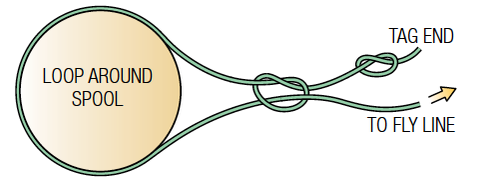
Use knots that hold tight and do not slip when you pull hard. The Arbor knot is a common choice for attaching line to reels.
- Pass the line around the reel spool.
- Tie an overhand knot around the main line.
- Tie a second overhand knot at the tag end.
- Pull the first knot tight against the spool.
- Trim the tag end close to the knot.
Ensuring Proper Line Placement
Place the line evenly on the reel spool. This prevents tangles and helps the line come off smoothly during casting.
| Tip | Why It Matters |
| Keep tension on the line while winding | Prevents loose coils that cause tangles |
| Fill spool evenly from side to side | Allows smooth line release when casting |
| Do not overfill the spool | Avoids line slipping off during use |

Credit: sportfishinghub.medium.com
Spooling The New Line
Changing the fishing line on your reel starts with spooling the new line. This step is important to ensure the line feeds smoothly while fishing.
Proper spooling helps prevent tangles and improves casting distance. Take your time to do it correctly.
Maintaining Tension
Keep the fishing line tight while spooling to avoid loose coils. Loose line can cause knots and tangles later.
You can hold the line between your fingers or use a cloth to add friction. This helps control the tension as you spool.
- Hold the line firmly but do not pull too hard
- Ask someone to hold the spool if possible
- Keep steady tension throughout the process
Filling The Spool Evenly
Fill the spool so the line spreads evenly from one side to the other. Uneven spooling causes line problems during casting.
Move the line back and forth across the spool as you wind. This spreads the line in neat layers.
- Start with a few loose wraps to anchor the line
- Wind steadily and avoid piling line in one spot
- Fill the spool until it is about 1/8 inch from the edge
Final Checks For Casting
Before casting your line, make sure everything is set up correctly. Proper final checks help avoid problems while fishing.
Two important steps are adjusting the drag settings and testing how the line moves. These steps keep your fishing smooth and effective.
Adjusting Drag Settings
The drag controls how much resistance the fish feels when pulling the line. Setting it right helps protect your line and reel.
- Turn the drag knob to increase or decrease tension.
- Set the drag so it resists line pull but still lets some line out.
- A good drag setting depends on your line strength and target fish.
- Check drag by pulling the line with your hand to feel the resistance.
- Adjust drag if the line slips too easily or does not give at all.
Testing Line Movement
Test the line movement to ensure smooth casting and retrieval. Watch for snags or uneven line flow.
| Test | What to Check | Action |
| Cast a short distance | Line flows freely and straight | Adjust spool tension if line twists or tangles |
| Reel in slowly | Line winds evenly on spool | Fix any loose or tight spots on the spool |
| Pull line by hand | Drag resistance feels consistent | Readjust drag settings if needed |
Tips For Long-lasting Line Performance
Changing the fishing line on your reel is important for a better fishing experience. Using a fresh line helps you catch more fish and avoid line breaks. Taking care of your line also makes it last longer.
This guide covers simple tips to keep your fishing line in good shape. Follow these to enjoy fishing without frequent problems.
Regular Maintenance
Check your fishing line regularly to find any damage. Small cuts or frays can weaken the line. Clean the line after use to remove dirt and salt that can cause wear.
- Inspect the line for nicks or cracks before each use
- Rinse the line with fresh water after fishing in saltwater
- Dry the line completely before storing it
- Replace the line if it feels rough or looks faded
Storing The Reel Properly
Storing your reel the right way helps protect the fishing line. Keep the reel in a cool, dry place. Avoid direct sunlight to stop the line from weakening.
| Storage Tip | Reason |
| Keep reel away from heat | Heat breaks down line fibers |
| Store in a dry area | Moisture causes line damage |
| Use reel covers | Prevents dust and dirt buildup |
| Loosen the drag | Reduces pressure on the line |
Credit: monsterbass.com
Frequently Asked Questions
How Often Should I Change Fishing Line On My Reel?
Change your fishing line after every 5-6 fishing trips or when it shows wear. Regular replacement prevents line breakage and improves casting performance.
What Tools Do I Need To Change Fishing Line On Reel?
You need scissors or line cutters, a new fishing line spool, and optionally pliers. These tools help you remove old line and secure the new one properly.
How Do I Remove Old Fishing Line From My Reel?
Open the reel spool and unwind the old line manually or by turning the handle. Dispose of the old line properly to avoid tangles and damage.
Can I Reuse Old Fishing Line When Changing Reels?
It’s best not to reuse old line due to wear and memory effects. Using fresh line ensures better strength and casting ability for your fishing trips.
Conclusion
Changing the fishing line on your reel is simple and important. Doing it right keeps your gear working well. Take your time and follow each step carefully. This helps avoid tangles and line breaks. Regularly changing the line improves your fishing experience.
Soon, it will become a quick, easy habit. Enjoy fishing with fresh, strong line every time.