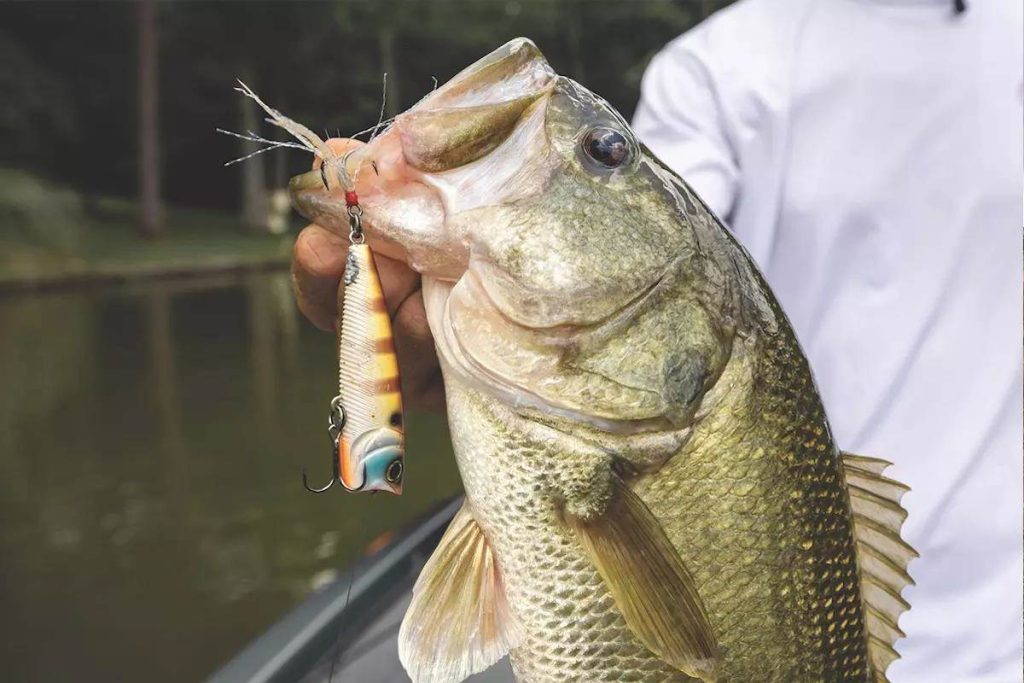
If you want to catch more fish and add excitement to your fishing trips, learning how to fish with top water lures is a game changer. These lures create action right on the water’s surface, making every strike visible and thrilling.
You’ll feel the rush when a fish explodes on your lure, and that moment can keep you hooked for hours. In this guide, you’ll discover simple tips and tricks that make top water fishing easy and fun, even if you’re just starting out.
Get ready to transform your fishing experience and bring home bigger, more exciting catches!

Credit: www.gameandfishmag.com
Choosing Top Water Lures
Top water lures attract fish by floating on the surface. They create splashes and movements that grab fish attention. Choosing the right lure can improve your catch rate.
Understanding different types of lures, fish preferences, and colors helps you pick the best lure for any fishing trip.
Types Of Top Water Lures
Top water lures come in many styles. Each type moves differently and attracts fish in unique ways.
- Poppers:These lures have a concave face that makes a popping sound when pulled.
- Walk-the-Dog:They move side to side on the water surface, mimicking injured prey.
- Prop Baits:These have small propellers that spin and splash water.
- Frogs:Soft lures designed to look like frogs, ideal for fishing near weeds.
Best Lures For Different Fish
Different fish prefer certain top water lures. Knowing which lure to use can help you catch more fish.
| Fish Species | Recommended Lure Type |
| Largemouth Bass | Walk-the-Dog, Frogs |
| Striped Bass | Poppers, Prop Baits |
| Bluegill | Small Poppers, Tiny Walk-the-Dog |
| Peacock Bass | Prop Baits, Frogs |
Selecting Lure Colors
Color choice depends on water clarity and light conditions. Bright colors work well in murky water, while natural colors suit clear water.
- Bright colors like chartreuse and white for cloudy water
- Natural colors like brown and green for clear water
- Dark colors for low light or night fishing
- Match lure color with local prey for better attraction

Credit: www.youtube.com
Essential Gear For Top Water Fishing
Fishing with top water lures is exciting. It requires the right gear for success. Understanding the essentials helps you catch more fish.
Let’s explore the key components you need. This includes rods, reels, lines, and other tools.
Rod And Reel Setup
A good rod and reel are important. Choose a medium to fast action rod. It should be 6 to 7 feet long.
A baitcasting reel works well. It offers better control over the lure. A spinning reel is also a good choice for beginners.
- Medium to fast action rod
- 6 to 7 feet in length
- Baitcasting or spinning reel
Line Selection
The right line helps with casting and control. Braided lines are strong and sensitive. They are ideal for top water fishing.
Fluorocarbon lines are less visible in water. Monofilament lines stretch more. Choose based on your fishing conditions.
- Braided lines for strength
- Fluorocarbon lines for invisibility
- Monofilament lines for flexibility
Additional Tools
Extra tools make your fishing trip easier. A tackle box keeps your lures organized. Pliers help in removing hooks.
A landing net is useful for securing your catch. Don’t forget polarized sunglasses. They reduce glare and help you see fish.
- Tackle box for organization
- Pliers for hook removal
- Landing net for catching fish
- Polarized sunglasses for better vision
Techniques For Effective Casting
Casting top water lures well is key to catching fish. Good casting puts your lure where fish like to strike.
Learn how to cast with control and aim. This helps your lure look natural on the water surface.
Timing And Location
Fish are more active in the early morning and late evening. These times give you the best chance to catch fish with top water lures.
Look for spots with cover like weeds, logs, or rocks. Fish hide here to ambush prey near the surface.
- Cast near lily pads or floating plants
- Try edges of weed beds
- Target areas with shadows or structure
Casting Accuracy Tips
Aim your cast carefully to avoid spooking fish. A smooth, gentle cast helps place the lure softly on the water.
Practice short, controlled casts. This gives better control over where the lure lands.
- Use your index finger to guide the rod
- Keep your wrist firm but relaxed
- Watch your target and adjust your aim
- Practice casting into small target areas
Adjusting For Wind And Weather
Wind changes how your lure flies and lands. Cast into the wind for better control and distance.
On calm days, use lighter lures for a natural splash. When it is windy, heavier lures help keep control.
- Cast shorter distances if wind is strong
- Adjust your lure weight for weather
- Use slow, steady retrieves in rough water
- Watch water surface for changes in conditions
Mastering Retrieve Methods
Top water lures create exciting fishing moments. The way you pull the lure affects fish bites. Different retrieve methods work for different fish and conditions.
Learning how to move your lure helps you catch more fish. Use the right technique to mimic prey and attract fish.
Popping And Walking The Dog
Popping makes noise and splashes on the water surface. It draws fish from a distance. Use quick, sharp jerks to make the lure pop.
Walking the dog moves the lure side to side. This looks like a small fish swimming. Keep a steady rhythm and twitch the rod tip.
- Popping: short, strong pulls to splash water
- Walking the dog: steady, rhythmic side-to-side lure motion
- Use popping to get attention from far away
- Use walking the dog to lure nearby fish closer
Pause And Twitch Strategies
Pausing makes the lure look like a resting or injured prey. Twitching adds small movements to catch fish interest. Combine both for better results.
Try pausing after a few pulls. Then twitch the lure lightly. This can trigger strikes from slow or cautious fish.
- Pause to mimic a resting fish
- Twitch to create subtle movements
- Alternate pause and twitch to keep fish curious
- Adjust pause length based on fish activity
Varying Retrieve Speed
Changing your lure speed helps find what fish want. Sometimes slow works best. Other times fish chase fast movements.
Start slow and then speed up. Watch how fish react. Speed up or slow down until you get bites.
- Slow retrieve for lazy or cold fish
- Fast retrieve for aggressive or active fish
- Mix speeds to find the best pace
- Stop and go retrieves can confuse fish and cause strikes
Reading Water And Fish Behavior
Fishing with top water lures needs careful observation of the water. Watching how fish behave helps you catch more fish. Learning to read water and fish activity is important.
Understanding where fish like to feed and how they react to water conditions improves your fishing success. You can spot good fishing spots by watching water closely.
Identifying Feeding Zones
Feeding zones are places where fish look for food near the surface. Fish often feed near plants, logs, or shallow water. These areas have lots of insects or small fish.
Look for calm water edges or places with surface ripples. Fish use these spots to hunt. Feeding zones change with seasons and weather, so keep observing.
- Near weeds and lily pads
- Close to fallen trees or branches
- Shallow water with insect activity
- Edges of calm and moving water
Spotting Fish Activity
Fish activity shows where fish are moving or feeding. Watch for splashes, bubbles, or ripples on the water surface. These signs tell you fish are near.
Birds diving or insects landing on water also show fish feeding. Pay attention to sudden changes in water movement. Fish often chase prey close to the surface.
- Surface splashes or jumping fish
- Small bubbles or ripples
- Birds hunting over water
- Insects on water surface
Adapting To Water Conditions
Water conditions like temperature and clarity affect fish behavior. Fish may stay deep or near the surface depending on these conditions. Adjust your fishing technique to match the water.
Cloudy water may need brighter lures. Clear water calls for natural colors. Fish also react to wind and sunlight, so change your approach if needed.
- Use bright lures in murky water
- Pick natural colors in clear water
- Fish near shade on sunny days
- Try wind-blown shores for active fish
Handling Strikes And Setting Hooks
Fishing with top water lures can be exciting and rewarding. Knowing how to handle strikes and set hooks well improves your catch rate.
This guide helps you recognize strikes, time your hook sets, and deal with tough hooks effectively.
Recognizing Different Strikes
Top water strikes look different from other bites. Fish may hit the lure hard or gently tap it. Watch your lure carefully to notice these signs.
Common strike types include explosive splashes, slow pulls, or sudden stops. Each type needs a different reaction.
- Explosive strikes mean the fish hit the lure fast and hard.
- Slow pulls show the fish is cautious or curious.
- Sudden stops happen when the fish grabs the lure and stops moving.
Timing Your Hook Set
Setting the hook too early or late can lose the fish. Wait until you feel a strong pull or see the fish fully take the lure.
Practice a quick, firm motion to set the hook. Use your wrist to snap the rod upward. Do not jerk too hard to avoid breaking the line.
- Watch for clear bites before setting the hook.
- Use a sharp, fast motion with your rod.
- Keep your line tight to feel the fish better.
Dealing With Tough Hooks
Sometimes fish have hard mouths or the hook gets stuck. Use the right tools and techniques to handle these situations.
Try to keep steady pressure on the fish. Use pliers to remove hooks safely. Replace bent or dull hooks to improve hooking chances.
- Keep tension on the line to avoid losing the fish.
- Use needle-nose pliers to remove hooks carefully.
- Check and replace hooks regularly for better performance.
Seasonal Tips For Big Catches
Top water lures can attract big fish during different seasons. Using the right approach helps you catch more fish. Adjust your tactics for spring, summer, fall, and winter.
Learn how to change your fishing style with the seasons to improve your success. Each season needs unique strategies for the best results.
Spring And Summer Strategies
In spring and summer, fish are more active near the surface. They search for food in warm water and shallow areas. Using top water lures can be very effective at this time.
- Fish early morning or late evening when fish feed near the surface.
- Choose lures that mimic frogs, insects, or small fish.
- Cast near lily pads, weeds, and logs where fish hide.
- Use a slow to medium retrieve to trigger strikes.
- Watch for splashes and ripples to spot fish activity.
Fall And Winter Adjustments
In fall and winter, fish move deeper and slow down. They spend less time on the surface. You need to change your lure choice and technique to catch them.
| Season | Lure Type | Fishing Tips |
| Fall | Top water lures with subtle action | Fish near deep cover and slow your retrieve |
| Winter | Use lures that create small splashes | Fish during warm afternoons and focus on shallow spots |
Common Mistakes To Avoid
Fishing with top water lures can be exciting and fun. But many anglers make simple mistakes that reduce their success.
Knowing what to avoid helps you catch more fish and enjoy your time on the water.
Overworking The Lure
Many anglers move the lure too much or too fast. This scares fish away instead of attracting them.
- Use short, gentle twitches to imitate natural prey.
- Pause often to let the lure float and look real.
- Avoid constant fast jerks or spinning the lure around.
- Watch how fish react and adjust your movements.
Ignoring Weather Patterns
Weather changes affect fish behavior and lure action. Ignoring these can lead to poor results.
| Weather Condition | Effect on Fishing | Tip for Using Lures |
| Sunny and Hot | Fish stay deep | Use slow movements near shade |
| Cloudy or Overcast | Fish move shallower | Try faster lure action |
| Windy | Water surface disturbed | Use lures with strong noise |
| Rainy | Fish feed actively | Cast often and vary speed |
Using Inappropriate Gear
Wrong gear makes it hard to fish well with top water lures. The line, rod, and reel must match your lure and target fish.
Check this quick guide to gear choices:
- Rod:Medium to medium-heavy action for control and strength.
- Line:Use braided or fluorocarbon line for sensitivity and low visibility.
- Reel:A baitcasting reel gives better lure control and casting distance.
- Lure size:Match lure size to fish species and water conditions.

Credit: www.youtube.com
Frequently Asked Questions
What Are The Best Top Water Lures For Beginners?
Top water poppers and frogs are ideal for beginners. They are easy to use and create enticing surface action. These lures attract bass and other predatory fish effectively. Starting with simple designs helps build confidence and skills quickly.
How To Retrieve Top Water Lures Effectively?
Use a steady, rhythmic twitching motion when retrieving. Pause occasionally to mimic injured prey. Vary your speed to trigger strikes. Observing fish behavior helps adjust your technique for better results. Consistency and patience improve lure effectiveness.
When Is The Best Time To Fish With Top Water Lures?
Early morning and late evening are prime times. Low light conditions make fish more active near the surface. Warm, calm weather also increases success. Seasonal changes affect fish behavior, so adapt your timing accordingly.
What Fish Species Respond Well To Top Water Lures?
Bass, pike, and muskie are highly responsive. These predators hunt near the water surface. Top water lures mimic their natural prey effectively. Knowing your target species helps select the right lure type.
Conclusion
Top water lures bring excitement to fishing trips. They create splashes that attract fish quickly. Use steady, simple movements to mimic prey on the water. Patience and practice improve your lure control and timing. Try different lures to see what fish prefer that day.
Enjoy the thrill of watching fish strike from the surface. Keep experimenting and learning with each cast. Fishing with top water lures can be fun for everyone. Stay safe and respect nature while fishing outdoors.