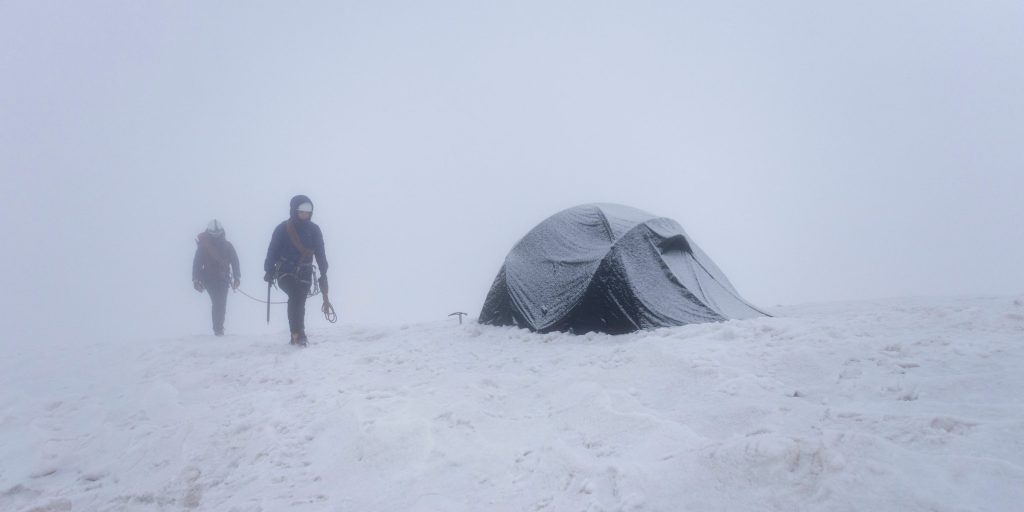
When you’re planning a camping trip in tough weather, your tent can make all the difference. But what exactly makes a tent “4 season”?
Is it just about handling snow, or is there more to it? Understanding what sets a 4 season tent apart helps you stay safe, warm, and comfortable no matter the conditions. If you want to choose the right shelter that won’t let you down when the weather turns harsh, keep reading.
You’re about to discover the key features that make a tent truly ready for all seasons—and why those details matter to you.
Season Ratings Explained
Tents have season ratings to show what weather they handle best. These ratings help you pick the right tent for your trip.
Season ratings tell if a tent is good for mild weather or harsh conditions. They range from 2 season to 4 season tents.
2 Season Tents
2 season tents are made for warm weather. They work well in late spring and summer.
These tents are light and have good ventilation. They keep bugs out but are not strong in wind or snow.
- Best for mild, dry weather
- Lightweight and easy to carry
- Not designed for cold or strong wind
- Good ventilation to reduce heat
3 Season Tents
3 season tents are popular for spring, summer, and fall. They handle rain, wind, and light snow.
They have stronger fabrics and more poles than 2 season tents. Ventilation is balanced with protection.
- Suitable for rain and moderate wind
- Can handle light snow
- Good ventilation for warm weather
- More durable than 2 season tents
4 Season Tents
4 season tents are made for harsh winter conditions. They protect from heavy snow, strong wind, and cold.
They have strong poles and thick fabric. Ventilation is limited to keep warmth inside.
- Built for snow and high winds
- Sturdy frame and heavy fabric
- Less ventilation to retain heat
- Used in winter or alpine environments
Key Features Of 4 Season Tents
Four-season tents are essential for camping in any weather. They offer protection from harsh elements and keep campers safe and comfortable.
These tents are built with special features to handle extreme conditions. Let’s explore what makes a tent suitable for all seasons.
Strong Frame And Poles
A strong frame is crucial for a four-season tent. It can withstand heavy snow and strong winds.
These tents often use aluminum or steel poles. This ensures they remain stable during storms.
Heavy-duty Fabric
The fabric of a four-season tent is thick and durable. It protects campers from rain, snow, and cold winds.
These fabrics are often waterproof and windproof. This helps keep the interior dry and warm.
Full Coverage Rainfly
A full coverage rainfly is a key feature. It provides extra protection from rain and snow.
It covers the entire tent, preventing water from entering. This keeps the sleeping area dry and comfortable.
Ventilation Systems
Good ventilation is important in four-season tents. It prevents condensation inside the tent.
These tents often have vents or windows. This allows fresh air to circulate, reducing moisture buildup.
Materials That Withstand Harsh Weather
Tents designed for four seasons must resist tough weather. They protect against rain, wind, and snow. The right materials keep campers safe and dry.
This section covers key features that make a tent strong in harsh conditions. Learn about fabrics, structures, and snow handling.
Waterproof Fabrics
Waterproof fabrics stop rain and moisture from entering the tent. They use coatings like polyurethane or silicone. These layers block water but allow some air to pass.
- Polyurethane coating offers good water resistance and durability.
- Silicone coating adds flexibility and strong waterproofing.
- Tightly woven nylon or polyester fabrics increase water protection.
- Seam taping prevents water leaks at stitch points.
Wind-resistant Structures
Strong frames and shapes help tents stay stable in strong winds. Poles made from aluminum or fiberglass provide solid support. Dome and geodesic shapes spread the wind forces evenly.
| Feature | Description |
| Material | Aluminum poles resist bending and breakage |
| Design | Dome shape reduces wind pressure |
| Guy Lines | Extra ropes secure the tent to the ground |
| Low Profile | Less surface area exposed to wind |
Snow Load Capacity
Tents must hold heavy snow without collapsing. Strong poles and steep walls help snow slide off. The fabric must not sag under weight.
- Use durable poles that bend but do not break.
- Steep tent walls reduce snow buildup.
- Reinforced fabric resists stretching and tearing.
- Extra support points prevent sagging.

Credit: www.youtube.com
Design Elements For Extreme Conditions
Tents made for four seasons face harsh weather. They need strong designs to handle snow, wind, and rain.
Key features help tents stay safe and comfortable in cold and stormy places.
Low Profile Shape
A low profile shape helps tents resist strong winds. This shape lowers the chance of tipping or damage.
The rounded or sloped design lets snow slide off easily. It stops snow from building up on the roof.
Reinforced Seams
Seams are the weak points in any tent. Reinforced seams use extra stitching and stronger materials.
- Prevent water from leaking inside
- Increase durability against wind stress
- Help the tent last longer in rough use
Multiple Guy Lines
Guy lines are ropes that hold the tent tight. More guy lines mean better stability in storms.
| Guy Line Feature | Benefit |
| Extra attachment points | Better tension control |
| Reflective material | Easy to see in dark |
| Strong cord material | Resists wear and tear |
Choosing The Right 4 Season Tent
Choosing a 4 season tent is important for harsh weather. These tents protect you from snow, strong wind, and cold temperatures.
Think about your needs before buying. Size, weight, and budget all matter for the right tent.
Size And Weight Considerations
Pick a tent size that fits your group and gear. A tent too small feels cramped, too big can be heavy.
Weight is key for carrying the tent on long trips. Lightweight tents are easier to carry but can cost more.
- One-person tents are compact and light
- Two to three-person tents offer more space
- Larger tents weigh more but fit more gear
Setup And Portability
Look for tents that are easy to set up in cold or windy weather. Simple designs save time and effort.
Portability means how the tent packs down and fits in your backpack. Smaller packed tents are best for hiking.
- Freestanding tents are easier to move before staking
- Color-coded poles help quick setup
- Include a carrying bag for transport
Budget And Brand Options
Set a budget before shopping. 4 season tents vary in price from affordable to premium.
Look for trusted brands with good reviews. Quality tents last longer and perform better in bad weather.
- Affordable tents suit occasional use
- Mid-range tents balance cost and features
- High-end tents offer best materials and design

Credit: gearjunkie.com
Tips For Using 4 Season Tents
4 season tents are designed to handle tough weather. They keep you safe in snow, wind, and rain. Using them right makes your trip better.
Learn how to pick the best site, set up properly, and care for your tent. These tips will help you get the most out of your 4 season tent.
Site Selection
Choose a flat spot that is protected from strong winds. Avoid low areas where water can collect. Look for natural windbreaks like trees or rocks.
Clear the ground of sharp objects and debris. Make sure the area is big enough for your tent and gear. This helps keep your tent safe and dry.
- Pick a flat, even ground
- Avoid valleys or low spots
- Find natural wind barriers
- Clear sharp stones and sticks
- Check space for tent and gear
Proper Setup Techniques
Start by staking down the tent corners tightly. Use all guy lines to secure the tent. This keeps it stable in heavy wind and snow.
Build a small snow wall if you camp in deep snow. It blocks wind and protects your tent. Keep the tent floor dry by using a footprint or tarp.
- Stake corners firmly
- Use all guy lines
- Build snow walls in winter
- Use a footprint under the tent
- Keep tent floor dry
Maintenance And Storage
After your trip, clean your tent with cold water. Avoid harsh soaps that can damage the fabric. Let the tent dry fully before storing it.
Store the tent loosely in a cool, dry place. Do not keep it compressed for long periods. Check for tears or damage before packing it away.
- Clean with cold water only
- Dry completely before storage
- Store loosely in a dry place
- Do not compress tent for months
- Inspect for damage before storing
Comparing 4 Season Tents To Other Types
4 season tents are designed for tough weather conditions. They offer more protection than 3 season tents and summer tents. This makes them a popular choice for winter camping and mountaineering.
It is important to understand the key differences. These differences help campers pick the right tent for their needs.
Pros And Cons
| Feature | 4 Season Tent | 3 Season Tent | Summer Tent |
| Weather Protection | Strong against snow, wind, and cold | Good for rain and light wind | Best for warm and dry weather |
| Weight | Heavier due to strong materials | Lighter than 4 season tents | Lightest among the three |
| Ventilation | Less airflow to keep warmth | Balanced airflow and protection | High airflow for hot weather |
| Price | Usually more expensive | Moderate price | Most affordable |
Best Use Scenarios
Each tent type works best in different situations. Choosing the right one depends on the climate and activity.
- 4 Season Tents:Ideal for winter camping, high altitudes, and heavy snow areas.
- 3 Season Tents:Great for spring, summer, and fall camping with mild weather.
- Summer Tents:Perfect for warm weather, festivals, and short trips.
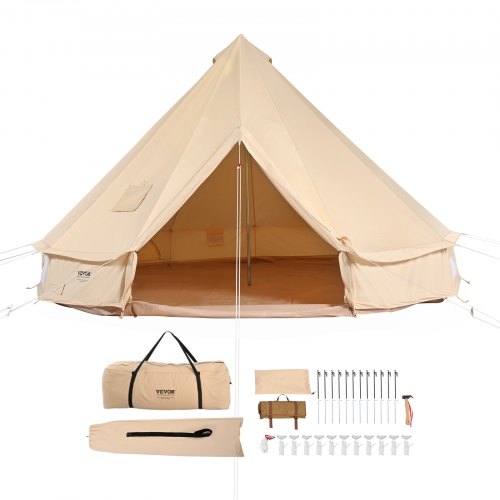
Credit: www.vevor.ca
Frequently Asked Questions
What Defines A Tent As 4 Season?
A 4 season tent is designed to withstand harsh weather. It offers strong poles, durable fabric, and full coverage for snow and wind protection.
How Is A 4 Season Tent Different From 3 Season?
4 season tents have sturdier frames and heavier materials. They provide better insulation and resist snow loads, unlike lighter 3 season tents.
Can A 4 Season Tent Be Used Year-round?
Yes, 4 season tents work in all weather. They are ideal for winter, but also provide good ventilation in summer.
Why Is Pole Strength Important In 4 Season Tents?
Strong poles ensure the tent withstands heavy snow and strong winds. They prevent collapse and enhance stability in extreme conditions.
Conclusion
A 4 season tent keeps you safe in harsh weather. It has strong poles and tough fabric. These tents block wind, rain, and snow well. You stay warm and dry inside. Choosing the right tent means better comfort outdoors. It helps you enjoy camping all year.
Think about durability and weather protection first. A good 4 season tent is worth it. It makes cold or stormy trips easier. Stay prepared and enjoy nature, no matter the season.