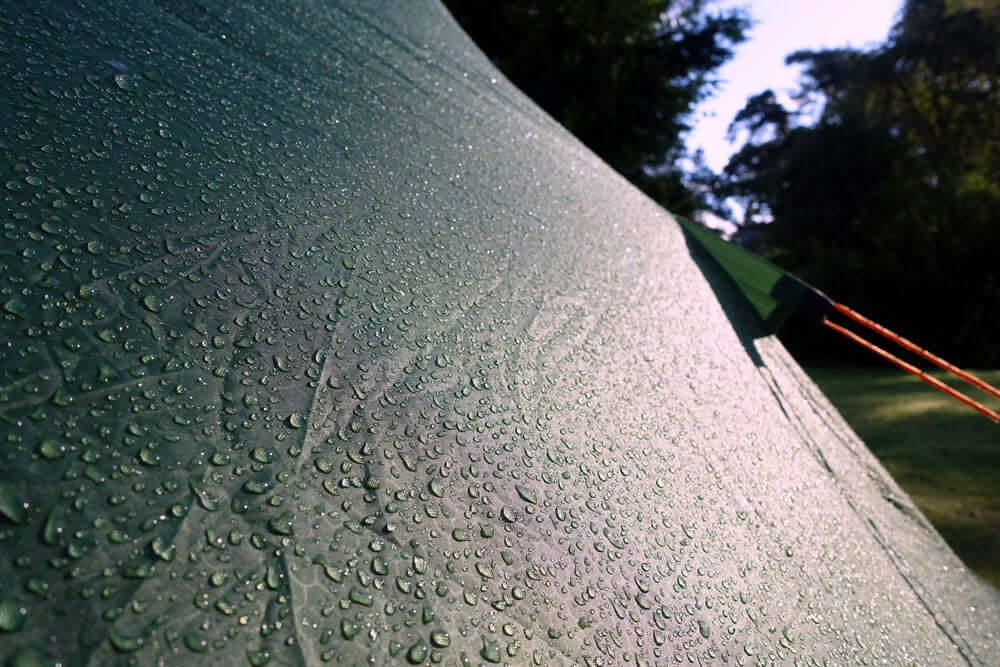
Have you ever woken up inside your tent to find everything damp and covered in water droplets? Condensation can turn your cozy camping night into an uncomfortable, soggy experience.
But what if you could keep your tent dry and fresh no matter the weather? Understanding how to prevent condensation in your tent can make all the difference between a restless night and a great adventure. You’ll discover simple, practical tips that help you stay dry and comfortable.
Ready to learn how to beat the moisture and enjoy your camping trips to the fullest? Keep reading!

Credit: www.reddit.com
Causes Of Tent Condensation
Condensation happens when water vapor turns into liquid inside your tent. This can make your tent wet and uncomfortable. Understanding what causes condensation helps keep your tent dry.
Several factors create moisture inside tents. These include your breath, sweat, weather conditions, and wet ground. Let’s look at each cause in detail.
Moisture From Breath And Sweat
When you breathe or sweat inside a tent, you release water vapor. This vapor rises and cools on the tent walls. It then turns into tiny water droplets, causing condensation.
Even light activities like talking or sleeping create moisture. The more people inside, the more condensation builds up. Good ventilation helps reduce this moisture.
Weather And Temperature Effects
Cold weather causes the tent’s surface to cool down. Warm air inside hits these cold surfaces and forms water droplets. Rapid temperature changes also increase condensation.
Rain and high humidity add more moisture to the air. This extra moisture can collect inside the tent. A tent with poor airflow traps this moist air inside.
Ground Moisture Impact
Wet or damp ground increases moisture inside the tent. Water vapor rises from the soil and seeps into the tent floor. This adds to the overall humidity inside the tent.
Using a groundsheet or footprint can block some moisture. Choosing a dry campsite away from water sources also helps reduce ground moisture inside.
Choosing The Right Tent
Condensation inside a tent can make camping uncomfortable. Picking the right tent helps reduce moisture buildup. This guide explains key features to look for in a tent.
Focus on ventilation, materials, and size to keep your tent dry and cozy.
Ventilation Features
Good airflow stops moisture from building up inside your tent. Look for tents with multiple vents and mesh panels. These let air move freely while keeping bugs out.
- Large mesh windows for cross-ventilation
- Roof vents to release warm, moist air
- Doors with mesh screens for extra airflow
- Rainfly with adjustable vents
Material And Fabric Considerations
The right fabric can reduce condensation by allowing moisture to escape. Breathable fabrics help air pass through the tent walls. Waterproof coatings keep rain out but may trap moisture inside.
| Fabric Type | Breathability | Water Resistance |
| Nylon with PU Coating | Low | High |
| Polyester with Silicone Coating | Medium | High |
| Breathable Polyester Mesh | High | Low |
Size And Design
Choose a tent size that fits the number of campers plus some extra space. A cramped tent traps more moisture. Look for designs that raise the roof height to improve airflow.
- Pick a tent with room to store gear outside your sleeping area
- Choose a dome or tunnel shape for better air movement
- Avoid tents that touch the ground fully to reduce dampness
Tent Setup Techniques
Camping is fun, but waking up with a wet tent is not. Condensation can make your tent damp. Learn how to set up your tent to reduce moisture.
These techniques will help keep your tent dry. Follow these steps to enjoy a comfortable camping experience.
Selecting A Dry Campsite
Choosing the right campsite is important. Look for a dry spot to set up your tent. Avoid areas that are low or near water.
Wet ground can cause moisture in your tent. Pick a higher ground for a better camping spot.
- Check for signs of water flow or puddles
- Avoid camping under trees that drip water
- Find a spot with good drainage
Proper Tent Pitching
Pitched tents need to be tight to stay dry. A loose tent can collect water. Make sure your tent is pitched correctly.
Take time to set up your tent properly. A well-pitched tent will keep you dry and comfortable.
- Secure all tent stakes firmly
- Tighten the rainfly to prevent sagging
- Ensure tent seams are sealed and waterproof
Maximizing Airflow
Good airflow reduces condensation inside the tent. Ventilation is key to a dry tent. Open tent vents and windows if possible.
Let fresh air circulate to keep moisture out. This helps in maintaining a comfortable environment inside.
- Use mesh panels for better ventilation
- Open rainfly vents for cross-breeze
- Keep gear organized to allow air movement

Credit: www.ultramarxl.com
Managing Moisture Inside The Tent
Condensation can make your tent damp and uncomfortable. Managing moisture inside your tent helps keep it dry and cozy. Simple habits reduce water buildup on tent walls and gear.
Controlling moisture starts with understanding where it comes from. Your breath, sweat, and wet items add moisture to the air inside the tent. Managing these sources is key.
Using Breathable Clothing And Gear
Wear clothes that let sweat escape. Breathable fabrics reduce moisture inside the tent. Avoid cotton because it holds wetness and cools you down.
- Choose synthetic or wool layers
- Use moisture-wicking base layers
- Change out of wet clothes quickly
- Keep gear dry and ventilated
Keeping Wet Items Outside
Wet items add moisture and increase condensation inside. Store wet clothes, shoes, and towels outside the sleeping area. Use a vestibule or hang items on a line.
| Wet Item | Storage Tip |
| Wet Shoes | Place in vestibule or outside tent |
| Rain Jackets | Hang on tent loops or outside |
| Wet Towels | Dry outside or in separate bag |
Sleeping Bag And Groundsheet Tips
Use a groundsheet under your tent to stop moisture from the ground. Keep your sleeping bag dry by not placing wet items inside. Air out your sleeping bag each day.
- Lay a waterproof groundsheet under the tent
- Keep sleeping bag away from damp clothes
- Open tent vents to improve air flow
- Shake out sleeping bag in fresh air daily
Additional Tools And Accessories
Condensation can make camping uncomfortable and damage gear. Using the right tools helps reduce moisture inside your tent. These accessories improve airflow and control humidity.
This guide covers ventilation aids, moisture absorbers, and rain protection to keep your tent dry and cozy.
Portable Ventilation Aids
Good airflow lowers condensation by moving moist air outside. Portable fans or vents can help circulate air inside your tent. Battery-operated fans are easy to carry and use.
- Use small battery fans at tent entrances or windows
- Choose tents with built-in vents or mesh panels
- Keep tent doors slightly open if safe
- Avoid blocking air vents with gear or fabric
Moisture Absorbers And Dehumidifiers
These tools capture water vapor inside your tent. They help keep the air dry and reduce dampness on walls and sleeping bags.
| Accessory | Function | Notes |
| Silica Gel Packs | Absorbs moisture | Reusable after drying |
| Charcoal Bags | Removes odors and moisture | Eco-friendly option |
| Electric Dehumidifiers | Extracts water from air | Needs power source |
Rainfly And Tarp Usage
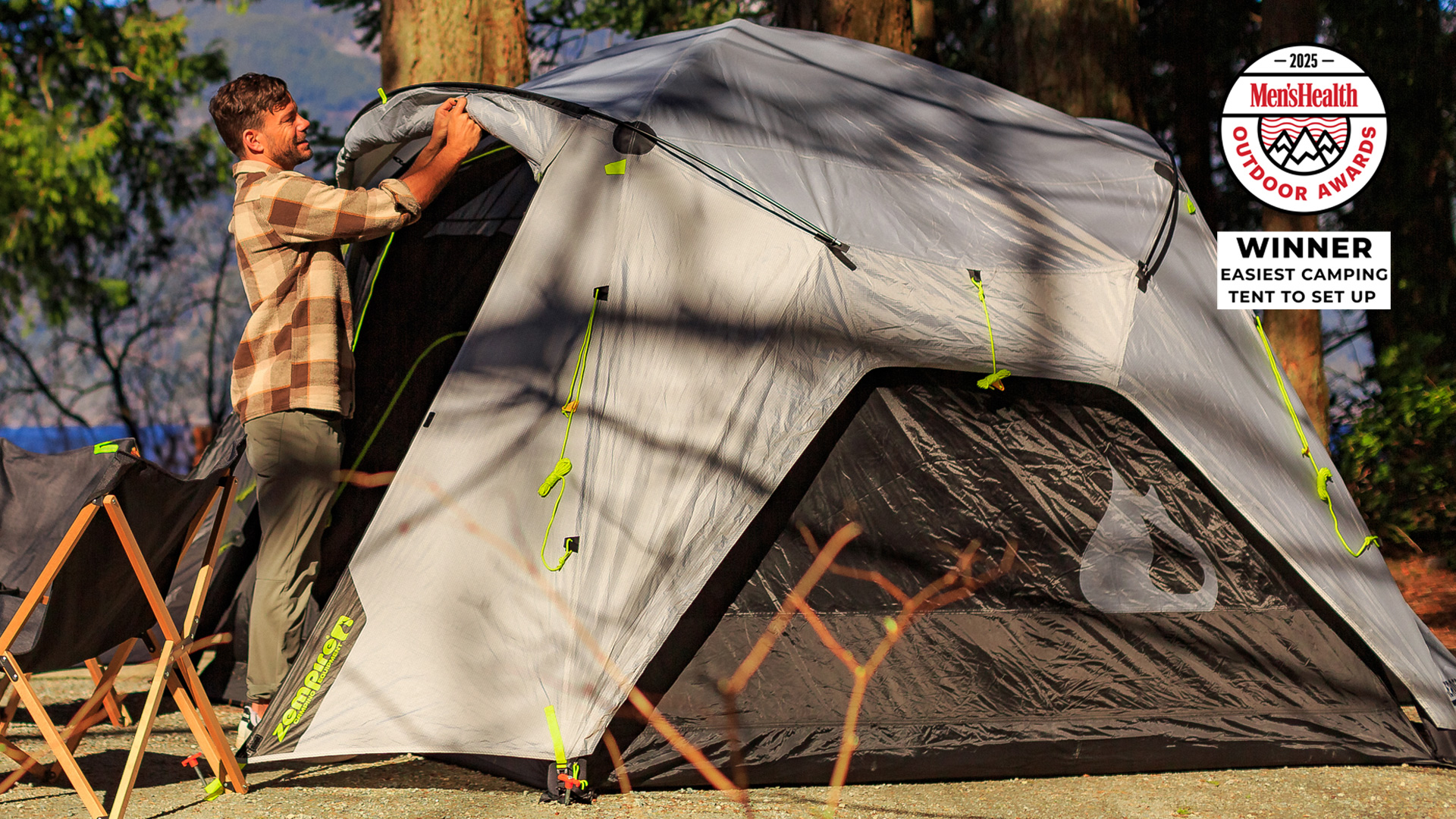
A rainfly and tarp protect your tent from rain and ground moisture. Proper setup improves airflow and stops water from seeping inside.
- Keep the rainfly slightly raised to allow air movement
- Position tarp under the tent to block ground moisture
- Ensure tarp edges extend beyond tent footprint
- Avoid direct contact between tent floor and tarp to prevent trapped water
Credit: zempire.ca
Camping Habits To Reduce Condensation
Condensation can make your tent damp and uncomfortable. It happens when warm air meets cold surfaces inside the tent.
Simple camping habits can help reduce condensation. These habits keep your tent dry and improve your camping experience.
Minimizing Cooking Inside The Tent
Cooking creates steam and moisture inside the tent. This extra moisture increases condensation on the tent walls.
It is better to cook outside the tent whenever possible. Use a camping stove or fire pit to keep steam away from your sleeping area.
- Cook outside the tent to avoid steam buildup
- Use a well-ventilated cooking spot
- Keep food preparation quick to limit moisture
Managing Number Of Occupants
Each person in the tent adds warmth and moisture through breathing and sweat. More people mean more condensation risk.
Limit the number of occupants to match your tent size. This helps keep the air dryer and reduces moisture buildup.
- Use tents that fit the number of campers
- Share space wisely to avoid crowding
- Open vents or windows to improve airflow
Drying Clothes Before Entering
Wet clothes add moisture inside the tent. This moisture turns into condensation on cold surfaces.
Dry your clothes outside before bringing them inside. This helps keep the tent air dry and comfortable.
- Hang wet clothes outside or near a fire
- Use a drying rack or rope at your campsite
- Keep damp items out of the sleeping area
Frequently Asked Questions
How Does Ventilation Prevent Tent Condensation?
Ventilation reduces moisture buildup inside the tent. It allows humid air to escape and fresh air to enter. This exchange lowers condensation by balancing indoor and outdoor humidity levels, keeping the tent dry and comfortable during use.
What Role Does Tent Location Play In Condensation?
Choosing a dry, elevated campsite helps prevent condensation. Avoid low spots where cold air and moisture settle. Setting up near trees or bushes can reduce wind and moisture exposure, minimizing dampness inside your tent.
Can Using A Tent Footprint Reduce Condensation?
Yes, a tent footprint acts as a moisture barrier between the ground and tent floor. It prevents ground dampness from seeping into the tent, reducing internal humidity and lowering condensation risk during camping trips.
Why Should You Avoid Cooking Inside A Tent?
Cooking indoors releases steam and increases humidity rapidly. This moisture accumulates and causes heavy condensation inside the tent. It’s safer and better to cook outside to keep your tent dry and comfortable.
Conclusion
Keeping your tent dry starts with good airflow and smart setup. Open vents and windows to let moisture escape. Avoid cooking or drying wet clothes inside. Use a groundsheet to stop damp from below. Check weather and choose a spot with natural wind flow.
Small habits make a big difference in stopping condensation. Enjoy your camping trip without the hassle of a wet tent. Simple steps lead to a comfortable, dry shelter every time.