Are you curious about the gear college baseball players use? If you’ve ever wondered whether metal bats are allowed in college games, you’re not alone.
The type of bat can change how the game feels, how players perform, and even how you watch the action unfold. Keep reading to discover the truth about metal bats in college baseball—and why it matters to you as a fan, player, or coach.
Metal Bats In College Baseball
College baseball uses metal bats for most games. These bats differ from wooden bats used in professional leagues. Metal bats help players hit the ball farther and faster.
This article explains the history of bat materials in college baseball. It also covers why metal bats were introduced and their impact on the sport.
History Of Bat Materials
Early baseball used wooden bats only. Wood was the standard for many years. In the 1970s, metal bats started to appear in college baseball. Aluminum became popular because it is light and strong.
- Wood bats were heavy and could break easily.
- Aluminum bats lasted longer and were lighter to swing.
- Metal bats allowed players to hit the ball harder and farther.
- Different metals like titanium and composite materials were later tested.
Why Metal Bats Were Introduced
Metal bats were introduced to improve player performance and reduce costs. They help players swing faster due to their lighter weight. Metal bats also last longer than wooden ones.
| Reason | Explanation |
| Durability | Metal bats do not break easily like wood. |
| Performance | Lighter weight allows quicker swings. |
| Cost | Metal bats last longer, saving money over time. |
| Safety | Metal bats reduce the chance of splinters from broken wood. |
Current Bat Regulations
College baseball players use metal bats. These bats have specific rules. The rules ensure fair play and safety.
Every level of college baseball must follow bat standards. These standards help maintain game integrity.
Ncaa Bat Standards
The NCAA sets bat standards for college baseball. Bats must pass performance tests.
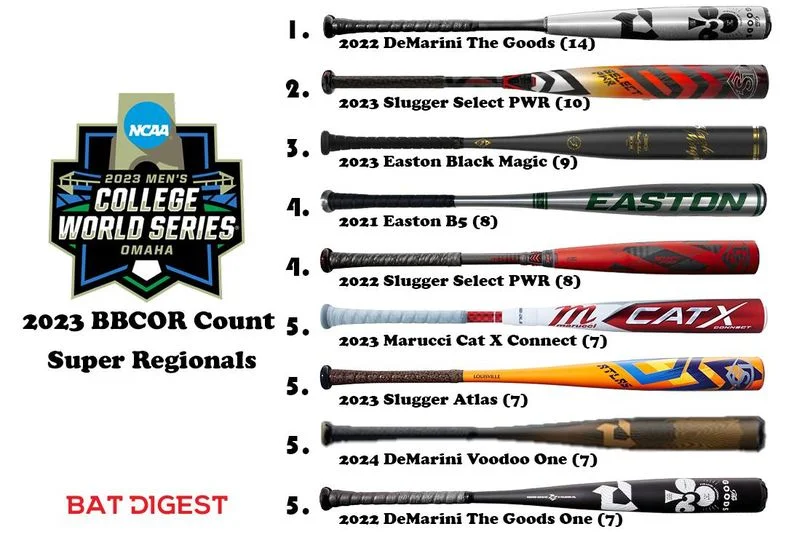
Bats need to meet BBCOR standards. BBCOR stands for Batted Ball Coefficient of Restitution. This ensures bats do not hit too hard.
- Metal bats must have a BBCOR rating of .50
- Bats cannot exceed 36 inches in length
- Barrel diameter cannot be more than 2 5/8 inches
Differences Between Divisions
Different college divisions have similar bat rules. But there are small differences in enforcement and usage.
Division I has stricter bat checks. Division II and III follow similar rules but may have less frequent checks.
- Division I: Regular bat inspections before games
- Division II: Follows NCAA standards, less frequent checks
- Division III: Similar to Division II, focus on safety
Performance Impact
College baseball often uses metal bats instead of wooden ones. Metal bats change how players hit and play the game.
This affects the speed of the ball and how much power players can use. It also raises safety questions.
Speed And Power Advantages
Metal bats are lighter than wooden bats. This lets players swing faster.
The ball also leaves the bat with more force. This helps players hit longer and harder.
- Faster bat speed means better timing on hits
- Metal bats have a larger sweet spot for hitting
- They can increase the ball’s exit speed
Safety Concerns
Because metal bats hit the ball faster, it can be more dangerous for players. Pitchers and fielders have less time to react.
There is also a risk of the bat breaking or denting, which can cause injuries. Rules limit bat design to improve safety.
- Faster balls can lead to more injuries
- Bats can dent or crack unexpectedly
- Regulations control bat materials and sizes

Credit: skazone.medium.com
Comparison With Wood Bats
College baseball mainly uses metal bats. These bats are lighter and allow faster swings. Wood bats are heavier and harder to swing quickly.
Metal bats also have a larger sweet spot. This helps players hit the ball better. Wood bats give more feedback but are less forgiving.
Usage In Professional Baseball
Professional baseball uses only wood bats. This rule applies in Major League Baseball and most other pro leagues. Wood bats are preferred for tradition and safety reasons.
- Wood bats provide consistent performance
- They reduce the chance of the ball flying too fast
- Players develop stronger hitting skills with wood
- Metal bats can cause more injuries due to higher ball speed
Transition Challenges For Players
Moving from metal to wood bats is hard for many players. Wood bats require more strength and control. Metal bat players often face adjustment problems.
| Challenge | Metal Bat | Wood Bat |
| Weight | Lighter | Heavier |
| Sweet Spot Size | Larger | Smaller |
| Ball Speed After Contact | Higher | Lower |
| Required Swing Strength | Less | More |
| Durability | Longer | Breaks Easily |
Future Of Bats In College Baseball
College baseball has used metal bats for many years. These bats help players hit the ball harder and farther. The future of bats in college baseball is changing. New rules and technology could shape what players use.
Coaches, players, and officials watch these changes closely. They want to keep the game safe and fair. The type of bats allowed will affect how college baseball grows.
Potential Rule Changes
College baseball leagues may change rules about metal bats soon. They want to balance power and safety. Some rules could limit bat speed or size. Others might require new testing for bats.
These rule changes aim to protect players and keep games fair. They may also make college baseball closer to professional baseball, which uses wood bats.
- Limit the speed of metal bats
- Set new standards for bat durability
- Require certification tests for all bats
- Encourage use of wood bats in some leagues
Innovations In Bat Technology
Bat makers create new designs to improve performance and safety. They use lighter materials and better shapes. These changes help players swing faster without losing control.
Some new bats reduce vibration to protect players’ hands. Others focus on consistent ball speed off the bat. Technology keeps evolving to meet college rules and player needs.
- Lighter metals for easier swinging
- Improved barrel designs for better hits
- Materials that reduce hand vibration
- Stronger but flexible bat frames

Credit: www.bannersontheparkway.com

Credit: www.bannersontheparkway.com
Frequently Asked Questions
Does College Baseball Allow Metal Bats?
Yes, college baseball primarily uses metal bats. The NCAA permits aluminum and composite bats for gameplay. Wooden bats are rare in college games.
Why Do College Players Prefer Metal Bats?
Metal bats are lighter, more durable, and offer greater swing speed. They provide better performance and power in college baseball compared to wood.
Are Metal Bats Safer Than Wooden Bats In College Baseball?
Metal bats have a larger sweet spot, reducing mishits. However, they can generate faster ball speeds, requiring better safety gear for players.
Do All College Baseball Leagues Use Metal Bats?
Most college leagues, including NCAA and NAIA, use metal bats. Some exceptions exist, but wood bats are uncommon at the college level.
Conclusion
College baseball mainly uses metal bats for better performance. These bats are lighter and stronger than wood. They help players hit the ball faster and farther. Metal bats also last longer, which saves money for teams. Some leagues still prefer wood bats for safety reasons.
Knowing the type of bat used helps fans understand the game better. Metal bats shape college baseball’s unique style and play. This choice makes college baseball different from professional baseball. It keeps the sport exciting and fast-paced for players and fans alike.