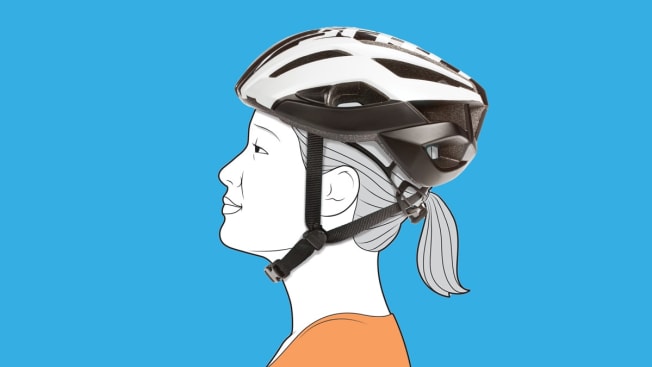
Your bike helmet is more than just a piece of gear—it’s your lifeline on every ride. But how do you know if it fits right?
A helmet that doesn’t fit properly can put you at risk, no matter how sturdy it looks. You might think it’s just about size, but the truth goes deeper. Getting the perfect fit means feeling comfortable, secure, and confident every time you hit the road or trail.
Keep reading to discover simple steps that ensure your helmet fits like it was made just for you—and why it matters more than you might realize.
Choosing The Right Helmet Size
Wearing a bike helmet that fits well is very important. A helmet that is too big or too small may not protect you properly.
Choosing the right helmet size helps keep you safe and comfortable while riding your bike.
Measuring Your Head Accurately
To find your helmet size, you must measure your head correctly. Use a soft tape measure or a string and a ruler.
Place the tape or string just above your eyebrows and ears. This is the widest part of your head. Write down the measurement in centimeters or inches.
- Use a flexible tape or string
- Measure around your head above eyebrows and ears
- Note the measurement carefully
Understanding Size Charts
Helmet brands have size charts to help you pick the right size. These charts match your head measurement to helmet sizes.
Check the chart before buying. Sizes may differ between brands, so always look at the chart for that helmet.
- Compare your head measurement to the chart
- Look for size ranges (small, medium, large)
- Choose the size that fits your measurement
Trying On Different Helmets
Try on helmets before buying if you can. Different helmets fit differently even in the same size.
Make sure the helmet feels snug but not too tight. It should sit level on your head and not move when you shake your head.
- Wear the helmet low on your forehead
- Adjust the straps to fit comfortably
- Check that the helmet does not slide or tilt

Credit: ibikesafe.org
Adjusting Helmet Fit
A properly fitting bike helmet is essential for safety. It should sit snugly on your head, not too tight or too loose.
Let’s explore how to adjust your helmet for the best fit. This includes positioning, securing the chin strap, adjusting side straps, and using retention systems.
Positioning The Helmet Correctly
The helmet should sit level on your head, covering the top of your forehead. The front edge should be about one inch above your eyebrows.
- The helmet should not tilt backward or forward.
- Check that the fit is snug and comfortable.
- Avoid any gaps between the helmet and your head.
Securing The Chin Strap
The chin strap keeps the helmet in place during a ride. Ensure it is fastened securely but not too tight.
- Buckle the chin strap under your chin.
- Adjust the strap to leave room for two fingers.
- Ensure the buckle is centered under your chin.
Adjusting Side Straps
The side straps should form a “V” shape under and slightly in front of your ears.
| Step | Description |
| 1 | Slide the adjuster up to form the “V” shape. |
| 2 | Ensure the straps are even on both sides. |
| 3 | Check that the “V” sits below your ears. |
Using Retention Systems
Many helmets have a retention system at the back for added stability. Adjust it to ensure a secure fit.
Checking Fit For Comfort And Safety
A bike helmet must fit well to protect your head properly. A good fit keeps the helmet stable and comfortable.
Checking the fit helps you avoid discomfort and increases safety while riding.
Ensuring A Snug Fit
The helmet should feel snug but not too tight. It should sit level on your head, covering your forehead without tilting.
- Place the helmet squarely on your head.
- Adjust the straps so they form a V shape under your ears.
- Use the dial or fit system to tighten the helmet.
- Make sure the helmet does not move side to side or front to back.
Avoiding Pressure Points
Pressure points cause pain and headaches. Check the helmet padding and straps for comfort.
| Pressure Area | How to Check | Solution |
| Forehead | Helmet feels tight | Loosen straps or try larger size |
| Top of Head | Pain after wearing | Adjust padding or reposition helmet |
| Behind Ears | Straps pinch skin | Reposition straps or add soft covers |
Testing Helmet Stability
Helmet stability keeps you safe in a crash. Test it by moving the helmet in different directions.
- Try to shake the helmet side to side.
- Move it up and down.
- If it shifts more than an inch, tighten the fit system.

Credit: riiroo.com
Common Fit Mistakes To Avoid
Wearing a bike helmet correctly keeps you safe during rides. Many people make simple mistakes that reduce protection.
Learn what to avoid to get the best fit and stay protected on every ride.
Wearing Helmet Too High Or Low
Placing your helmet too high leaves your forehead exposed. Wearing it too low blocks your vision and can be uncomfortable.
The helmet should sit level on your head. It must cover your forehead about one to two finger widths above your eyebrows.
- Helmet too high: less forehead protection
- Helmet too low: blocks view and feels tight
- Level helmet: best coverage and comfort
Loose Straps And Their Risks
Loose helmet straps can let your helmet move or fall off in a crash. Tight straps hold the helmet firmly in place.
Straps should be snug but not painful. You should be able to fit only one or two fingers between the strap and your chin.
- Loose straps: helmet may shift or come off
- Snug straps: keep helmet secure
- Check straps before every ride
Ignoring Helmet Wear And Tear
Old helmets or helmets with damage lose their ability to protect. Cracks, dents, or worn padding mean it is time to replace the helmet.
Inspect your helmet regularly for signs of wear. Replace it after any crash, even if no damage shows.
- Check for cracks or dents
- Look at the straps and padding condition
- Replace helmet after a crash
- Use helmets within the manufacturer’s lifespan
Special Considerations For Different Riders
Bike helmets must fit well to protect riders properly. Different riders have unique needs. Adjusting the helmet for each rider ensures safety and comfort.
Kids, riders who wear glasses, and those with long hair need special attention. Their helmets should fit to accommodate these factors without compromising protection.
Kids And Youth Helmets
Children’s helmets should fit snugly but not too tight. Their heads grow fast, so check fit often. Look for helmets with adjustable straps and sizing pads.
- Measure head circumference before buying
- Choose helmets with easy adjustment features
- Replace helmets after any impact
- Ensure the helmet sits level on the head
- Check that straps form a “V” below the ears
Adjusting For Glasses And Accessories
Riders who wear glasses need helmets that fit well with their frames. Some helmets have cutouts or extra space near the temples. This helps avoid pressure points and discomfort.
| Feature | Benefit |
| Temple cutouts | Allows glasses arms to fit comfortably |
| Adjustable straps | Secure fit without pressing glasses |
| Soft padding | Prevents irritation near ears and glasses |
Helmets For Long Hair
Long hair can change how a helmet fits. Hair should fit inside the helmet without causing it to sit too high. Some helmets offer extra room or hair-friendly designs.
Here are tips to fit helmets with long hair:
- Tie hair back or braid it to reduce bulk
- Use helmets with a deeper shell
- Adjust straps to keep the helmet stable
- Try different helmet models for best fit

Credit: www.safetyandhealthmagazine.com
Helmet Maintenance Tips
Keeping your bike helmet in good shape is important. A well-maintained helmet protects you better.
Simple care steps help your helmet last longer and stay safe to use.
Cleaning And Storing Properly
Clean your helmet regularly to remove dirt and sweat. Use mild soap and warm water only.
Avoid strong chemicals or solvents. These can damage the helmet’s materials.
- Use a soft cloth or sponge to clean
- Rinse with water and let air dry
- Do not use a dryer or direct sunlight
- Store in a cool, dry place away from heat
- Keep away from sharp objects or heavy items
When To Replace Your Helmet
Replace your helmet if it has been in a crash. Even small impacts can weaken it.
Check the helmet for cracks, dents, or broken straps. These signs mean it is unsafe.
- Replace every 3 to 5 years, even without damage
- Follow the manufacturer’s replacement advice
- Do not share helmets between riders
- Keep a record of purchase date and use
Frequently Asked Questions
How Tight Should A Bike Helmet Fit?
A bike helmet should fit snugly without causing discomfort. It should not move when you shake your head. Proper fit ensures maximum protection during impacts.
Where Should A Bike Helmet Sit On The Head?
The helmet should sit level on your head, covering the forehead. It should rest about one to two finger-widths above your eyebrows for optimal safety.
How Do You Adjust Bike Helmet Straps Correctly?
Straps should form a “V” shape under each ear. Tighten them so they are snug but allow you to open your mouth comfortably. This keeps the helmet secure.
When Should You Replace A Bike Helmet?
Replace your helmet after any crash or impact, even if no damage is visible. Also, replace it every 3-5 years due to material wear and tear.
Conclusion
A proper bike helmet fit keeps you safe on every ride. It should sit level and snug without pressure points. Straps must be tight enough to hold the helmet firmly. Check the fit each time before you ride. A helmet that fits well protects your head better.
Take time to adjust it right. Your safety depends on it. Stay safe and enjoy cycling with the right helmet fit.