Are you struggling to tie your fishing lure just right? A simple knot can make all the difference between landing a big catch or losing your prized lure in the water.
You want a knot that’s strong, secure, and easy to tie—especially when you’re out by the lake or river. In this guide, you’ll learn step-by-step how to tie a fishing lure that holds tight every time. By the end, you’ll feel confident and ready to catch more fish with less hassle.
Keep reading, and let’s make your next fishing trip a success!
Credit: www.youtube.com
Choosing The Right Lure
Choosing the right fishing lure is key to catching fish. The right lure attracts fish and matches their habits.
This guide helps you pick the best lure for your fishing trip. Learn about types, matching fish, size, and color.
Types Of Fishing Lures
Fishing lures come in many types. Each type works best in different water and fish conditions.
- Spinnerbaits: These spin and flash to attract fish.
- Crankbaits: They dive and wiggle like small fish.
- Soft Plastics: Flexible lures that look like worms or bugs.
- Jigs: Weighted hooks with a soft body, good for bottom fishing.
- Spoons: Curved metal lures that flash and wobble.
Matching Lures To Fish Species
Different fish prefer different lures. Match your lure to the fish you want to catch.
| Fish Species | Best Lure Type |
| Bass | Spinnerbaits, Crankbaits, Soft Plastics |
| Trout | Spoons, Small Crankbaits, Soft Plastics |
| Pike | Large Spinnerbaits, Jigs, Spoons |
| Walleye | Jigs, Soft Plastics |
| Perch | Small Crankbaits, Soft Plastics |
Selecting Lure Size And Color
Size and color affect how fish see your lure. Choose sizes that match local baitfish.
- Use small lures for small fish and clear water.
- Use larger lures for big fish or murky water.
- Bright colors work well in cloudy water or low light.
- Natural colors fit clear water and sunny days.
- Try matching the lure color to the type of baitfish nearby.
Essential Tools Needed
Tying a fishing lure requires the right tools and skills. With the proper tools, you can make this task easy and enjoyable.
In this guide, we will explore the tools you need and tips for tying fishing lures correctly.
Fishing Line Types
Choosing the right fishing line is crucial for successful fishing. Different lines serve different fishing conditions.
- Monofilament:Flexible and easy to handle, suitable for beginners.
- Braided:Strong and durable, ideal for heavy cover fishing.
- Fluorocarbon:Less visible in water, best for clear water conditions.
Additional Accessories
Beyond the fishing line, other accessories can enhance your fishing experience. These tools are essential for tying lures efficiently.
| Accessory | Purpose |
| Fishing Pliers | Helps in cutting lines and removing hooks. |
| Hook Sharpener | Keeps hooks sharp for better catch rates. |
| Knot Tying Tool | Makes knot tying easier and more secure. |
Preparing The Line
Preparing the fishing line is an important first step before tying a lure. It helps ensure your line is strong and ready to catch fish.
Taking time to prepare the line prevents problems and keeps your fishing smooth and safe.
Cutting The Line
Cut the fishing line using sharp scissors or a line cutter. A clean cut helps you tie a better knot.
Cut the line to the right length for your lure and fishing style. Avoid jagged edges on the cut line.
- Use sharp scissors or a line cutter
- Make a clean, straight cut
- Choose the proper length for your lure
- Trim any frayed ends before tying
Checking For Damage
Look closely at the line for any damage before tying your lure. Damaged spots can weaken the line and cause breaks.
Check for cuts, frays, or worn areas along the line. Replace the line if you find serious damage.
- Inspect the entire length of the line
- Look for cuts, nicks, or frayed spots
- Feel for weak or thin areas with your fingers
- Replace damaged line to avoid losing fish
Credit: medium.com
Popular Knot Techniques
Tying a fishing lure correctly helps keep it secure on your line. Using the right knot improves strength and reduces slipping.
Many anglers use simple knots that are strong and easy to tie. Below are three popular knots you can try.
Improved Clinch Knot
The Improved Clinch Knot is a common choice for attaching lures. It holds well and works with most fishing lines.
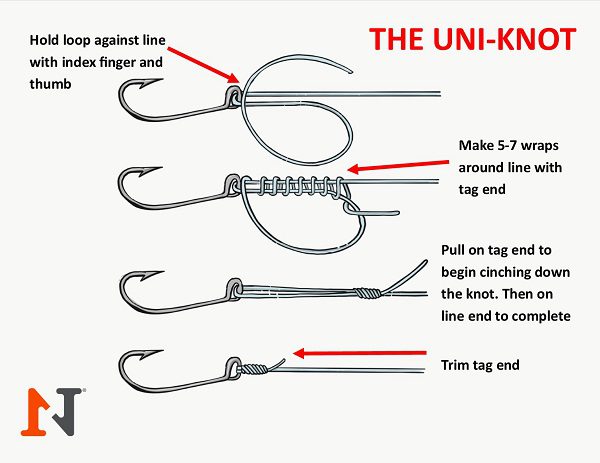
To tie this knot, thread the line through the lure eye, wrap it around 5-7 times, then pass it through the loop near the eye. Tighten slowly to avoid slipping.
- Pass line through lure eye
- Wrap line 5-7 times around standing line
- Thread end through the first loop
- Pass end through the big loop
- Pull tight and trim excess
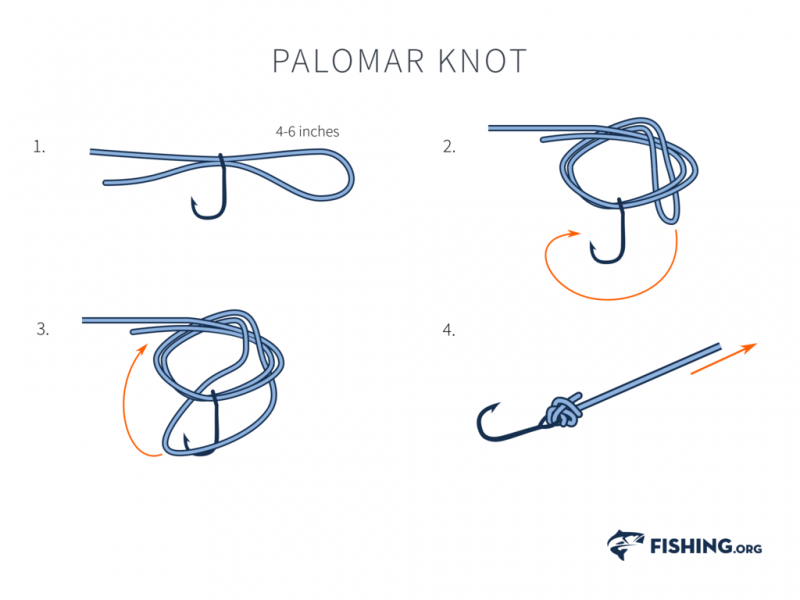
Palomar Knot
The Palomar Knot is strong and simple. It keeps the lure tied securely and is good for braided lines.
Double the line, pass it through the lure eye, then tie a loose overhand knot. Pass the lure through the loop and pull tight.
- Double about 6 inches of line
- Pass loop through lure eye
- Tie loose overhand knot
- Pass lure through the loop
- Pull line ends to tighten
Loop Knot
The Loop Knot gives the lure freedom to move naturally. It keeps the lure loose on the line.
Make a small loop in the line, then tie an overhand knot. Pass the lure through the loop and tighten carefully.
- Create a loop in the line
- Tie an overhand knot leaving loop open
- Pass the lure through the loop
- Pull knot tight, leaving a small loop
Step-by-step Knot Tying
Tying a fishing lure correctly helps keep it secure on your line. A good knot prevents losing fish and gear.
Follow these simple steps to tie your fishing lure safely and strongly.
Threading The Lure
Start by passing the end of your fishing line through the lure’s eye. Make sure the line goes all the way through.
Pull enough line so you can work comfortably to tie the knot.
Making The Loops
Take the loose end and wrap it around the main line to form small loops. Usually, five loops work well for strength.
Pass the end of the line back through the first loop you made near the lure’s eye.
- Wrap the end around the main line 5 times
- Thread the end through the first loop
- Hold loops tight but not too tight yet
Tightening The Knot
Wet the knot with water or saliva to reduce friction. Pull the loose end and the main line slowly to tighten the knot.
Make sure the knot tightens evenly and sits close to the lure’s eye.
Trimming The Excess Line
Use scissors or clippers to cut the extra line close to the knot. Leave a small bit so the knot does not slip.
Check the knot’s firmness before fishing to ensure it holds well.
Tips For Stronger Knots
Tying a fishing lure securely is important for a good catch. Strong knots help keep the lure attached even under pressure.
Use simple tricks to make your knots tighter and more reliable. These tips improve knot strength every time you fish.
Moistening The Knot
Before tightening the knot, wet the line with water or saliva. This reduces friction and heat when pulling the knot tight.
Moistening helps the line slide smoothly and prevents damage. It makes the knot stronger and less likely to break.
- Wet your fingers or the knot with water or saliva
- Pull the knot slowly to tighten it evenly
- Avoid pulling too fast to stop the line from weakening
Testing Knot Strength
After tying, test the knot by pulling on the line hard. This checks if the knot holds well before fishing.
If the knot slips or loosens, retie it. Testing saves you from losing your lure or fish later.
- Pull the lure and line firmly to test the knot
- Look for any slipping or movement in the knot
- Retie if the knot feels weak or loose
Common Mistakes To Avoid
Tying a fishing lure correctly is key to a good catch. Many anglers make simple errors that cause lost fish or broken lines. Learning what to avoid helps you fish better.
This guide covers three common mistakes to watch out for. Fixing these will make your knots stronger and your fishing more successful.
Using Wrong Knot
Choosing the wrong knot weakens your connection. Some knots slip or break under pressure. Use knots made for fishing lures, like the improved clinch or Palomar knot.
- Do not use knots meant for other purposes
- Practice tying knots until they are tight and neat
- Check knot strength before casting
Improper Tightening
Tightening a knot incorrectly can cause it to fail. If the knot is too loose, it will slip. If it is too tight too fast, the line can weaken or break.
| Common Tightening Mistakes | Effect |
|---|---|
| Pulling line too fast | Line weakens or breaks |
| Leaving slack in the knot | Knot slips or unties |
| Not wetting the line before tightening | Friction weakens line |
Always moisten the line with water or saliva before tightening. Pull the knot slowly and evenly to secure it without damage.
Ignoring Line Condition
Old or damaged line can cause knots to fail. Cuts, nicks, or sun damage weaken your line. Check your line often and replace it if needed.
- Look for frays or worn spots
- Replace line after several uses or long storage
- Avoid tying knots on brittle or stiff line
Maintaining Your Tied Lure
Keeping your fishing lure tied well is important for a good catch. Regular care helps avoid lost fish and broken lines.
Check your lure and line often. This keeps your gear strong and ready for fishing trips.
Regular Inspections
Look at your knot and lure before and after fishing. Look for any signs of wear or damage.
Check the knot tightness and the lure’s attachment point. Loose knots can cause your lure to fall off.
- Examine the line near the knot for frays or cuts
- Ensure the lure’s hook is sharp and not bent
- Test the knot by pulling gently to check security
- Remove any dirt or debris around the knot
Replacing Worn Lines
Change your fishing line if it shows signs of wear. Old lines can break easily and lose fish.
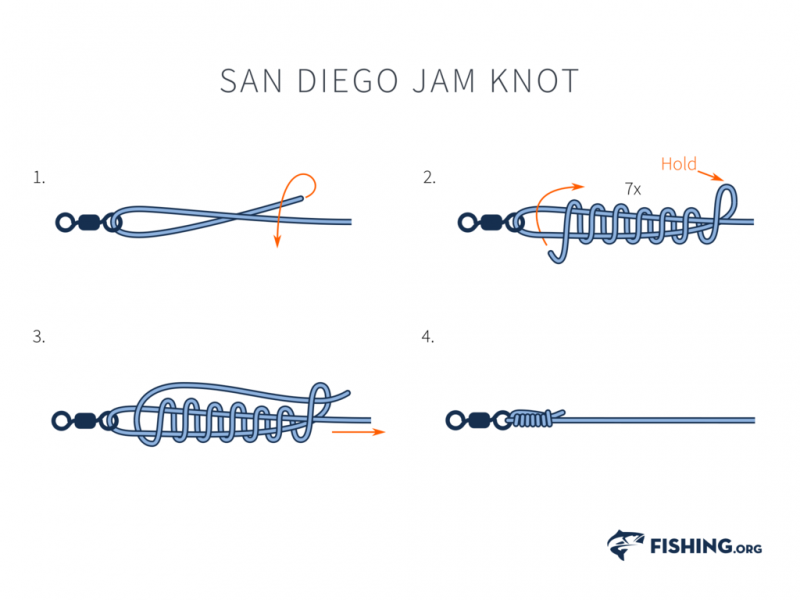
Cut off the worn part and retie the lure with fresh line. Use a strong knot to keep it secure.
- Look for cracks, frays, or discoloration on the line
- Replace the line if you notice any weak spots
- Use a knot like the improved clinch knot for tying
- Make sure the new knot is tight and trimmed neatly
Credit: medium.com
Frequently Asked Questions
How Do You Tie A Fishing Lure Securely?
To tie a fishing lure securely, use strong knots like the Improved Clinch or Palomar knot. Wet the line before tightening to prevent damage. Ensure the knot is tight and trim excess line for a neat finish. This keeps the lure firmly attached during fishing.
What Is The Best Knot For Fishing Lures?
The Palomar knot is the best for fishing lures. It’s strong, simple, and reliable under tension. It maintains line strength and is easy to tie even with braided lines. This knot ensures your lure stays attached and performs well in various fishing conditions.
Can I Use Any Fishing Line To Tie A Lure?
You can use most fishing lines like monofilament, fluorocarbon, or braided lines to tie a lure. However, choose a knot compatible with your line type. Each line has unique stretch and strength, so selecting the right knot improves lure security and fishing success.
How Tight Should I Tie A Fishing Lure Knot?
Tie your fishing lure knot firmly but avoid over-tightening. Wet the line before pulling the knot to reduce friction. Over-tightening can weaken the line or damage the knot. A snug knot ensures the lure stays attached without risking line breakage.
Conclusion
Tying a fishing lure is simple with the right steps. Practice makes your knots strong and secure. Strong knots keep your lure in place while fishing. Use the right knot for the type of lure you have. Always check your knot before casting.
A good knot helps catch more fish. Try these tips next time you fish. Enjoy your time on the water with confidence. Keep learning and improving your fishing skills every trip.