If you want to catch more fish and enjoy your time on the water, learning how to use lures is a game changer. Lures can attract fish in ways that natural bait sometimes can’t, making your fishing trips more exciting and successful.
You’ll discover simple tips and tricks to choose the right lure and use it effectively. By the end, you’ll feel confident and ready to reel in your next big catch. Keep reading—you won’t want to miss these easy steps that can transform your fishing experience.
Choosing The Right Lure
Picking the right fishing lure helps you catch more fish. Different lures work better for certain fish and conditions.
Knowing how to choose a lure makes your fishing trips more fun and successful.
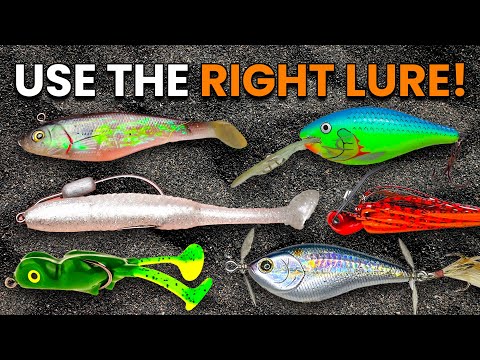
Types Of Fishing Lures
There are many types of fishing lures. Each type moves and looks different to attract fish.
- Spinnerbaits: They spin and flash to catch fish attention.
- Crankbaits: These dive and wobble like small fish.
- Soft Plastics: Made of soft material that feels real to fish.
- Jigs: Heavy heads with tails that move in water.
- Topwater Lures: Float on the surface and create splashes.
Matching Lures To Fish Species
Different fish prefer different lures. Matching the lure to the fish improves your catch chances.
- Bass like crankbaits and soft plastics.
- Trout often go for small spinners and flies.
- Pike prefer big, flashy spinnerbaits.
- Walleye respond well to jigs and live bait lures.
- Salmon are attracted to spoons and plugs.
Considering Water Conditions
Water clarity and depth affect lure choice. Bright lures work well in clear water.
Darker or murky water calls for lures that create vibration or noise.
- Clear water: Use natural colors and small lures.
- Murky water: Use bright colors or lures with sound.
- Deep water: Use heavy lures that sink fast.
- Shallow water: Use light lures that float or move slowly.

Credit: www.youtube.com
Techniques For Using Lures
Lure fishing is an exciting way to catch fish. It involves various techniques that can improve your success.
Understanding different methods will help you attract more fish and enjoy your time on the water.
Casting Methods
Casting is the first step in using lures. It requires precision and practice to place the lure where fish are likely to bite.
- Overhead Cast: Useful for distance and accuracy.
- Sidearm Cast: Good for casting under obstacles like trees.
- Roll Cast: Effective in tight spaces with limited backcasting room.
Retrieval Styles
Retrieval is how you bring the lure back to you. Different styles can mimic the movement of prey, attracting fish.
- Steady Retrieve:Maintain a constant speed. Great for beginners.
- Stop and Go:Alternate between reeling and pausing. Mimics injured prey.
- Slow Roll:Reel slowly, letting the lure swim deeper. Ideal for deeper waters.
Twitching And Jerking Movements
Twitching and jerking add movement to the lure, making it appear lively. These techniques can trigger strikes from predatory fish.
| Movement | Effect |
| Twitching | Quick, small rod movements. Imitates small fish or insects. |
| Jerking | Sharp, larger rod movements. Mimics a fleeing prey. |
| Popping | Loud surface disturbance. Attracts attention from afar. |
Timing And Location
Using lures for fishing needs attention to timing and location. Choosing the right moments and places helps catch more fish.
Fish react differently to lures depending on time and where they live. Learning these details improves your fishing success.
Best Times To Fish With Lures
Fish are more active at certain times of the day. Early morning and late evening are usually best for using lures.
Fish feed more when the water temperature suits them. Overcast days can also increase fish activity near the surface.
- Dawn and dusk offer low light for better lure visibility
- Warm water days can increase fish movement
- Cloudy skies help fish feel safer near the surface
- After rain, fish may be more active in shallow areas
Spotting Fish Habitats
Finding where fish live is key to using lures well. Look for places with food and shelter for fish.
Fish often gather near rocks, weeds, and drop-offs. These spots give them protection and food sources.
- Check shallow waters with plants for small fish
- Look around underwater structures like logs or rocks
- Deeper areas can hold bigger fish during hot weather
- Flowing water edges attract fish searching for food
Adapting To Weather Changes
Weather affects fish behavior and lure effectiveness. Adjust your fishing approach based on weather conditions.
Wind can change where fish hide. Rain can make them less active or push them to new spots.
- On windy days, fish may stay in calmer water areas
- After rain, try fishing near river mouths or creek entrances
- Bright sun can make fish avoid shallow, bright areas
- Cool weather may slow fish; use slower lure movements
Maintenance And Care
Taking care of your fishing lures helps them last longer and work better. Proper maintenance keeps the colors bright and hooks sharp.
Regular cleaning, smart storage, and fixing small damages can save you money and improve your fishing experience.
Cleaning Your Lures
Clean lures after each fishing trip to remove dirt and fish slime. This stops rust and keeps lures looking new.
Use warm water and mild soap to wash your lures. Rinse them well and dry with a soft cloth.
- Avoid harsh chemicals that can damage the lure’s finish
- Use a soft brush to clean small crevices
- Remove any weeds or hooks stuck in the lure
Storing For Longevity
Store lures in a dry place to stop rust and mold. Use tackle boxes with separate compartments to avoid tangling hooks.
Keep lures out of direct sunlight. Sunlight can fade colors and weaken the material over time.
- Use plastic or foam inserts to keep lures secure
- Check stored lures regularly for signs of damage
- Keep metal hooks dry to prevent corrosion
Repairing Damaged Lures
Fix lures quickly to keep them useful. Replace bent or dull hooks with new ones to keep strong catches.
Touch up scratches and chips with paint made for plastic or wood lures. Use glue for loose parts or cracks.
- Sharpen dull hooks with a hook file
- Use split ring pliers to replace broken rings
- Seal paint chips with waterproof coatings
Common Mistakes To Avoid
Using lures for fishing is fun but can be tricky. Many anglers make simple mistakes that reduce their catch.
Knowing what to avoid helps improve your fishing success. Focus on these common errors to get better results.
Using The Wrong Lure Size
Choosing a lure that is too big or too small can scare fish away. Fish often prefer lures that look like their natural prey.
Use smaller lures for small fish and larger lures for big fish. Match your lure size to the fish you want to catch.
- Small lure: attracts smaller fish
- Medium lure: works for many fish types
- Large lure: best for big fish species
Ignoring Water Clarity
Water clarity changes how fish see your lure. Clear water needs natural colors, while murky water calls for bright or flashy lures.
Adjust your lure color based on the water. This helps fish notice your lure and increases your chances of a bite.
- Clear water: use natural, light colors
- Cloudy water: use bright or dark colors
- Stained water: use lures with shine or flash
Overlooking Retrieval Speed
The speed you pull your lure affects fish interest. Too fast or too slow can make fish ignore it.
Change your retrieval speed to find what works best. Slow pulls work in cold water, faster pulls work in warm water.
- Slow retrieval: good for cold water or lazy fish
- Medium retrieval: works in most conditions
- Fast retrieval: attracts active fish in warm water

Credit: www.lurenet.com
Advanced Tips For Success
Using lures for fishing can be more effective with some advanced techniques. These tips help you catch more fish by improving your lure use.
Understanding how to customize lures, use electronics, and read fish behavior can increase your success on the water.
Customizing Lures
Changing your lure can attract more fish. You can adjust size, color, and action to fit the water and fish type.
Adding scent or changing hooks can make your lure more appealing and harder for fish to escape.
- Trim skirts or feathers to change movement
- Use paint or markers to add colors
- Attach split rings to change lure action
- Add scent attractants to lures
- Upgrade hooks for better hooking power
Using Electronics With Lures
Electronics like fish finders help locate fish before casting lures. This saves time and finds better spots.
Some anglers use electronic lure controllers to change lure speed and depth. This mimics natural prey and attracts fish.
- Use fish finders to spot fish schools
- Check water depth and structure with electronics
- Control lure speed using electronic reels
- Adjust lure depth to match fish location
Reading Fish Behavior
Watching fish behavior helps you choose the right lure and technique. Look for signs of feeding or movement.
Fish often react to water temperature, light, and current. Adjust your lure use based on these conditions.
- Observe fish feeding patterns
- Notice water temperature changes
- Watch for surface activity or splashes
- Adapt lure speed to fish movement

Credit: www.gameandfishmag.com
Frequently Asked Questions
What Types Of Lures Work Best For Freshwater Fishing?
Soft plastics, crankbaits, and spinnerbaits are top freshwater lures. They mimic natural prey and attract bass, trout, and pike effectively. Choose lure type based on target species and water conditions for best results.
How Do I Choose The Right Lure Color?
Select lure colors based on water clarity and light. Bright colors work well in murky water, while natural tones suit clear water. Matching the hatch, or local baitfish colors, increases lure effectiveness.
When Is The Best Time To Use Fishing Lures?
Early morning and late evening are prime times for lure fishing. Fish are more active in low light. Also, overcast days can improve lure success by reducing fish visibility.
How Should I Retrieve Lures To Attract Fish?
Vary your lure retrieval speed and style. Use steady, stop-and-go, or twitching retrieves to imitate injured prey. Experiment to discover what triggers strikes in your fishing spot.
Conclusion
Using the right lure can make fishing more fun and successful. Choose lures that match the fish you want to catch. Try different colors and shapes to see what works best. Cast your lure with care and watch how fish react.
Practice often to improve your skills. Fishing with lures brings excitement and patience together. Enjoy the calm moments and the thrill of a catch. Keep learning and experimenting to find your favorite lure. Fishing is about trying, waiting, and enjoying nature’s calm.
Happy fishing!