Are you tired of losing your favorite fishing lures just because of weak knots? Knowing how to tie fishing lures properly can make all the difference between a successful catch and a frustrating day by the water.
In this guide, you’ll discover simple, step-by-step techniques to secure your lures so they stay put, no matter how hard the fish fight. Whether you’re a beginner or looking to improve your skills, mastering these knots will boost your confidence and increase your chances of landing the big one.
Keep reading, and you’ll never worry about your lure coming loose again.
Credit: www.youtube.com
Choosing The Right Knot
Tying fishing lures securely needs the right knot. The knot keeps your lure attached during casting and fish fights.
Picking a knot depends on your fishing line, lure type, and strength needs. A good knot helps catch more fish.
Types Of Fishing Knots
There are many knots for fishing lures. Each knot works best with certain lines and lures.
Common knots include the Improved Clinch, Palomar, and Loop Knot. Each has its own use.
- Improved Clinch Knot:Strong and easy to tie. Good for most lines.
- Palomar Knot:Very strong and simple. Great for braided lines.
- Loop Knot:Allows lure to move freely. Best for soft plastic lures.
Matching Knots To Lures
Choose knots that fit your lure type. Hard lures need tight knots. Soft lures need knots that let them move.
Loops let lures swim naturally. Tight knots keep heavy lures secure. Match knot style with lure action.
- Use loop knots for soft baits and swimbaits.
- Use improved clinch for hard baits and spoons.
- Use palomar knots for braided line and heavy lures.
Knot Strength And Durability
Knot strength is key to avoid losing fish. A strong knot holds tight under pressure.
Durability means the knot keeps its strength after many casts and water exposure.
| Knot | Strength | Durability |
|---|---|---|
| Improved Clinch | Good | Good |
| Palomar | Excellent | Excellent |
| Loop Knot | Moderate | Good |
Preparing Your Line And Lure
Preparing your fishing line and lure properly helps you catch more fish. It also keeps your gear in good shape. This guide covers key steps to get ready.
Start by trimming your line, checking its condition, and choosing the right place to attach your lure. Each step is important for a secure setup.
Trimming The Line
Cutting your fishing line cleanly is essential. A neat end makes tying knots easier and stronger. Use sharp scissors or line cutters for best results.
- Cut off any frayed or damaged part of the line
- Leave enough length to tie your knot without struggle
- Trim the line end close to the knot after tying
Checking Line Condition
Inspect your fishing line before attaching the lure. Damaged or weak line can break easily and cause lost fish.
| Check Point | What to Look For |
| Line Color | Faded or discolored spots |
| Texture | Rough or brittle areas |
| Stretch | Less elasticity than usual |
| Knots | Old or weakened knots |
Selecting The Lure Attachment Point
Where you attach the lure affects its action and strength. Choose the spot that keeps the lure secure and moves naturally in water.
Use these tips to pick the right attachment point:
- Attach near the lure’s eyelet for best control.
- Check that the knot will not slip or come loose.
- Consider the lure type; some need special knots or snaps.
Step-by-step Knot Tying
Tying fishing lures securely is essential for a successful fishing trip. Knowing the right knots ensures your lure stays attached to the line.
Here, we will explore some of the most reliable fishing knots you can use. These knots are simple, yet effective for anglers of all levels.
Improved Clinch Knot
The Improved Clinch Knot is a popular choice for securing your lure. It is known for its strength and reliability.
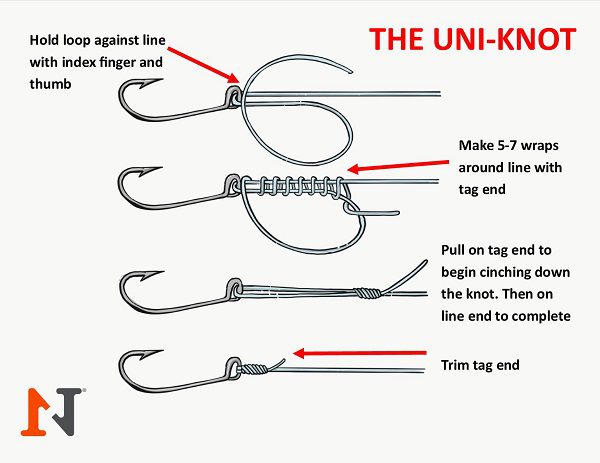
- Thread the line through the eye of the hook.
- Make five to seven wraps around the line.
- Pass the end of the line through the first loop.
- Bring it back through the big loop.
- Tighten the knot by pulling both ends.
Palomar Knot
The Palomar Knot is another strong knot, ideal for braided lines. It’s simple and quick to tie, making it a favorite among anglers.
- Double about six inches of line and pass it through the eye of the hook.
- Tie a loose overhand knot with the doubled line.
- Pass the loop over the hook.
- Pull on both the standing line and the tag end to tighten.
Loop Knot
The Loop Knot is perfect for lures that need more freedom of movement. It allows the lure to move naturally in the water.
| Action | Result |
| Create a small loop at the line’s end | Foundation for the knot |
| Pass the line through the lure’s eye | Prepares for the loop |
| Wrap the line around itself | Secures the loop |
| Bring the line back through the small loop | Completes the knot |
Tips For Tying Strong Knots
Tying strong knots is key to keeping your fishing lure secure. A weak knot can cause you to lose fish or tackle.
Using the right technique helps your knot hold tight and last longer. These tips will improve your knot strength.
Maintaining Line Tension
Keep the fishing line tight while tying your knot. This stops the knot from slipping or loosening.
Use your fingers to hold steady tension. Avoid pulling too fast or too slow to keep the knot even.
- Hold the line firmly between your thumb and forefinger
- Pull the tag end and main line evenly
- Keep tension steady during each wrap and loop
Moistening The Knot
Wet the knot before tightening it fully. Moisture reduces heat and friction that can weaken the line.
Use water or saliva to moisten the knot. This helps the knot slide smoothly and hold better once tight.
- Dip the knot in water or lick it lightly
- Moistening protects the line from damage
- Tighten the knot slowly after wetting
Testing Knot Strength
Check your knot strength before fishing. Pull hard on the line to see if the knot slips or breaks.
Test knots several times to be sure. Replace or retie knots that feel weak or loose.
- Pull the line firmly to test knot grip
- Look for any movement or slipping
- Retie knots that do not hold well
Common Mistakes To Avoid
Tying fishing lures correctly improves your chances of catching fish. Mistakes can make your lure fall off or look unnatural. Avoid these common errors to fish better.
Focus on how you tie knots and handle your line. Small errors can cause big problems in your fishing success.
Overtightening
Pulling the knot too tight can damage the fishing line or weaken it. This makes the line more likely to break when you catch a fish.
- Pull the knot firmly but gently.
- Wet the line before tightening to reduce friction.
- Stop tightening as soon as the knot looks secure.
- Avoid using excessive force that can cut the line.
Skipping Steps
Skipping steps in knot tying can cause loose or weak knots. Each step has a purpose to keep the lure attached and strong.
| Step | Why It Matters |
|---|---|
| Wrapping the line around itself | Keeps the knot tight and stable |
| Passing the tag end through loops | Secures the knot to prevent slipping |
| Pulling slowly to tighten | Prevents damage and sets the knot well |
Using The Wrong Knot
Different knots work best for different types of lures and lines. Using the wrong knot can reduce strength or cause the lure to spin unnaturally.
Common knots and their uses:
- Improved Clinch Knot:Best for most lures and monofilament line.
- Palomar Knot:Strong and simple for braided lines.
- Loop Knot:Allows lure to move freely in water.
Choose knots that match your line and lure type for best results.

Credit: www.youtube.com
Maintaining Knots For Longevity
Tying fishing lures is just the start. Keeping your knots strong helps you catch more fish. Proper care makes your knots last longer and safer.
Small checks and good habits keep your knots from slipping or breaking. Use simple steps to keep your fishing gear ready.
Regular Knot Inspection
Check your knots often. Look for signs like fraying, loosening, or damage. Catching problems early stops bigger issues on the water.
- Look for worn or thin spots in the line near the knot
- Test the knot by pulling gently to feel for slipping
- Check knots after every fishing trip or big catch
- Replace knots if you see any damage or weakness
Re-tying After Use
Retie your knots after each fishing session. Water, dirt, and fish pulls weaken knots over time. Fresh knots stay tight and strong.
| Reason | Effect |
| Water exposure | Softens line and knot fibers |
| Dirt and debris | Causes abrasion and wear |
| Fish tension | Stretches and loosens knots |
| Repeated use | Leads to knot failure |
Storage Tips
Store your fishing lures and lines properly. Avoid knots rubbing against sharp edges or tight spaces. Good storage keeps knots neat and secure.
- Use a tackle box with compartments to separate lures
- Keep lines dry before storage to prevent weakening
- Do not store lures with knots under tension
- Check knots before storage and retie if needed

Credit: www.youtube.com
Frequently Asked Questions
How Do I Tie A Fishing Lure Securely?
To tie a fishing lure securely, use strong knots like the Improved Clinch or Palomar knot. Wet the line before tightening to prevent friction damage. Ensure the knot is tight and trim excess line for best results.
What Knot Works Best For Fishing Lures?
The Palomar knot is best for fishing lures. It is strong, simple, and maintains line strength. This knot works well with braided and monofilament lines, making it a favorite among anglers.
Can I Tie Fishing Lures With Braided Line?
Yes, you can tie fishing lures with braided line. Use knots like the Palomar or Double Uni knot for better grip. These knots handle braided line’s slippery nature and provide reliable strength.
How Do I Prevent Lure Slipping On The Line?
To prevent lure slipping, use knots designed for secure grips like the Palomar. Wet the line before tightening the knot to reduce friction and ensure it holds firmly on the lure eye.
Conclusion
Tying fishing lures is easier than it seems. Practice each knot slowly and carefully. Use the right knot for your lure type. Strong knots keep your lure secure during fishing. Don’t rush—patience improves your skill and success. Try different knots to see what works best.
Keep your line tight and trim extra ends. Soon, tying lures will feel natural and quick. Enjoy your time on the water with confidence. Fishing becomes more fun with good lure knots. Keep practicing, and you’ll catch more fish.