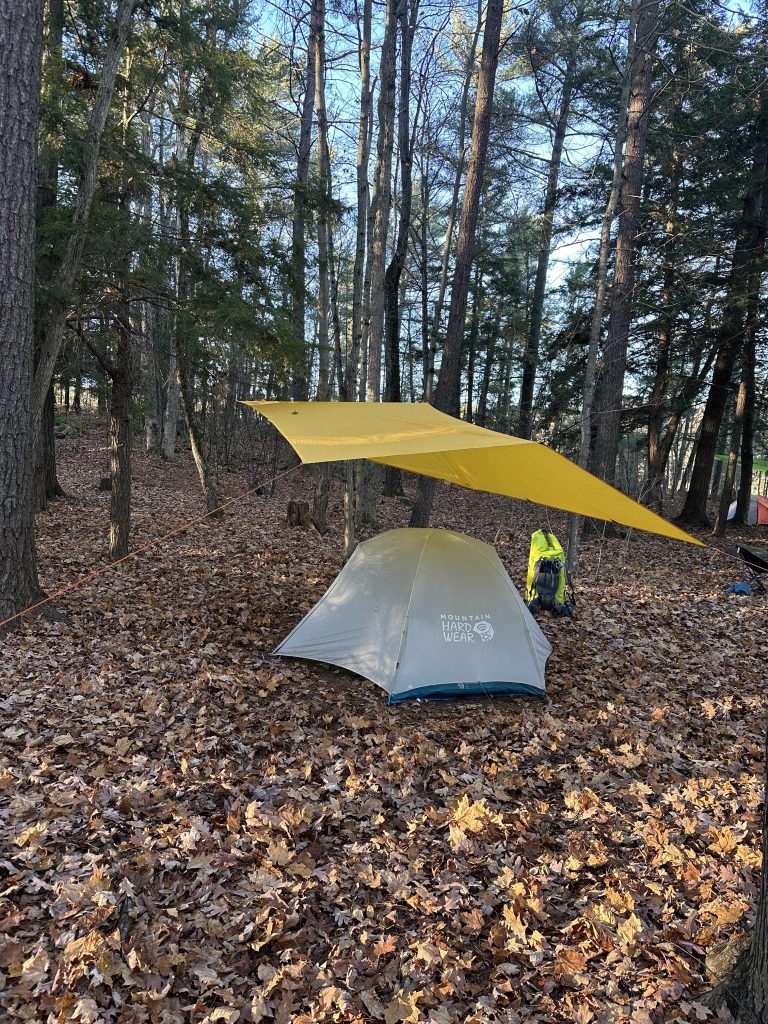
Are you planning your next camping trip and wondering if you really need a tarp under your tent? It might seem like an extra step that you can skip, but using a tarp can make a huge difference in your camping experience.
Imagine waking up to a dry, clean tent floor instead of dealing with dampness, dirt, or even holes. You’ll discover why a tarp could be your best camping companion, how it protects your tent, and tips to choose the right one.
Keep reading to find out if adding a tarp to your gear list is worth it.
Purpose Of A Tent Tarp
A tent tarp is a useful camping accessory. It adds protection and comfort to your tent setup. Understanding its purpose helps you decide if you need one for your next trip.
Using a tarp can extend your tent’s life and improve your camping experience. It acts as an extra layer between your tent and the ground.
Protecting Tent Floor
A tarp shields the bottom of your tent from sharp rocks, sticks, and dirt. This helps prevent tears and holes in the tent floor. It also keeps the floor clean and dry.
- Prevents damage from rough ground
- Keeps dirt and mud off the tent floor
- Extends the life of the tent fabric
- Makes cleaning easier after camping
Adding Extra Insulation
A tarp under your tent can add insulation from cold or hot ground. It forms a barrier that helps keep your sleeping area warmer in cold weather. In hot weather, it can reduce heat from the sun-warmed ground.
| Benefit | How It Helps |
|---|---|
| Cold Weather | Blocks cold air from ground, retains warmth |
| Hot Weather | Reduces heat transfer from sun-heated ground |
| Comfort | Makes the tent floor softer and more comfortable |
Shielding From Moisture
A tarp stops moisture from seeping up into your tent. Wet ground can make the inside of your tent damp and uncomfortable. A tarp helps keep water out during rain or dew.
- Choose a tarp slightly smaller than your tent floor
- Secure edges to prevent water pooling
- Use waterproof tarp material
- Check tarp for holes before camping

Credit: www.reddit.com
Types Of Tarps For Camping
Camping is a fun way to connect with nature. Choosing the right tarp for your tent is important. A tarp can protect your tent from moisture and dirt.
Different tarps are available for campers. They vary in material, weight, and durability. Let’s explore some popular types.
Polyethylene Tarps
Polyethylene tarps are common among campers. They are waterproof and affordable. These tarps offer great protection against rain.
- Durable and strong
- Available in various sizes
- Easy to clean and maintain
Silicone-coated Tarps
Silicone-coated tarps are lightweight. They are perfect for backpacking trips. These tarps offer excellent water resistance and pack small.
Silicone tarps are often used for:
- Ultralight camping
- Hiking adventures
- Long-distance treks
Tyvek Sheets
Tyvek sheets are lightweight and strong. They are breathable and water-resistant. Tyvek is a popular choice for minimalist campers.
| Feature | Benefit |
| Lightweight | Easy to carry |
| Breathable | Reduces condensation |
| Water-resistant | Protects against moisture |
When To Use A Tarp
A tarp under your tent adds protection and comfort. It acts as a barrier between the ground and your tent floor.
Knowing when to use a tarp helps you camp safer and stay dry. Here are three situations to consider.
Camping On Rough Terrain
Rough terrain can damage your tent floor. Rocks, sticks, and roots can cause tears or holes.
- Place a tarp to protect your tent floor from sharp objects.
- Use a tarp to create a smooth surface for better comfort.
- The tarp helps keep dirt and debris away from your tent.
Wet Or Rainy Conditions
A tarp keeps water from soaking your tent floor during rain. It helps prevent leaks and dampness inside.
| Benefit | How a Tarp Helps |
|---|---|
| Water Protection | Blocks moisture from seeping through the ground |
| Dry Tent Floor | Keeps tent base dry for comfort and warmth |
| Improved Tent Life | Prevents damage caused by constant wetness |
Extended Camping Trips
Long trips mean more wear on your tent. A tarp adds an extra layer of defense to keep your tent strong.
Here are three reasons to use a tarp on long trips:
- Protects tent floor from dirt and damage over time.
- Makes cleaning easier when you pack up camp.
- Can be reused for shelter or ground cover elsewhere.
How To Choose The Right Tarp
Choosing the right tarp for under your tent can protect the tent floor. It keeps moisture and dirt away. A good tarp also adds comfort and extends your tent’s life.
Focus on size, material, and weight. These factors help you pick the best tarp for your outdoor needs.
Size And Fit
Pick a tarp that matches your tent size. Too small leaves parts of the tent floor unprotected. Too large tarp can collect water and cause damage.
- Measure your tent’s floor before buying
- Choose a tarp slightly smaller than the tent floor
- Ensure the tarp edges do not extend beyond the tent
Material Durability
Look for strong, weather-resistant materials. Durable tarps stand up to rough ground and rain. Common materials include polyethylene, nylon, and polyester.
| Material | Durability | Water Resistance |
|---|---|---|
| Polyethylene | High | Excellent |
| Nylon | Medium | Good |
| Polyester | High | Good |
Weight And Packability
Choose a tarp that is light and easy to carry. Lightweight tarps are better for hiking and backpacking. Packability means it folds small for easy storage.
- Look for tarps with lightweight fabrics
- Check if the tarp packs into a small bag
- Consider your travel style and space
Setting Up A Tarp Under Your Tent
Using a tarp under your tent helps protect the tent floor. It adds an extra layer to keep moisture and dirt away.
Setting the tarp correctly can improve your camping comfort. It also helps keep your tent clean and dry.
Proper Placement
Place the tarp flat on the ground before setting up the tent. Make sure it covers the entire area under the tent floor.
Keep the tarp edges inside the tent edges. This prevents water from collecting between the tarp and tent walls.
Securing Corners
Secure each corner of the tarp with stakes or rocks. This stops the tarp from moving or bunching up under the tent.
Tight corners keep the tarp smooth. A smooth tarp means less wear on your tent floor and better protection.
- Use tent stakes to pin down tarp corners
- Place heavy rocks if stakes are not available
- Check tarp tension before setting up the tent
Avoiding Water Puddles
Make sure the tarp does not extend past the tent edges. Extra tarp can catch rain and cause water to pool.
Set up your tent and tarp on higher ground or a slight slope. This helps water drain away from your sleeping area.
- Trim tarp edges to fit under the tent
- Choose a dry, level spot with good drainage
- Check for dips where water can collect

Credit: www.reddit.com
Benefits Of Using A Tarp
Using a tarp under your tent is a smart camping tip. It adds extra protection and comfort during your trip.
A tarp acts like a barrier between the ground and your tent. This simple addition can make a big difference.
Extending Tent Lifespan
A tarp protects the bottom of your tent from wear and tear. It stops rough ground from causing holes or tears.
By keeping dirt and moisture away, a tarp helps your tent last longer. This means you spend less on repairs or replacements.
Improving Comfort
The tarp adds an extra layer between you and the cold, hard ground. This makes sleeping more comfortable.
It also helps keep your tent floor dry. This keeps your gear and feet dry, improving your camping experience.
Preventing Damage
A tarp stops water from seeping into your tent from the ground. It protects against rain and muddy conditions.
It can also shield the tent from sharp rocks and sticks. This reduces the risk of punctures and damage.
Common Mistakes To Avoid
Using a tarp under your tent can protect you from moisture and dirt. Many campers make mistakes that reduce the tarp’s usefulness.
Learning what to avoid helps you camp more comfortably and keep your tent in good shape.
Using Too Large A Tarp
Choosing a tarp that is too big can cause problems. A tarp that extends far beyond the tent can collect water under the tent.
This water can seep inside the tent, making the floor wet and uncomfortable.
- Use a tarp slightly smaller than your tent floor size.
- Keep tarp edges tucked under the tent to avoid water pooling.
- A smaller tarp reduces dirt and moisture buildup.
Ignoring Drainage
Placing a tarp without checking ground drainage is a common error. Water can flow under the tarp and collect beneath your tent.
Pick a flat spot with good drainage before setting up your tarp and tent.
- Avoid low areas where water pools after rain.
- Clear rocks and sticks that block water flow.
- Dig small channels if needed to direct water away.
Skipping The Tarp Altogether
Some campers skip using a tarp under the tent. This can lead to a wet, dirty tent floor and damage over time.
A tarp acts as a barrier from moisture and sharp objects. It helps keep your tent dry and lasts longer.
- Protect your tent floor from punctures.
- Keep moisture from soaking through the ground.
- Make cleaning easier after camping.

Credit: www.reddit.com
Frequently Asked Questions
Do You Really Need A Tarp Under Your Tent?
Using a tarp under your tent protects the floor from moisture, dirt, and damage. It adds an extra layer of insulation and extends your tent’s lifespan. While not always mandatory, it’s highly recommended for most camping situations.
What Type Of Tarp Is Best For Tent Protection?
A lightweight, waterproof, and durable tarp made from polyethylene or nylon is ideal. It should be slightly smaller than the tent’s footprint to prevent water pooling. This ensures effective protection without interfering with tent ventilation.
Can A Tarp Improve Tent Insulation And Comfort?
Yes, a tarp adds an insulating barrier between the tent floor and cold ground. It helps retain heat inside the tent and keeps moisture out. This creates a warmer and more comfortable camping experience.
How Does A Tarp Prevent Tent Floor Damage?
The tarp acts as a shield against sharp rocks, sticks, and rough surfaces. It reduces wear and tear caused by friction and pressure. This protection helps maintain the tent floor’s integrity over time.
Conclusion
A tarp under your tent offers extra protection and comfort. It keeps moisture and dirt away from your tent floor. This helps your tent last longer and stay clean. It also adds a layer of insulation from cold or rough ground.
Using a tarp is an easy way to improve your camping experience. Think of it as a simple step that makes a big difference. Choose a tarp that fits your tent size and camping needs. Small effort, big benefits. Camping made better.