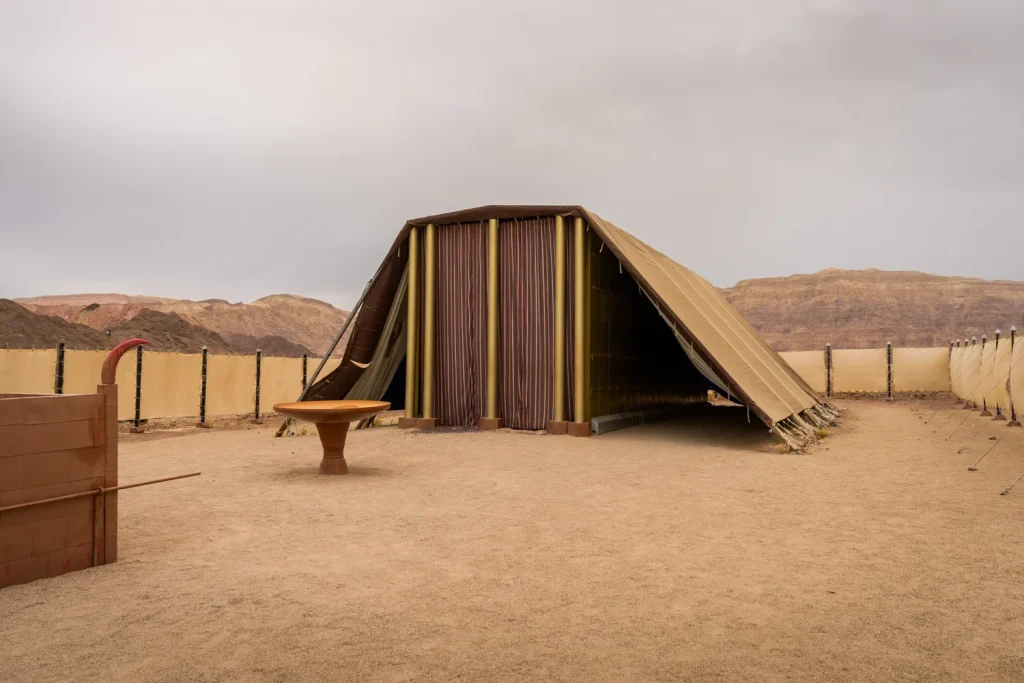
Have you ever wondered what the Tent of Meeting really was and why it mattered so much? This special place wasn’t just a simple tent—it held deep meaning and purpose for those who used it.
Understanding the Tent of Meeting can change the way you see ancient stories and their impact on faith and history. If you want to uncover the secrets behind this unique structure and discover what it meant to the people who gathered there, keep reading.
Your curiosity about this fascinating topic is about to be rewarded.
Origins Of The Tent Of Meeting
The Tent of Meeting was a special place for the Israelites to meet God. It was a movable sanctuary used during their journey in the wilderness.
This tent served as a sacred space where Moses spoke with God and received instructions for the people.
Biblical Background
The Tent of Meeting is first mentioned in the book of Exodus. God told Moses to build it after the Israelites left Egypt.
It was the place where God’s presence rested, showing His guidance and care for the people.
- The tent housed the Ark of the Covenant.
- Moses met God there to receive laws.
- It was central to Israelite worship in the wilderness.
Construction And Materials
God gave Moses detailed instructions on how to build the Tent of Meeting. The design was specific and important.
The tent used fine materials that showed respect and honor for God’s presence.
- Frames made of acacia wood covered with gold.
- Curtains woven with blue, purple, and scarlet yarn.
- Goat hair was used for the outer covering.
- Ram skins dyed red and fine leather covered the top.
- All parts were designed to be portable.

Credit: medium.com
Design And Structure
The Tent of Meeting was a sacred place for the Israelites. It was a portable sanctuary used during their journey through the desert.
Its design and structure were specified in great detail. These instructions were meant to ensure its sanctity and functionality.
Layout And Dimensions
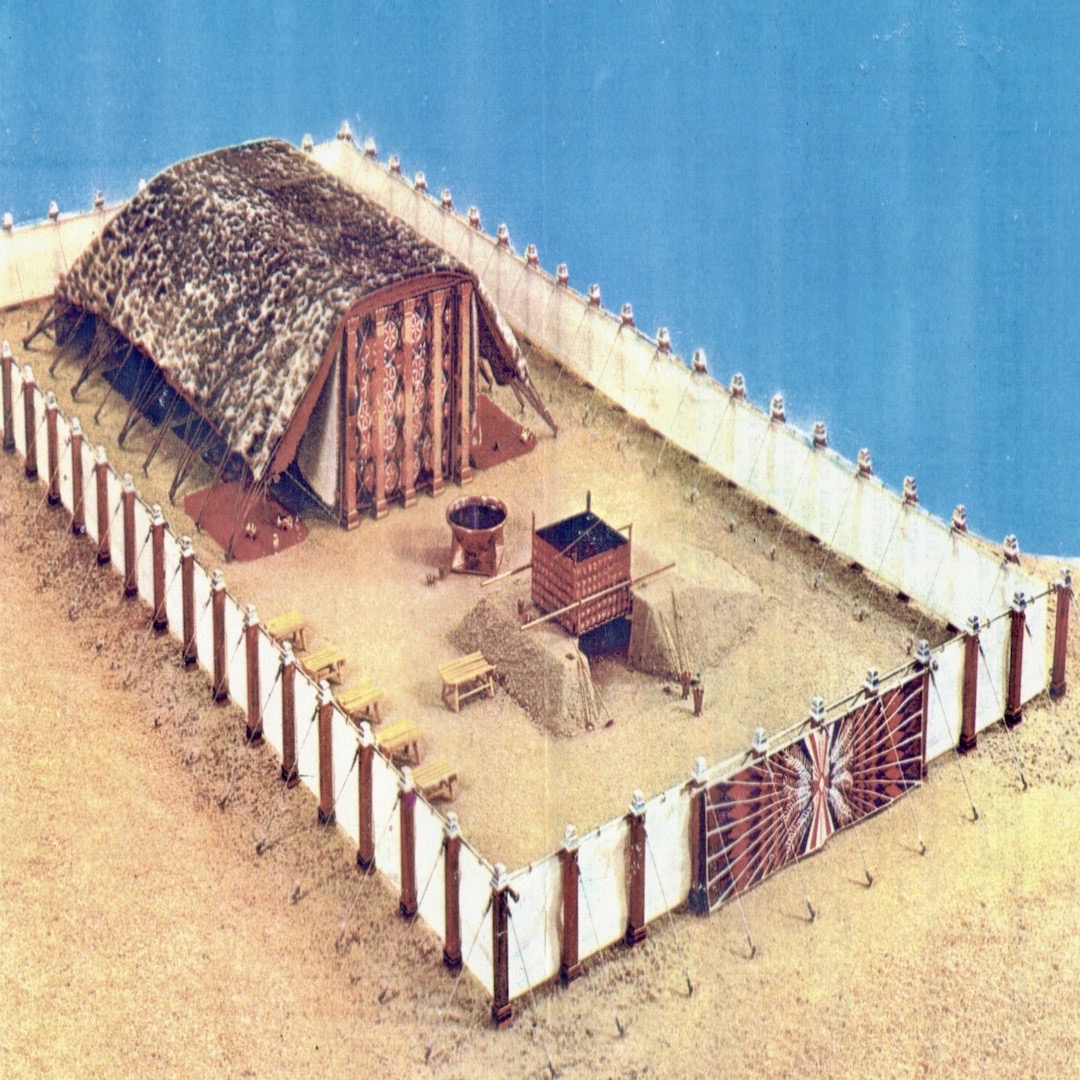
The layout of the Tent of Meeting was rectangular. It had specific dimensions to follow. These measurements were precise to maintain its sacred nature.
| Area | Dimensions |
| Length | 30 cubits |
| Width | 10 cubits |
| Height | 10 cubits |
Key Components
The Tent of Meeting included several key components. These elements were essential for its religious purpose.
- Holy of Holies: The innermost and most sacred area.
- Ark of the Covenant: Contained the stone tablets of the Ten Commandments.
- Altar of Burnt Offering: Used for sacrifices.
- Table of Showbread: Held the bread of the presence.
- Lampstand: Provided light inside the tent.
Sacred Functions
The Tent of Meeting was a special place for the Israelites. It held sacred functions that connected people with God.
This tent was where important religious activities happened. These activities helped keep the people faithful and united.
Place Of Divine Encounter
The Tent of Meeting was the place where God met with Moses and the people. It was a sacred spot for communication and guidance.
- Moses received God’s instructions here
- People came to hear God’s words
- God’s presence was believed to fill the tent
- The tent acted as a symbol of God’s nearness
Center For Worship And Sacrifice
The tent was the main place for worship and sacrifices. These acts showed the people’s respect and faith in God.
| Worship Activity | Purpose |
| Burning sacrifices | To ask for forgiveness and show devotion |
| Prayer and praise | To honor God and seek guidance |
| Offerings of grain and animals | To give thanks and support the priesthood |
| Ritual cleansing | To prepare people for holy service |
Role Of The Priesthood
The Tent of Meeting was a sacred place where God met with the Israelites. The priesthood had a special role there. They served as helpers between God and the people.
Priests took care of the Tent, performed rituals, and taught the people about God’s laws. Their work was important for keeping the community close to God.
Priestly Duties
Priests had many duties in the Tent of Meeting. They kept the holy place clean and prepared all items for worship. They also guarded the sacred objects.
The priests led prayers and reminded the people to follow God’s rules. They acted as leaders and teachers for the Israelites.
- Maintaining the Tent and its furniture
- Wearing special priestly clothing
- Offering sacrifices and prayers
- Teaching God’s laws to the people
- Leading worship services
Rituals Performed
Priests performed rituals to honor God and ask for forgiveness. These rituals included sacrifices and offerings. They helped keep the people pure and holy.
Some rituals were done daily, while others happened on special days. The priests followed exact rules to make sure the rituals were done correctly.
- Burning animal sacrifices on the altar
- Sprinkling blood to cleanse sins
- Lighting the menorah (lampstand)
- Offering incense in the holy place
- Conducting the Day of Atonement ceremony
Symbolism And Spiritual Significance
The Tent of Meeting was a special place where God met with His people. It held deep meaning for the Israelites. The tent showed how God stayed close to them.
Its design and use symbolized God’s presence and His plans for worship. The tent helped people understand their relationship with God.
Representation Of God’s Presence
The Tent of Meeting represented God living among His people. It was the place where God’s glory appeared as a cloud or fire. This showed He was near and watching over them.
Inside the tent, the Ark of the Covenant held God’s commandments. This reminded the people that God was holy and that they must obey Him.
- God’s presence was visible as a cloud by day and fire by night.
- The tent was a holy space set apart from everyday life.
- Only priests could enter certain parts, showing God’s holiness.
- The Ark symbolized God’s covenant and guidance.
Foreshadowing Future Worship
The Tent of Meeting pointed to how worship would grow in the future. It was a temporary place that showed the need for a permanent home for God’s presence.
The tent’s layout and rituals hinted at Jesus Christ. He would become the true meeting place between God and people.
- The altar and sacrifices pointed to Jesus as the perfect sacrifice.
- The Holy of Holies showed the need for a mediator between God and humans.
- The priests represented those who bring people to God.
- The tent’s temporary nature showed the need for a lasting solution.

Credit: www.coffeeandabible.com
Evolution And Legacy
The Tent of Meeting was a special place where the Israelites met with God. It changed over time as their needs grew. Its story shows how religious worship evolved.
This tent shaped many religious ideas and practices that lasted for centuries. Its influence can be seen in later places of worship.
From Tent To Temple
The Tent of Meeting was first a portable tent. It moved with the Israelites during their travels. The tent was the center for prayer and sacrifice.
Later, the Tent inspired the building of the Temple in Jerusalem. The Temple was a permanent place for worship. It held many of the same features as the Tent.
- The Tent was made of cloth and wood, easy to move.
- The Temple was built with stone, meant to last.
- Both had a special inner room called the Holy of Holies.
- Both were places for priests to perform rituals.
Impact On Religious Traditions
The Tent of Meeting influenced many religious traditions. It showed how people could meet with God in a special place. This idea spread to other faiths.
The Tent’s design and purpose affected how worship was done. It taught about holiness, sacrifice, and community. These lessons are still important today.
- It set rules for sacred space and worship.
- It inspired similar holy places in other religions.
- It helped shape ideas about God’s presence among people.
- It created a model for religious leadership and rituals.
Credit: craigtowens.com
Frequently Asked Questions
What Was The Tent Of Meeting In The Bible?
The Tent of Meeting was a portable sanctuary used by the Israelites. It served as a place for worship and communication with God during their desert journey. This tent housed the Ark of the Covenant and symbolized God’s presence among His people.
Why Was The Tent Of Meeting Important To Israelites?
The Tent of Meeting was vital as it represented God’s dwelling among the Israelites. It allowed Moses and priests to perform sacrifices and rituals. It also served as a central place for divine guidance and community worship during their travels.
How Was The Tent Of Meeting Constructed?
The Tent of Meeting was made from fine linen and animal skins. It included an outer courtyard, an inner sanctuary, and the Holy of Holies. Detailed instructions for its construction are found in the book of Exodus, highlighting its sacred design.
Who Used The Tent Of Meeting?
Moses, the priests, and the Israelites used the Tent of Meeting. Moses communicated directly with God there. Priests performed sacrifices and rituals, while Israelites gathered for worship and to seek God’s guidance.
Conclusion
The Tent of Meeting was a special place for God’s presence. It helped people connect with God and follow His guidance. This tent showed how important faith and worship were in ancient times. Understanding it helps us see old stories in a new way.
The Tent reminds us about trust, hope, and closeness to God. It still inspires many people today. Simple, yet powerful. A sign of a deep spiritual bond.